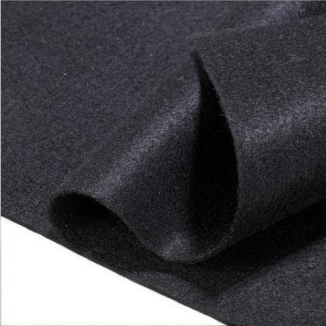
Geotextile for Slope Protection and River Bank Stabilization
Introduction
Slope erosion and river bank instability are common challenges in civil construction, water conservancy projects, and landscape engineering. Unprotected slopes and riverbanks are prone to damage from rainwater scouring, water flow impact, and long-term weathering, which may lead to slope collapse, riverbank retreat, and potential engineering safety hazards. As a high-performance geosynthetic material, non woven geotextile fabric has become a core material for ecological and engineering protection. Professional geotextile slope protection solutions rely on the excellent isolation, filtration, drainage and reinforcement capabilities of geotextile cloth to effectively stabilize loose soil structures, prevent soil loss, and maintain the long-term stability of slopes and river banks. This article explores the functions, application advantages and practical usage of geotextile slope protection, helping engineering practitioners and project owners grasp the correct application of geotextile cloth in slope and river bank stabilization projects.
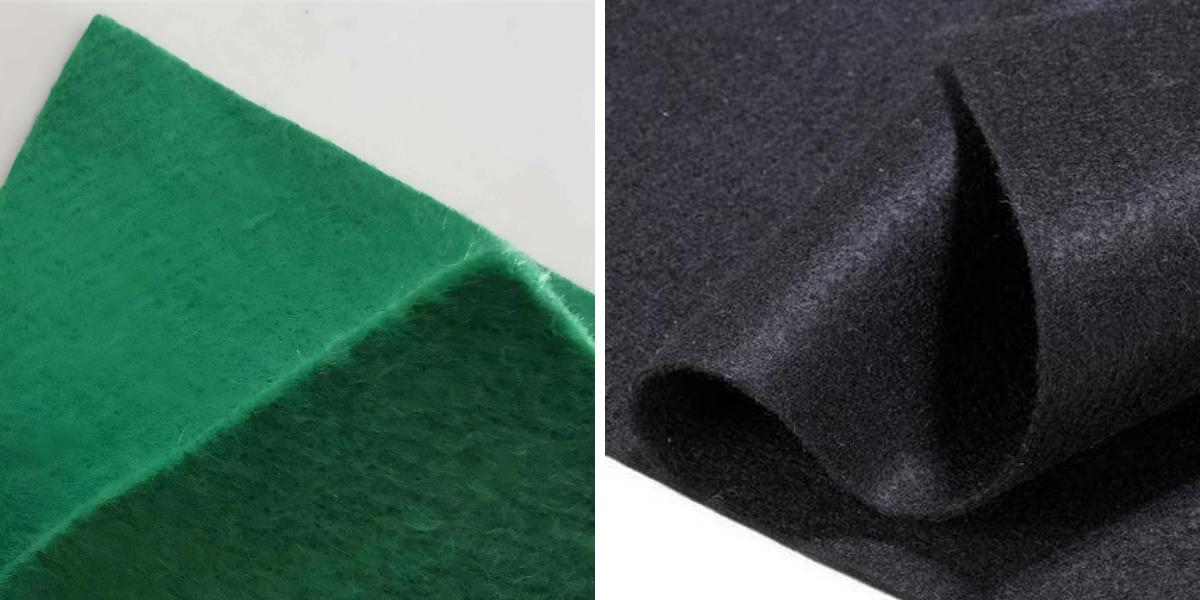
1. Core Functions of Geotextile in Slope Protection and River Bank Stabilization
Geotextile slope protection achieves stable protection effects through multiple physical and structural functions, which perfectly solves the pain points of traditional slope protection methods such as poor permeability and easy damage. Non woven geotextile fabric forms a stable protective layer on the surface and interior of slope and river bank soil, realizing scientific soil-water separation and structural reinforcement.
First, the filtration function of geotextile cloth blocks fine soil particles while allowing water to penetrate freely. This function avoids soil loss caused by water seepage and prevents slope hollowing and river bank soil erosion. Second, the drainage performance of non woven geotextile fabric can quickly discharge accumulated water inside the slope and river bank soil layer, reduce water pressure inside the soil, and avoid slope sliding and bank collapse caused by water saturation.
In addition, geotextile slope protection provides effective structural reinforcement. The flexible fiber structure of geotextile cloth fits closely with the soil layer, improving the overall tensile and anti-scouring ability of slopes and river banks. Different from rigid protection materials, non woven geotextile fabric can adapt to slight soil deformation, avoid cracking and peeling of the protective layer, and maintain long-term and stable protection effects.
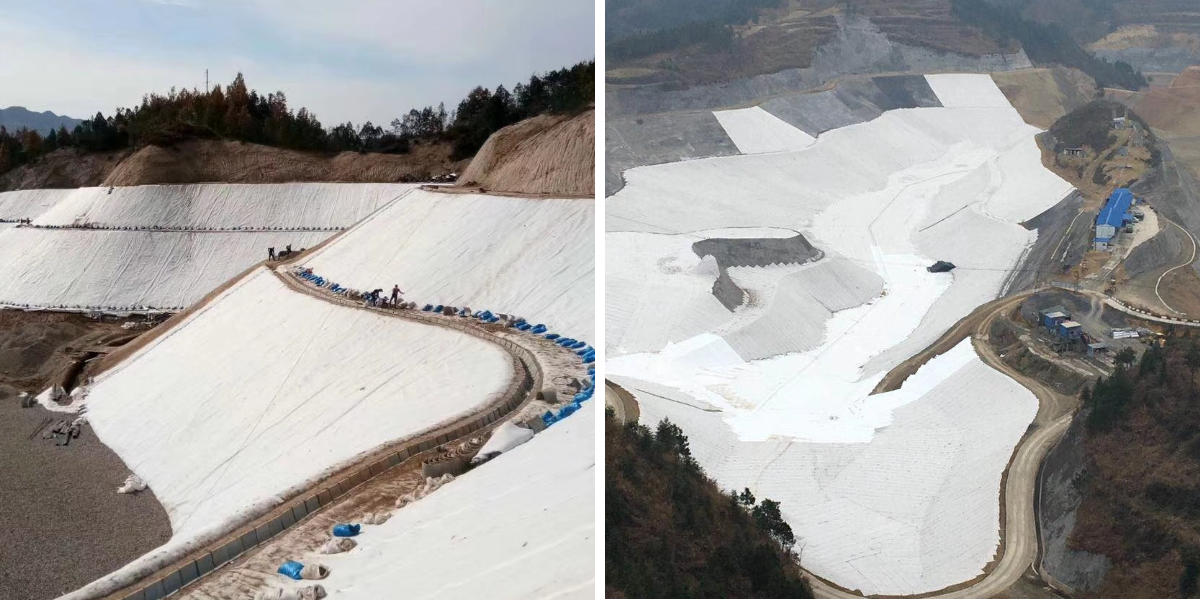
2. Unique Advantages of Non Woven Geotextile Fabric for Slope and River Bank Projects
Compared with concrete stone laying, grass planting protection and other traditional processes, geotextile slope protection using non woven geotextile fabric has obvious comprehensive advantages in engineering applicability, ecological performance and service life. Geotextile cloth has become the preferred material for modern slope and river bank stabilization projects due to its flexible structure and diverse functional characteristics.
In terms of engineering adaptability, geotextile cloth can adapt to various complex terrain environments, including steep slopes, curved river banks and undulating terrain. The soft texture of non woven geotextile fabric can be closely attached to the soil surface without gaps, eliminating the hidden danger of local erosion caused by incomplete fitting. Geotextile slope protection is suitable for various soil quality environments, whether it is loose sandy soil, viscous soil or mixed soil layers, it can exert stable protection performance.
In terms of ecological environmental protection, non woven geotextile fabric is breathable and permeable, which will not block the growth of vegetation roots. It can cooperate with ecological vegetation protection to form a combined protection system of “geotextile + vegetation”, which beautifies the project environment while stabilizing slopes and river banks. In addition, geotextile cloth features corrosion resistance, aging resistance and no pollution, and will not cause damage to river water quality and soil environment, meeting the requirements of green engineering construction.
In terms of cost and construction, geotextile slope protection with non woven geotextile fabric is simple and efficient. The material is lightweight and easy to transport and cut, which greatly shortens the construction cycle. Its durable performance reduces the frequency of later maintenance and replacement, effectively lowering the overall construction and operation cost of slope and river bank stabilization projects.
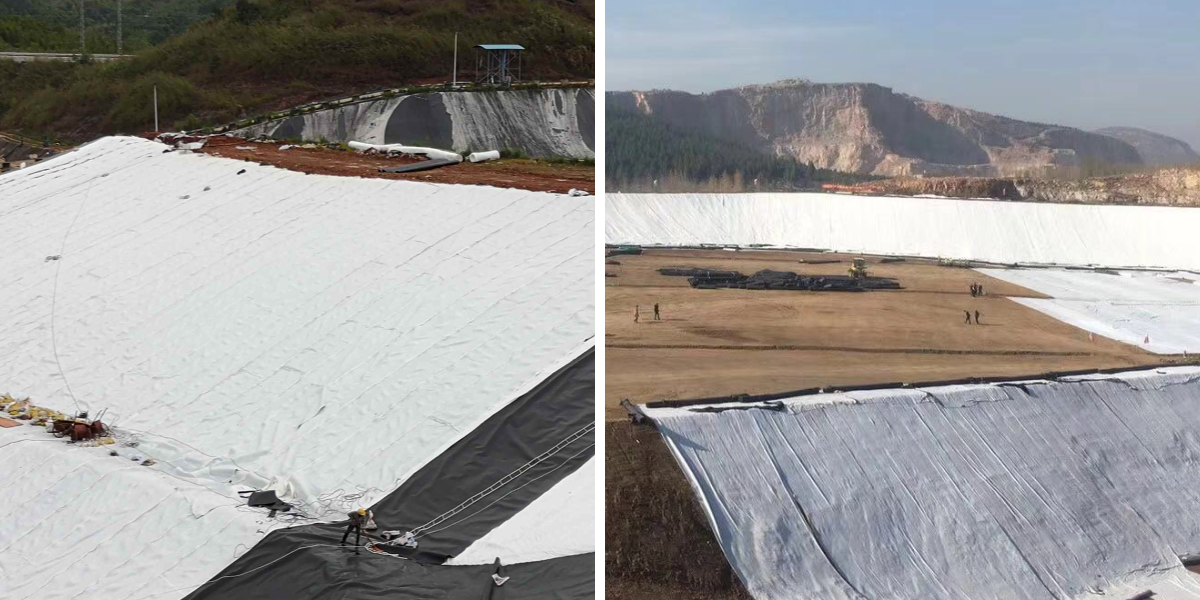
3. Practical Application Scenarios of Geotextile Slope Protection
Geotextile slope protection based on geotextile cloth is widely used in various slope and river bank stabilization scenarios, covering water conservancy, transportation, municipal and ecological restoration fields. Non woven geotextile fabric can formulate targeted protection schemes according to different project scenarios to ensure project safety and stability.
In river bank stabilization projects, geotextile cloth is applied to the protection of river embankments and revetments. It resists long-term impact and scouring of river water, prevents river bank soil from being washed away, and avoids river course deformation and embankment collapse. The good water permeability of non woven geotextile fabric ensures the normal exchange of river water and soil water, maintaining the ecological balance of the river bank.
In road and railway slope projects, geotextile slope protection fixes road side slope soil, prevents rainwater erosion from causing slope collapse and road foundation damage, and guarantees traffic operation safety. Geotextile cloth buffers the impact of rainwater on the slope surface, reduces surface runoff scouring, and protects the integrity of the slope structure for a long time.
In municipal landscape and mountain slope restoration projects, non woven geotextile fabric cooperates with greening construction to realize ecological slope protection. It fixes loose mountain soil, prevents geological disasters such as soil erosion and landslides, and creates stable growth conditions for slope vegetation. Geotextile slope protection balances engineering safety and landscape aesthetics, which is in line with the concept of ecological city construction.
4. Key Application Guidelines for Geotextile Cloth in Stabilization Projects
To give full play to the protection performance of geotextile slope protection, it is necessary to standardize the application process of non woven geotextile fabric in actual projects. Standardized operation can maximize the advantages of geotextile cloth and avoid performance failure caused by improper usage.
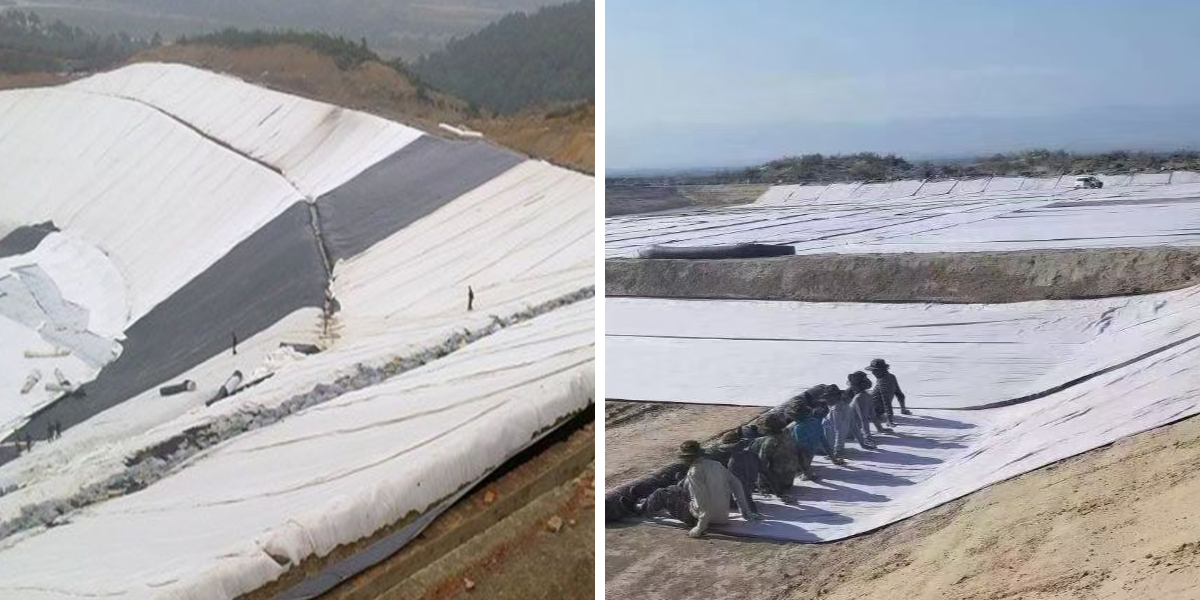
Before construction, clean up the slope and river bank base surface to remove sharp stones, weeds and loose soil blocks, ensuring the base surface is flat and solid. This can prevent the non woven geotextile fabric from being scratched and damaged, and ensure the close combination of geotextile cloth and the soil layer to lay a foundation for stable geotextile slope protection effects.
During material deployment and laying, keep the geotextile cloth flat and tight without wrinkles and overlapping gaps. Carry out firm fixation at the edges and joints to prevent the material from shifting and peeling under the action of water flow and soil pressure. The splicing parts of non woven geotextile fabric need standardized overlap treatment to ensure the overall integrity and continuity of the protective layer.
After construction is completed, conduct regular inspection and protection on the geotextile slope protection area. Check whether the geotextile cloth has local damage, displacement and aging, and repair minor problems in a timely manner. Avoid long-term exposure of damaged non woven geotextile fabric to harsh environments to prevent the expansion of damaged areas and affect the overall stabilization effect.
Conclusion
Geotextile slope protection has become an indispensable technical means for modern slope protection and river bank stabilization. Relying on the excellent filtration, drainage, reinforcement and anti-scouring performance of non woven geotextile fabric and geotextile cloth, it effectively solves various instability problems of slopes and river banks. With the dual advantages of engineering practicability and ecological environmental protection, geotextile slope protection is widely used in various infrastructure and ecological restoration projects. Standardized application and daily maintenance of geotextile cloth can continuously exert its protective value, maintain the long-term stability of slope and river bank structures, and provide reliable guarantee for the safe operation of various engineering projects.