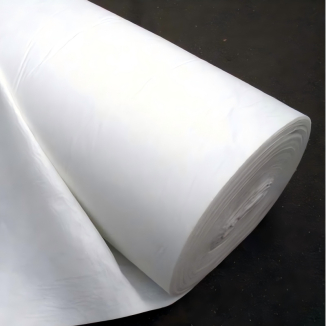
Material Properties of Polyester Filament Geotextile Cloth for Field Projects
Introduction to Polyester Filament Geotextile Cloth
Polyester filament geotextile cloth is a versatile geosynthetic material widely used in civil engineering, infrastructure construction, environmental protection, and landscaping projects. Manufactured from continuous polyester filaments, this material offers a combination of mechanical strength, dimensional stability, filtration performance, and resistance to environmental influences.
Choosing the right Geotextile is essential for achieving reliable soil stabilization, drainage, separation, and reinforcement in field applications. Polyester filament materials are particularly suitable for projects that require consistent performance under demanding site conditions.
Whether used for road construction, railway foundations, embankment protection, or drainage systems, Fabric Geotextile provides practical engineering solutions that help improve soil performance and extend infrastructure service life.
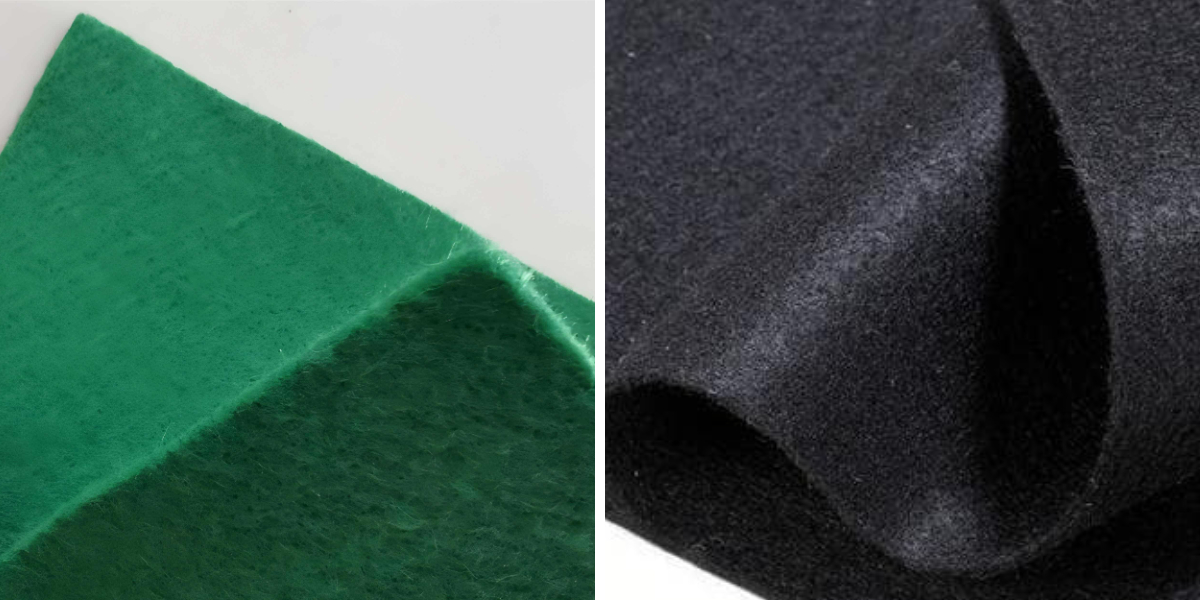
One of the most important properties of polyester filament geotextile cloth is its excellent tensile strength. Its continuous filament structure helps distribute applied loads across the fabric, reducing localized stress and improving overall structural stability.
This mechanical performance makes polyester Geotextile suitable for applications involving soil movement, external loading, and foundation reinforcement. Its high tensile strength helps resist tension during construction and service, while its puncture and tear resistance reduce the risk of damage caused by gravel, stones, and construction activities. Additionally, its dimensional stability helps maintain fabric integrity under demanding field conditions.
For roadbeds, retaining structures, and embankments, selecting a suitable Non Woven Geotextile Fabric can contribute to improved load distribution and long-term ground stability.
2. Excellent Filtration and Water Permeability
Water management is a critical consideration in civil engineering projects. Polyester filament geotextile cloth provides filtration properties that allow water to pass through while retaining surrounding soil particles. This combination helps maintain drainage efficiency and reduces the possibility of soil migration within drainage systems.
The filtration characteristics of Non Woven Geotextile Fabric make it suitable for subsurface drainage systems, roadside drainage channels, foundation drainage applications, retaining wall drainage layers, and landscaping projects. A properly selected Geotextile allows water to move through the material while helping prevent fine soil particles from entering drainage aggregates.
This filtration function supports drainage system performance and reduces the risk of clogging when the fabric is correctly matched to site soil conditions.
3. Chemical Resistance and Environmental Durability
Field construction materials are frequently exposed to moisture, soil chemicals, microorganisms, and changing environmental conditions. Polyester filament geotextile cloth offers useful chemical resistance and durability for many common construction environments.
Polyester fibers are generally resistant to many naturally occurring substances in soil, making them suitable for a broad range of infrastructure applications. Their resistance to biological degradation also contributes to their practical use in underground construction environments.
However, polyester can be sensitive to strongly alkaline environments, particularly under prolonged exposure. Project engineers should evaluate soil chemistry and environmental conditions before selecting a Fabric Geotextile for specialized applications. Proper material selection helps ensure that Non Woven Geotextile Fabric performs effectively throughout the intended service period.
4. Flexibility and Adaptability to Different Terrains
Construction sites rarely have perfectly uniform surfaces. Uneven ground, changing slopes, and irregular foundation shapes can make material installation challenging. Polyester filament geotextile cloth offers flexibility that allows it to conform to different ground profiles.
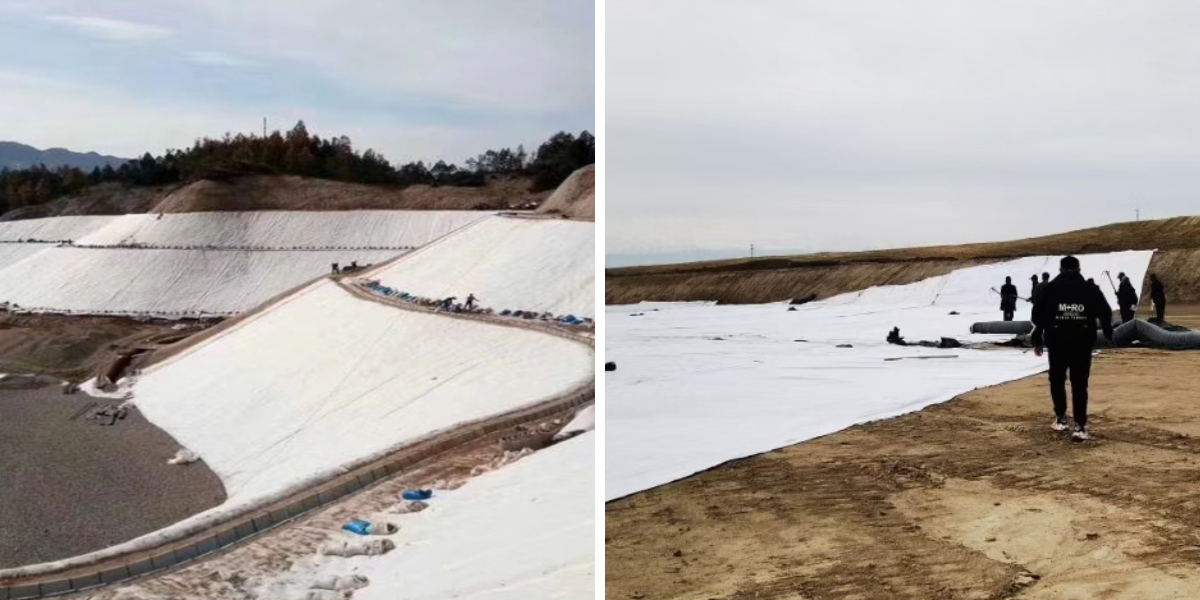
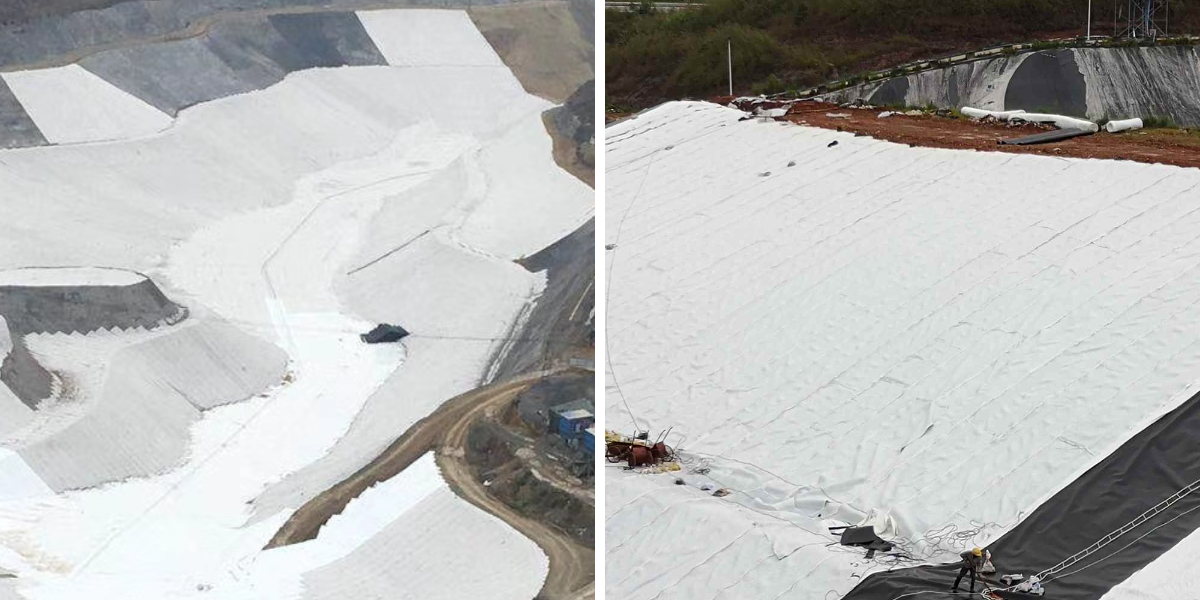
Its flexible structure helps maintain contact with the underlying soil and supports consistent coverage across construction areas. This adaptability makes Geotextile materials useful for highway construction, railway subgrade preparation, slope protection, embankment reinforcement, landfill engineering, and riverbank protection.
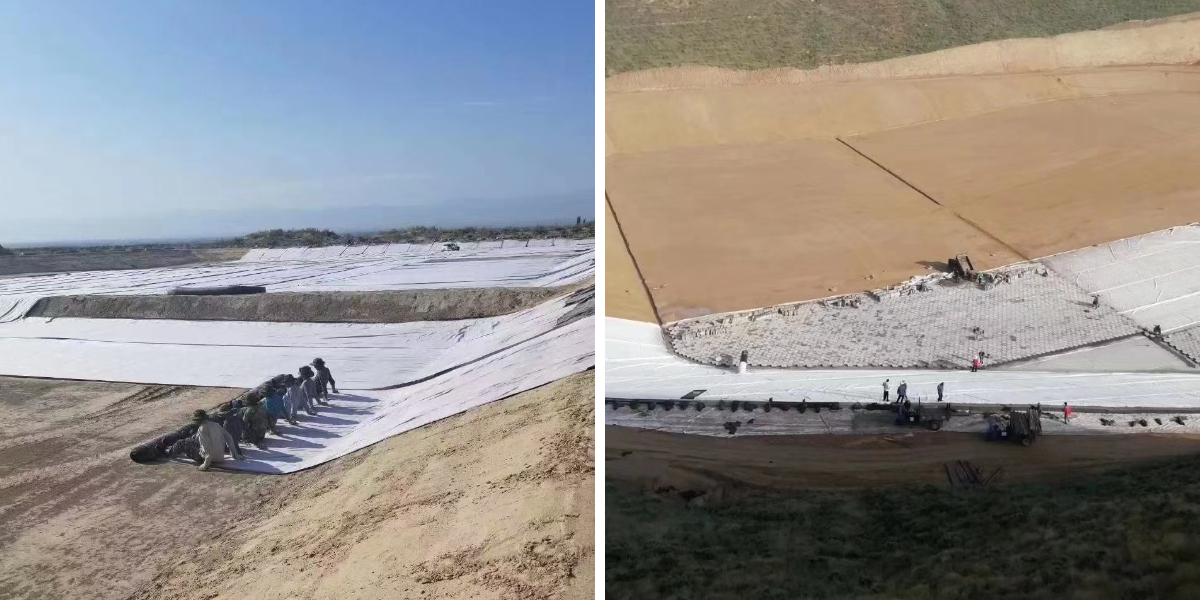
During Fabric Geotextile installation, the material should be spread smoothly over the prepared surface. Excessive wrinkles, folds, and unnecessary tension should be avoided to maintain effective contact and minimize installation-related damage.
5. Separation and Soil Stabilization Properties
Soil separation is another important function of polyester filament geotextile cloth. In road construction and foundation engineering, different soil and aggregate layers need to remain separated to preserve their individual functions.
Without an appropriate separation layer, fine soil particles may migrate into coarse aggregate, potentially reducing drainage capacity and weakening the structural performance of the foundation. A suitable Geotextile helps prevent the mixing of different soil layers while maintaining water movement through the structure.
This makes Non Woven Geotextile Fabric a practical choice for separation between natural subgrade and aggregate, temporary construction access roads, foundation protection, parking areas, and railway track foundations. Its combination of filtration and separation properties helps maintain the functionality of different construction layers.
6. UV Resistance and Long-Term Field Performance
Exposure to sunlight can affect synthetic geotextile materials, especially when they remain uncovered during outdoor construction. Polyester filament geotextile cloth offers practical durability, but its resistance to ultraviolet radiation depends on fiber formulation, manufacturing processes, and exposure conditions.
To maintain material performance, contractors should avoid unnecessary outdoor storage and prolonged direct sunlight exposure. Fabric Geotextile rolls should be stored in dry, protected locations and covered before installation. During handling, dragging materials across rough surfaces should be avoided to minimize mechanical damage.
Once installed, the Geotextile should be covered with the specified soil or aggregate layer as soon as practical. These precautions help protect the material from avoidable environmental damage and support reliable field performance.
7. Applications of Polyester Filament Geotextile in Field Projects
Road and Highway Construction
In road construction, Geotextile materials are commonly used between the subgrade and aggregate layers. They help maintain separation, improve foundation stability, and support effective drainage. Polyester filament materials can also help reduce the migration of fine soil particles into the aggregate structure, contributing to more stable road foundations.
Railway Engineering
Railway foundations require reliable separation and drainage to maintain trackbed performance. Non Woven Geotextile Fabric can help control soil migration and protect aggregate layers. Its filtration and mechanical properties make it a useful component in railway infrastructure projects.
Drainage and Water Management
Polyester filament materials are suitable for drainage applications where water needs to pass through while soil particles are retained. Fabric Geotextile can be incorporated into drainage trenches, retaining wall systems, and underground structures to support water movement and maintain surrounding soil stability.
Slope and Embankment Protection
For slopes and embankments, Geotextile can support soil retention and filtration. When integrated into an appropriate engineering design, it helps improve ground stability and reduce erosion-related problems. Its flexibility also makes it adaptable to different terrain profiles.
Landfill and Environmental Engineering
In environmental projects, Non Woven Geotextile Fabric may be used as a protective, separation, or filtration layer within engineered systems. Material selection should consider chemical exposure, mechanical loading, and compatibility with adjacent construction materials.
8. How to Select the Right Polyester Filament Geotextile Cloth
Selecting an appropriate product requires more than comparing fabric appearance or weight. Engineers and contractors should evaluate the actual requirements of the construction site, including tensile properties, filtration performance, water permeability, puncture resistance, and chemical compatibility.
The selected Geotextile should match the soil conditions, drainage requirements, and mechanical demands of the project. For applications involving coarse aggregates or construction equipment, sufficient puncture resistance is particularly important. For drainage applications, filtration characteristics and water permeability should be carefully considered.
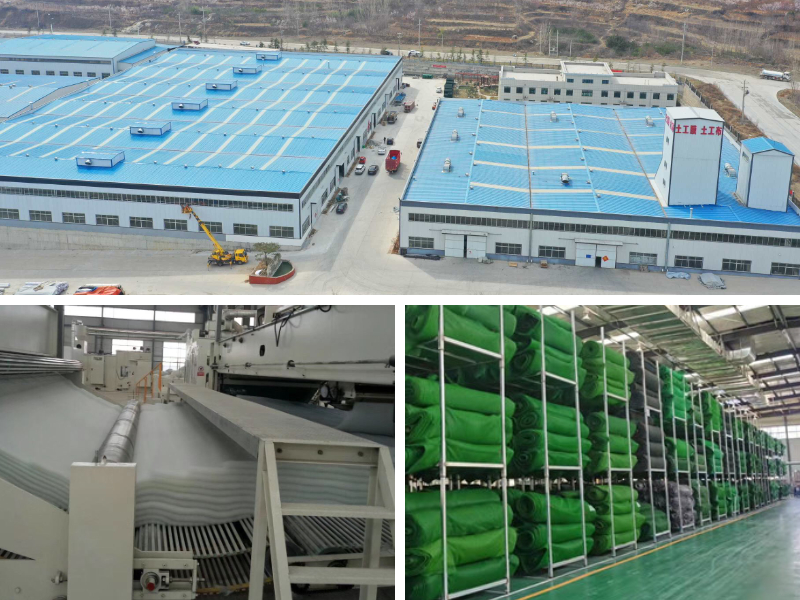
Working with an experienced supplier of Non Woven Geotextile Fabric can help contractors identify suitable material specifications based on project drawings, soil conditions, and engineering requirements.
Conclusion: Choosing Reliable Polyester Filament Geotextile for Better Project Performance
Polyester filament geotextile cloth provides a combination of tensile strength, filtration, permeability, flexibility, and environmental durability that makes it a valuable material for modern civil engineering projects.
From road construction and railway foundations to drainage systems, slope protection, and environmental engineering, the right Geotextile can help improve soil stability, maintain drainage efficiency, and support long-term infrastructure performance.
When selecting Fabric Geotextile or Non Woven Geotextile Fabric, always consider the specific requirements of the application rather than relying on a single material characteristic. Working with an experienced geosynthetics manufacturer can help ensure suitable material specifications, dependable product quality, and practical technical support for successful field projects.