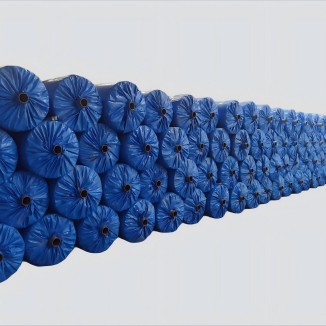
8 Common Mistakes in HDPE Geocell Installation and How to Prevent Them
HDPE Geocell is widely used in modern civil engineering projects for soil stabilization, erosion control, slope protection, road construction, and ground reinforcement. Its unique three-dimensional honeycomb structure provides effective soil confinement, improves load distribution, and enhances the stability of different types of ground structures. However, even high-quality Geocell Material cannot achieve its expected performance without proper installation.
During construction, mistakes in site preparation, panel expansion, anchoring, infill placement, and compaction can negatively affect the performance and durability of the entire system. Understanding these common problems and adopting the correct installation methods can help contractors improve construction quality, reduce potential maintenance costs, and ensure long-term project performance. This article explores the most common mistakes during HDPE Geocell installation and explains how to avoid them.
1. Inadequate Site Preparation Before HDPE Geocell Installation
Proper site preparation is the foundation of successful HDPE Geocell installation. However, some construction teams overlook the importance of ground conditions and begin installing Geocell before the subgrade is adequately prepared. Loose soil, vegetation, roots, construction debris, and uneven surfaces can affect the contact between the Geocell system and the underlying ground. An unstable foundation may eventually cause uneven settlement, structural deformation, and reduced load-bearing performance.
To avoid these problems, the construction area should be thoroughly cleaned and inspected before installation. Unsuitable materials should be removed, the ground surface should be leveled, and the subgrade should be compacted according to the engineering design. Where weak soil conditions exist, appropriate ground improvement measures should be implemented. Proper drainage should also be considered to prevent water accumulation beneath the Geocell structure. A stable foundation allows HDPE Geocell to maintain its intended configuration and deliver better soil stabilization performance.
2. Incorrect HDPE Geocell Expansion and Positioning
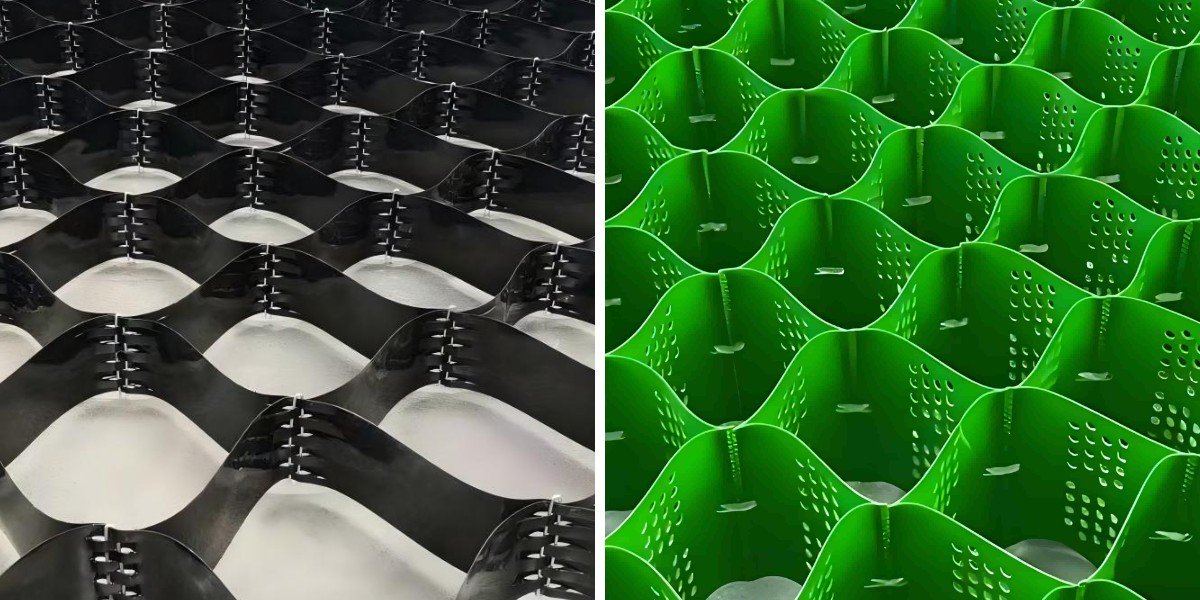
Proper expansion is essential for achieving the designed three-dimensional honeycomb structure of HDPE Geocell. One common installation mistake is failing to fully expand the Geocell panels before anchoring and filling. Some panels may become twisted, irregularly stretched, or incorrectly aligned, resulting in inconsistent cell dimensions. These problems can reduce the effective confinement area and affect the distribution of infill materials.
To achieve better installation results, each Geocell panel should be carefully unfolded and expanded according to the manufacturer's installation guidelines. Construction workers should ensure that the cells reach their specified dimensions and maintain a consistent honeycomb shape. Adjacent panels should also be properly aligned before connection to avoid gaps or overlapping sections. Correct positioning helps the Geocell system distribute loads more evenly and improves the overall stability of the finished structure.
3. Insufficient Anchoring and Connection of Geocell Panels
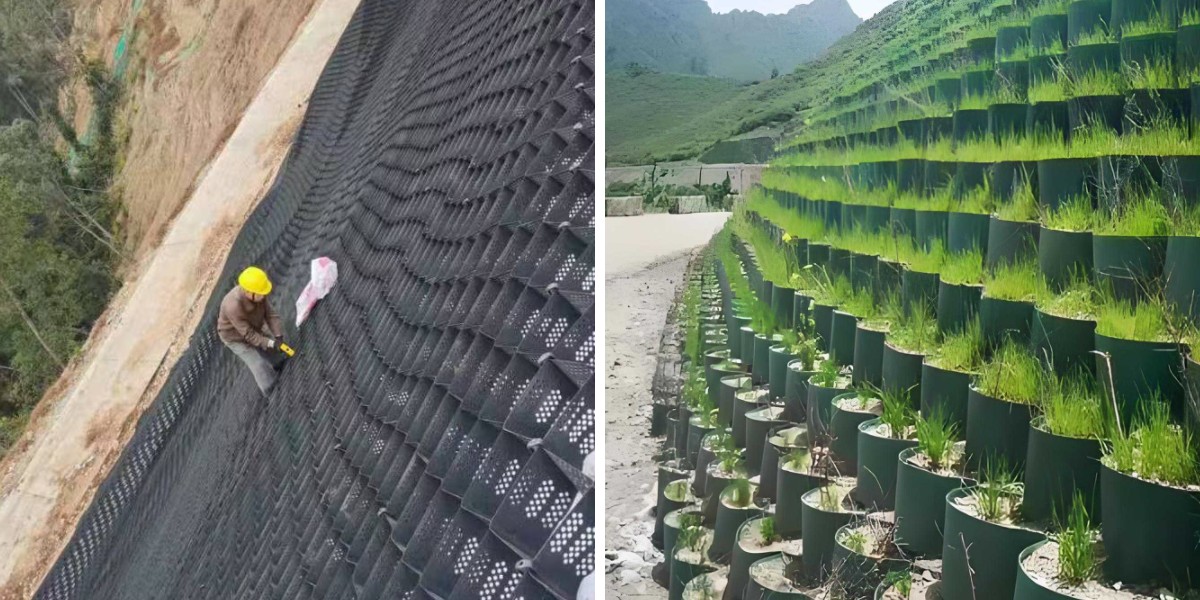
Anchoring and panel connections play an important role in maintaining the stability of the Geocell system during construction and long-term operation. Insufficient anchoring may allow HDPE Geocell panels to shift during infilling and compaction, particularly in slope protection and embankment applications. Improper connections between adjacent panels can also create gaps, weaken structural continuity, and affect the overall confinement performance.
To avoid these issues, contractors should select suitable anchoring methods based on ground conditions, slope requirements, and project specifications. The edges and designated anchoring positions of the Geocell panels should be securely fixed before filling begins. Compatible connectors should be used to join adjacent sections and maintain structural continuity. A thorough inspection of all anchoring points and connections is recommended before proceeding with subsequent construction activities.
4. Choosing the Wrong Geocell Infill Material
The performance of HDPE Geocell depends not only on the quality of the Geocell itself but also on the suitability of the selected infill material. Using unsuitable soil, oversized particles, contaminated materials, or inconsistent aggregates can affect cell filling, drainage, and soil confinement. Different engineering applications also have different requirements, making it important to select appropriate infill materials for the intended purpose.
Before installation, contractors should evaluate the project conditions and choose infill materials that meet the engineering design. Crushed stone and gravel are commonly considered for road construction and load-support applications, while suitable soil materials may be used in slope protection and vegetation-related projects. Sand and other granular materials may also be appropriate depending on the application. Matching the right Geocell Material with suitable infill helps improve structural stability, drainage performance, and overall project durability.
5. Improper Infill Placement and Compaction
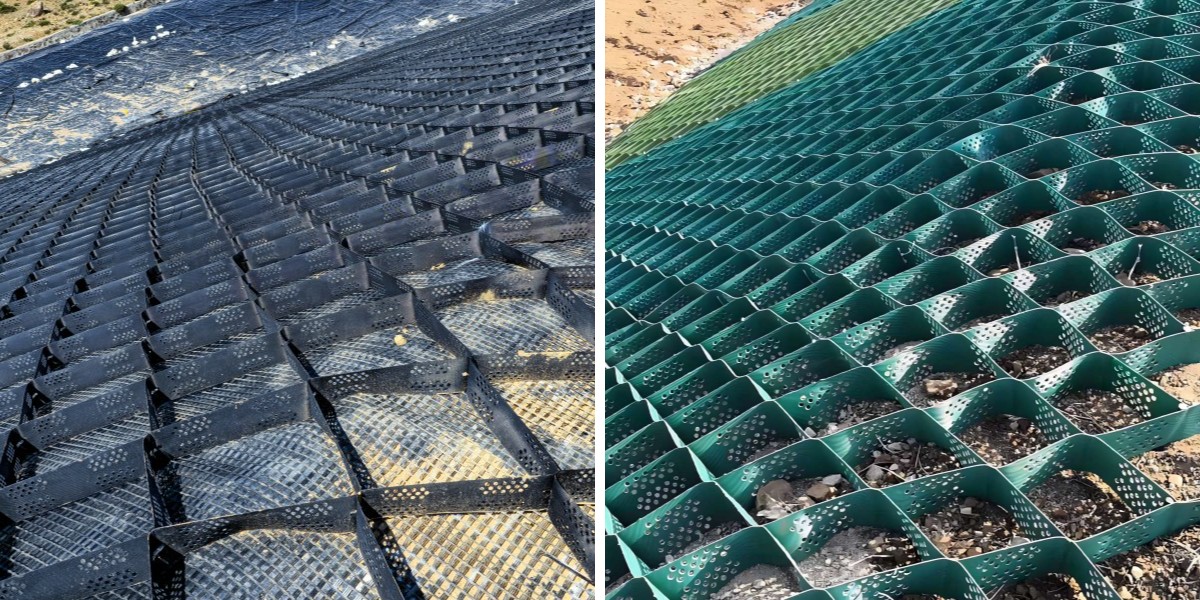
Even when the correct infill material is selected, improper filling and compaction can compromise HDPE Geocell performance. Uneven material distribution, partially filled cells, and inappropriate compaction methods may result in inconsistent load distribution and surface deformation. Excessive mechanical pressure or direct equipment contact with exposed Geocell panels can also damage the material and affect the integrity of the installation.
To prevent these problems, infill materials should be distributed evenly across the expanded Geocell panels, ensuring that all cells are adequately filled. The filling sequence and compaction methods should follow the manufacturer's recommendations and engineering requirements. Suitable construction equipment should be selected to avoid unnecessary damage to the Geocell panels. Contractors should also maintain the specified protective infill layer above the Geocell to provide additional protection and support during subsequent construction and operation.
6. Ignoring Drainage Requirements During Geocell Installation
Drainage is an important factor in road construction, slope stabilization, and erosion control projects. However, some installation teams focus primarily on the Geocell structure while overlooking the surrounding drainage conditions. Poor drainage can lead to water accumulation, soil erosion, and weakening of the supporting foundation. Over time, these problems may reduce the stability and service performance of the entire Geocell system.
To avoid drainage-related problems, site conditions and natural water flow patterns should be evaluated before HDPE Geocell installation. Appropriate drainage channels, outlets, and drainage layers should be incorporated where required by the engineering design. The installation arrangement should also avoid blocking existing water flow paths. Proper drainage management helps maintain ground stability and allows Geocell systems to perform effectively under different environmental conditions.
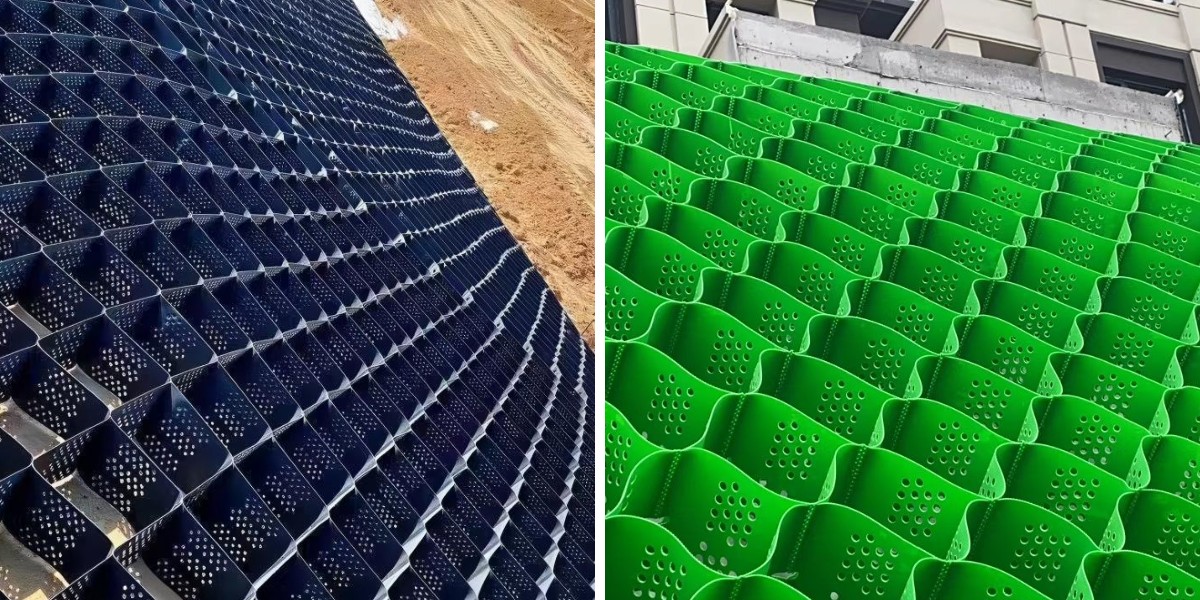
7. Overlooking HDPE Geocell Material Quality
Selecting low-quality Geocell Material is another common mistake that can affect project performance. Although different Geocell products may look similar, their material composition, welding quality, structural properties, and manufacturing processes can vary considerably. Products made from unsuitable raw materials or featuring weak welded connections may experience premature deformation, connection failure, or reduced durability under demanding construction conditions.
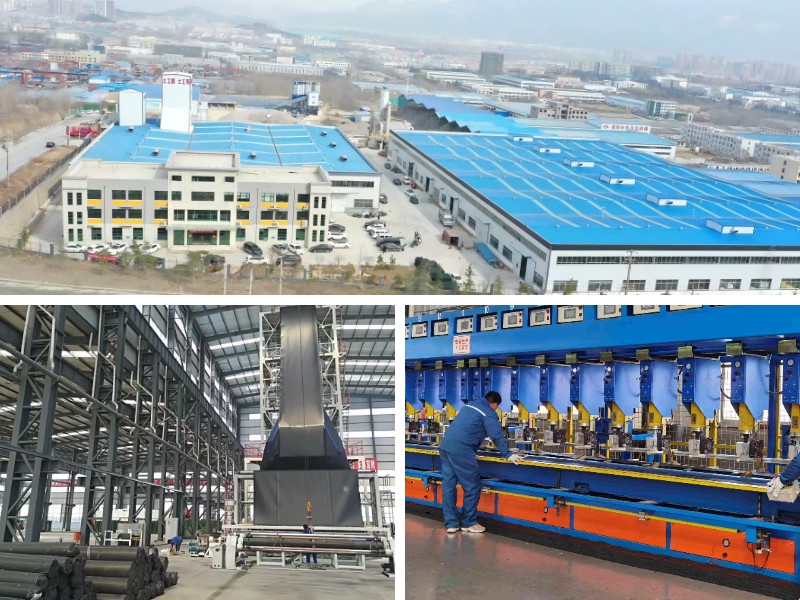
To make an informed purchasing decision, contractors should carefully evaluate the technical specifications and manufacturing quality of HDPE Geocell products. Important considerations include HDPE raw material quality, cell dimensions, cell depth, weld strength, surface texture, perforation design, and relevant mechanical properties. It is also advisable to work with an experienced Geocell manufacturer that can provide product documentation, technical guidance, and suitable material recommendations according to the project's application requirements. Choosing reliable Geocell Material from the beginning helps reduce potential installation and maintenance problems.
8. Skipping Final Inspection and Quality Control
Some construction teams consider the installation complete once all Geocell panels have been filled and compacted. However, neglecting final inspection can allow small installation defects to remain undetected. Misaligned panels, loose connections, damaged cells, uneven infill, and exposed Geocell sections may affect the finished structure and create additional maintenance requirements.
A comprehensive quality inspection should be conducted after HDPE Geocell installation. Contractors should carefully check panel alignment, anchoring conditions, connection quality, infill distribution, compaction, and the final surface condition. Any damaged sections or uneven areas should be corrected before the next construction stage. Proper inspection and construction documentation help ensure that the installed Geocell system meets the project specifications and performs as intended.
Conclusion: Proper HDPE Geocell Installation Ensures Long-Term Performance
HDPE Geocell provides an effective and versatile solution for soil stabilization, road construction, slope protection, erosion control, and ground reinforcement. However, its actual performance depends heavily on proper installation practices and appropriate material selection. From site preparation and panel expansion to anchoring, infill placement, compaction, and final inspection, every construction stage plays an important role in the success of the project.
By avoiding these common installation mistakes, contractors and engineering professionals can improve construction quality, enhance structural stability, and reduce potential maintenance issues. Choosing high-quality Geocell Material and following professional installation guidelines are essential for achieving reliable and long-lasting results.
Looking for dependable HDPE Geocell products for your next construction project? Contact an experienced Geocell manufacturer to explore suitable product specifications, customized solutions, and professional technical support for your engineering applications.