Liner for Drainage Ditch
1. Convenient construction: It can be laid by a single person and is suitable for harsh or remote environments.
2. Cost savings: Reduce labor, machinery, and maintenance costs.
3. Strong adaptability: It can be used for complex terrains such as slopes and curved surfaces.
4. Waterproof and Fireproof: After hardening, it has the waterproof and fire-resistant properties of concrete.
5. Long term durability: UV resistance, corrosion resistance, and long service life.
Product Introduction:
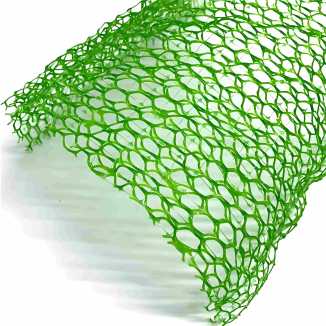
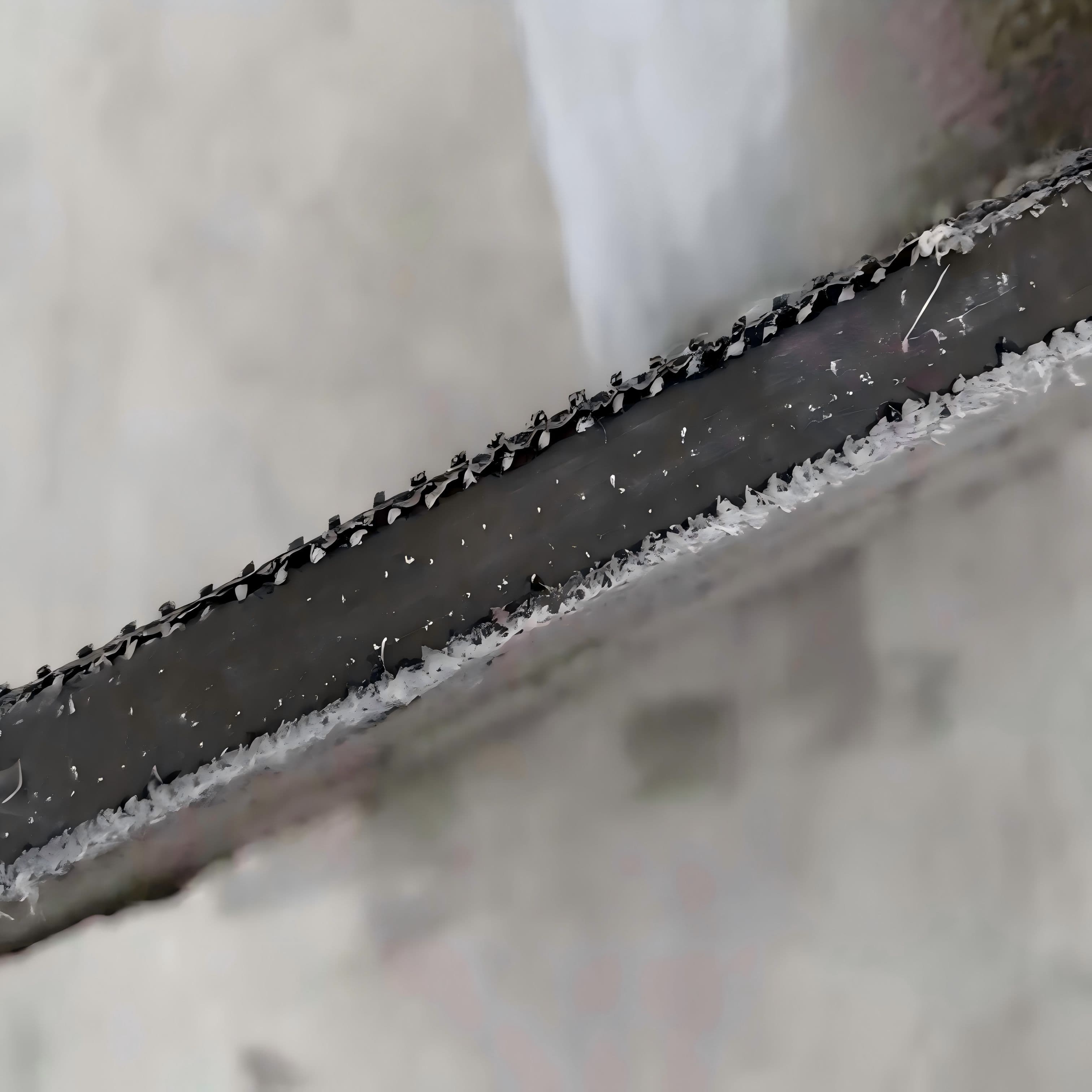
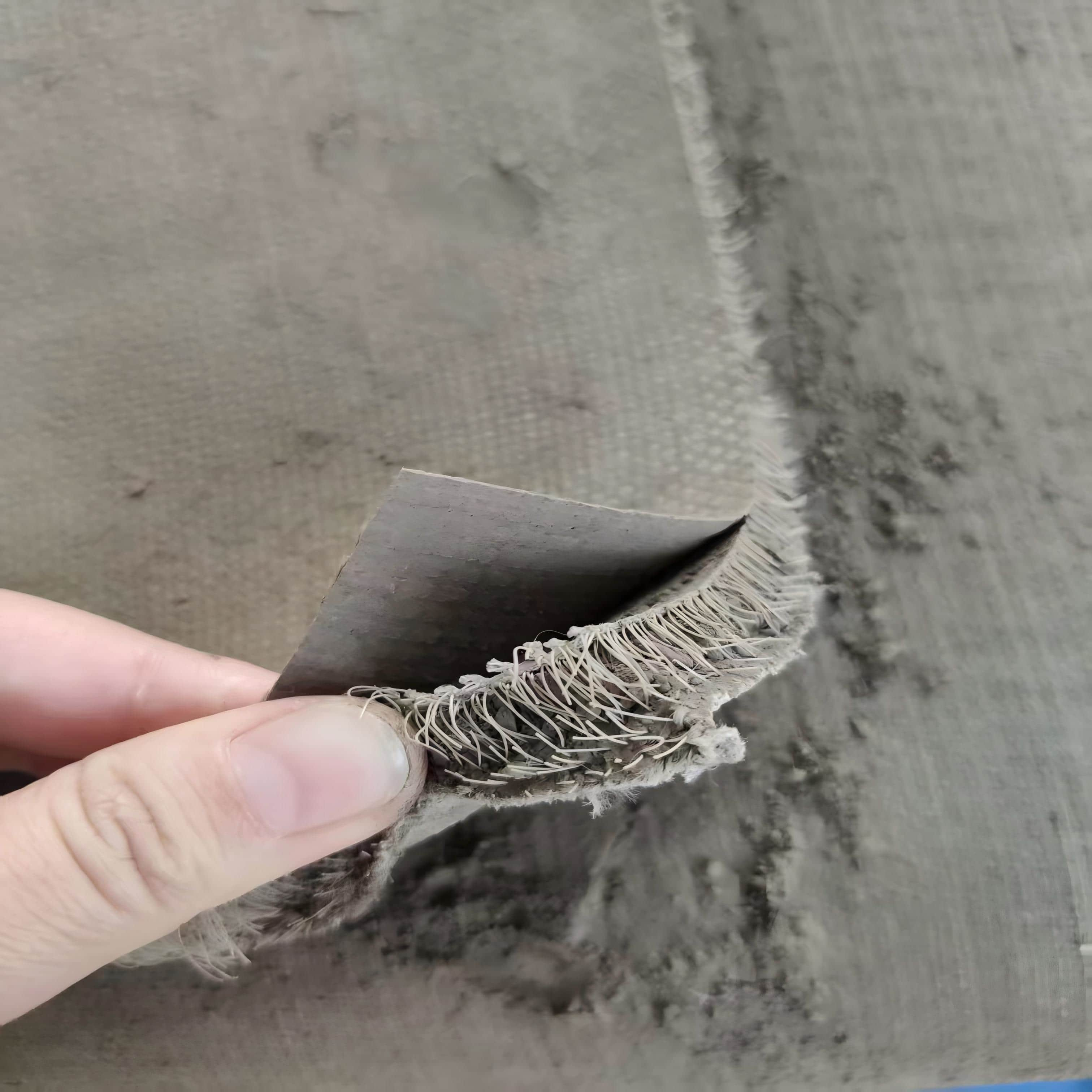
Liner for Drainage Ditch is a new type of building material that combines traditional cement with textile fibers. It is made of high-strength three-dimensional textile fibers as the skeleton, with a special formula of dry mixed cement powder uniformly infiltrated in the middle, and covered with a breathable and waterproof polyethylene film on the outer layer, forming a soft and rollable "blanket" material. When in use, simply water or soak it, and the cement components will undergo hydration reaction, forming a concrete structure with high strength and toughness after solidification.
characteristic
1. Flexible form: Before solidification, it is in the shape of a soft blanket, which can be cut, folded, and curled according to construction needs, adapting to various complex terrains (such as arcs, curves, irregular contours, etc.).
2. Rapid curing: It begins to harden within a few hours after watering, reaches a certain strength in about 24 hours, and approaches the design strength in about 7 days, much faster than the curing cycle of traditional concrete.
3. Integrated structure: The fiber skeleton is tightly combined with cement to form a seamless structure after curing, reducing leakage and cracking problems caused by joints in traditional concrete construction.
4. Self waterproofing: The outer layer of polyethylene film and the cured cement layer work together to have good waterproof performance, without the need for additional waterproof coating.
5. Lightweight and efficient: Compared to traditional concrete, it has a lighter weight per unit area (usually 15-30 kilograms per square meter), lower transportation and handling costs, and does not require heavy machinery for construction.
Product Parameters:
Property | State | 8mm | 10mm | 12mm | 15mm | Test Method | |
Compressive strength(MPa) | cured 28 days | 60 MPa | D8329 | ||||
Flexural strength(MPa) | cured 28 days | 15 MPa | D8058 | ||||
Pyramid puncture(kN) | cured 28 days | 4.0 kN | 4.5 kN | 5.0 kN | 6.0 kN | D5494,Type B | |
Abrasion (maximum value) | cured 28 days | 0.3 mm/1000 cycles | C1353/C1353M | ||||
Tensile strength | Final | uncured | 20 kN/m | 30 kN/m | 35 kN/m | 40 kN/m | D6768/D6768M |
Initial | cured 28 days | 15 kN/m | 25 kN/m | 30 kN/m | 35 kN/m | D4885 | |
Final | 25 kN/m | 35 kN/m | 40 kN/m | 45 kN/m | |||
Freeze-thaw | Residual initial flexural | cured 28 days, 200 cycles | >80 % (Pass) | C1185 | |||
Water quality requirements for hydration | Tap water、River water、Seawater | / | |||||
Construction temperature conditions | Construction above 0℃ | ||||||
Fire protecting performance | B1 | GB 8624-2012 | |||||
Harmful substance leaching test items | Limitation index (mg/L) | GB 5085.3-2007 | |||||
Copper (total copper) (mg/L) | ≤100 | ||||||
Zinc (total zinc) (mg/L) | ≤100 | ||||||
Cadmium (total) (mg/L) | ≤1 | ||||||
Lead (total lead) (mg/L) | ≤5 | ||||||
Total chromium (mg/L) | ≤15 | ||||||
Nickel (total nickel) | ≤5 | ||||||
Arsenic (total) | ≤5 | ||||||
Product Applications:
1. Water conservancy and waterway engineering
Channels and Irrigation Systems
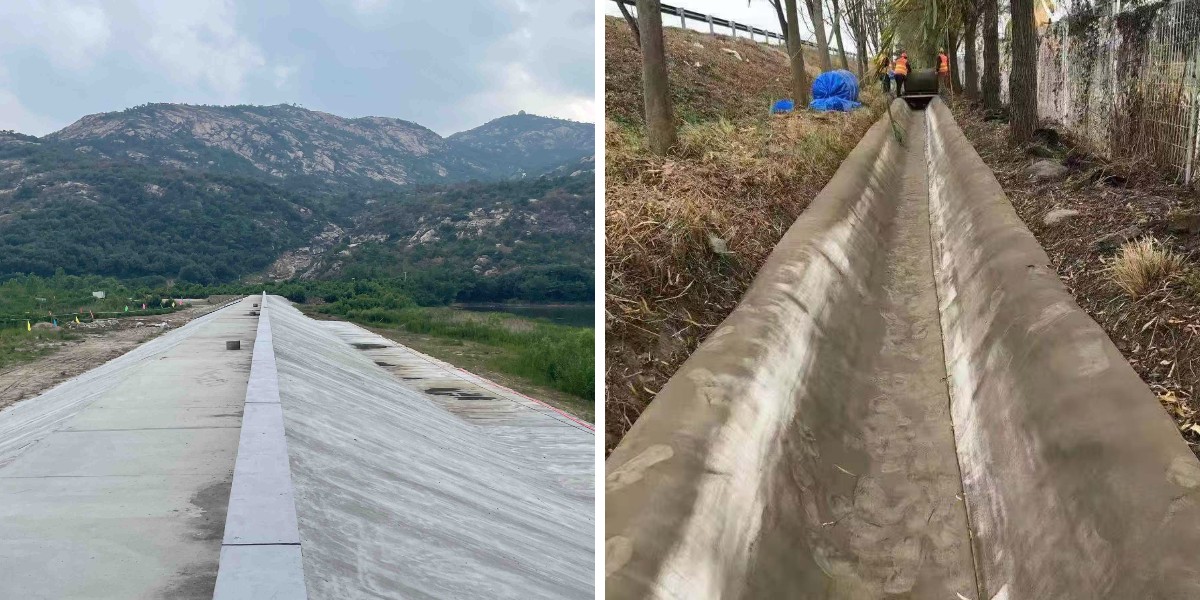
Agricultural irrigation channels: solve the problem of severe leakage and frequent maintenance in traditional soil channels. After laying cement blankets, a seamless anti-seepage layer is formed to reduce water resource loss (leakage rate can be reduced by more than 90%). At the same time, it has strong resistance to water flow erosion and is suitable for branch channels and bucket channels in different terrains such as mountainous areas and plains.
External protection of water diversion pipeline: Wrap cement blanket around the outer wall of the pipeline, form a protective layer after solidification, resist soil pressure and corrosion, and extend the service life of the pipeline.
Embankment and slope protection
Anti seepage of the upstream face of small reservoirs and dams: replacing traditional concrete pouring, adapting to the curved surface of dams, reducing cracking caused by foundation settlement, and improving dam stability.
River slope treatment: used for ecological protection of riverbanks and reservoir banks, which not only prevents soil erosion but also reserves space for vegetation growth (can be covered with soil and grass on the surface of cement blankets), balancing protection and ecological restoration.
Emergency flood control project
Embankment sealing: During floods, cement blankets can be quickly cut to cover the breach, and after watering and solidification, a temporary water blocking structure can be formed, which is more than 10 times more efficient than sandbag stacking.
Temporary drainage channel: In emergency situations, it is laid as a temporary drainage ditch to quickly divert accumulated water and avoid waterlogging.
2. Transportation and Municipal Engineering
Road and railway auxiliary facilities
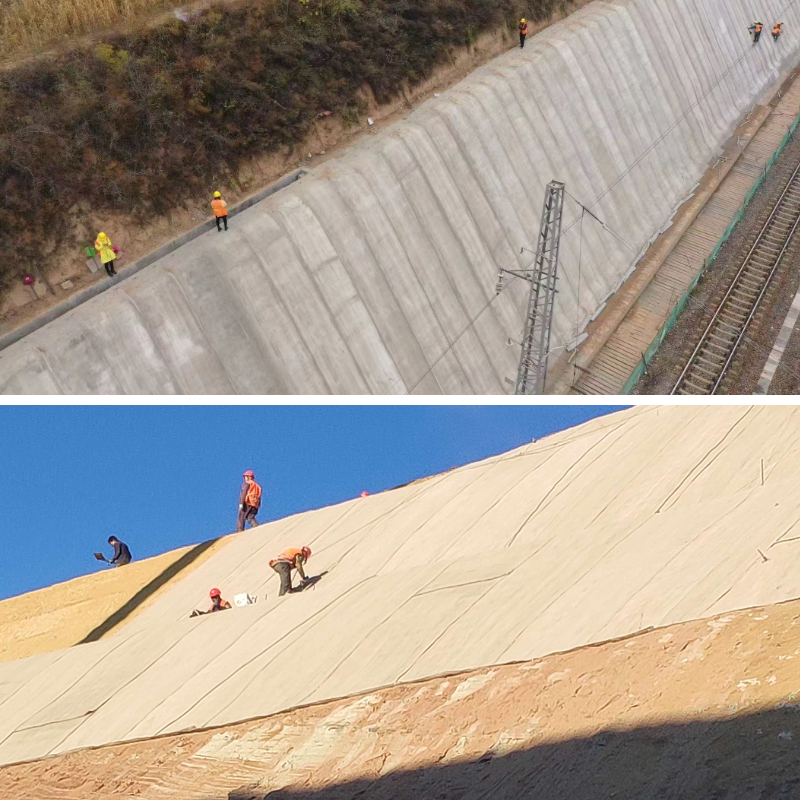
Slope reinforcement: Cement blankets are laid on high and steep slopes on both sides of highways and railways to prevent landslides caused by rainwater erosion, especially suitable for mountainous sections with complex geological conditions.
Drainage ditch and side ditch lining: replaces mortar masonry or precast concrete slabs, adapts to the irregular direction of the ditch, and reduces the construction period (traditional construction of a 100 meter side ditch takes 3 days, while cement blanket only takes 6-8 hours).
Municipal drainage and water scenery
Urban rainwater pipe network and rainwater garden: Cement blanket is used as an anti-seepage layer to solve the problems of pipe network interface leakage and garden water accumulation, and the construction has little impact on surrounding traffic.
Artificial lakes and landscape water pools: After laying cement blankets at the bottom of the pool, there is no need to add an additional waterproof layer. After curing, the surface is flat and smooth, combining waterproofing and aesthetics, suitable for landscape projects such as parks and residential areas.
3. Agriculture and Ecology
Breeding and planting facilities
Anti seepage measures for aquaculture ponds: Cement blankets are laid in fish ponds, shrimp ponds, reservoirs, etc. to prevent water leakage and soil pollutant infiltration, while reducing the difficulty of dredging the pond bottom and improving aquaculture efficiency.
Terraced Fields and Farmland Consolidation: Lay cement blankets on the terraced ridges to enhance erosion resistance, reduce soil erosion, and ensure the quality of cultivated land.
Ecological restoration project
Mine greening: Laying cement blankets on the slope of the mine to fix the surface soil, and then covering the soil with vegetation to accelerate ecological restoration.
Wetland protection: used for wetland edge seepage prevention and terrain shaping, avoiding water loss, and maintaining wetland ecosystem balance.
4. Emergency and temporary works
Disaster emergency repair
Temporary roads after earthquakes and floods: Quickly lay cement blankets as the base layer of the road surface, which can support small vehicles after solidification and ensure smooth rescue channels.
Temporary housing and warehouse: fix the cement blanket on a simple frame, water it to solidify and form walls and roofs, with certain wind and rain resistance, suitable for temporary resettlement after disasters.
Temporary facility construction
Construction access road: Temporary roads such as construction sites and mines are paved with cement blankets to reduce dust and can be reused (after demolition, they can be transferred to new sites).
Temporary retaining wall: used for material isolation and earthwork enclosure on construction sites, with convenient construction and lower cost than traditional masonry.
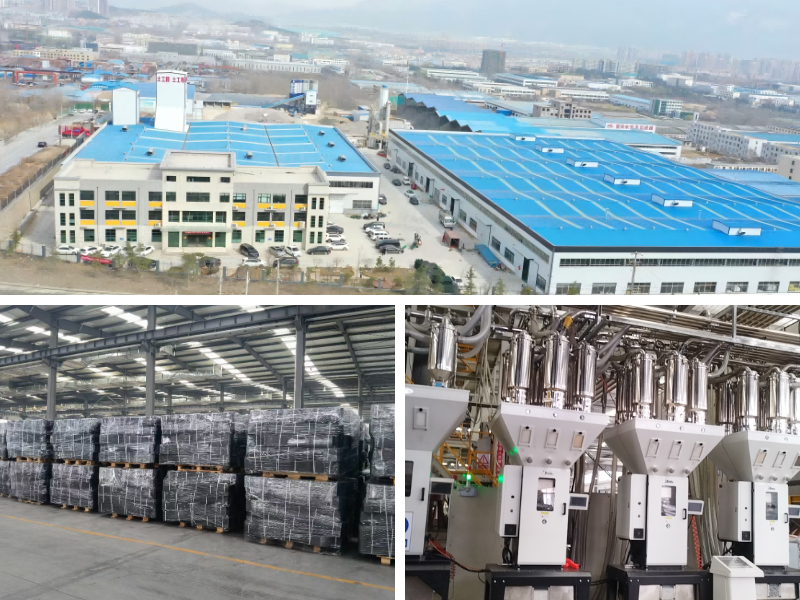
Cement blanket, with the innovative concept of "flexible concrete", breaks through the limitations of traditional materials and performs excellently in efficiency, cost, environmental protection, and adaptability. Its application scenarios cover multiple fields such as infrastructure, ecological restoration, and industrial protection, making it particularly suitable for projects that require high construction speed and environmental adaptability. With technological iteration, cement blankets are expected to play a greater role in intelligent construction and green engineering, becoming one of the benchmarks for modern building materials.