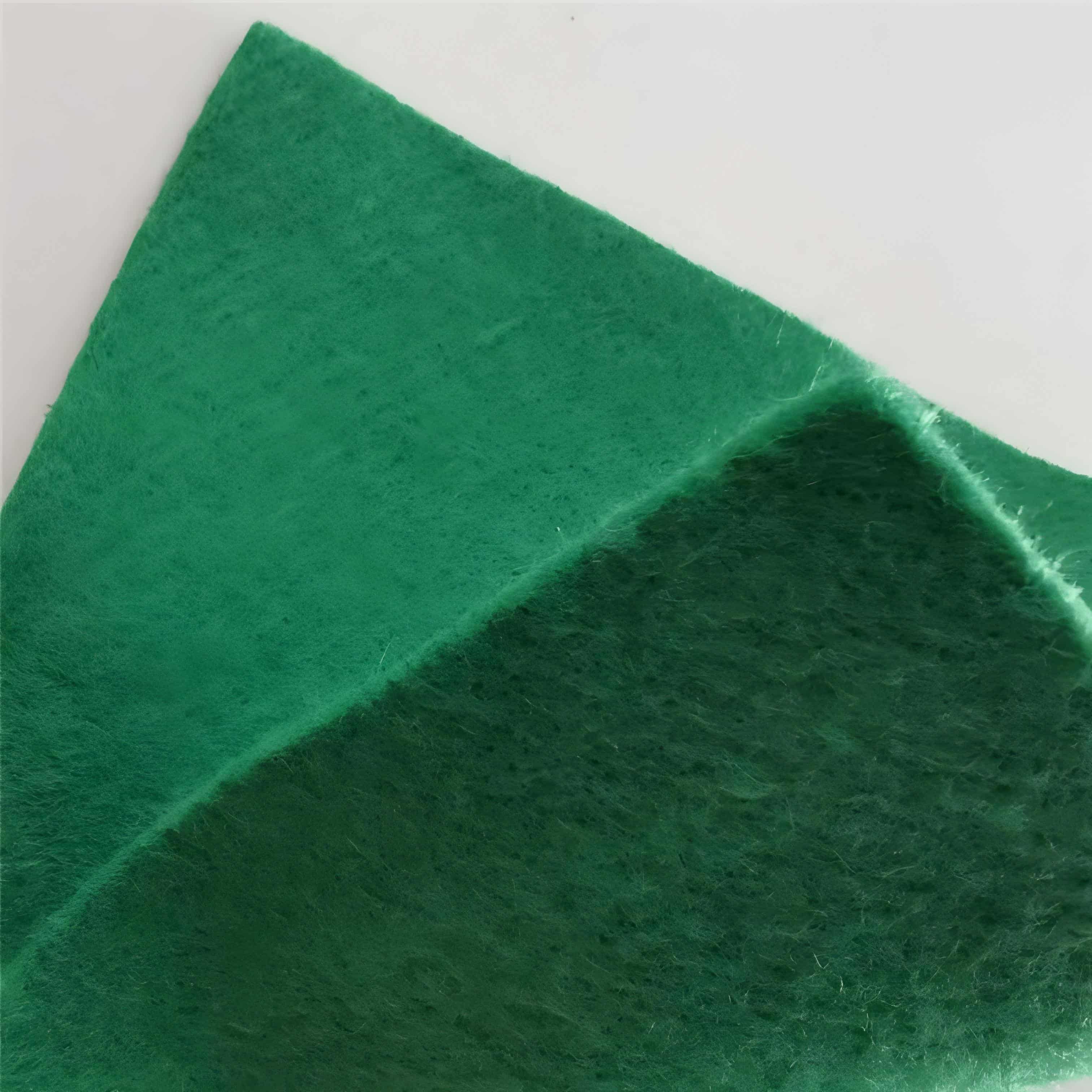
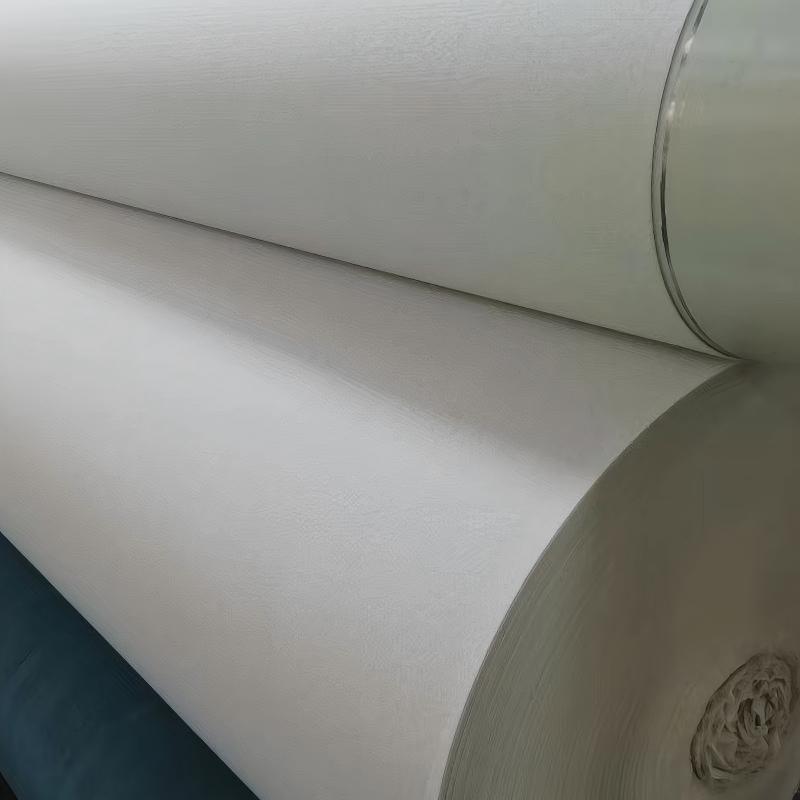
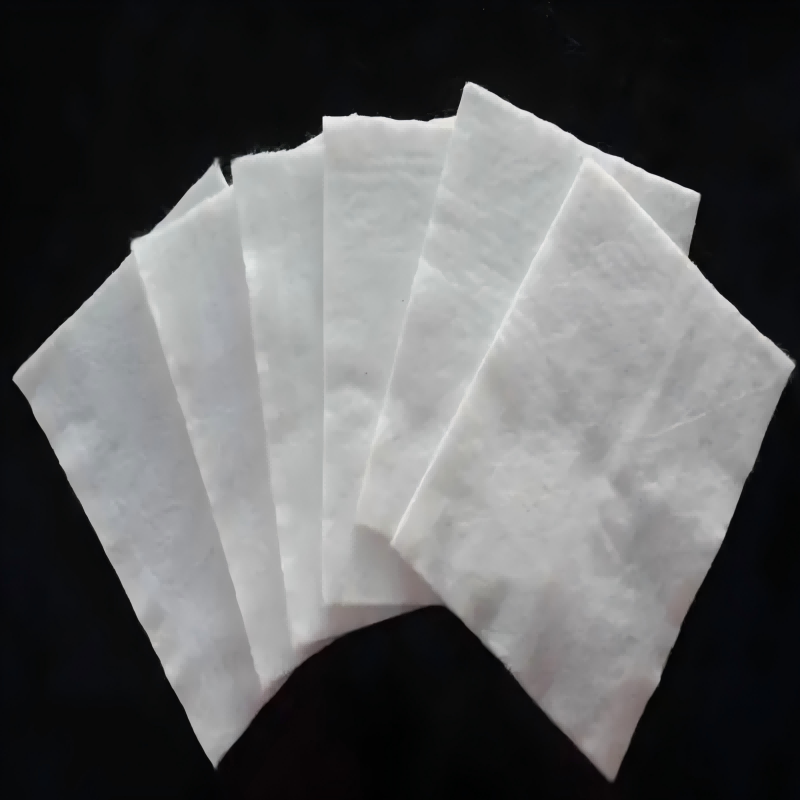
Geotextile Mesh
1. Strong permeability and efficient drainage:It can quickly discharge water while blocking soil particle loss, avoiding blockage of drainage systems, and maintaining smooth drainage of engineering structures such as roadbeds and dams.
2. Enhance structural stability:Good tensile and tear resistance, can disperse soil stress, enhance the bearing capacity of structures such as foundations and pavements, and reduce settlement or deformation.
3. Outstanding weather resistance and durability:Resistant to acid and alkali, corrosion-resistant, able to adapt to various harsh environments such as humidity, high temperature, and cold, with a long service life and reduced maintenance costs in the later stage.
4. Convenient construction and strong adaptability:Lightweight, easy to cut, suitable for laying on various irregular terrains, simple to operate, and can significantly accelerate project progress.
5. High cost-effectiveness:The material cost is moderate and can reduce the use of traditional materials such as sand and gravel, resulting in better long-term comprehensive benefits.
Product Introduction
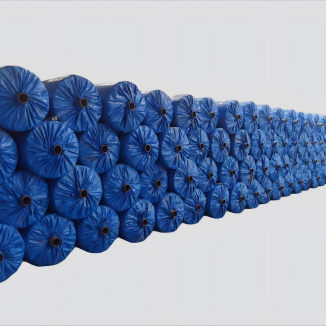
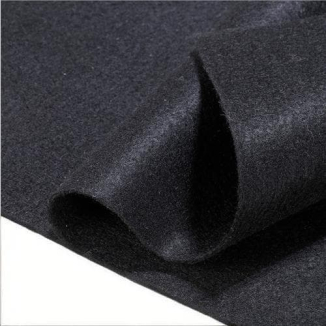
Geotextile Mesh, is a permeable geosynthetic material made by needle punching or weaving synthetic fibers, and the finished product is in the form of a cloth. Common widths are 4-6 meters and lengths are 50-100 meters, divided into woven geotextiles and non-woven geotextiles.
CHARACTERISTICS
High strength: Made of plastic fibers, it can maintain good strength and elongation in both dry and wet environments, and can withstand large tensile and deformation forces. For example, in road subgrade reinforcement, it can effectively enhance the bearing capacity of the subgrade.
Corrosion resistance: It can withstand long-term corrosion in soil and water with different acidity and alkalinity, and is suitable for engineering in special environments such as chemical pollution areas and saline alkali land.
Good permeability: There are gaps between the fibers, which provide excellent water permeability and allow water to pass smoothly while preventing soil particle loss. Like in dam drainage, it can timely discharge internal accumulated water to ensure the safety of the dam.
Good antimicrobial properties: not easily damaged by microorganisms or insects, and can maintain stable performance even in humid and organic rich environments.
Convenient construction: The material is light and flexible, easy to transport and lay, and can reduce construction difficulty and labor costs.
Complete specifications: with a width of up to 9 meters and a unit area mass of 100-1000g/m ², it can meet different project scales and design requirements.
Product function
Isolation: Isolate building materials with different physical properties (such as particle size, consistency, density, etc.), such as soil and sand particles, soil and concrete, to maintain the overall structure and function of the material and enhance the load-bearing capacity of the structure. For example, in road engineering, subgrade soil and base materials can be isolated.
Filtration (reverse filtration): When water flows from the fine soil layer into the coarse soil layer, good air permeability and permeability are utilized to allow water to pass through, intercepting soil particles, fine sand, small stones, etc., and maintaining the stability of water and soil engineering. Commonly used for filter layers in water wells, relief wells, or inclined pressure pipes.
Drainage: It can form drainage channels inside the soil to discharge excess liquids and gases from the soil structure. In underground engineering, timely drainage of seepage is necessary to prevent water accumulation from causing damage to the structure.
Reinforcement: Enhance the tensile strength and deformation resistance of soil, improve soil quality, and enhance the stability of building structures. Commonly used for reinforcing railway and highway roadbeds.
Protection: When water flows over the soil, it disperses, transmits, or decomposes concentrated stress to prevent external damage and protect the soil. For example, in the slope protection of river embankments, it can resist the erosion of water flow.
Anti puncture: Combined with geomembrane to form a composite waterproof and anti-seepage material, it plays a role in preventing puncture and protecting the geomembrane from sharp objects.
Product Parameters
project | metric | ||||||||||
Nominal strength/(kN/m) | |||||||||||
6 | 9 | 12 | 18 | 24 | 30 | 36 | 48 | 54 | |||
1 | Longitudinal and transverse tensile strength / (kN/m) ≥ | 6 | 9 | 12 | 18 | 24 | 30 | 36 | 48 | 54 | |
2 | Maximum elongation at maximum load in longitudinal and transverse directions/% | 30~80 | |||||||||
3 | CBR top penetration strength /kN ≥ | 0.9 | 1.6 | 1.9 | 2.9 | 3.9 | 5.3 | 6.4 | 7.9 | 8.5 | |
4 | Longitudinal and transverse tearing strength /kN | 0.15 | 0.22 | 0.29 | 0.43 | 0.57 | 0.71 | 0.83 | 1.1 | 1.25 | |
5 | Equivalent aperture O.90(O95)/mm | 0.05~0.30 | |||||||||
6 | Vertical permeability coefficient/(cm/s) | K× (10-¹~10-), where K=1.0~9.9 | |||||||||
7 | Width deviation rate /% ≥ | -0.5 | |||||||||
8 | Unit area mass deviation rate /% ≥ | -5 | |||||||||
9 | Thickness deviation rate /% ≥ | -10 | |||||||||
10 | Thickness coefficient of variation (CV)/% ≤ | 10 | |||||||||
11 | Dynamic perforation | Puncture hole diameter/mm ≤ | 37 | 33 | 27 | 20 | 17 | 14 | 11 | 9 | 7 |
12 | Longitudinal and transverse fracture strength (grab method)/kN ≥ | 0.3 | 0.5 | 0.7 | 1.1 | 1.4 | 1.9 | 2.4 | 3 | 3.5 | |
13 | Ultraviolet resistance (Xenon arc lamp method) | Longitudinal and transverse strength retention rate% ≥ | 70 | ||||||||
14 | Ultraviolet resistance (fluorescence UV lamp method) | Longitudinal and transverse strength retention rate% ≥ | 80 | ||||||||
Product Application
Water conservancy engineering
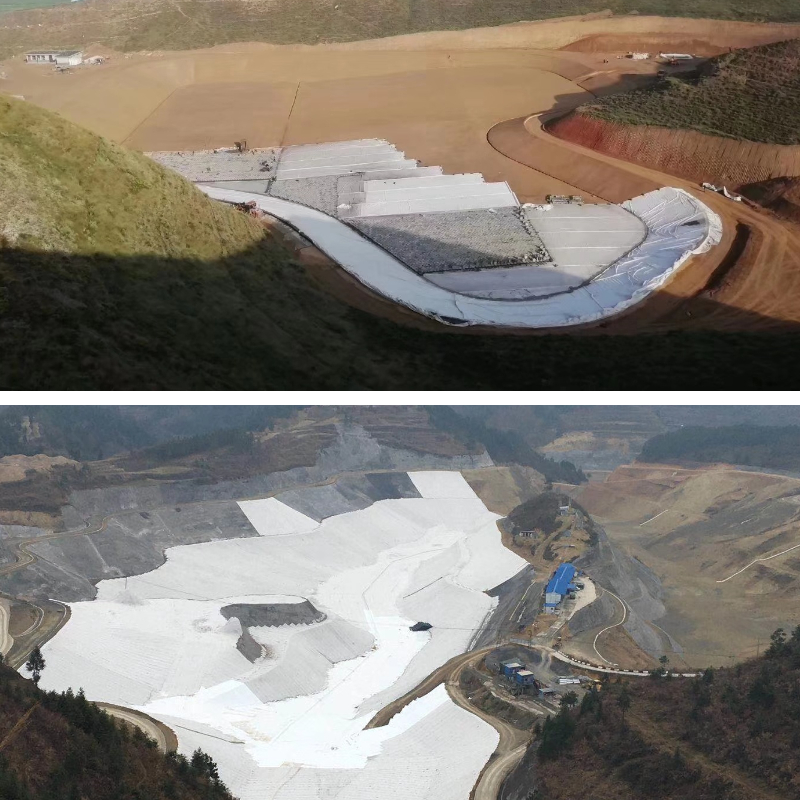
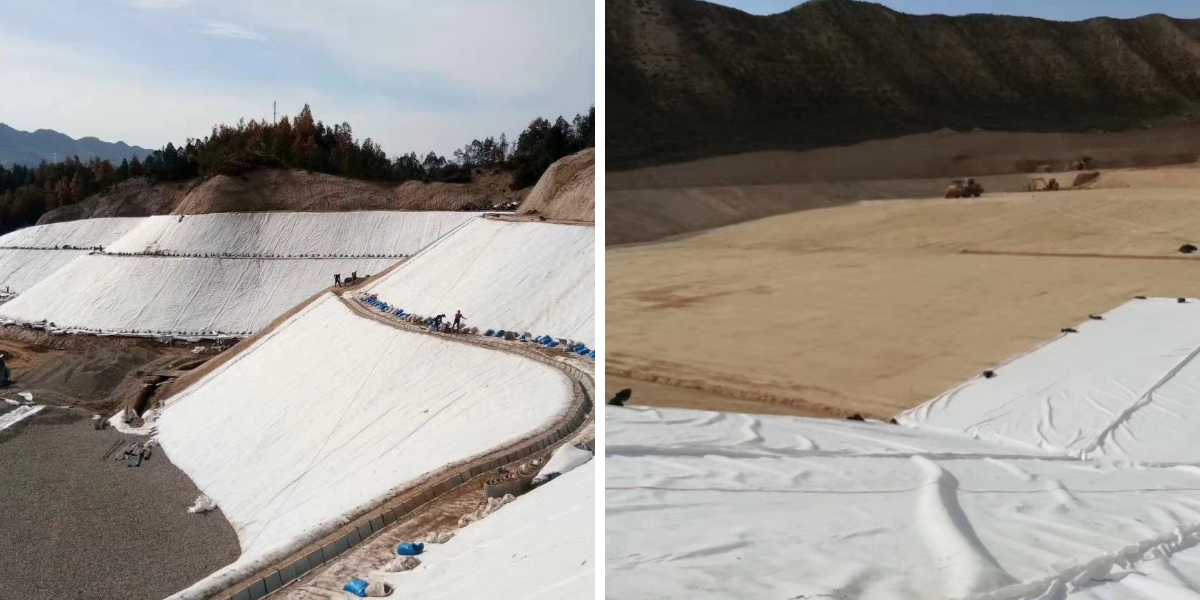
The anti filtration drainage of dams and rivers prevents the loss of soil particles and discharges seepage water to ensure the stability of dams; Slope protection for reservoirs and channels to resist water erosion and reduce soil erosion.
Transportation Engineering
Strengthening the roadbed of highways and railways to enhance the bearing capacity of the foundation and reduce settlement deformation; The isolation between the base and surface layers of the road surface prevents the mixing of different materials and extends the service life of the road surface.
Environmental Protection Engineering
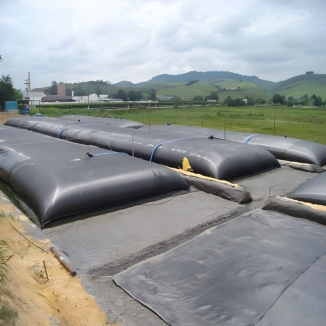
The filter layer of the landfill site isolates the garbage from the soil and discharges the leachate at the same time; The sedimentation tank and oxidation tank liners of the sewage treatment plant assist in filtration and anti-seepage protection.
Municipal and Construction Engineering
The drainage layer of the underground garage and basement can quickly drain water seepage and prevent water accumulation; Building foundation treatment, improving soil structure, and enhancing foundation stability.
Agricultural Engineering
The anti-seepage and drainage of irrigation channels can improve the efficiency of water resource utilization; Grass prevention and moisture retention in greenhouses and farmland to assist crop growth.
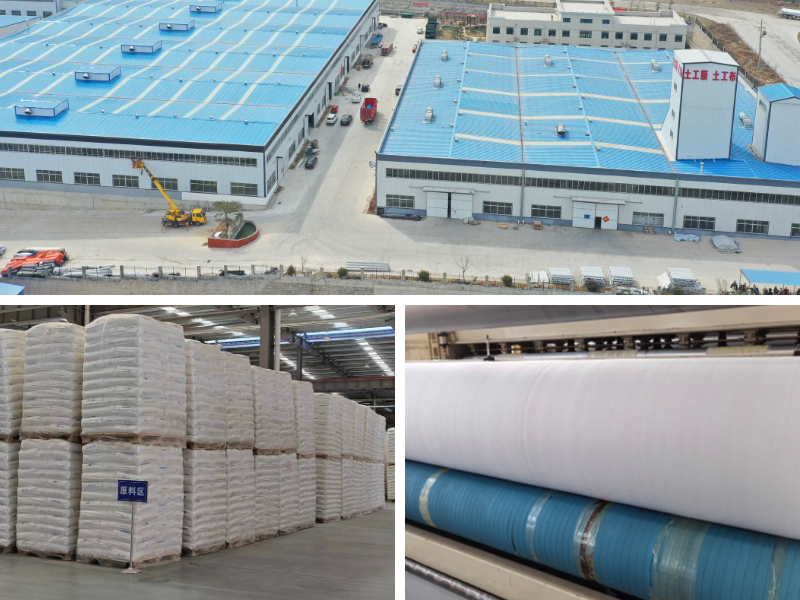
Geotextiles play a key role in fields such as water conservancy, transportation, environmental protection, municipal engineering, and agriculture due to their characteristics of permeability, reinforcement, and isolation. They can optimize the performance of engineering structures and reduce maintenance costs, making them an important material for improving the stability and durability of various engineering projects.