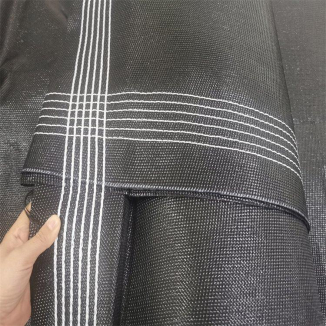
What is a Composite Geomembrane? The Advantages of a Geotextile-Backed Liner System
When you need reliable containment for water, chemicals, or waste, choosing the right liner is critical. A composite geomembrane combines a polymeric membrane—often HDPE—with a geotextile backing, creating a unified lining system that outperforms standard single-layer liners. In this article, we’ll explore what makes composite geomembranes so effective, and why a geotextile-backed liner system offers significant advantages for projects ranging from ponds to industrial tanks. You’ll also learn how hdpe lining for ponds, impervious geomembrane technology, and hdpe tank lining solutions can benefit from this advanced design.
Understanding Composite Geomembranes
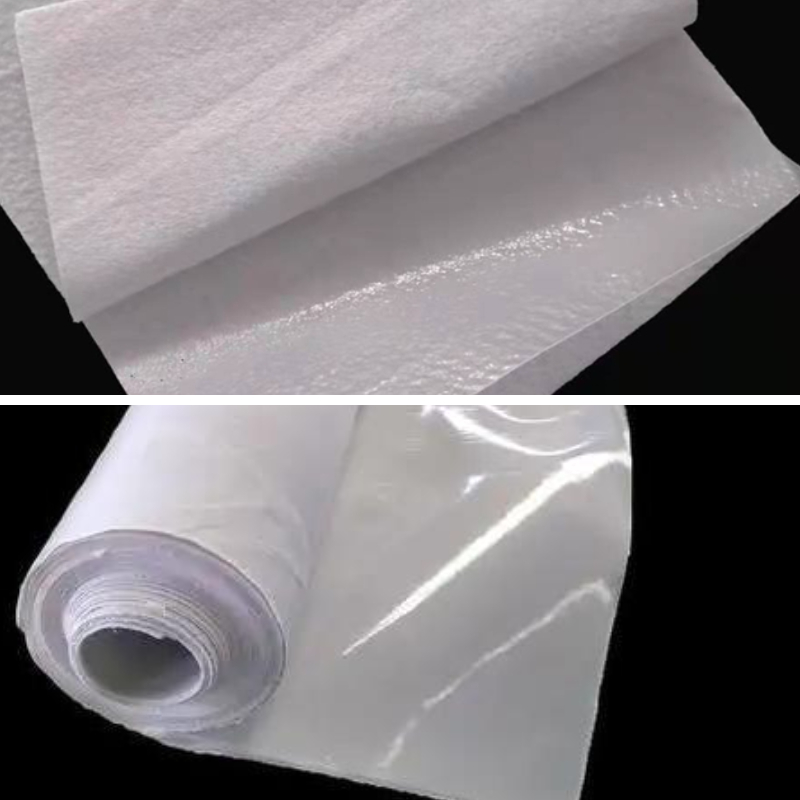
A composite geomembrane is a factory-fabricated or field-assembled liner consisting of two primary components: a flexible geomembrane sheet (typically HDPE, LLDPE, or PVC) and a geotextile fabric bonded to one or both sides. The geotextile can be woven or non-woven, and it is attached through thermal lamination, adhesive bonding, or extrusion coating.
This combination creates a product that is far more than the sum of its parts. The geomembrane provides a continuous, low-permeability barrier against fluid migration, while the geotextile adds mechanical protection, drainage capability, and improved friction characteristics. For instance, when using hdpe lining for ponds, the geotextile backing prevents puncture from sharp stones or roots, extending the liner’s service life.
Composite geomembranes are widely specified in environmental, geotechnical, and hydraulic engineering projects. They are available in various thicknesses (typically 0.5 mm to 3.0 mm) and roll widths to minimize field seams. Their flexibility allows them to conform to uneven subgrades, making them ideal for both new construction and retrofitting existing containment structures.
The Role of Geotextile Backing in Liner Systems
The geotextile backing is not just a passive layer; it actively improves the overall performance of the liner system. In a geotextile-backed liner, the fabric serves several critical functions:
Puncture and tear protection – The geotextile absorbs and distributes localized stresses from overlying materials or subgrade irregularities.
Separation – It prevents intermixing between the geomembrane and adjacent soils or drainage layers.
Filtration and drainage – Non-woven geotextiles allow water to pass while retaining fine soil particles, reducing hydrostatic buildup behind the liner.
Friction enhancement – The fabric increases the interface friction angle between the liner and adjacent materials, which is vital for slope stability.
For example, when installing hdpe tank lining inside a steel or concrete tank, a geotextile backing cushions the HDPE against rough surfaces and allows minor thermal expansion without abrasion. Similarly, in lagoon applications, the backing prevents uplift from gas pressure by providing a path for venting.
Without a geotextile backing, a standalone geomembrane relies entirely on the subgrade preparation and protective cover layers—which are often inconsistently applied. With a composite geomembrane, you get built-in protection that reduces installation errors and long-term risks.
Key Advantages of a Geotextile-Backed Liner System
Superior Puncture and Tear Resistance
One of the most compelling motives to select a composite geomembrane is its stronger resistance to punctures and tears. During set up and over the provider life, the liner can also be subjected to factor hundreds from gravel, debris, or gear traffic. The geotextile backing acts as a stress-relief layer, spreading the pressure over a large vicinity and stopping the geomembrane from accomplishing its yield point.
This is mainly essential for hdpe lining for ponds that are constructed in rocky or uneven terrain. Even with cautious subgrade preparation, small sharp objects can remain. The composite shape ensures that the secure geomembrane stays intact, preserving zero leakage for decades. Independent checking out has proven that composite geomembranes face up to considerably greater puncture forces than naked geomembranes of the equal thickness.
Enhanced Friction and Slope Stability
Slope steadiness is a primary challenge for lined ponds, landfills, and canal embankments. A clean geomembrane on a steep slope can slide underneath the weight of overlying soil or water. The geotextile backing dramatically will increase the interface friction attitude between the liner and the subgrade (or between the liner and a cowl soil). For non-woven geotextiles, the friction attitude can exceed 30 degrees, permitting protected slopes up to 1:1 (45°) barring interior reinforcement.
When you specify a composite geomembrane, you minimize the want for extra anchoring trenches or geogrids. This interprets at once into decrease excavation prices and quicker construction. In functions like hdpe tank lining for above-ground tanks, the elevated friction maintains the liner in region in opposition to the tank wall at some stage in thermal biking and hydraulic stress changes.
Simplified Installation and Cost Savings
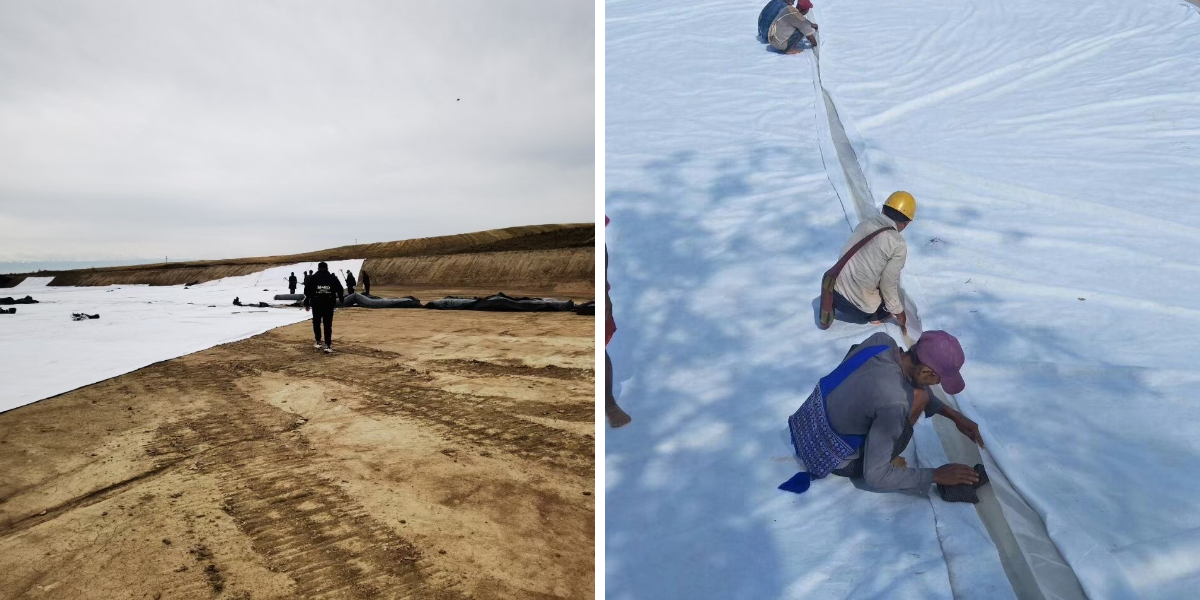
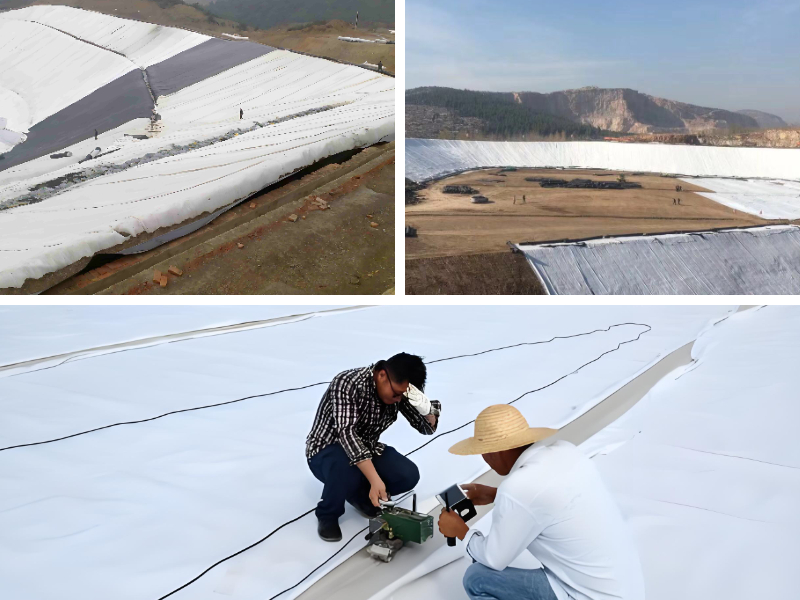
Installing a separate geomembrane and geotextile layer requires two rolls, two deployment crews, and cautious alignment to keep away from wrinkles or gaps. A composite geomembrane combines each features in a single roll, reducing set up time by using up to 40%. Field seaming is additionally easier due to the fact solely the geomembrane edges want to be welded; the geotextile backing is both trimmed or overlapped in accordance to producer guidelines.
Labor financial savings are substantial, in particular for large-area initiatives such as hdpe lining for ponds spanning numerous acres. Additionally, you cast off the hazard of putting the geotextile incorrectly (e.g., on the incorrect aspect of the liner). The factory-bonded interface ensures regular quality. While the upfront fabric price of a composite geomembrane can also be barely greater than shopping for separate components, the whole established fee is frequently decrease due to decreased labor, fewer first-rate manipulate tests, and less required subgrade preparation.
Improved Hydraulic Performance (Drainage)
In many containment systems, water or fuel can accumulate at the back of the liner. This is frequent in landfill caps, canal linings, and below-watertable ponds. A geotextile backing with sufficient permeability acts as a drainage layer, relieving pore strain that ought to in any other case motive liner blistering or uplift failure. Non-woven geotextiles usually have an in-plane permeability of 10⁻² to 10⁻¹ cm/s, which is ample to channel beverages to series points.
For hdpe tank lining in chemical storage, the backing additionally lets in any minor leakage from the predominant barrier to be detected by using an intermediate monitoring layer—a key requirement for secondary containment systems. Thus, an impenetrable geomembrane with a geotextile backing is no longer just a barrier; it’s an energetic aspect of a leak detection and drainage network.
Common Applications of Composite Geomembranes
Thanks to their versatility, composite geomembranes are used throughout many industries:
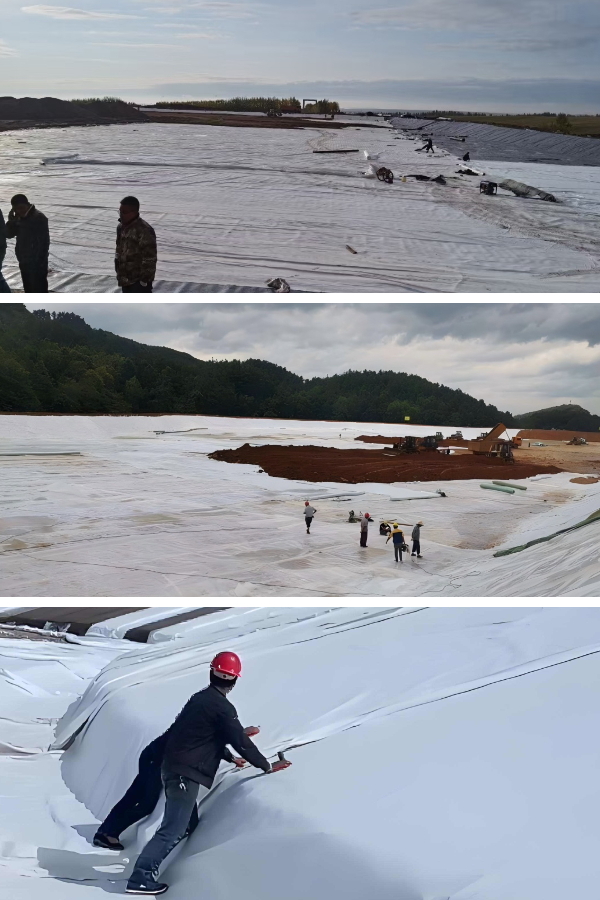
Agricultural ponds and reservoirs – HDPE lining for ponds prevents seepage, conserves water, and protects groundwater from fertilizer runoff. The geotextile backing resists root penetration and animal damage.
Industrial tank linings – HDPE tank lining internal chemical storage tanks, secondary containment berms, and system pits. The backing permits for thermal motion and resists chemical attack.
Landfills – Bottom liners and cowl systems. Composite geomembranes with an tightly closed geomembrane core meet EPA and EU landfill directives for low hydraulic conductivity (≤ 1×10⁻¹² m/s).
Mining heap leach pads – The composite diagram handles heavy hundreds from ore and presents acid-resistant containment.
Canals and irrigation channels – Reduces water loss and prevents erosion, with the backing enhancing subgrade adhesion.
Stormwater detention basins – Prevents infiltration into contaminated soils whilst permitting handy cleansing of the liner surface.
Each of these functions advantages from the synergy of geomembrane and geotextile—especially the place long-term sturdiness and low preservation are required.
Why Choose an Impervious Geomembrane for Containment?
An tightly closed geomembrane is described through its extraordinarily low permeability, normally much less than 1×10⁻¹² m/s for HDPE materials. This makes it the desired preference for hazardous and non-hazardous liquid containment. When that geomembrane is backed with the aid of a geotextile, the usual gadget turns into even greater reliable.
First, the geotextile protects the geomembrane from bodily harm all through and after installation, making sure that the intrinsic impermeability is in no way compromised. Second, the composite shape reduces the danger of leaks at interface factors (e.g., seams, penetrations) due to the fact the backing provides structural integrity. Third, for initiatives requiring secondary containment, the geotextile can serve as a leak detection medium between two geomembrane layers.
For example, a double-lined gas storage tank the use of hdpe tank lining with geotextile-backed fundamental and secondary liners affords failsafe containment. Any leak from the internal liner is captured and detected in the geotextile drainage layer, stopping soil or groundwater contamination. This plan is increasingly more mandated by means of environmental guidelines worldwide.
Even for easy functions like farm ponds, the usage of an invulnerable geomembrane with a geotextile backing ability you can safely keep water besides dropping heaps of gallons per acre per day to seepage. The funding will pay for itself inside one or two developing seasons.
Installation Tips for Composite Geomembranes
To maximize the advantages of a geotextile-backed liner system, comply with these first-class practices:
Subgrade guidance – Remove sharp rocks, roots, and debris. Compact the soil to 90% wellknown Proctor density. For hdpe lining for ponds, a 4–6 inch sand cushion layer is non-compulsory however advocated when the use of a composite geomembrane.
Unrolling and positioning – Unroll the composite geomembrane with the geotextile dealing with the subgrade (or going through the cowl soil, relying on design). Avoid dragging the liner over hard surfaces.
Seaming – Only the geomembrane edges require welding. Use a dual-track fusion welder for HDPE. After welding, take a look at seams by using air strain or vacuum. The geotextile backing does now not want seaming; it can be overlapped by means of 2–4 inches.
Anchoring – For slope tops, dig an anchor trench (1 toes × 1 ft) and backfill with compacted soil. The geotextile backing helps preserve the liner in the trench.
Protection cowl – For uncovered liners, no cowl is needed. For buried liners, region a minimal 6-inch soil cowl or a shielding geotextile on top. Avoid direct contact with coarse mixture except a cushion layer is used.
Remember that a composite geomembrane is now not a “set and forget” product. Regular inspection for punctures or seam failures—especially after intense weather—will prolong its lifestyles past 50 years.
Conclusion
A composite geomembrane with geotextile backing represents the nation of the artwork in lining technology. It combines the absolute barrier of an invulnerable geomembrane with the mechanical strength, drainage, and friction advantages of a geotextile. Whether you are designing hdpe lining for ponds for agricultural storage, specifying hdpe tank lining for industrial chemicals, or constructing a landfill cell, this dual-layer gadget offers most reliable puncture resistance, slope stability, set up efficiency, and long-term reliability.
By deciding on a geotextile-backed liner system, you are no longer simply shopping for a geomembrane—you are investing in peace of mind. Reduced leakage, decrease upkeep costs, and compliance with environmental requirements all observe naturally. For your subsequent containment project, ask for a composite geomembrane and ride the distinction that clever engineering makes.
Contact Us
Company Name: Shandong Chuangwei New Materials Co., LTD
Contact Person :Jaden Sylvan
Contact Number :+86 19305485668
WhatsApp:+86 19305485668
Enterprise Email: cggeosynthetics@gmail.com
Enterprise Address: Entrepreneurship Park, Dayue District, Tai 'an City,
Shandong Province