HDPE Membrane Sheet
1.Exceptional Impermeability Performance:The permeability coefficient is ≤10⁻¹¹ cm/s (1,000 times lower than clay), effectively preventing liquid leakage.
2.Strong Chemical Resistance:Resistant to corrosion, acids, alkalis, salts, oil, and other chemical substances, ensuring a long service life.
3.High Strength and Durability:Capable of withstanding foundation settlement and soil pressure, avoiding cracking.
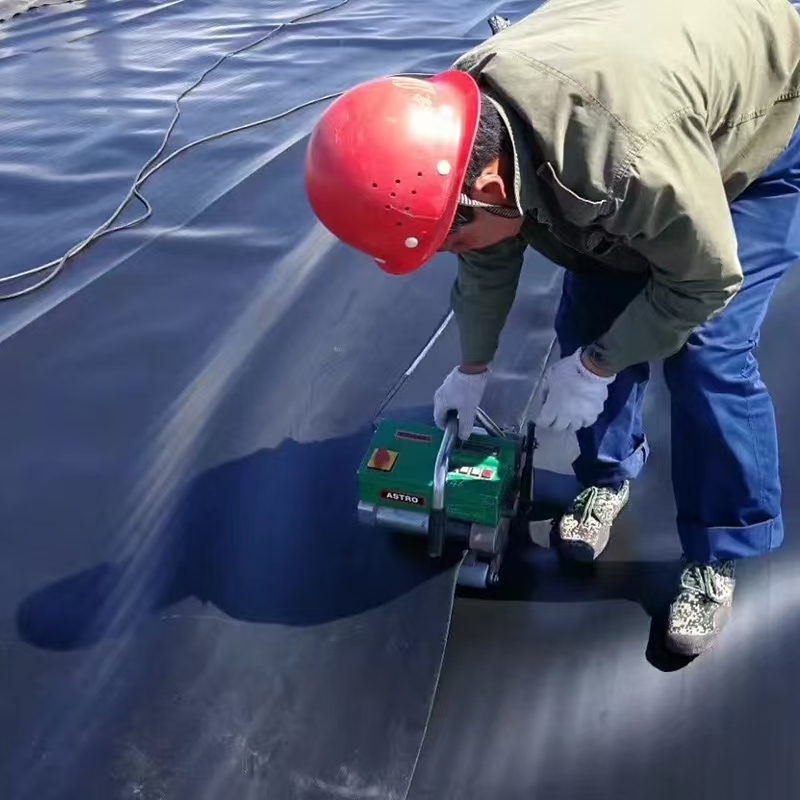
4.Convenient and Efficient Construction:Lightweight for easy manual handling, reducing construction difficulty. High flexibility allows it to conform to curved surfaces and slopes, minimizing splicing challenges.
Product Introduction:
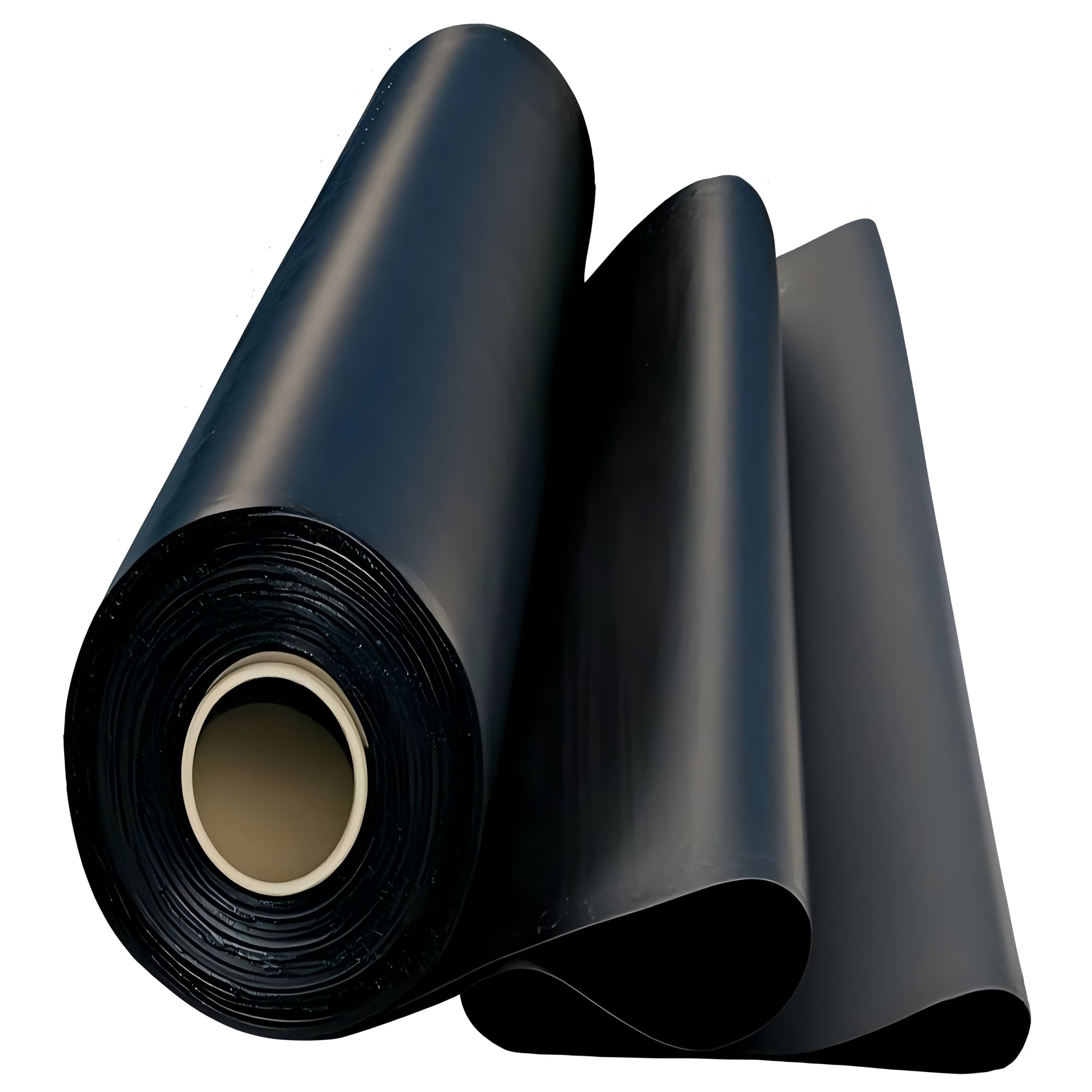
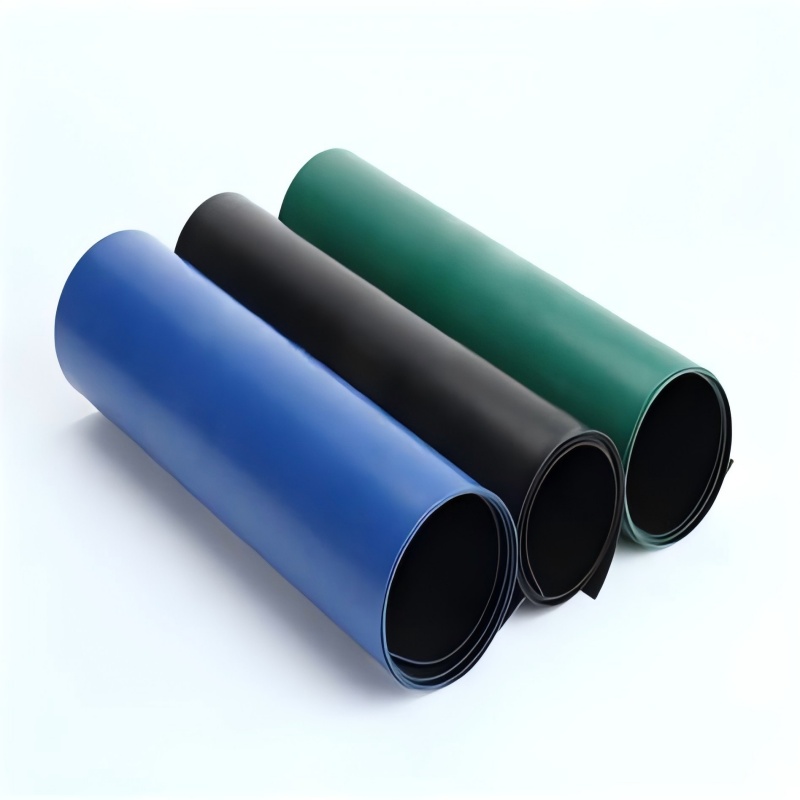
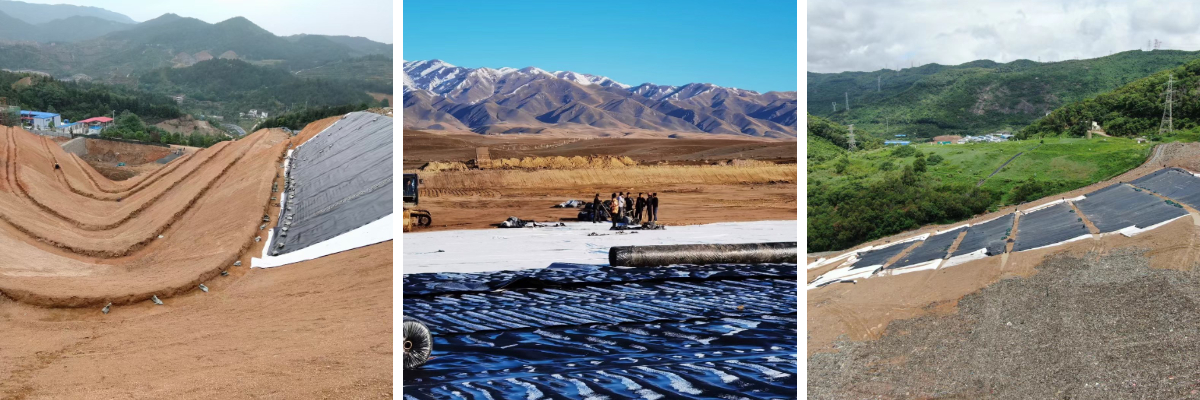
HDPE Membrane Sheet is a high-quality waterproof and anti-seepage plastic sheet made of pure high-density polyethylene raw material. It is usually black in color, available in both smooth and textured surface styles, and comes in multiple thickness sizes to fit different project needs. This material is very good at preventing water leakage, resistant to sunlight aging, cold weather, acid, alkali and all kinds of chemical corrosion. It is strong, flexible, not easy to break, tear or be pierced by sharp objects, and can keep stable for decades even in outdoor and harsh environments. It is widely used for landfill sites, sewage treatment pools, reservoirs, artificial lakes, river slope protection, fish and shrimp breeding ponds, mine tailing ponds, chemical factory anti-leakage projects, as well as tunnel and underground building waterproofing. The sheet is easy to cut and install, can be tightly welded together, works reliably for a long time, and is a practical and cost-effective choice for all kinds of anti-seepage and waterproof projects.
Product Parameters:
| Metric | ASTM | unit | Test value | Minimum test frequency | ||||||
| test method | 0.75 mm | 1.00 mm | 1.25 mm | 1.50 mm | 2.00 mm | 2.50mm | 3.00 mm | |||
| Minimum average thickness | D5199 | mm | 0.75 | 1 | 1.25 | 1.5 | 2 | 2.5 | 3 | Per volume |
| Minimum value (any one of 10) | -10% | -10% | -10% | -10% | -10% | -10% | -10% | |||
| minimum density | D 1505/D 792 | g/cm3 | 0.94 | 0.94 | 0.94 | 0.94 | 0.94 | 0.94 | 0.94 | 90,000 kg |
| Minimum average tensile performance (1) | D638 Type IV | |||||||||
| Breakage strength, | N/mm | 20 | 27 | 33 | 40 | 53 | 67 | 80 | 9,000 kg | |
| yield strength | N/mm | 11 | 15 | 18 | 22 | 29 | 37 | 44 | ||
| Strain extension, | % | 700 | 700 | 700 | 700 | 700 | 700 | 700 | ||
| yield extension | % | 12 | 12 | 12 | 12 | 12 | 12 | 12 | ||
| Minimum strength of right-angle tear | D 1004 | N | 93 | 125 | 156 | 187 | 249 | 311 | 374 | 20,000 kg |
| Minimum puncture strength | D4833 | N | 240 | 320 | 400 | 480 | 640 | 800 | 960 | 20,000 kg |
| Constant tensile load stress cracking (2) | D5397 | hour | 300 | 300 | 300 | 300 | 300 | 300 | 300 | Based on GRI GM-10 |
| Carbon black content | D 1603(3) | % | 2.0-3.0 | 2.0-3.0 | 2.0-3.0 | 2.0-3.0 | 2.0-3.0 | 2.0-3.0 | 2.0-3.0 | 9,000 kg |
| Carbon black dispersion | D5596 | Note (4) | Note (4) | Note (4) | Note (4) | Note (4) | Note (4) | Note (4) | 20,000 kg | |
| Oxygen induction time (OIT) (5) | 90,000 kg | |||||||||
| (a) Standard OIT | D3895 | minute | 100 | 100 | 100 | 100 | 100 | 100 | 100 | |
| (b) high-handed OIT | D5885 | minute | 400 | 400 | 400 | 400 | 400 | 400 | 400 | |
| 85℃ Oven aging (minimum average) (5)(6) | Per formula | |||||||||
| (A) Standard OIT is retained after 90 days | D 5721 | % | 55 | 55 | 55 | 55 | 55 | 55 | 55 | |
| (B) High voltage OIT is retained for 90 days | D 3895 D5885 | % | 80 | 80 | 80 | 80 | 80 | 80 | 80 | |
| Ultraviolet resistance (7) | Per formula | |||||||||
| (a) standard OIT | D3895 | Note (8) 50 | ||||||||
| (b) Retention of high pressure OIT after 1600 hours (9) | D5885 | % | ||||||||
Product Applications:
Geosynthetics, with their excellent properties of seepage prevention, isolation, protection, filtration, and corrosion resistance, are now widely used in various aquaculture scenarios. They have become an indispensable basic building material for standardized pond renovation, elevated pond aquaculture, saline-alkali land aquaculture, and factory farming, fundamentally solving industry pain points such as leakage in traditional earthen ponds, unstable water quality, silt-related diseases, and difficulty in pond cleaning.
In ordinary freshwater fish and shrimp aquaculture ponds, HDPE geomembranes combined with geotextiles are the mainstream application method. Laying geosynthetic seepage prevention materials throughout the pond bottom and slopes can completely block water seepage into the ground, significantly saving water resources and reducing daily water replenishment costs. Simultaneously, it can isolate the bottom soil, preventing the continuous churning of silt from polluting the water, reducing water turbidity, creating a stable and clean aquatic environment for fish growth, and greatly simplifying pond cleaning and drying processes, shortening the pond emptying cycle, and improving pond restocking efficiency.
In the field of elevated pond aquaculture of crustaceans such as Litopenaeus vannamei and mud crabs, the advantages of geosynthetics are particularly prominent. Thickened, puncture-resistant HDPE geomembrane is used to line the pond, resisting puncture damage from shrimp and crab claws and hard shells. It also stabilizes water salinity, preventing salt or impurities from the surrounding soil from seeping into the pond. The smooth membrane surface is less prone to bacterial growth and the accumulation of uneaten feed and feces, effectively reducing the probability of pathogenic bacteria such as Vibrio and decreasing the incidence of aquatic diseases. It can also be used as an escape-prevention barrier to prevent shrimp and crabs from escaping and causing losses.
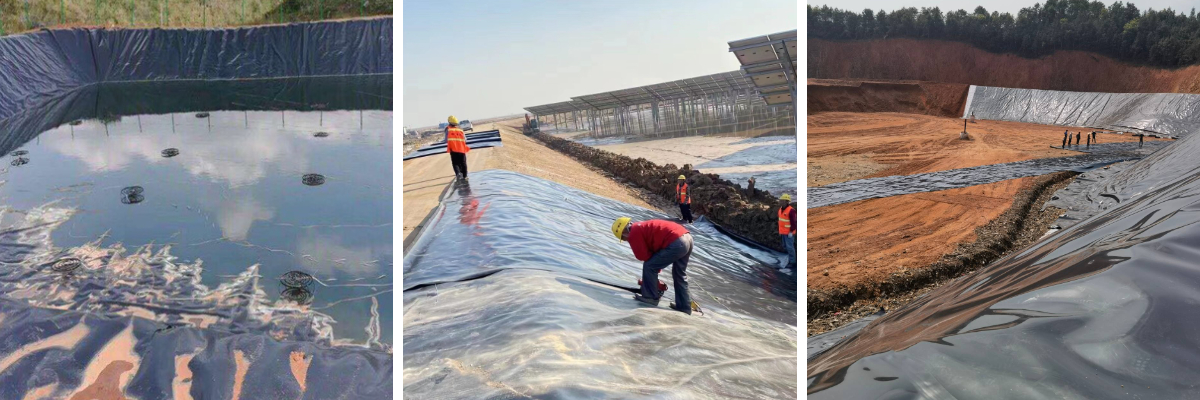
For specialized aquaculture such as soft-shelled turtles, eels, loaches, and bullfrogs, geotextile materials play a crucial role in preventing escape and facilitating management. These aquatic creatures are adept at burrowing and digging tunnels to escape; laying an impermeable geomembrane throughout the pond blocks their escape routes, significantly reducing aquaculture losses. Furthermore, the membrane-covered pond walls and bottom facilitate waste drainage; the slope design allows for rapid removal of uneaten feed and excrement, reducing water quality deterioration and lowering the incidence of common skin and gastrointestinal diseases in these specialized aquatic species.
In factory-scale recirculating aquaculture systems and land-based circular aquaculture ponds, geomembranes are widely used as lining materials. Seamless, integrally welded HDPE geomembranes eliminate dead corners, preventing dirt and grime buildup, and are compatible with recirculating water purification systems, maintaining water quality cleanliness over the long term. Sedimentation tanks, filtration tanks, and biological treatment tanks also utilize geomembranes for seepage prevention, reducing water waste, improving recirculating water utilization, and facilitating the implementation of high-density, intensive aquaculture models.
In the transformation of saline-alkali and sandy land for aquaculture, geotextiles are core materials for improving the aquaculture environment. Sandy soils have extremely poor water retention and are prone to leakage, while saline-alkali lands are prone to soil salt backflow and water salinity imbalance. Laying thickened HDPE geomembranes achieves complete sealing and seepage prevention, blocking groundwater and soil salt from seeping into the aquaculture water, stabilizing pond water salinity, and transforming previously unsuitable saline-alkali wastelands and sandy areas into standardized aquaculture ponds suitable for fish, shrimp, sea cucumbers, and brine shrimp.
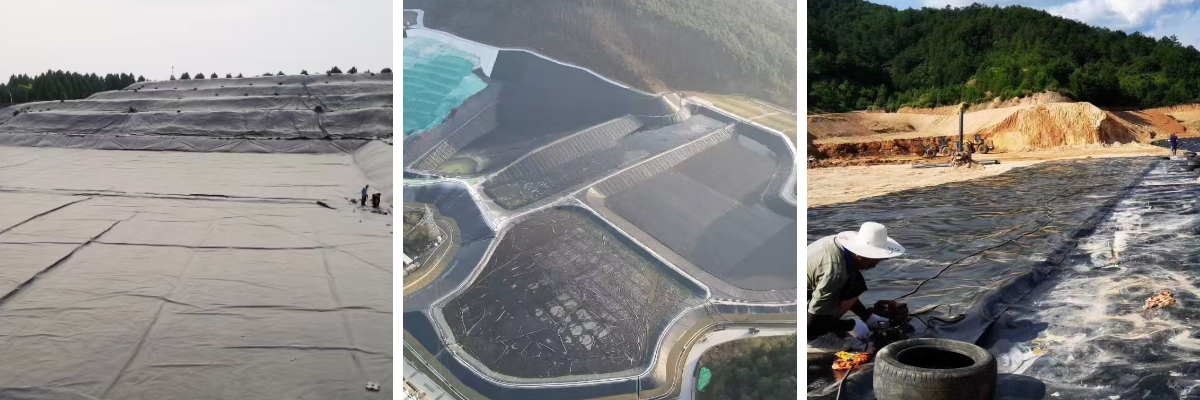
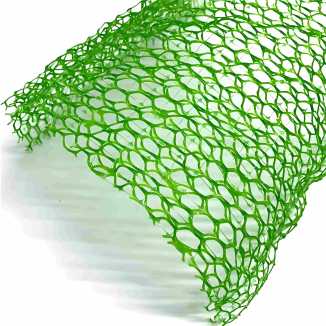
Geotextiles are often used in aquaculture as a bedding layer and protective material. Lay beneath the geomembrane, they isolate foundation gravel and hard objects, preventing sharp edges from puncturing the geomembrane and providing cushioning protection. Simultaneously, geotextiles possess excellent permeability and filtration properties, allowing water infiltration while blocking sediment. This protects pond slopes from erosion and collapse, prevents drainage system blockage, and extends the lifespan of the entire aquaculture seepage prevention system.
Compared to traditional earthen and concrete ponds, geotextile aquaculture ponds offer faster construction, require less complex civil engineering and lengthy maintenance, and cost only about half that of concrete ponds. They are also resistant to acids and alkalis, aging, and UV radiation, with a lifespan of several decades. Daily maintenance is simple, they are less prone to cracking and leakage, require less medication during aquaculture, and have higher survival rates. Overall, the economic benefits far exceed those of traditional aquaculture methods, making it the mainstream choice for the standardization and upgrading of aquaculture.
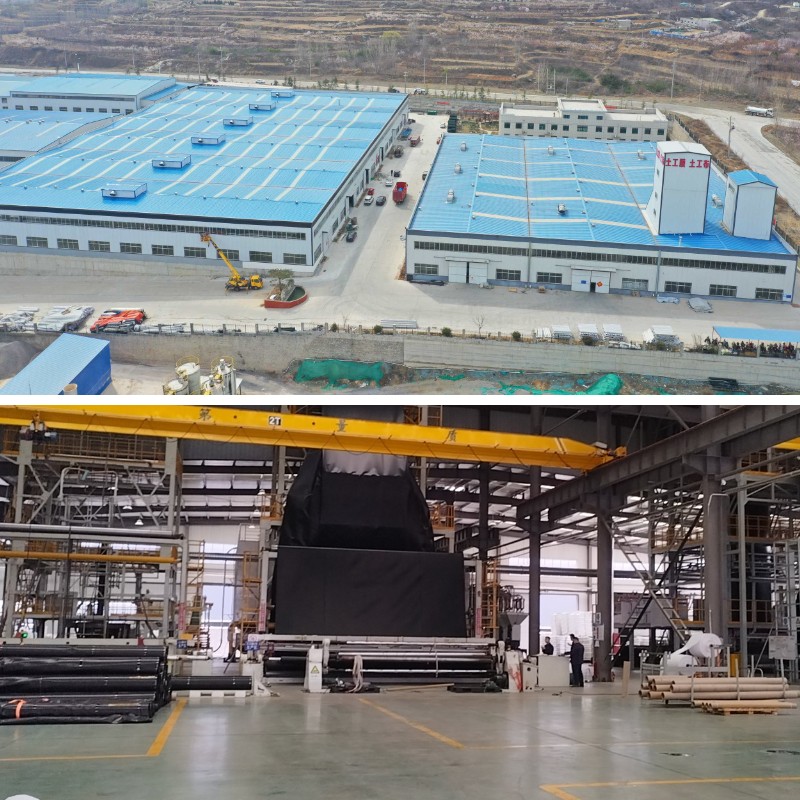
HDPE Membrane Sheet, with its extremely low permeability coefficient, excellent chemical corrosion resistance, strong mechanical properties, and long-lasting weather resistance, has become a core material in the fields of seepage prevention, isolation, and corrosion protection. It is widely used in many key areas such as environmental protection and sanitation, water conservancy projects, aquaculture, mining and petrochemicals, municipal construction, agriculture, and salt industry. It can effectively block the diffusion of pollutants and prevent water leakage, while also adapting to the settlement and deformation requirements of different scenarios. It provides reliable support for the safe and stable operation of various projects, ecological environmental protection, and efficient utilization of resources. Its specifications can be selected according to different scenarios, including smooth membrane, textured membrane, or composite membrane, to meet various construction needs.