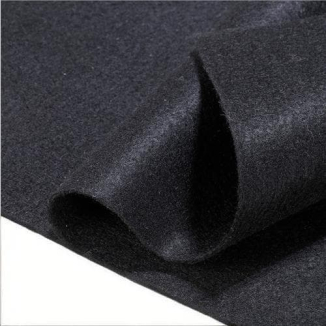
Service Life Attenuation Mechanism and Protection of Geotextiles in Complex Environments
1. Introduction: Why Geotextile Service Life Depends on Environmental Conditions
Geotechnical engineering stability heavily relies on the durability and consistent performance of auxiliary barrier and reinforcement materials. As core geosynthetic products used in foundation stabilization, drainage, filtration, and erosion control projects,geotextile, geotextile cloth, and non woven geotextile fabric are widely deployed in road construction, water conservancy renovation, landfill anti-seepage, and slope protection projects. The long-term service performance of these materials directly affects the overall stability and maintenance cycle of engineering facilities.
Unlike industrial materials used in closed environments, professional geotextile cloth works in open and complex natural environments all year round. Various external environmental factors will continuously affect its molecular structure, mechanical properties and structural stability, leading to gradual aging and performance attenuation. Exploring key environmental influencing factors can help engineering practitioners select suitable non woven geotextile fabric and formulate targeted protection strategies to maximize the service life of conventional geotextile products.
2. Ultraviolet Radiation: The Primary Cause of Outdoor Geotextile Aging
Ultraviolet radiation is the most prominent environmental factor that shortens the service life of outdoor exposed geotextile. Long-term direct sunlight will trigger photodegradation reactions on the surface and inside of polymer geosynthetic materials, destroying the original stable molecular chain structure of the material.
Unshielded geotextile cloth used in open-air slope protection, road subgrade and river regulation projects is extremely vulnerable to UV damage. Continuous ultraviolet irradiation will gradually reduce the toughness and tensile strength of the geotextile cloth, resulting in surface embrittlement, fiber loosening and peeling. Without effective anti-ultraviolet modification or covering protection, the basic filtration and reinforcement functions of geotextile cloth will be completely lost in a short period.
non woven geotextile fabric, which is composed of disorderly stacked fiber structures, is more sensitive to ultraviolet radiation than woven geotextile. The loose fiber layout of non woven geotextile fabric makes it easier for ultraviolet rays to penetrate the surface and damage the internal fiber structure. Therefore, outdoor exposed projects need to select UV-stabilized non woven geotextile fabric to resist solar aging and extend service life.
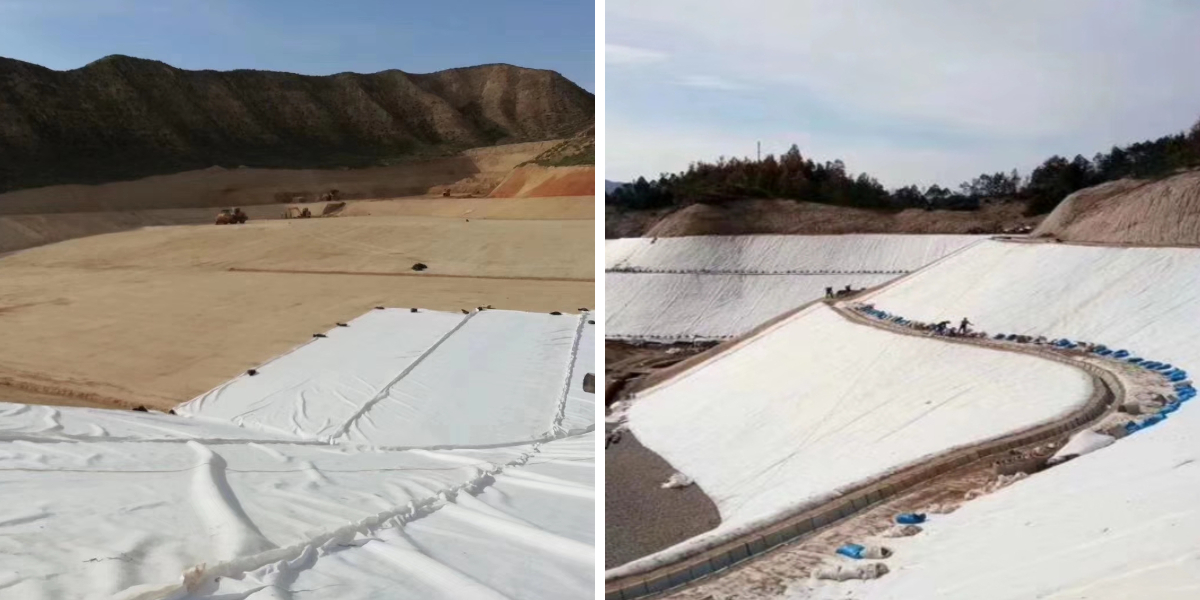
3. Temperature Cycle Changes: Accelerating Material Fatigue and Structural Degradation
Natural temperature changes, including seasonal high-temperature exposure and low-temperature freezing, form alternating thermal and cold stress, which continuously affects the structural stability of geotextile. Polymer geotextile materials have inherent thermal expansion and cold contraction characteristics, and long-term temperature cycling will induce material fatigue and irreversible performance attenuation.
In high-temperature summer environments, geotextile cloth will experience slight thermal softening. Long-term high-temperature operation will reduce the rigidity and structural stability of geotextile cloth, making it prone to deformation and relaxation under external soil pressure and water flow impact. In cold winter conditions, the material will become hard and brittle, greatly reducing its tear resistance and flexibility, and easy to crack under external extrusion.
High-quality non woven geotextile fabric is optimized through special formula technology to adapt to extreme temperature changes. The improved fiber structure enables non woven geotextile fabric to maintain stable tensile performance and structural integrity in both high-temperature and low-temperature environments, avoiding premature aging caused by temperature cycle fatigue and effectively prolonging engineering service life.
4. Water and Humidity Environment: Inducing Microbial Corrosion and Fiber Deterioration
Most water conservancy and underground geotechnical projects are in high humidity or long-term water immersion environments, and water humidity is a key environmental factor affecting the service life of geotextile. Long-term contact with water and moist soil will change the internal microenvironment of geotextile and induce a variety of aging problems.
geotextile cloth working in river beds, reservoir bottoms and underground foundations is soaked in water for a long time. Although the polymer material itself is waterproof and impermeable, long-term humid environment will breed microorganisms such as bacteria and molds. These microorganisms will slowly erode the fiber surface of geotextile cloth, destroy the fiber bonding structure, and reduce the filtration and anti-scour performance of the material.
Professional non woven geotextile fabric adds anti-microbial and anti-humidity aging additives during production. This special treatment enables non woven geotextile fabric to resist microbial erosion in high-humidity and water-immersed environments, prevent fiber mildew and deterioration, and maintain stable structural performance in long-term humid engineering scenarios.
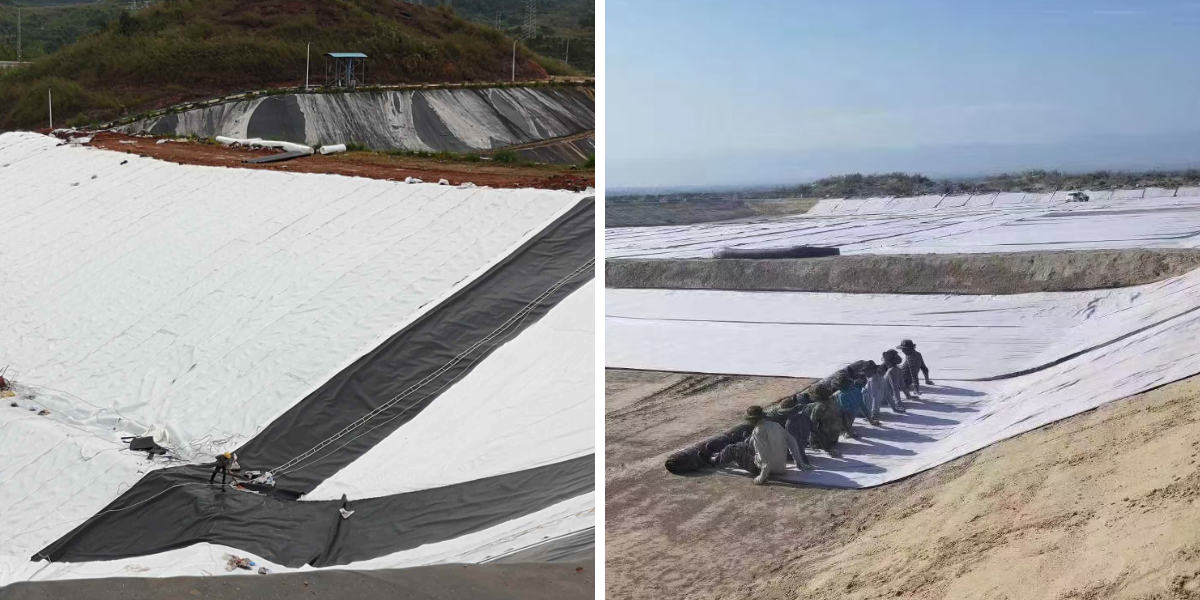
5. Soil and Chemical Erosion: Damaging Internal Fiber Structure of Geotextile
The soil environment where geotextile is buried contains a variety of chemical substances, including acidic and alkaline substances, heavy metal ions and organic corrosives. These chemical components will slowly erode the geotextile material and affect its long-term service performance.
In industrial waste yards, saline-alkali land renovation and polluted soil treatment projects, geotextile cloth is in contact with corrosive soil for a long time. Continuous chemical penetration will destroy the molecular stability of geotextile cloth, leading to fiber aging, strength decline and structural loosening, which seriously shortens the service cycle of the material.
Modified non woven geotextile fabric has excellent chemical corrosion resistance. The stable polymer fiber structure of non woven geotextile fabric can resist the erosion of most acidic, alkaline and saline substances in soil, maintain intact fiber structure and mechanical properties, and adapt to complex and harsh soil engineering environments.
6. Wind and Mechanical Scour: Causing External Structural Wear and Tear
Outdoor open engineering sites are often affected by strong wind, rainwater scouring and soil particle friction, and long-term mechanical external force impact is also an important factor affecting the service life of geotextile. Continuous mechanical wear will cause irreversible damage to the surface fiber structure of the material.
Exposed geotextile cloth on slopes and open-air foundations will be continuously scoured by wind and rain, and rubbed by flowing soil particles. Long-term repeated friction and impact will cause surface fiber wear, thinning and local damage to geotextile cloth, reducing the overall structural tightness and engineering protection effect.
With dense and uniform fiber distribution, non woven geotextile fabric has superior wear resistance and impact resistance. The integrated fiber structure of non woven geotextile fabric can disperse external mechanical pressure, resist long-term wind scouring and soil friction, and maintain complete structural stability in harsh outdoor mechanical erosion environments.
7. Conclusion: Optimize Application Environment to Extend Geotextile Service Life
In summary, ultraviolet radiation, temperature cycle changes, high humidity water environment, soil chemical erosion and mechanical scouring are the core environmental factors that determine the service life of geotextile. These external environmental factors jointly affect the structural stability and engineering performance of geosynthetic materials in different application scenarios.
Reasonable material selection and environmental protection measures are the key to prolonging engineering service life. According to different engineering environments, selecting targeted geotextile cloth with anti-UV, anti-corrosion and anti-aging properties can effectively avoid premature material failure. At the same time, high-performance non woven geotextile fabric can adapt to complex and harsh environmental conditions, providing stable long-term filtration, drainage, reinforcement and erosion protection for geotechnical engineering, and reducing project maintenance and replacement costs.