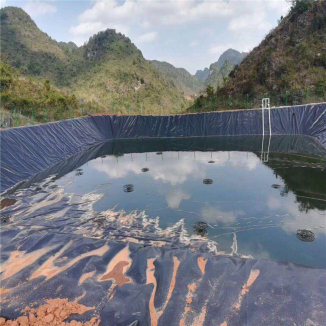
Tools & Materials Needed to Lay HDPE Geocell on Slopes & Flat Ground
1. Introduction: What It Takes to Lay HDPE Geocell Properly
HDPE geocell is one of the most fantastic merchandise in present day floor stabilization, but its success relies upon completely on how it is installed. Whether the mission is retaining again a steep hillside or constructing a secure floor on flat ground, the distinction between a long-lasting venture and a failing one commonly comes down to coaching and the equipment used on site. Many shoppers focal point solely on the product itself and forget about the gear wanted to vicinity it correctly. In reality, laying HDPE geocell is a teamwork of materials, fastening supplies, and guide tools, every taking part in a clear role. For all people planning geocell slope safety or floor reinforcement work, grasp these necessities in increase is the first step towards a smooth, reliable installation. This information explains precisely what you want to lay HDPE geocell on each slopes and flat ground, and why each and every object on the listing matters.
2. The Core Material: Why HDPE Geocell Leads the Way
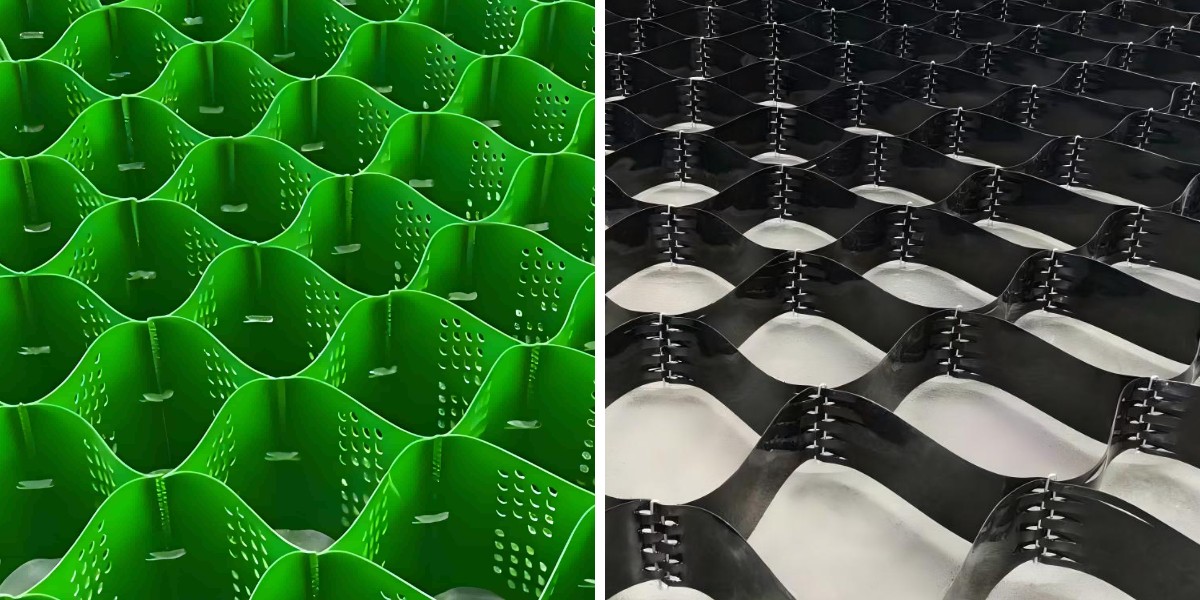
At the middle of each mission is the HDPE geocell itself, a third-dimensional honeycomb shape made from high-density polyethylene strips. The geocell cloth is designed to be multiplied on site, forming a grid of interconnected cells that are then stuffed with soil, aggregate, or sand. When filled, the HDPE geocell confines the infill and locks it in place, distributing masses evenly and stopping the floor from shifting. This is what makes geocell slope safety so effective: the mobile partitions keep the fill fabric in opposition to gravity and erosion, growing a bolstered layer that behaves like a stable mat. The best of the geocell cloth things greater than any different factor, due to the fact it determines strength, UV resistance, and sturdiness over a long time of exposure. Choosing a dependable HDPE geocell dealer is consequently the basis of a profitable installation.
3. Anchoring Hardware: Pins, Stakes, and Fasteners
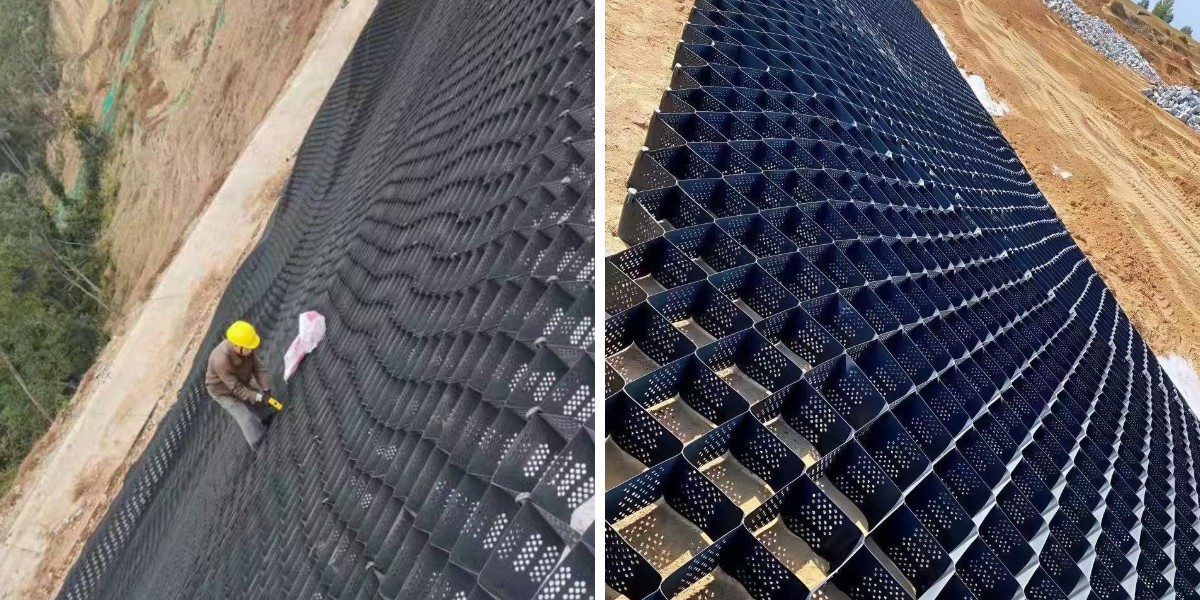
Once the HDPE geocell is expanded, it should be held firmly in role earlier than filling, or the whole shape will waft out of shape. This is the place anchoring hardware will become essential. U-shaped or T-shaped anchor pins, made from galvanized metal or high-strength plastic, are pushed thru the mobilephone walls and into the floor below. On geocell slope safety jobs, longer and superior anchors are required due to the fact the attitude of the slope pulls the panel downward with higher force. Additional fasteners, such as clips and connectors, are used to be a part of adjoining increased panels so that the cell shape acts as one non-stop layer. Choosing the proper anchors is now not a minor detail; it at once influences how nicely the HDPE geocell resists the forces of wind, water, and gravity at some point of the fundamental filling stage.
4. Manual Tools Every Installation Team Needs
Laying HDPE geocell is a hands-on job, and a well-equipped crew strikes a good deal quicker and produces higher results. The first integral is an enlargement tool, regularly a easy crowbar or a in particular designed geocell expander, used to stretch the folded panels into their full honeycomb shape. A utility knife or specialised cutter is wished to trim the geocell fabric round limitations such as rocks, trees, and present structures. Measuring tapes and chalk strains assist the group lay out panels in straight, aligned rows. A rubber mallet or sledgehammer is used to force anchor pins except unfavourable the HDPE geocell. On flat-ground applications, a plate compactor is critical for compacting the infill after placement. Each of these equipment serves a unique purpose, and having them on hand earlier than work starts prevents expensive interruptions.
5. Infill Materials and How to Choose Them
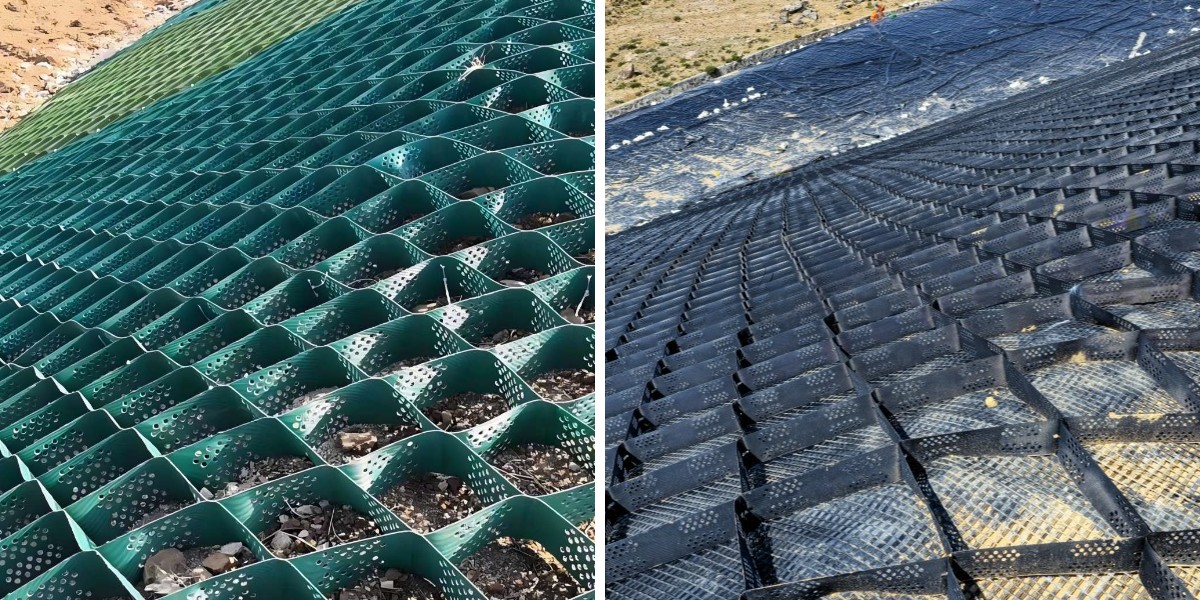
The overall performance of the geocell slope safety device relies upon closely on the infill that fills the cells. For slope applications, a well-graded overwhelmed stone or gravel is in many instances used, due to the fact its angular structure interlocks inside the cells and resists being washed away. The geocell fabric confines this aggregate, stopping it from rolling down the slope beneath the have an impact on of gravity and water. For flat-ground purposes such as roads, parking areas, and load-bearing surfaces, smooth sand or a sand-gravel combine works properly and gives a smooth, stage finish. In some erosion-control projects, topsoil is used so that vegetation can develop inside the cells and make stronger the floor naturally. The key is matching the infill to the meant use, due to the fact the HDPE geocell is solely as high quality as the fabric it holds.
6. Ground Preparation: Site Work Before Laying
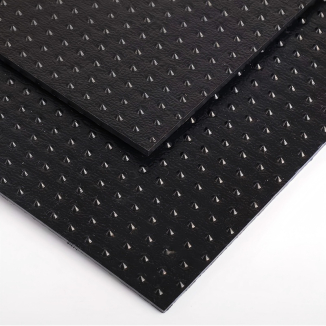
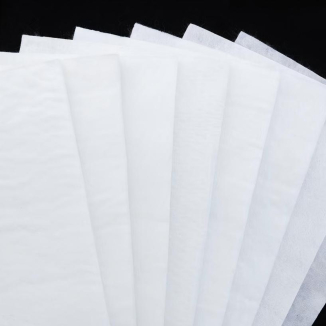
No quantity of fine HDPE geocell can restore a poorly organized subgrade, so web site instruction is a required step earlier than any panel is expanded. The region need to first be cleared of vegetation, giant stones, and particles that may want to puncture or displace the geocell material. The floor is then graded to the right elevation, making sure that water drains away alternatively of pooling in the structure. On geocell slope safety projects, the slope itself can also want to be fashioned and gently compacted to furnish a steady base. A geotextile underlay is regularly positioned between the subgrade and the HDPE geocell to stop pleasant soil from migrating upward and to add an greater layer of separation. Investing time in practise makes the laying method smoother, reduces the threat of later settlement, and appreciably improves the remaining overall performance of the geocell slope erosion manipulate system.
7. Special Considerations for Slope vs. Flat Ground Laying
Laying HDPE geocell on a slope is basically specific from laying it on flat ground, and the two jobs require special methods and tools. On slopes, panels are generally anchored at the pinnacle area first, then improved and secured downward, so that gravity works with the installer alternatively than in opposition to him. Anchors need to be stronger, spacing should be closer, and people want desirable footing to function safely on the incline. The infill on a slope should be positioned cautiously from the backside up to preserve the cells crammed and stable. On flat ground, the method is extra forgiving: panels are elevated throughout a degree area, pinned round the perimeter and seams, and stuffed with a compactor to create a dense, uniform surface. Understanding these variations earlier than arriving on web page ensures that the geocell slope safety and ground-stabilization work is accomplished successfully the first time.
8. Safety and Quality Considerations During Installation
A profitable HDPE geocell set up is also a secure one, so planning for security is phase of gathering the proper tools. On slopes, employees need to use suitable footwear, harnesses, and secured anchor traces when working on steep inclines. Loose combination and heavy compactor gear current their very own hazards, so clear verbal exchange and suited lifting strategies are essential. Quality manipulate is equally important: after filling, the crew have to stroll the floor to verify that all cells are evenly stuffed and that no panel has shifted out of alignment. Inspecting seams, anchors, and the standard geometry of the geocell cloth earlier than backfilling catches issues whilst they are nonetheless handy to fix. This aggregate of cautious workmanship and interest to element is what turns a pile of HDPE geocell into a reliable, everlasting structure.
Conclusion: Preparation Is the Key to Long-Term Results
The equipment and substances you bring together earlier than beginning decide whether or not your HDPE geocell assignment succeeds or fails. From the first-rate of the geocell material itself to the anchors, infill, compactors, and protection gear used on site, each thing performs a section in the ultimate outcome. Geocell slope safety needs sturdy anchoring, cautious filling, and applicable drainage, whilst flat-ground tasks name for leveling and compaction. In each cases, geocell slope erosion manipulate works pleasant when the product is matched with the proper equipment and set up via a prepared, skilled team. If you are planning to lay HDPE geocell on a slope or flat surface, taking the time to acquire the right gear is the most dependable way to make sure a durable, low-cost end result that protects your mission for years to come.