Low-Carbon Construction and Ecological Compatibility of HDPE Geomembrane in Environmental Projects
1. Introduction: Why Eco-Conscious Material Matters in Modern Environmental Projects
Modern environmental protection engineering focuses on pollution isolation, ecological restoration and sustainable operation, putting forward higher requirements for the safety and environmental friendliness of geosynthetic materials. Traditional impermeable materials often bring secondary pollution, short service life and poor ecological compatibility, which hinder the long-term green operation of environmental projects. As a mainstream green anti-seepage material, hdpe geomembrane has become the preferred choice for various environmental protection projects with excellent stable performance and unique eco-friendly attributes. Both hdpe liner and geomembrane liner are widely applied in ecological governance and pollution control scenarios, relying on their non-toxic, durable and recyclable advantages to balance engineering protection and ecological environmental protection.
2. Core Eco-Friendly Attributes of HDPE Geomembrane
The outstanding market competitiveness of hdpe geomembrane in environmental protection projects stems from its inherent green material characteristics. Produced from high-purity food-grade polyethylene raw materials through environmentally friendly production processes, hdpe geomembrane contains no harmful additives and will not release toxic substances during long-term underground or water immersion use. This pure material property makes the hdpe liner completely harmless to soil, water bodies and biological communities, avoiding the secondary pollution problems caused by traditional chemical waterproof materials.
Different from ordinary industrial liners, the standardized geomembrane liner made of high-quality hdpe geomembrane features stable chemical inertia. It does not react with various pollutants, wastewater and organic substances in environmental projects, maintaining pure physical isolation functions without polluting the surrounding ecological environment. Its non-toxic and environmentally friendly nature lays a solid foundation for large-scale application in ecological restoration and environmental remediation projects.
3. Long-Term Anti-Pollution Performance Protects Ecological Environment
3.1 Effective Isolation of Pollutants and Sewage Leakage
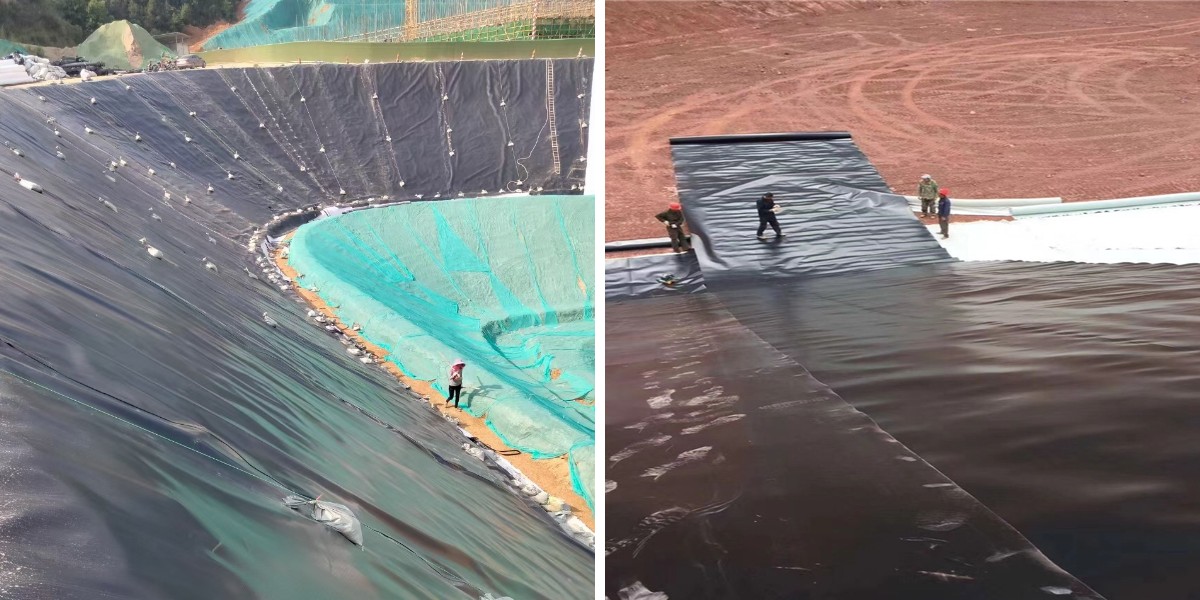
The core task of most environmental protection projects is to block the diffusion of pollutants and prevent underground water and soil contamination. The compact and seamless laying performance of hdpe geomembrane forms a complete closed isolation layer, which can effectively intercept all kinds of industrial wastewater, landfill leachate and harmful residual substances. The excellent impermeability of hdpe liner ensures that pollutants cannot penetrate the membrane layer to erode underground soil and groundwater, realizing effective control of pollution sources.
As a high-stability anti-seepage barrier, geomembrane liner maintains continuous isolation performance in complex polluted environments for a long time. It will not degrade or fail due to long-term contact with corrosive pollutants, permanently locking harmful substances inside the designated engineering area. This reliable anti-pollution capability of hdpe geomembrane is the core guarantee for the ecological safety of waste disposal and sewage treatment projects.
3.2 Strong Chemical Inertia Avoids Secondary Ecological Damage
Many traditional protective materials are prone to chemical decomposition and aging failure in polluted environments, producing harmful impurities that aggravate environmental pollution. In contrast, hdpe geomembrane has superior chemical inertness and can resist erosion from acid, alkali, salt and various organic chemicals. The stable material structure of hdpe liner will not produce chemical reactions with surrounding media, ensuring no secondary pollution during the whole project operation cycle.
The reliable environmental adaptability of geomembrane liner makes it suitable for all kinds of harsh environmental protection scenarios. Whether it is domestic waste landfill, industrial tailings pond or sewage reservoir renovation, hdpe geomembrane can always maintain stable and safe working conditions, effectively protecting the surrounding ecological balance and avoiding irreversible ecological damage.
4. Durable Material Life Reduces Engineering Waste and Carbon Emissions
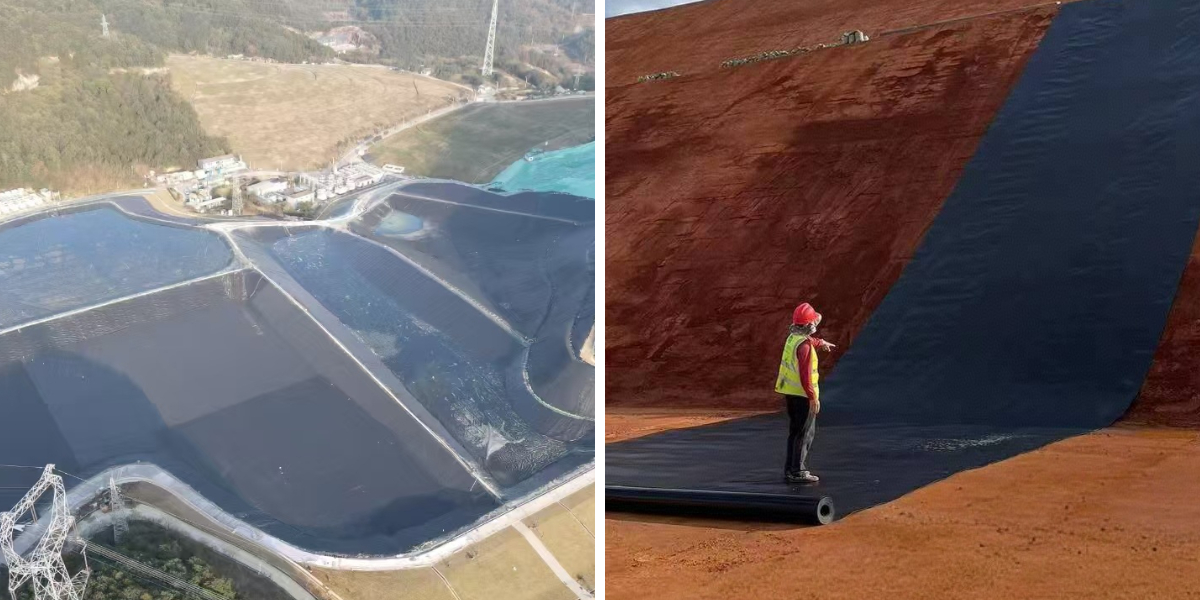
Short service life of engineering materials will lead to frequent replacement and repeated construction, generating a large amount of construction waste and increasing carbon emissions, which runs counter to the concept of green environmental protection. Hdpe geomembrane has excellent anti-aging, anti-ultraviolet and anti-freezing properties, with super long service life in natural and polluted environments. The long-term stable performance of hdpe liner avoids frequent material replacement and repeated engineering construction.
The durable design of geomembrane liner greatly reduces the generation of geosynthetic waste and saves raw material resources required for secondary construction. By reducing construction frequency and resource consumption, hdpe geomembrane effectively lowers the overall carbon footprint of environmental protection projects, conforming to the low-carbon and sustainable development requirements of modern infrastructure construction.
5. Good Ecological Compatibility Supports Vegetation and Ecological Restoration
Excellent environmental protection materials should not only realize pollution isolation, but also coordinate with ecological restoration work. Hdpe geomembrane has unique ecological compatibility that many rigid anti-seepage materials do not possess. The smooth and stable surface of hdpe liner will not hinder the normal water and gas circulation of the non-polluted area, creating basic conditions for the growth of surrounding vegetation and the survival of microorganisms.
In ecological slope protection, river regulation and wetland restoration projects, geomembrane liner can isolate polluted bottom mud and sewage without affecting the growth of surface greening vegetation. The non-toxic property of hdpe geomembrane ensures that plant roots and soil organisms will not be damaged, helping the project form a stable and self-circulating ecological system, and realizing the organic integration of engineering protection and ecological restoration.
6. Recyclable Properties Meet Sustainable Green Construction Standards
Green engineering construction emphasizes resource recycling and zero waste discharge, and hdpe geomembrane fully meets this sustainable standard. The material features good recyclability and can be recycled and reprocessed into new geosynthetic products after the end of project service life, realizing resource reuse. The recyclable characteristic of hdpe liner greatly reduces solid waste discharge generated by project dismantling and renovation.
Compared with non-recyclable concrete, asphalt and other traditional materials, geomembrane liner brings more significant environmental benefits. The reusable value of hdpe geomembrane reduces the demand for new raw materials, saves natural resources, and effectively promotes the green and low-carbon upgrading of environmental protection engineering construction.
7. Typical Application Scenarios of Eco-Friendly HDPE Geomembrane in Environmental Projects
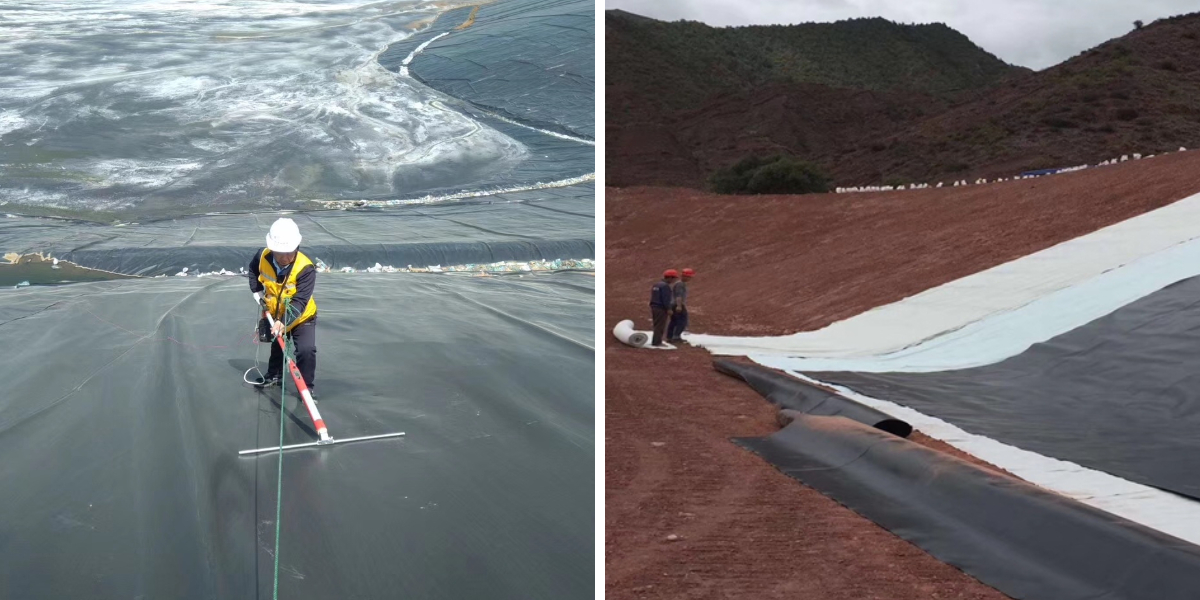
The diverse green advantages of hdpe geomembrane make it widely used in all kinds of environmental protection engineering fields. In municipal solid waste landfills and composting projects, hdpe liner acts as the core anti-seepage and pollution-isolating layer to prevent leachate from polluting groundwater. In industrial tailings and sewage storage projects, geomembrane liner stably isolates harmful chemical components to protect regional ecological safety.
In addition, hdpe geomembrane is also commonly used in wetland ecological restoration, river and lake water environment governance, and landfill closure greening projects. In all scenarios, the eco-friendly performance of hdpe liner and geomembrane liner can give full play to environmental protection effects, helping projects achieve the dual goals of pollution control and ecological greening.
8. Conclusion: Choose HDPE Geomembrane for Greener Environmental Engineering
In the era of green and sustainable engineering development, environmentally friendly material selection is the key to improving the comprehensive value of environmental protection projects. Hdpe geomembrane stands out among numerous anti-seepage materials with non-toxic safety, long-term durability, ecological compatibility and recyclable characteristics. Both hdpe liner and geomembrane liner can effectively isolate pollution, reduce resource waste, protect ecological balance, and bring lasting green benefits to environmental projects.
For modern environmental protection engineering that pursues pollution control, ecological protection and low-carbon sustainability, hdpe geomembrane is the most reliable green solution, helping every project realize efficient pollution management and harmonious coexistence between engineering and nature.