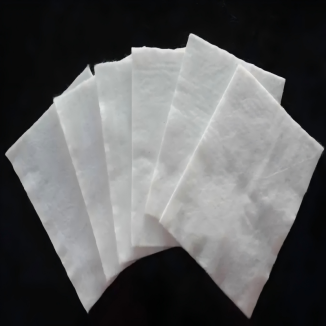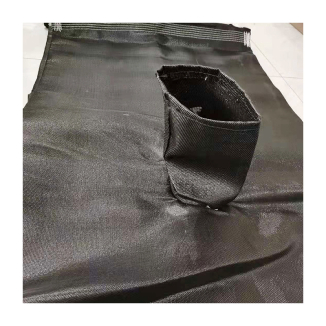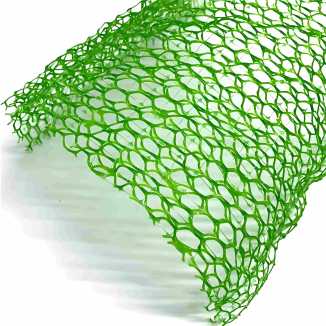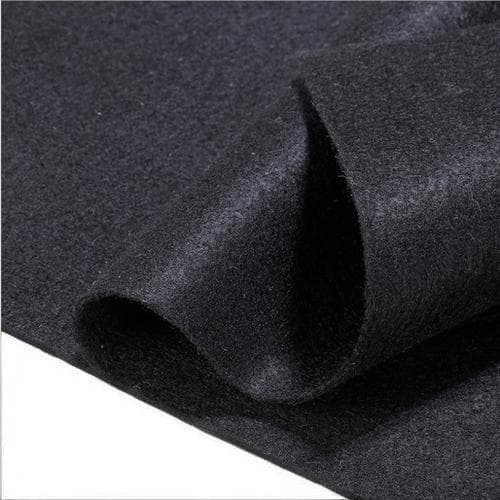
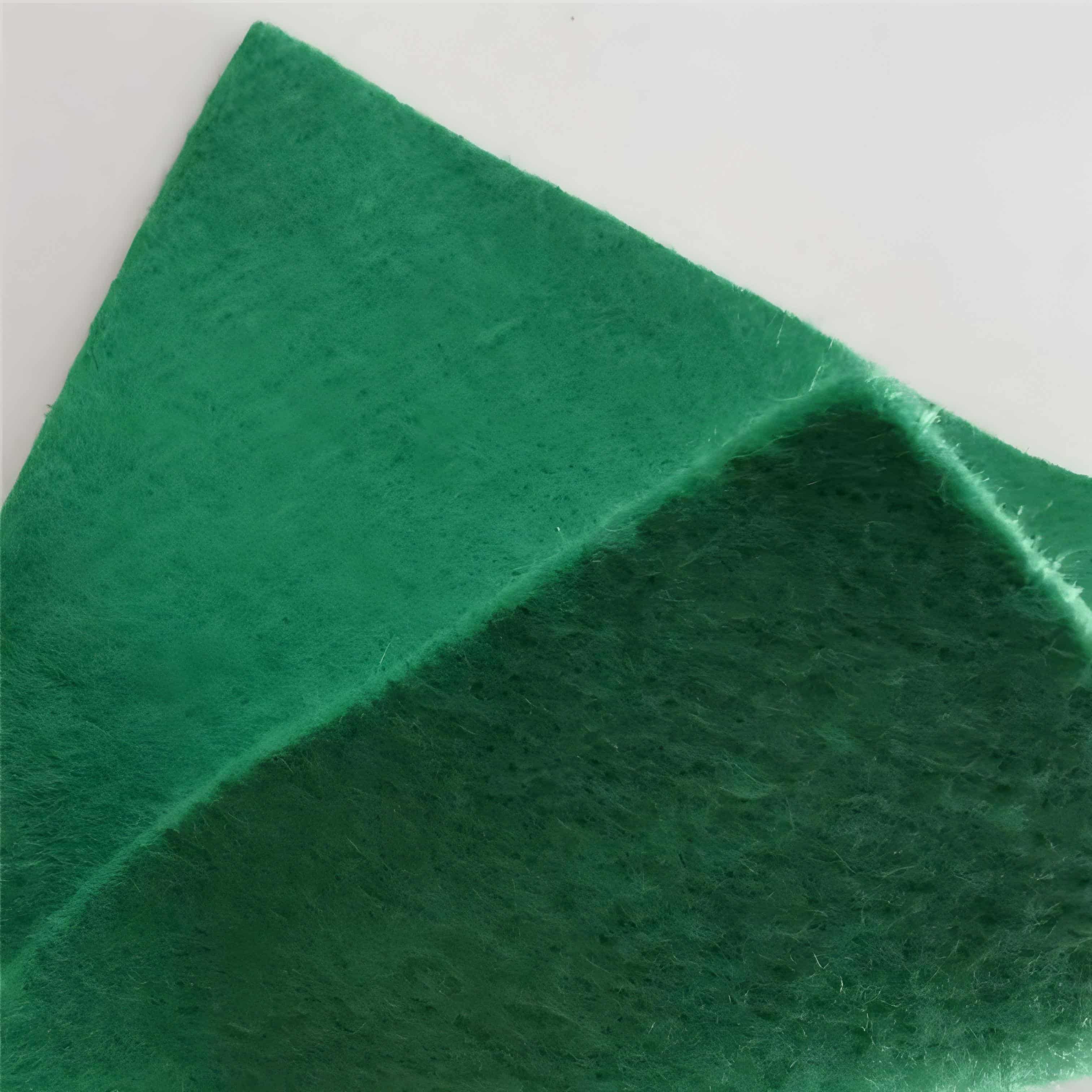

Geotextile Bunnings
1.Excellent durability: Geotextile Bunnings are made from high-quality synthetic fibers such as polypropylene. In road construction, the high-strength fibers can maintain sufficient tensile strength even when subjected to heavy vehicle pressure for a long time.
2.Good filtration and drainage performance: It has a special pore structure, with non-woven random fiber arrangement forming large and uniform pores.
3.Wide applicability: can be used in gardens to isolate soil and coverings, and maintain soil structure; In large-scale engineering, it can enhance soil stability, prevent soil erosion, and adapt to the needs of projects of different scales and properties.
4.Convenient construction: The material is lightweight, soft, and easy to handle and operate. During construction, cutting is convenient and can be quickly customized according to the shape and size requirements of different construction sites, greatly reducing construction time, improving project progress, and lowering labor costs.
Products Introduction:
Geotextile Bunnings is a permeable geosynthetic material made of synthetic fibers through needle punching or weaving, and the finished product is in the form of a cloth. It is an important member of the geosynthetic materials family and plays a crucial role in various fields such as civil engineering and landscape engineering. There are various types of geotextiles available, such as common non-woven geotextiles and woven geotextiles, to meet the specific needs of different projects.
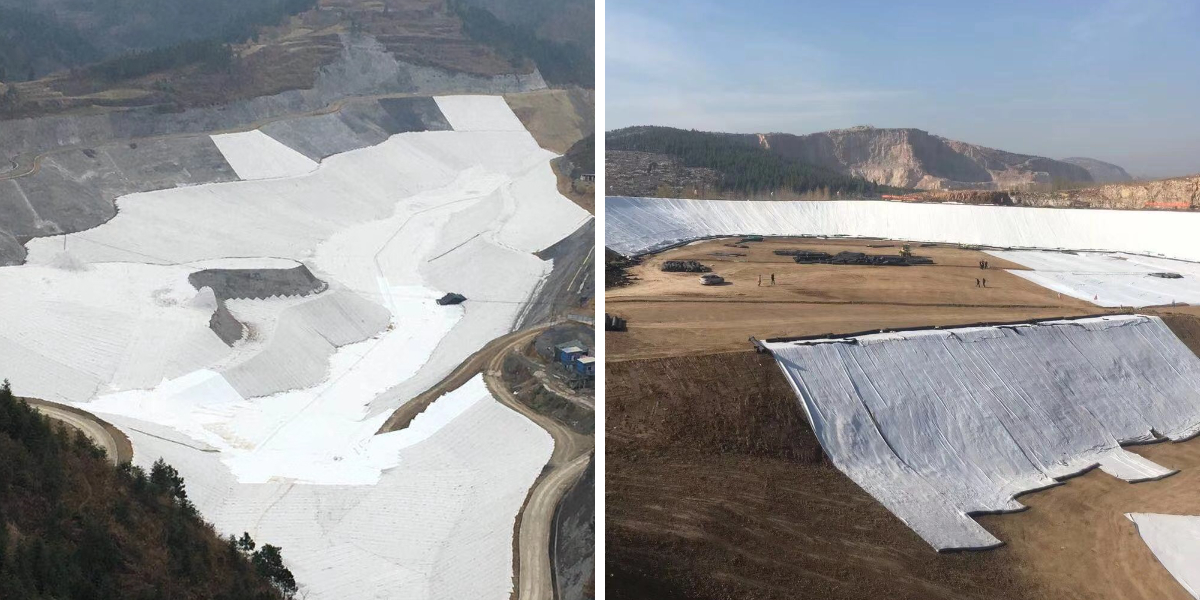
Product Features:
1. High strength and durability: Made of high-quality plastic fibers, it can maintain excellent strength and elongation performance in both dry and humid environments. When facing long-term heavy pressure, friction, and soil and water environments with different pH values, it has good corrosion resistance, is not easily deformed or broken, ensures long-term stable use, reduces replacement frequency, and lowers maintenance costs.
2. Good filtration and drainage performance: It has a special pore structure with numerous gaps between fibers. Non woven geotextiles form random and uniform pores, while woven geotextiles can precisely control the pore size. This makes it excellent in drainage engineering, allowing water to pass through quickly and smoothly, while efficiently filtering soil particles, effectively preventing soil particles from entering drainage pipes and causing blockages, ensuring the efficient operation of the drainage system.
3. Excellent isolation performance: It can effectively isolate building materials with different physical properties, such as soil and sand, soil and concrete. Prevent the mutual loss and mixing of two or more materials, maintain the overall structure and function of each material, thereby enhancing the load-bearing capacity of the structure and ensuring the stability of the engineering structure.
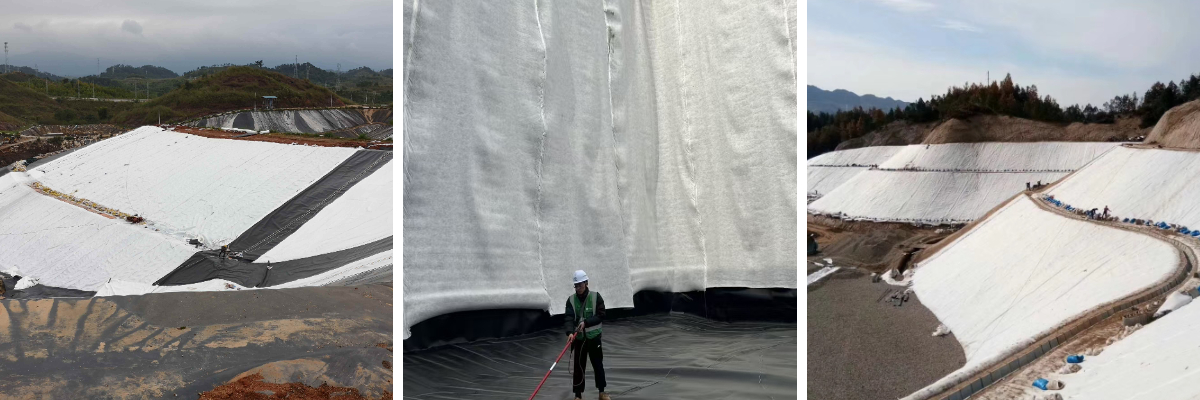
4. Good antimicrobial resistance: It has strong resistance to microorganisms and insect infestations, and will not be damaged by microbial erosion or insect infestations, ensuring normal use in various complex environments and extending the product's service life.
5. Convenient construction: The material is lightweight and soft, easy to transport, the laying process is simple, and it is convenient for construction personnel to operate. Moreover, the cutting is convenient and can be quickly customized according to the actual shape and size requirements of the construction site, greatly reducing construction time, improving project progress, and lowering labor costs.
6. Complete specifications: With a wide range of widths, it can meet the needs of projects of different scales, and the maximum width can reach several meters. The mass per unit area varies from lower to higher, and suitable specifications can be flexibly selected according to the strength, filtration, drainage, and other requirements of specific projects.
Product Parameters:
project | metric | ||||||||||
Nominal strength/(kN/m) | |||||||||||
6 | 9 | 12 | 18 | 24 | 30 | 36 | 48 | 54 | |||
1 | Longitudinal and transverse tensile strength / (kN/m) ≥ | 6 | 9 | 12 | 18 | 24 | 30 | 36 | 48 | 54 | |
2 | Maximum elongation at maximum load in longitudinal and transverse directions/% | 30~80 | |||||||||
3 | CBR top penetration strength /kN ≥ | 0.9 | 1.6 | 1.9 | 2.9 | 3.9 | 5.3 | 6.4 | 7.9 | 8.5 | |
4 | Longitudinal and transverse tearing strength /kN | 0.15 | 0.22 | 0.29 | 0.43 | 0.57 | 0.71 | 0.83 | 1.1 | 1.25 | |
5 | Equivalent aperture O.90(O95)/mm | 0.05~0.30 | |||||||||
6 | Vertical permeability coefficient/(cm/s) | K× (10-¹~10-), where K=1.0~9.9 | |||||||||
7 | Width deviation rate /% ≥ | -0.5 | |||||||||
8 | Unit area mass deviation rate /% ≥ | -5 | |||||||||
9 | Thickness deviation rate /% ≥ | -10 | |||||||||
10 | Thickness coefficient of variation (CV)/% ≤ | 10 | |||||||||
11 | Dynamic perforation | Puncture hole diameter/mm ≤ | 37 | 33 | 27 | 20 | 17 | 14 | 11 | 9 | 7 |
12 | Longitudinal and transverse fracture strength (grab method)/kN ≥ | 0.3 | 0.5 | 0.7 | 1.1 | 1.4 | 1.9 | 2.4 | 3 | 3.5 | |
13 | Ultraviolet resistance (Xenon arc lamp method) | Longitudinal and transverse strength retention rate% ≥ | 70 | ||||||||
14 | Ultraviolet resistance (fluorescence UV lamp method) | Longitudinal and transverse strength retention rate% ≥ | 80 | ||||||||
Product Applications:
1. Civil engineering field
Road construction: Laying geotextile at the base of the road can provide isolation, filtration, and drainage functions. Prevent the mixing of roadbed soil and base materials, and maintain the stability of the base structure; Filter out fine particles in the soil to prevent them from blocking drainage channels; Quickly drain accumulated water from the roadbed, reduce road surface damage caused by water damage, and extend the service life of the road. At the same time, geotextiles can enhance the overall strength of road structures and effectively prevent the occurrence of reflective cracks on the road surface.
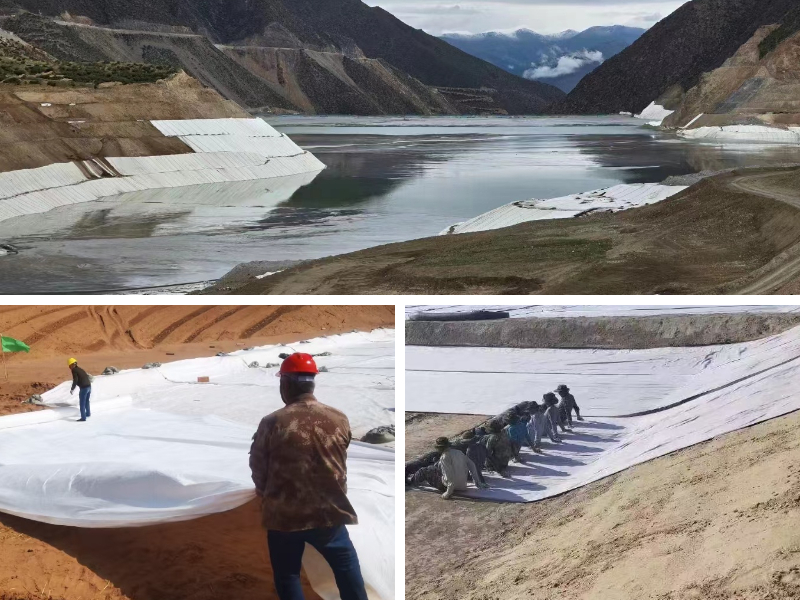
Dam engineering: used for slope protection and internal drainage of dams. On the slope protection, it can prevent the erosion of soil by water flow and protect the stability of the embankment slope; Inside the embankment, as a drainage material, the seepage inside the embankment is promptly discharged, reducing the pore water pressure inside the embankment and enhancing its anti sliding stability.
Foundation reinforcement: For weak foundations, laying geotextiles can enhance the bearing capacity of the foundation and improve its stability. By reinforcing the soil with geotextile, the mechanical properties of the soil are improved, the settlement of the foundation is reduced, and the building foundation is made more solid.
2. Landscape and Horticulture Field
Garden landscape creation: Laying geotextiles in the garden can isolate soil from coverings such as sawdust and gravel, prevent coverings from mixing into the soil, and maintain soil structure and fertility. At the same time, it helps to suppress weed growth and reduce competition between weeds and plants for nutrients and water. It can also be used for drainage and reinforcement in areas such as garden paths and flower bed edges, making the landscape more beautiful and durable.
Greening planting: When planting large trees or flowers, laying geotextiles at the bottom and around the planting pit can provide a good growth environment for the plant roots. On the one hand, it prevents impurities and bacteria in the soil from damaging the root system; On the other hand, it promotes the discharge of excess water, avoids root rot due to waterlogging, and improves the survival rate and growth quality of plants.
3. Environmental engineering field
Landfill site: used as anti-seepage, drainage, and isolation materials for the bottom and slopes of the landfill site. The composite use of geotextile and geomembrane forms an effective anti-seepage system to prevent the leakage of garbage leachate from polluting groundwater and soil; At the same time, utilizing its drainage performance, timely discharge of leachate, lowering the water level inside the landfill site, and reducing the risk of pollution to the surrounding environment.
Sewage treatment facilities: applied to the bottom and walls of sewage treatment tanks, regulating tanks, and other facilities, playing a role in isolation, filtration, and prevention of leakage. Ensure that sewage does not leak during the treatment process, while filtering out impurities in the sewage to improve the efficiency and quality of sewage treatment.
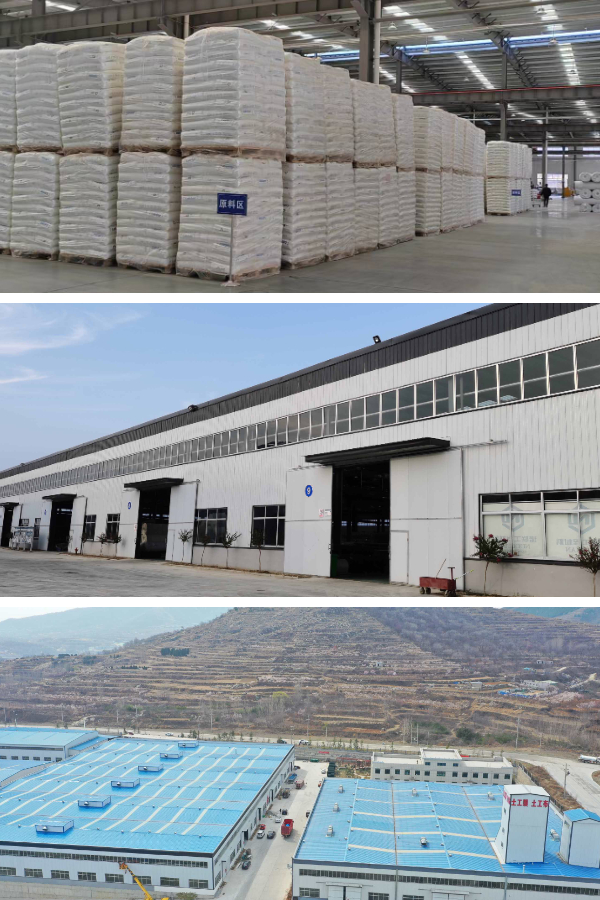
Geotextile Bunnings geotextiles have demonstrated extensive application value in various fields such as civil engineering, landscape gardening, and environmental engineering due to their high strength, durability, excellent filtration and drainage, good isolation, antimicrobial properties, convenient construction, and complete specifications. It can not only effectively solve various problems in engineering, such as soil erosion, poor drainage, unstable foundation, etc., but also improve engineering quality, extend engineering service life, reduce engineering costs and maintenance difficulties. Geotextile Bunnings geotextiles are a reliable and efficient choice for both large-scale infrastructure construction and small-scale home garden projects, providing strong guarantees for the smooth implementation and long-term stable operation of various projects.