Woven vs. Non-Woven Geotextile: Understanding the Key Differences
Introduction
Choosing the proper geotextile can make or damage a civil engineering or environmental project. Whether you are constructing a road, stabilizing a slope, or designing a drainage system, the cloth you pick determines long-term performance. Two most important classes dominate the market: woven and non-woven geotextiles. While they might also seem comparable at first glance, their manufacturing processes, bodily properties, and perfect functions fluctuate significantly. This article explains these variations in detail, assisting you make an knowledgeable decision. Along the way, we will discover the position of geosynthetic fibre in each types, the particular blessings of non woven filter material for drainage and filtration, and the specialised use of impermeable geotextile material in containment projects. Read on to apprehend which geotextile fits your subsequent project.
What Are Geotextiles? A Brief Overview
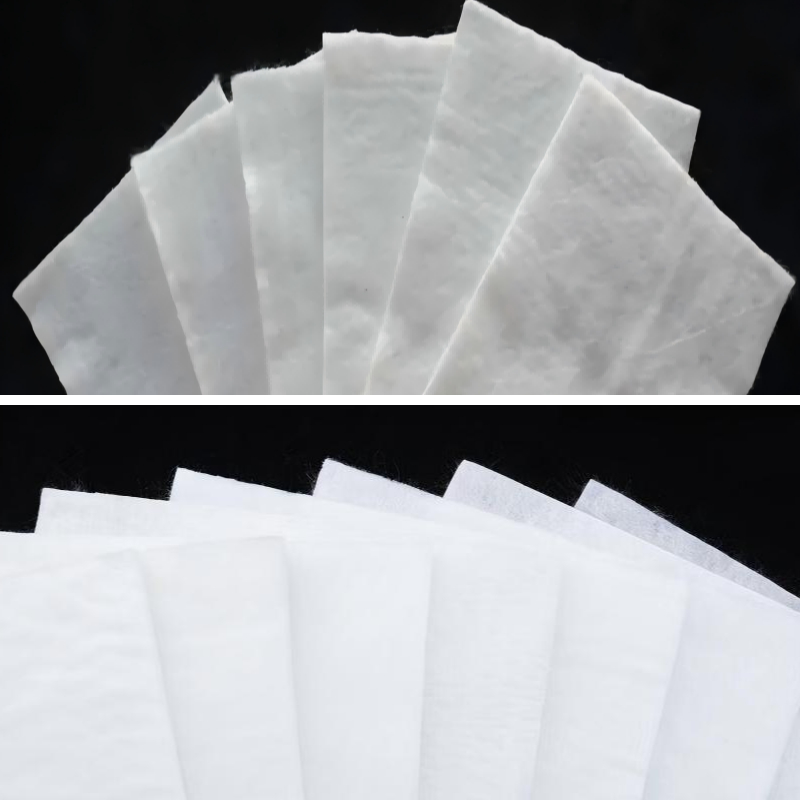
Geotextiles are permeable fabric used in contact with soil, rock, or different geotechnical materials. They operate one or greater of 5 key functions: separation, filtration, drainage, reinforcement, and protection. The uncooked fabric is normally polypropylene or polyester, extruded into geosynthetic fibre that is then woven or needle-punched into a fabric. The association of these fibers—whether in a normal grid (woven) or a random, felt-like mat (non-woven)—creates two wonderful households of products. Understanding this crucial distinction is the first step towards perfect specification. Both sorts can be engineered for excessive power or excessive flow, however their conduct beneath load and in contact with water varies dramatically. For filtration applications, non woven filter fabric is frequently the go-to answer due to the fact of its three-d pore structure. Meanwhile, when whole liquid barrier is required, an impermeable geotextile material (typically a composite with a membrane layer) may also be specified. However, popular woven and non-woven fabric are each permeable. Let us take a look at every kind in depth.
Woven Geotextiles: Structure and Manufacturing
Woven geotextiles are produced through interlacing two units of yarns—warp (lengthwise) and weft (crosswise)—in a ordinary pattern, comparable to ordinary weaving. The yarns themselves are made from non-stop filaments of geosynthetic fibre, frequently slit-film or monofilament. Slit-film yarns are flat and tape-like, developing a cloth with excessive tensile electricity however particularly low permeability. Monofilament yarns are spherical and depart small gaps between threads, permitting extra water flow. The weaving procedure creates a stable, low-stretch material with wonderful openings (pores) that are uniform in size. Because the fibers are aligned and tightly packed, woven geotextiles excel at separation and reinforcement. They have excessive modulus, that means they withstand deformation beneath load. However, their filtration overall performance is restrained except monofilament kinds are used. In many separation applications—such as between subgrade and combination base in roads—a woven cloth prevents mixing whilst permitting some water passage. Unlike non woven filter cloth, which has a random fiber matrix, woven geotextiles have a flat, clean surface. They are now not usually used as impermeable geotextile cloth until covered or laminated, due to the fact their woven shape inherently approves water via the gaps.
Non-Woven Geotextiles: Structure and Manufacturing
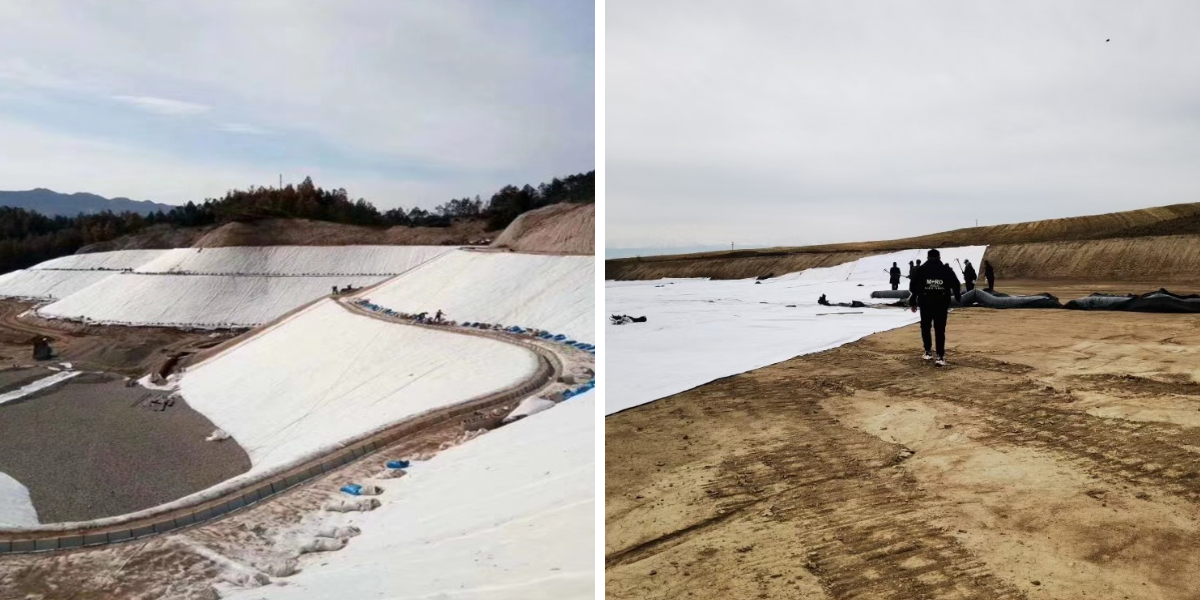
Non-woven geotextiles are made with the aid of bonding geosynthetic fibre collectively via mechanical, thermal, or chemical means, barring weaving or knitting. The most frequent approach is needle-punching: barbed needles push fibers via a web, entangling them into a felt-like fabric. This creates a random, third-dimensional shape with excessive porosity and a fuzzy surface. Non-woven fabric are typically thicker and extra compressible than woven ones. They provide fantastic filtration and drainage due to the fact their tortuous pore paths seize soil particles whilst permitting water to pass. For this reason, non woven filter fabric is broadly used in drainage trenches, erosion control, and round perforated pipes. Non-wovens additionally supply precise safety (cushioning) for geomembranes in opposition to punctures. However, their tensile energy is decrease than woven equivalents, although high-strength needle-punched merchandise exist. Unlike woven fabrics, non-wovens are isotropic—meaning comparable houses in all directions. They are permeable by means of plan and do now not characteristic as an impermeable geotextile cloth until blended with a movie or coating. In functions the place water go with the flow is imperative and soil retention is needed, non-woven geotextiles are frequently the most fulfilling choice.
Key Difference 1: Mechanical Strength and Elongation
The most said distinction between woven and non-woven geotextiles lies in their power and stretch behavior. Woven geotextiles, in particular these made from slit-film geosynthetic fibre, showcase high tensile energy at low elongation (typically 10% to 25% at break). This makes them best for reinforcement functions such as stabilizing steep slopes, reinforcing conserving walls, or strengthening susceptible subgrades. Under load, they do now not stretch much, so they can right away raise tension. Non-woven geotextiles, in contrast, have decrease tensile electricity however a good deal greater elongation—often exceeding 50% and once in a while accomplishing a hundred percent earlier than break. This flexibility lets in them to conform to irregular surfaces and take in localized stresses barring tearing. For purposes like wrapping a drain pipe or lining a rocky trench, this compliance is beneficial. However, for load-bearing reinforcement, a woven cloth is generally required. It is well worth noting that neither popular kind is designed as an impermeable geotextile fabric; each enable water passage. When an impermeable barrier is needed, a geomembrane or a covered geotextile ought to be used separately.
Key Difference 2: Filtration and Permeability
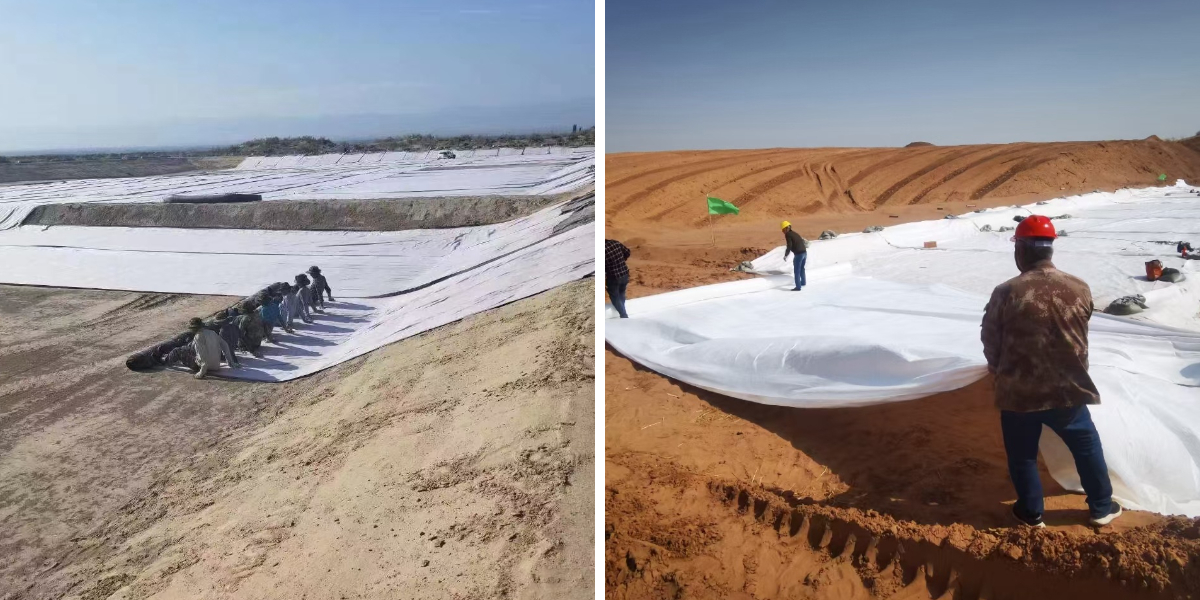
Filtration is the place non woven filter material definitely shines. The random fiber matrix of a needle-punched non-woven creates a community of small, interconnected voids that keep nice soil particles whilst permitting water to float through. This property is quantified by using obvious opening dimension (AOS) and water float rate. Non-wovens normally have AOS values in the vary of 0.15 to 0.30 mm, making them nice at stopping piping (loss of soil) in drainage systems. Woven geotextiles, specially slit-film types, have plenty large and extra uniform openings. Water flows easily, however so do high-quality particles. As a result, woven fabric are terrible filters in sandy or silty soils. Monofilament woven geotextiles provide higher filtration than slit-film however nonetheless do now not suit the retention functionality of a nice non woven filter cloth. For tasks requiring each reinforcement and filtration—such as a street over a soft, moist subgrade—engineers occasionally vicinity a woven geotextile for energy and a non-woven layer for filtration. In contrast, an impermeable geotextile cloth (e.g., a geotextile lined with rubber or laminated with a film) lets in zero water float and is used for canals, ponds, or landfill caps. That product is a separate category, no longer a trendy woven or non-woven.
Key Difference 3: Surface Texture and Interaction with Soil
The floor texture of a geotextile impacts how it interacts with surrounding soil or aggregate. Woven geotextiles have a smooth, slick floor due to the fact the geosynthetic fibre yarns are tightly packed and flat. This low-friction floor can be a drawback on slopes, the place soil may additionally slide over the fabric. However, it permits handy placement of mixture besides negative the fabric. Non-woven geotextiles have a fibrous, fuzzy floor that creates excessive friction with soil and granular materials. This makes them exceptional for slope stabilization and erosion manipulate blankets. The excessive friction additionally helps when the geotextile is used as a cushion under an impermeable geotextile material or geomembrane, stopping slippage. For separation below a roadway, a woven geotextile frequently works properly due to the fact it prevents mixture from punching into the subgrade while permitting water to get away laterally. But on a slope, the greater friction of a non-woven is commonly preferred. Additionally, non woven filter fabric is frequently distinct round drainage cores due to the fact its fuzzy floor resists clogging and promotes intimate contact with soil.
Application Guide: When to Use Woven Geotextiles
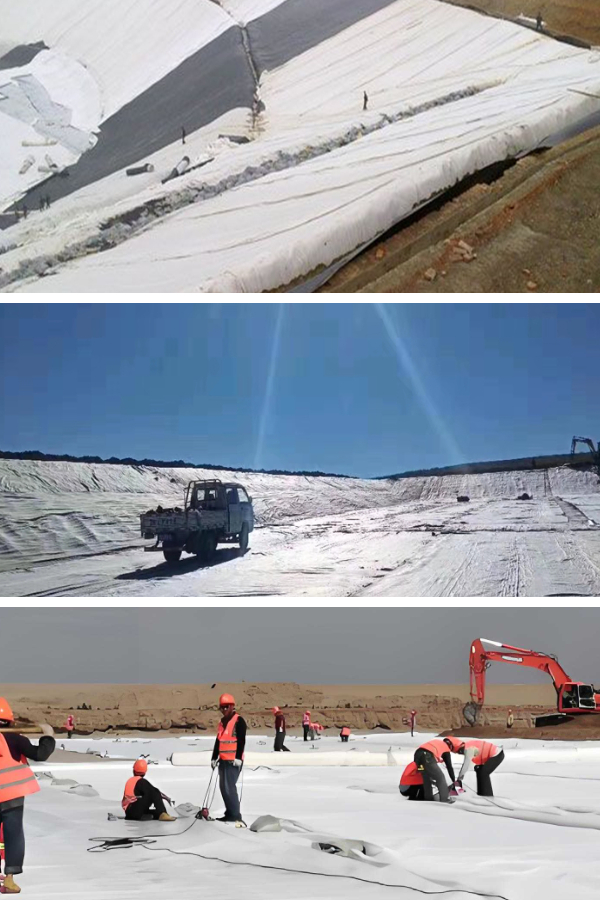
Woven geotextiles are the proper preference when the essential want is reinforcement or separation beneath excessive loads. Typical purposes include:
Road building over tender soils: A woven material separates the combination base from the susceptible subgrade, distributing wheel masses and stopping rutting. Here, the geosynthetic fibre offers tensile electricity that resists deformation.
Retaining partitions and steep slopes: Woven geotextiles act as reinforcement layers inside routinely stabilized earth (MSE) walls. They are positioned horizontally between soil lifts to withstand lateral earth pressures.
Railway ballast separation: Woven fabric forestall ballast from sinking into the subgrade whilst permitting water drainage.
Paved place stabilization: Under parking a lot or industrial yards, a woven geotextile reduces required mixture thickness.
In these roles, woven fabric are now not used for nice filtration. If water consists of silt or clay, a separate non woven filter fabric must be positioned on the upstream side. Also, woven geotextiles are no longer an impermeable geotextile fabric; they will now not maintain water. For liquid containment, a geomembrane or a covered woven material should be added.
Application Guide: When to Use Non-Woven Geotextiles
Non-woven geotextiles excel in filtration, drainage, and safety applications. Use them when:
Drainage trenches and French drains: Wrap a perforated pipe with non woven filter material to forestall soil ingress whilst permitting water to enter freely. The 3-dimensional shape of the geosynthetic fibre matrix captures fines besides clogging quickly.
Erosion manage on slopes: Non-woven fabric can be positioned below riprap or vegetated cowl to stop soil loss whilst permitting water to drain.
Geomembrane protection: When putting in an impermeable geotextile cloth or HDPE liner, a thick non-woven cushion is positioned beneath to defend towards punctures from sharp rocks. The non-woven absorbs and distributes factor loads.
Asphalt overlay (pavement interlayer): Non-woven geotextiles soaked in asphalt act as a moisture barrier and crack retarder, even though this is a specialised application.
Subsurface drainage blankets: Non-wovens gather and bring water alongside their airplane due to their in-plane go with the flow capacity.
Remember that general non-woven geotextiles are permeable. They are no longer substitutes for an impermeable geotextile material when zero leakage is required. However, for filtering and draining, non woven filter material is regularly the enterprise standard.
Special Case: Impermeable Geotextile Fabric
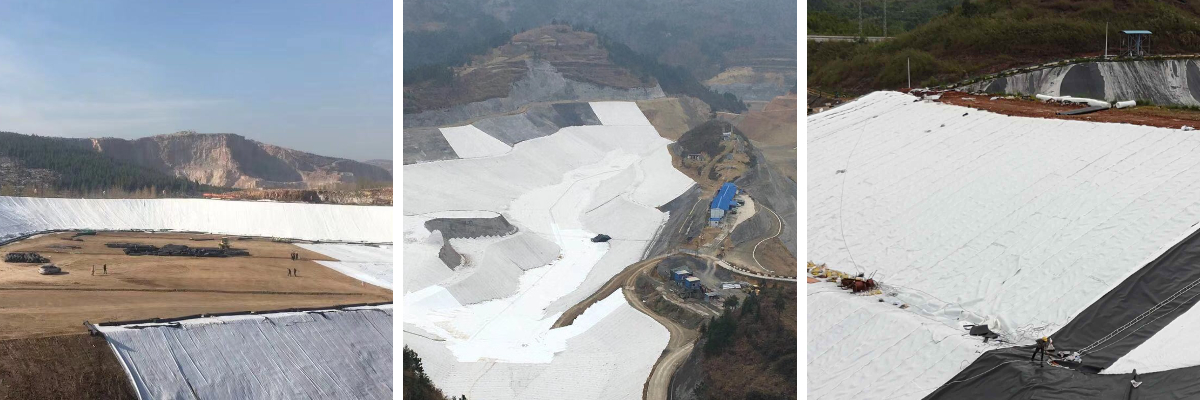
While woven and non-woven geotextiles are each permeable, some tasks require a barrier that combines the energy of a geotextile with the waterproofing of a membrane. This is finished with the aid of laminating a geomembrane (e.g., polyethylene) to a woven or non-woven fabric, or via coating a material with a polymer. The end result is an impermeable geotextile cloth that prevents all liquid and vapor migration. Common functions consist of lining irrigation canals, masking hazardous waste, and growing floating covers for mining ponds. The material backing presents puncture resistance and friction, whilst the membrane gives impermeability. When specifying an impermeable geotextile fabric, it is crucial to apprehend that the underlying base can be both woven (for excessive tensile strength) or non-woven (for cushioning and conformability). In contrast, a non woven filter material is intentionally permeable. Therefore, by no means confuse the two. The time period geosynthetic fibre applies to the uncooked substances used in all these products, whether or not woven, non-woven, or composite.
How to Choose Between Woven and Non-Woven
Selecting the right geotextile requires answering three questions. First, is reinforcement the most important function? If you want to lift anxiety or distribute masses over susceptible soil, a woven geotextile is normally best. Second, is filtration or drainage the fundamental need? If you should hold nice soil particles whilst passing water, pick non woven filter cloth. Third, do you require a whole liquid barrier? If yes, then neither trendy woven nor non-woven will work; you want an impermeable geotextile cloth or a separate geomembrane. In many real-world projects, engineers use each sorts in combination: a woven geotextile for reinforcement, a non woven filter fabric for drainage, and an impermeable geotextile material solely the place containment is mandatory. The geosynthetic fibre kind and first-class additionally matter—polyester is robust however prone to hydrolysis in high-pH environments, whilst polypropylene is chemically resistant however has decrease creep resistance. Always seek advice from producer specs and habits site-specific design.
Common Mistakes to Avoid
One usual error is the usage of a woven slit-film geotextile in a drainage trench, assuming it will filter fines. It will not. The giant openings permit sand and silt to pass, main to clogged pipes and soil settlement. Another mistake is the usage of a light-weight non-woven geotextile for reinforcement below a haul road. The material will stretch and tear due to the fact its tensile power is too low. A 0.33 error is assuming all geotextiles are impermeable. Unless distinctive as an impermeable geotextile fabric, each preferred geotextile permits water through. For pond liners or landfill caps, you need to use a geomembrane or a composite product. Also, by no means alternative a non-woven for a woven reinforcement layer barring recalculating bearing capacity. The geosynthetic fibre orientation matters—woven fabric have excessive electricity in the laptop and cross-machine directions, whilst non-wovens have average electricity in all directions. Understanding these distinctions prevents expensive failures.
Conclusion
Woven and non-woven geotextiles serve distinct however complementary roles in civil and environmental engineering. Woven geotextiles, made from oriented geosynthetic fibre yarns, furnish excessive tensile electricity and low elongation, making them best for reinforcement and separation. Non-woven geotextiles, produced via needle-punching or bonding fibers, provide finest filtration and drainage, with non woven filter fabric being the general desire for trench drains and erosion control. Neither wellknown kind is waterproof; for that, you want an impermeable geotextile cloth that combines a material with a membrane layer. By appreciation the key variations in strength, permeability, floor texture, and utility suitability, you can specify the proper product for roads, slopes, drainage systems, or containment projects. Always fit the geotextile's residences to the soil prerequisites and loading requirements. When in doubt, seek advice from a geotechnical engineer. With this knowledge, you are equipped to make a confident, affordable selection for your subsequent project.
Contact Us
Company Name: Shandong Chuangwei New Materials Co., LTD
Contact Person :Jaden Sylvan
Contact Number :+86 19305485668
WhatsApp:+86 19305485668
Enterprise Email: cggeosynthetics@gmail.com
Enterprise Address: Entrepreneurship Park, Dayue District, Tai 'an City,
Shandong Province