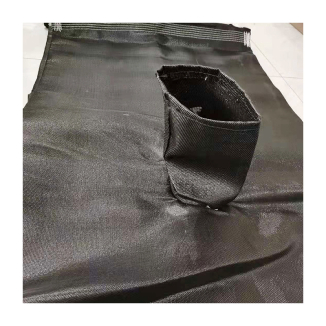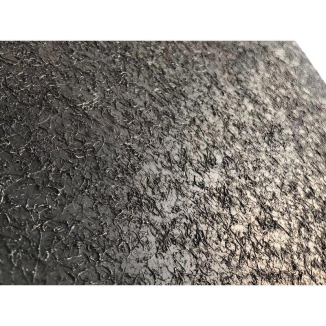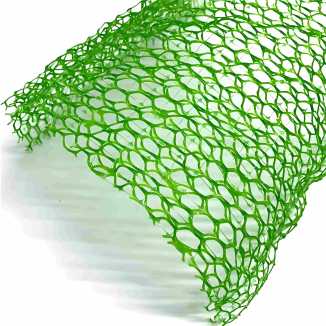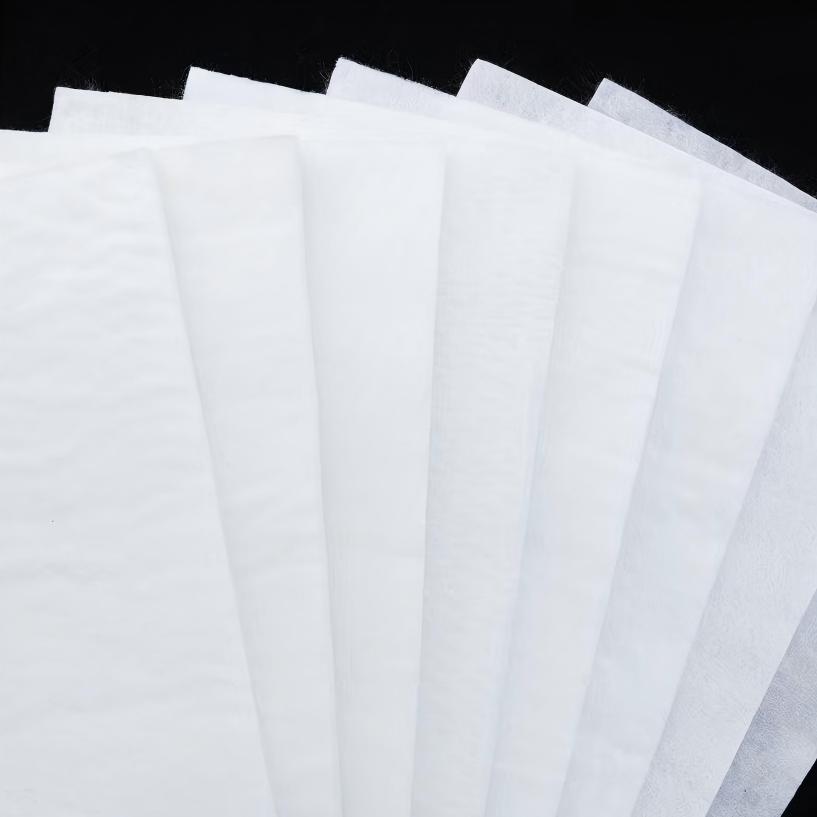
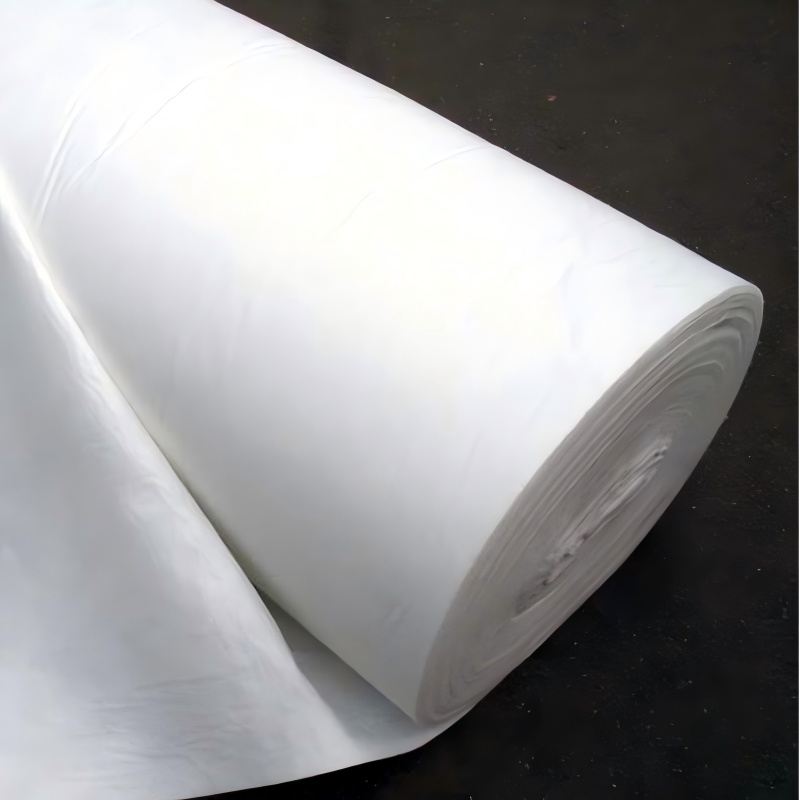
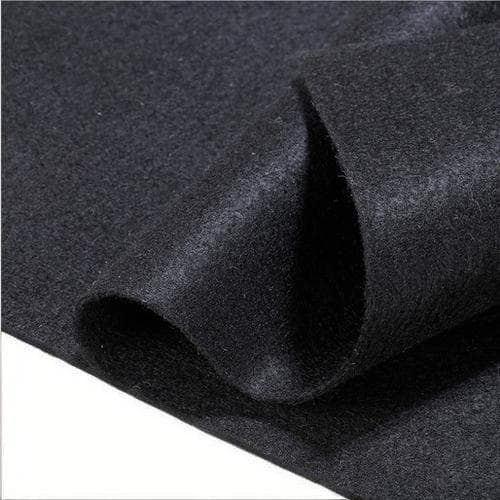
Geotextile Anticontaminant
Superior Containment: Provides a reliable, continuous barrier that effectively isolates contaminated soil or waste, preventing the leaching of pollutants into surrounding groundwater and ecosystems.
Cost-Effectiveness: Reduces long-term liability and remediation costs by containing problems proactively. It is often more economical than excavating and removing vast quantities of contaminated material.
Enhanced Durability: Offers a design life of decades, providing permanent solutions for landfills, industrial sites, and infrastructure projects.
Simplified Installation: Lightweight and available in large rolls, they are quicker and easier to install compared to clay or concrete barriers, reducing labor and equipment time.
Versatility and Adaptability: Can be used in a vast array of scenarios, from vertical cut-off walls in the ground to horizontal caps and liners, adapting to complex site geometries.
Sustainability Contribution: Enables brownfield redevelopment by safely encapsulating pollutants, allowing previously unusable land to be reclaimed for parks, commercial, or residential use.
Products Introduction:
In the ever-evolving landscape of environmental engineering and construction, geotextile anticontaminant barriers have emerged as a critical innovation for sustainable development. These specialized fabrics are engineered to prevent pollutant migration, protect soil and water resources, and ensure the long-term integrity of infrastructure projects. As industries and governments worldwide intensify their focus on environmental compliance and ecological preservation, the demand for high-performance contamination control solutions is reaching unprecedented levels.
Product Features:
Geotextile anticontaminant materials are not ordinary fabrics; they are the result of sophisticated material science and engineering. Key features include:
Multi-Layer Composite Design: Typically combining non-woven and woven geotextiles with impermeable polymeric membranes (like HDPE or LLDPE) to create a robust, multi-functional barrier.
Chemical Resistance: Formulated from high-grade polypropylene or polyester polymers that exhibit exceptional resistance to a wide range of chemicals, hydrocarbons, and aggressive leachates.
Puncture and Tensile Strength: Engineered to withstand high stress during installation and service, preventing tears and breaches that could compromise the containment system.
UV Stabilization: Treated to resist degradation from ultraviolet radiation, ensuring performance longevity even in exposed applications.
Customizable Permeability: Available in varying grades to control fluid transmission, from completely impermeable barriers to controlled filtration layers.
Product Parameters:
project | metric | ||||||||||
Nominal strength/(kN/m) | |||||||||||
6 | 9 | 12 | 18 | 24 | 30 | 36 | 48 | 54 | |||
1 | Longitudinal and transverse tensile strength / (kN/m) ≥ | 6 | 9 | 12 | 18 | 24 | 30 | 36 | 48 | 54 | |
2 | Maximum elongation at maximum load in longitudinal and transverse directions/% | 30~80 | |||||||||
3 | CBR top penetration strength /kN ≥ | 0.9 | 1.6 | 1.9 | 2.9 | 3.9 | 5.3 | 6.4 | 7.9 | 8.5 | |
4 | Longitudinal and transverse tearing strength /kN | 0.15 | 0.22 | 0.29 | 0.43 | 0.57 | 0.71 | 0.83 | 1.1 | 1.25 | |
5 | Equivalent aperture O.90(O95)/mm | 0.05~0.30 | |||||||||
6 | Vertical permeability coefficient/(cm/s) | K× (10-¹~10-), where K=1.0~9.9 | |||||||||
7 | Width deviation rate /% ≥ | -0.5 | |||||||||
8 | Unit area mass deviation rate /% ≥ | -5 | |||||||||
9 | Thickness deviation rate /% ≥ | -10 | |||||||||
10 | Thickness coefficient of variation (CV)/% ≤ | 10 | |||||||||
11 | Dynamic perforation | Puncture hole diameter/mm ≤ | 37 | 33 | 27 | 20 | 17 | 14 | 11 | 9 | 7 |
12 | Longitudinal and transverse fracture strength (grab method)/kN ≥ | 0.3 | 0.5 | 0.7 | 1.1 | 1.4 | 1.9 | 2.4 | 3 | 3.5 | |
13 | Ultraviolet resistance (Xenon arc lamp method) | Longitudinal and transverse strength retention rate% ≥ | 70 | ||||||||
14 | Ultraviolet resistance (fluorescence UV lamp method) | Longitudinal and transverse strength retention rate% ≥ | 80 | ||||||||
Product Applications:
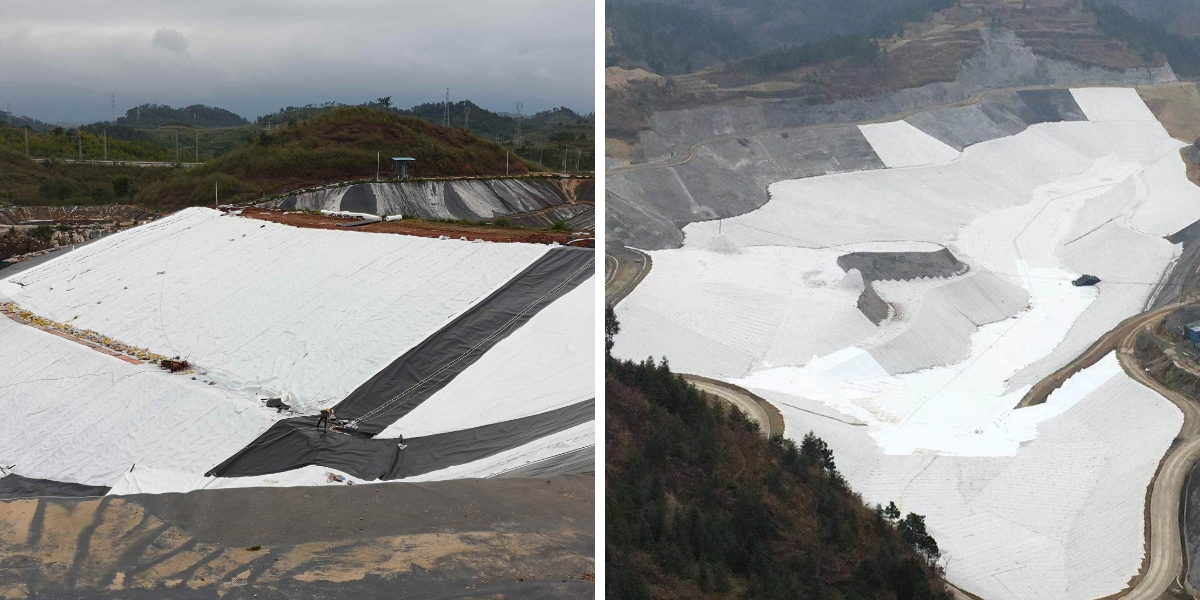
Landfill Engineering: Serving as base liners and final caps to contain municipal solid waste leachate and landfill gas.
Industrial Site Remediation: Capping and isolating soil contaminated with heavy metals, petrochemicals, or industrial solvents at old factory sites.
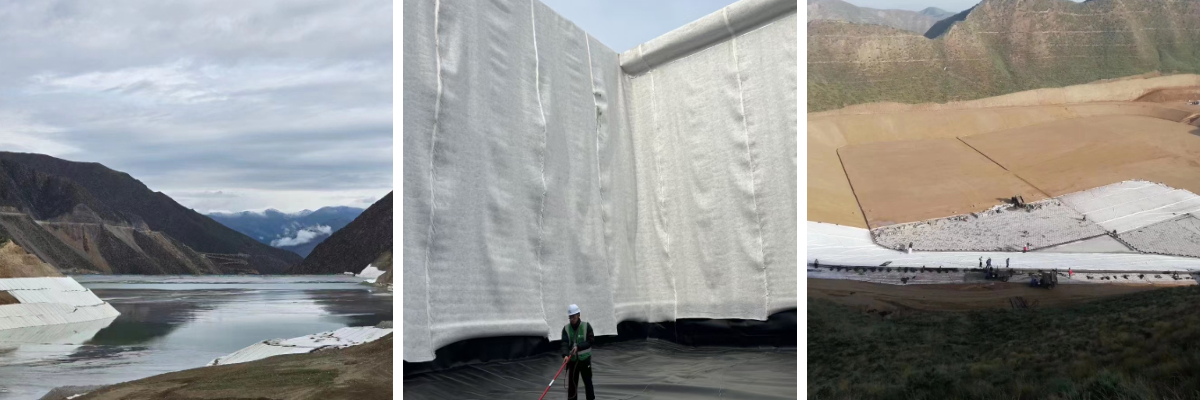
Mining and Tailings Management: Lining tailings ponds to prevent acid mine drainage and heavy metal runoff from contaminating local watersheds.
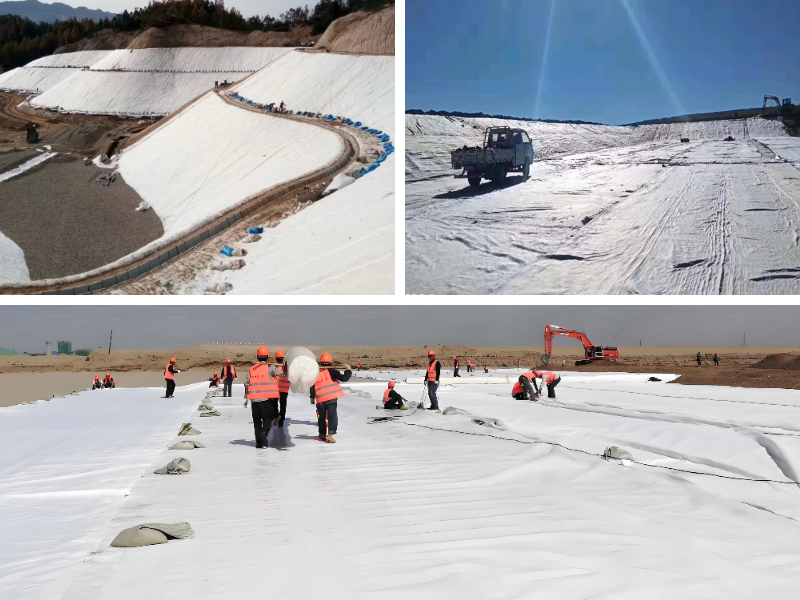
Transportation Infrastructure: Used beneath roadways and railways built on poor or contaminated subsoils to prevent upward migration of contaminants or to protect the structure from below.
Water Resource Protection: Deployed in secondary containment areas around fuel storage tanks, chemical plants, and wastewater treatment facilities.
Agriculture and Aquaculture: Creating impermeable barriers for lined ponds, irrigation canals, and systems managing agricultural runoff.

Conclusion
Geotextile anticontaminant barriers represent a cornerstone of modern environmental engineering. They offer a scientifically advanced, practical, and economically viable solution to one of the most pressing challenges of our time: managing contamination and protecting our planet's soil and water resources. As technological advancements continue and global sustainability goals become more urgent, these innovative fabrics will undoubtedly play an increasingly vital role in shaping a cleaner, safer, and more resilient built environment.
Is your next project facing contamination challenges? Ensure its long-term success and environmental compliance by consulting with a geosynthetics specialist to explore how an anticontaminant geotextile solution can be tailored to your specific needs.