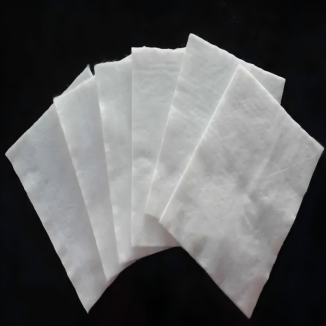
Standard Construction & Protection Methods for Long-Lasting Outdoor Geotextile Projects
Outdoor geotechnical construction heavily relies on reliable geosynthetic materials to maintain long-term structural stability and project safety. As a core functional material in modern civil engineering, geotextile is widely adopted for outdoor erosion control, road foundation reinforcement, slope protection, landscape drainage and ground stabilization. Nevertheless, long-term exposure to open-air weather conditions easily leads to fiber aging, structural loosening and performance degradation of fabric geotextile, resulting in frequent material replacement and increased engineering costs. For construction contractors and project managers, mastering effective protection and maintenance methods for non woven geotextile fabric is the key to prolonging material service life, reducing project maintenance pressure and improving overall engineering sustainability. This article systematically elaborates practical and operable strategies to protect outdoor geotextile for long-term stable use.
1. Why Outdoor Geotextile Suffers From Premature Aging
To effectively protect geotextile in outdoor environments, it is necessary to clarify all potential aging factors in advance. Unlike materials used in closed and stable indoor environments, outdoor geotextile is exposed to alternating weather and complex geological conditions all year round, which continuously consumes the structural performance of the material. Without targeted protection measures, even high-standard geotextile cannot maintain long-term complete performance.
Ultraviolet radiation from sunlight is the primary factor causing performance attenuation offabric geotextile. Continuous solar radiation destroys the molecular chain structure of polymer fibers, gradually making the material brittle, loose and prone to surface fiber falling off. Frequent temperature alternation between high heat and cold frost further accelerates material aging, weakening the tensile and anti-tearing performance of outdoor fabric geotextile over time.
Complex outdoor environmental conditions also bring persistent erosion to non woven geotextile fabric. Long-term contact with humid soil, flowing surface water and underground water causes continuous damp erosion on the material. In addition, microbial activity and plant root growth in soil will slowly wear the fiber structure of non woven geotextile fabric. The superposition of various external forces and environmental erosion eventually leads to premature failure of conventional outdoor geotextile.
2. Choose Weather-Resistant Grade Geotextile for Outdoor Application
Scientific and reasonable material selection is the fundamental premise to extend the service life of outdoor geotextile. Different from indoor decorative and auxiliary materials, outdoor engineering puts forward higher requirements for the weather resistance, corrosion resistance and structural stability of geotextile. Selecting materials matching outdoor working conditions can effectively avoid short-term aging and damage.
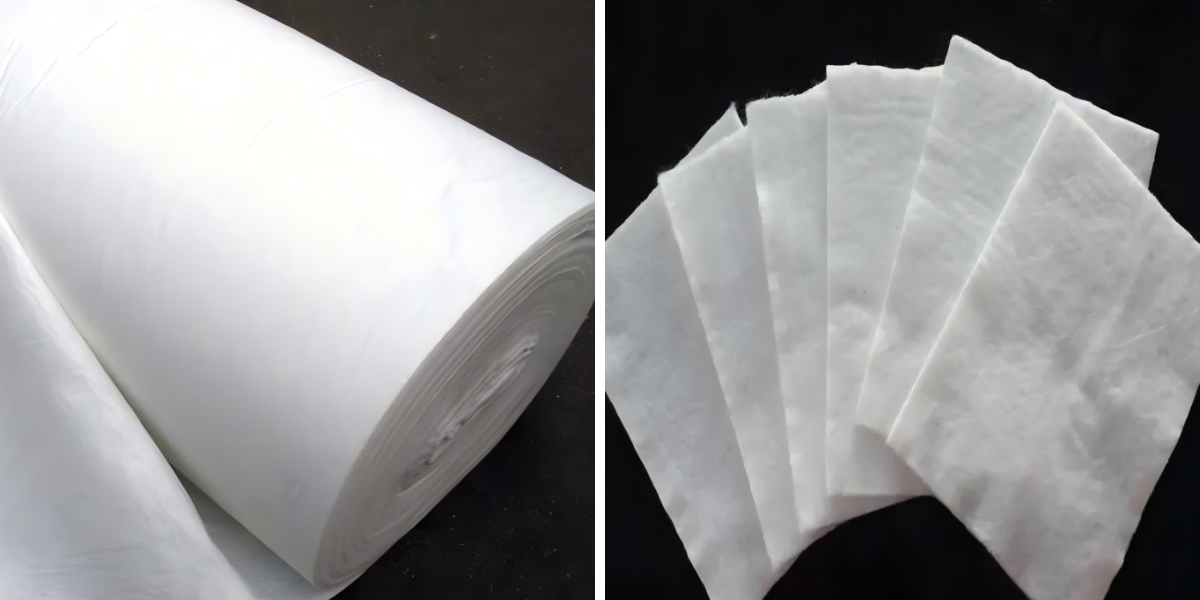
Non woven geotextile fabric has become the preferred material for most outdoor geotechnical projects due to its excellent comprehensive performance. Adopting advanced needle-punching integrated molding technology, qualified non woven geotextile fabric features uniform fiber distribution, good flexibility and strong overall integrity. Premium products are added with professional anti-UV and anti-aging auxiliary agents during production, which can effectively resist solar erosion and weather aging in long-term open-air environments.
High-quality fabric geotextile also has outstanding resistance to soil corrosion, water immersion friction and external mechanical extrusion. It can maintain stable physical and chemical properties in complex outdoor soil and water environments. In contrast, low-grade geotextile without professional weather-resistant treatment is prone to rapid aging, fiber cracking and functional failure after outdoor exposure, which cannot meet the long-term protection needs of outdoor infrastructure.
3. Standardize Operation to Prevent Artificial Damage to Geotextile
Many premature damage problems of outdoor geotextile are not caused by material quality problems, but by non-standard manual operation and rough construction. Standardizing the whole construction process can effectively protect the structural integrity of geotextile and retain its original engineering performance for a long time.
Construction workers must handle fabric geotextile gently during on-site deployment. It is necessary to avoid excessive stretching, violent dragging and sharp bending, which will cause irreversible damage to the internal fiber structure of fabric geotextile. Before construction, thoroughly clean the construction base surface to remove sharp gravel, hard sundries and protruding hard objects, so as to prevent puncture and scratch damage to the geotextile surface.
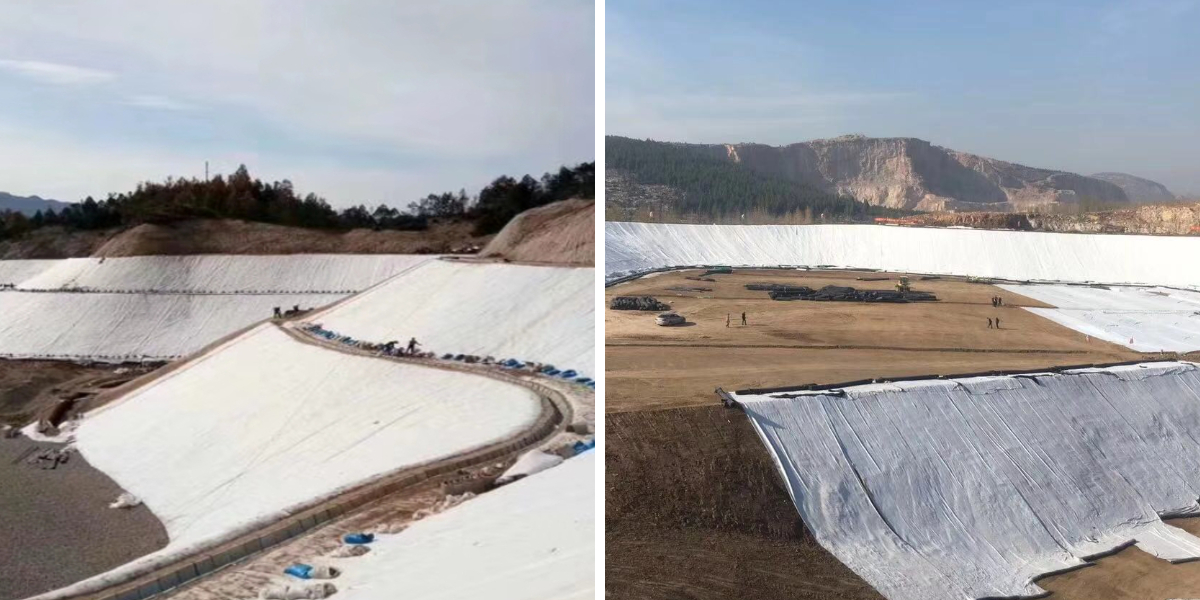
Strictly control the open-air exposure time of non woven geotextile fabric. After deployment, complete covering, backfilling and protection procedures as soon as possible to reduce direct UV irradiation. Standardize the lap joint and splicing process of geotextile to ensure flat and tight overall laying, avoid local wrinkles and gaps, and prevent stress concentration and partial aging damage of non woven geotextile fabric caused by uneven stress.
4. Deploy Targeted Outdoor Protection for Geotextile Durability
Aiming at the complex and changeable outdoor working environment, targeted protection measures must be taken for geotextile to slow down the natural aging process and maximize the service cycle of the material. Adaptive protection schemes can effectively resist various outdoor erosion factors.
UV shielding protection is the most core measure for outdoor fabric geotextile. For temporarily exposed geotextile sections during construction and operation, use soil, gravel or covering materials for shielding treatment to block direct sunlight. This measure effectively avoids photo-oxidation reaction of fibers, maintains the tensile strength and structural stability of fabric geotextile, and greatly delays aging speed.
Reasonable drainage optimization is essential to protect non woven geotextile fabric. Long-term water accumulation and damp environment will induce microbial growth and fiber corrosion, reducing the water permeability and structural stability of geotextile. Optimizing on-site drainage design can keep non woven geotextile fabric in a dry and stable working state and avoid performance attenuation caused by long-term water immersion.
For outdoor sites with special soil properties, targeted anti-corrosion protection shall be carried out for geotextile. Professional anti-corrosion treatment enables non woven geotextile fabric to adapt to acidic and alkaline soil environments, resist chemical erosion, and maintain stable working performance in harsh outdoor geological conditions.
5. Conduct Regular Inspection and Maintenance for Outdoor Geotextile
Regular inspection and refined daily maintenance are important guarantees to continuously maintain the working performance of outdoorgeotextile. Timely discovery and elimination of potential damage risks can effectively avoid small defects expanding into overall structural failure and significantly extend the service life of the material.
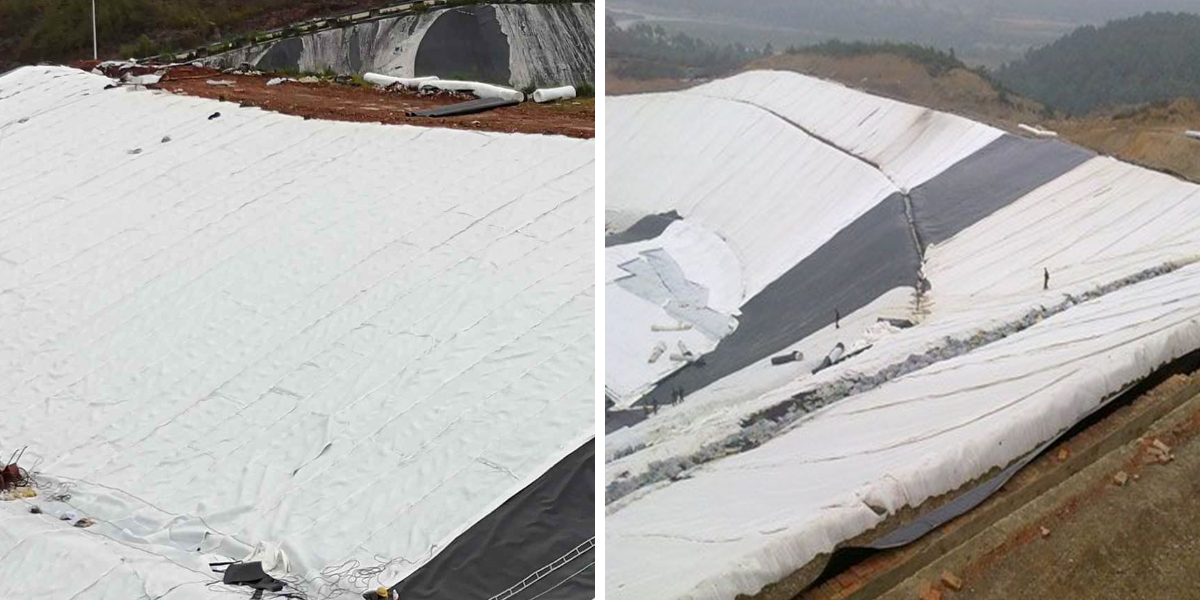
Establish a complete regular inspection mechanism for fabric geotextile. Focus on checking vulnerable parts such as material lap joints, edge fixing areas and long-term exposed sections, where wear, displacement and aging problems are most likely to occur. Timely repair minor damage found during inspection to prevent continuous expansion of damage points.
Carry out regular cleaning and maintenance work fornon woven geotextile fabric. Clean up surface sediment, fallen leaves and accumulated sundries regularly to avoid local damp corrosion and mold growth caused by long-term coverage. Reinforce the fixed parts of non woven geotextile fabric regularly to enhance wind resistance and water scouring resistance in outdoor open environments.
Make pre-protection maintenance before extreme weather seasons to shield geotextile from severe weather impact. Effective seasonal maintenance ensures that the geotextile structure remains intact and functional throughout alternating high temperature, heavy rain and freezing weather.
6. Final Thoughts
Extending the service life of outdoor geotextile is a systematic work covering material selection, standardized construction, environmental protection and daily maintenance. High-quality non woven geotextile fabric provides excellent weather resistance foundation for outdoor engineering. Standardized on-site operation avoids artificial damage to materials. Targeted outdoor protection effectively resists natural erosion and aging. Sustained daily maintenance keepsfabric geotextile in stable working condition for a long time. Adopting these comprehensive scientific strategies can maximize the service life of geotextile, reduce project operation and replacement costs, and provide stable and reliable long-term protection for all kinds of outdoor geotechnical projects.