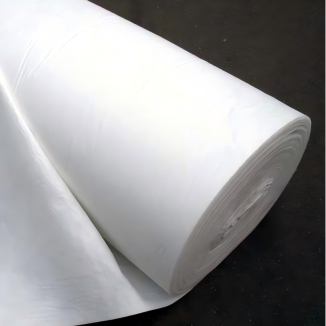
The Application of HDPE Geomembrane in Lining Works of Landfill Sites
1. Introduction to Landfill Lining and HDPE Geomembrane
Modern landfill construction focuses on ecological safety and long-term environmental protection, where professional barrier materials determine the overall environmental protection effect of the project. Among various geosynthetic materials used in waste disposal engineering, hdpe geomembrane has become the mainstream lining solution for global landfill projects. A qualified geomembrane serves as the basic isolation barrier of landfill systems, effectively blocking the diffusion of internal pollutants and avoiding damage to surrounding soil and water environments. The impermeable geomembrane liner is specially customized for landfill complex working conditions, solving the core pain points of traditional anti-seepage materials such as poor stability and weak isolation performance, and has become an essential material for standardized landfill construction.
With the continuous upgrading of global environmental protection regulations, landfill lining systems have put forward higher requirements for material durability, anti-corrosion and anti-seepage performance. Traditional lining materials are difficult to adapt to long-term waste erosion and outdoor exposure environments, while hdpe geomembrane perfectly matches the rigorous construction standards of modern landfills. The stable structural characteristics of this geomembrane ensure that the lining system can maintain continuous and effective barrier performance during long-term landfill operation, and the impermeable geomembrane liner builds a solid safety line for environmental protection of waste disposal sites.
2. Core Advantages of HDPE Geomembrane for Landfill Lining
The widespread application of hdpe geomembrane in landfill lining projects stems from its unique material advantages that are highly compatible with landfill working conditions. First of all, this hdpe geomembrane has excellent integral impermeability, which is the core advantage of landfill anti-seepage lining. Different from ordinary waterproof materials, the compact molecular structure of the geomembrane can effectively block the penetration of landfill leachate and harmful gas mixtures, preventing pollutant leakage from the source.
Secondly, the impermeable geomembrane liner features outstanding chemical corrosion resistance. Landfill leachate contains a variety of acidic, alkaline and organic corrosive substances, and most conventional materials are prone to aging and damage in such environments. In contrast, the special material formula of hdpe geomembrane enables it to resist long-term chemical erosion, maintain stable physical properties, and avoid lining failure caused by material corrosion. This geomembrane can adapt to various types of municipal and industrial waste landfill environments, with strong scene adaptability.
In addition, hdpe geomembrane has good flexibility and structural stability. The foundation of landfill sites will produce slight settlement and deformation with the accumulation of waste, and the flexible characteristics of this geomembrane can effectively adapt to foundation changes without cracking or damage. The impermeable geomembrane liner can fit closely with the landfill base and slope structure, forming an integrated seamless barrier system, which greatly improves the overall safety and stability of the landfill lining project.
3. Key Application Scenarios of HDPE Geomembrane in Landfill Projects
3.1 Bottom Lining of Waste Landfills
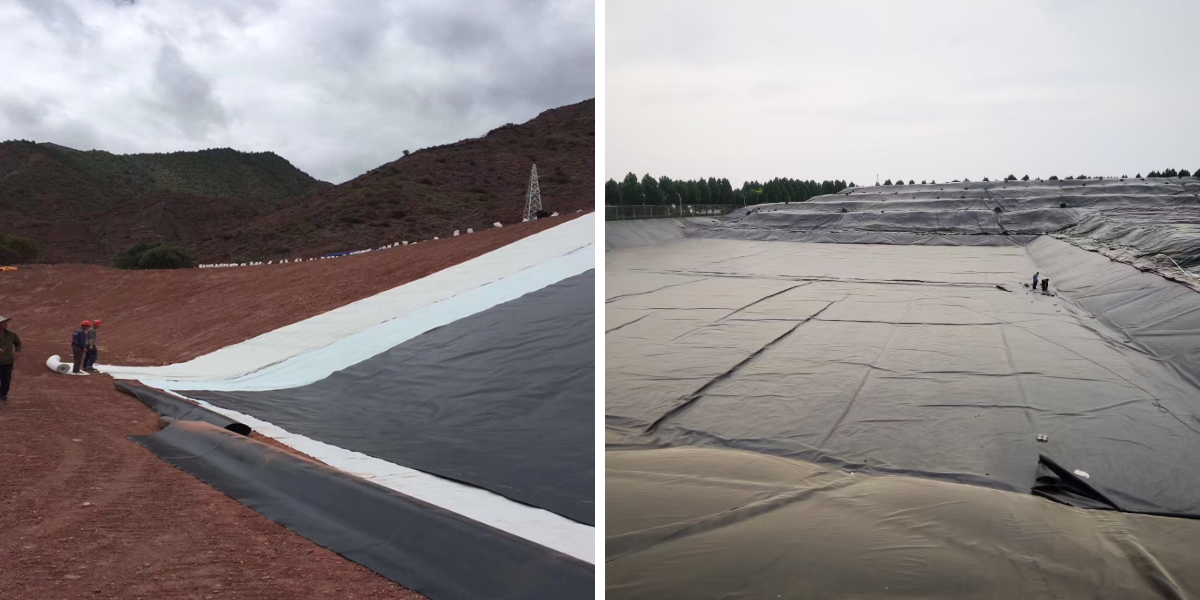
Bottom anti-seepage lining is the most critical application link of hdpe geomembrane in landfill projects. The bottom of the landfill is in direct contact with accumulated waste and leachate, which requires ultra-high anti-seepage and anti-corrosion performance of lining materials. Laying hdpe geomembrane on the landfill base can form a closed isolation layer. This geomembrane completely isolates internal pollutants from the underground soil and groundwater system, thoroughly avoiding the risk of groundwater and soil pollution caused by leachate infiltration. The high-strength impermeable geomembrane liner bears the core anti-seepage task of the entire landfill bottom system, ensuring the long-term environmental safety of the waste site.
3.2 Slope Protection and Lining
Landfill side slopes are prone to water scouring and structural loosening, which may lead to pollutant overflow. hdpe geomembrane is widely used in slope lining protection of landfills due to its strong tensile and tear resistance. This geomembrane can fix the slope structure, prevent rainwater from scouring the slope and penetrating into the landfill interior, and reduce the generation of leachate. The impermeable geomembrane liner forms a stable protective layer on the slope surface, which not only realizes anti-seepage isolation, but also enhances the overall structural stability of the landfill slope and avoids engineering safety hazards.
3.3 Landfill Capping and Closure Lining
After the landfill reaches its service capacity, capping and closure treatment is required, and hdpe geomembrane is the preferred lining material for landfill closure systems. Laying this geomembrane on the top of the closed landfill can effectively block external rainwater infiltration, reduce the accumulation of internal leachate, and inhibit the outward diffusion of landfill gas. The impermeable geomembrane liner cooperates with the top drainage and vegetation protection system to realize the ecological closure of the landfill, reduce later environmental maintenance pressure, and promote the ecological restoration of the waste site.
4. Comparison Between HDPE Geomembrane and Traditional Landfill Lining Materials
In traditional landfill construction, clay layers and ordinary plastic films are often used for anti-seepage lining, but these materials have obvious limitations compared with hdpe geomembrane. The traditional clay anti-seepage layer requires a large amount of earthwork treatment, which will damage the original ecological environment, and the anti-seepage effect is unstable and easily affected by weather and foundation changes. In contrast, hdpe geomembrane is lightweight and easy to construct, which can complete high-standard lining construction with minimal ecological damage. This geomembrane has stable performance and will not lose anti-seepage effect due to environmental changes.
Ordinary plastic lining films have poor aging resistance and low structural strength, and are easy to be pierced and damaged by waste residues, resulting in anti-seepage failure. The impermeable geomembrane liner optimized for landfill working conditions has strong puncture resistance and aging resistance, and can maintain long-term stable performance in outdoor open environments. The integrated welding construction of hdpe geomembrane can realize seamless splicing, completely solving the seepage loopholes existing in traditional material laying, and greatly improving the reliability of landfill lining projects.
5. Construction Principles for HDPE Geomembrane Landfill Lining
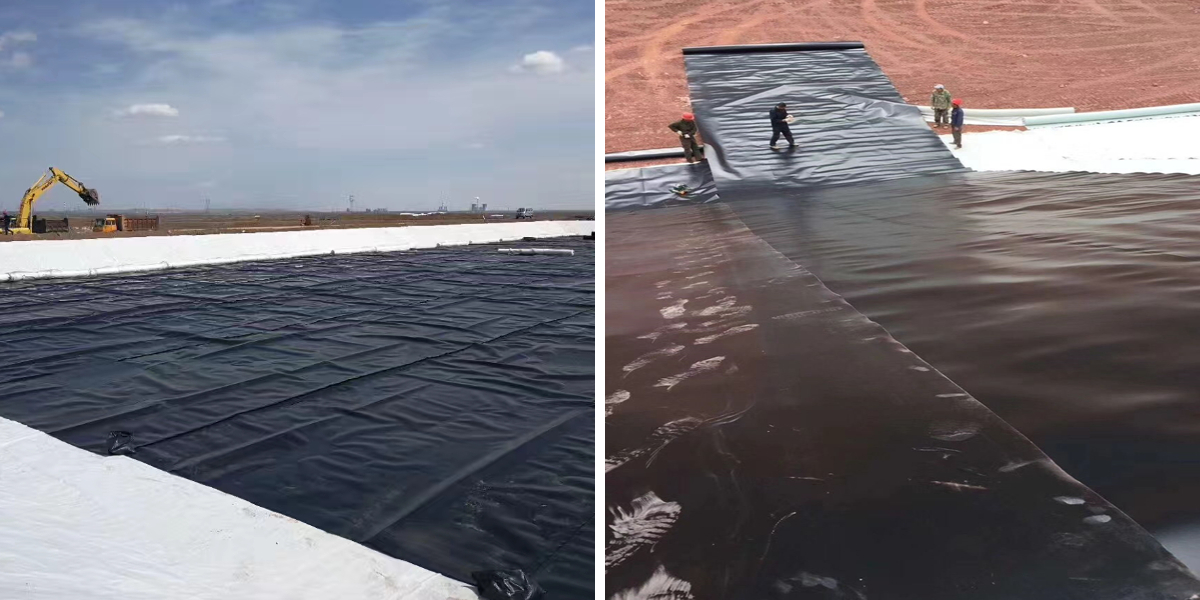
To maximize the service performance of hdpe geomembrane in landfill lining projects, standardized construction management is essential. Before construction, the foundation surface needs to be fully sorted to remove sharp impurities that may damage the geomembrane, ensuring a flat and clean laying base. The overall laying of hdpe geomembrane needs to follow the principle of tight fitting and flat paving, reserving reasonable deformation gaps to cope with foundation settlement and temperature changes.
Splicing and welding are the core construction links of the impermeable geomembrane liner. All joints of the geomembrane need professional hot-melt welding to ensure seamless connection of the whole lining system and avoid seepage risks at the joints. After the completion of construction, comprehensive anti-seepage inspection and quality acceptance shall be carried out to check the integrity and tightness of hdpe geomembrane, so as to ensure that the lining system meets the environmental protection and safety standards of landfill operation.
6. Conclusion
As a high-performance geosynthetic material dedicated to landfill anti-seepage engineering, hdpe geomembrane has irreplaceable application value in modern landfill lining projects. The excellent impermeability, corrosion resistance and structural stability of this geomembrane provide reliable long-term anti-seepage protection for landfill bottom lining, slope protection and closure capping. The professional impermeable geomembrane liner effectively isolates landfill pollutants, protects soil and groundwater resources, and helps landfill projects achieve green, safe and standardized operation. With the continuous improvement of environmental protection engineering standards, hdpe geomembrane will become more widely used in global landfill lining and environmental governance projects.