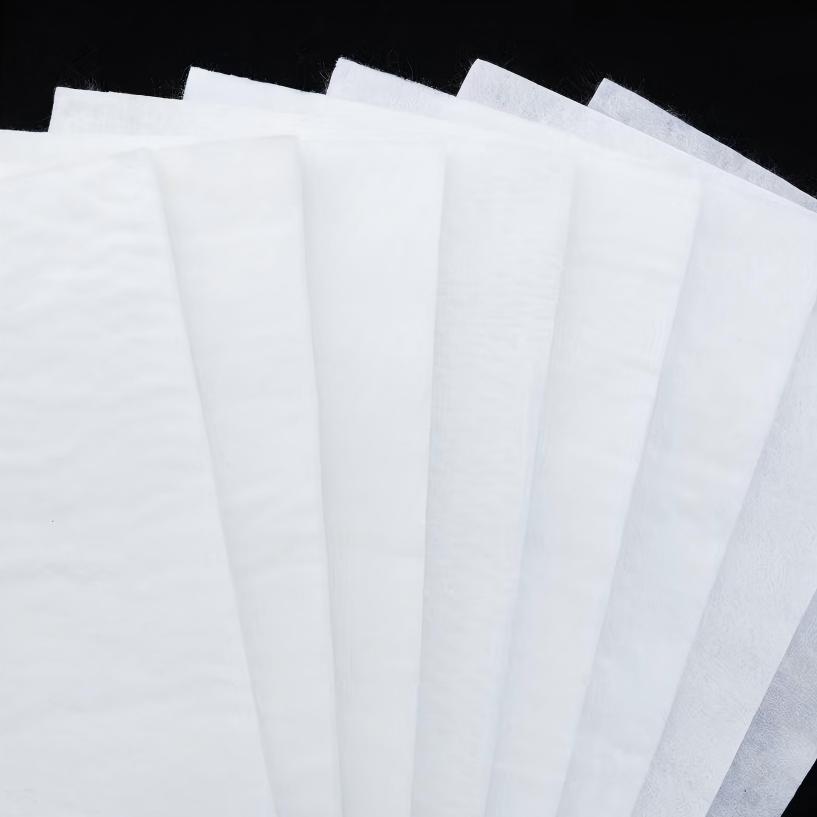
Class 2 Geotextile
1. Excellent permeability: With high porosity, water can pass through but can block soil particles, achieving the goal of "water passing through soil but not exceeding"
2. Stable mechanical properties: high tensile strength, tear resistance, puncture resistance, and slow performance degradation in dry, wet, acidic and alkaline environments
3. Strong corrosion resistance and durability: Synthetic fibers are resistant to acid and alkali, salt spray, and microbial erosion, with a service life of up to 20-50 years in underground or water environments
4. Good flexibility and adaptability: can be freely bent and cut, can closely adhere to irregular rock and soil surfaces, and is not easily damaged during construction
Product Introduction:
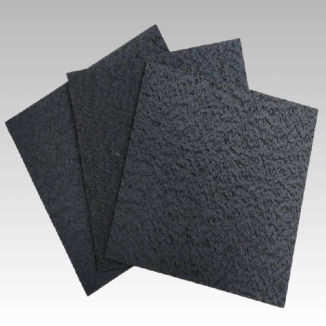
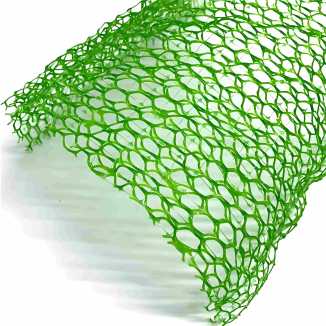
Class 2 Geotextile is a permeable synthetic fiber material specifically used in civil engineering. It is essentially a piece of "cloth", but it is not made of natural fibers such as cotton and linen, but rather processed from high molecular weight polymers such as polypropylene (PP) and polyester (PET) through processes such as spunbond, needle punching, and machine weaving.
Due to its excellent performance, it has become an indispensable "new engineering material" in modern geotechnical and civil engineering. Together with geosynthetic materials such as geomembranes and geogrids, it forms the geosynthetic material family and is known as the "fourth largest building material" after steel, cement, and wood.
Main Features
The reason why geotextiles are widely used is due to their following core characteristics:
Isolation function
Function: Isolate two different particle sizes of soil or materials (such as gravel and soft soil) to prevent them from mixing with each other.
Effect: Maintain the integrity and structural function of different layer materials, prevent soft soil layers from invading the drainage layer, and ensure load capacity. It's like laying a "carpet" between the roadbed and soft soil foundation to prevent stones from sinking into the mud.
filter function
Function: Allow water flow to pass vertically through the fabric, while effectively "intercepting" and protecting soil particles from being lost with the water flow.
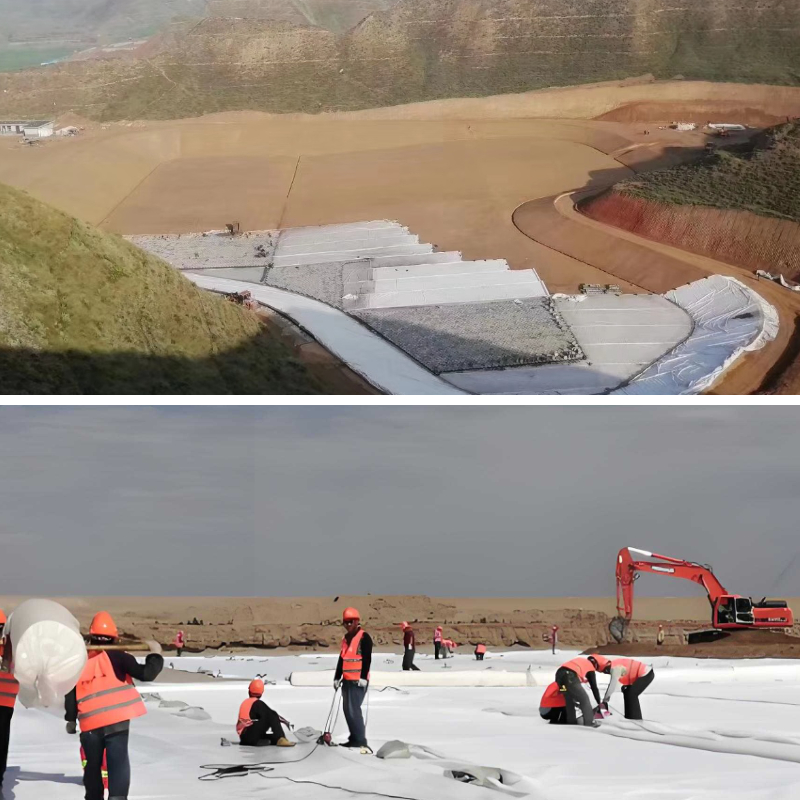
Effect: When used around the drainage system, it can prevent piping and soil erosion, while ensuring the long-term smoothness of the drainage system. For example, by laying geotextile between the gravel layer of the revetment and the soil, water can flow away but the soil will not be washed away.
drainage function
Function: Geotextile itself is a porous medium that can form drainage channels within its plane, collecting and discharging excess water in the soil (such as rainwater and groundwater).
Effect: Effectively reduce groundwater level, decrease soil pore water pressure, accelerate soil consolidation, and improve stability.
Reinforcement function
Function: Utilizing the high tensile strength of geotextile and the friction between geotextile and soil, geotextile is used as a "reinforcement material" to disperse soil stress and limit lateral displacement of soil.
Effect: Improve the bearing capacity and stability of soil, commonly used for reinforcing steep slopes, soft soil foundations, and reinforced retaining walls.
protective function
Function: As a buffer layer, it reduces the damage of external stress (such as water flow erosion and rockfall impact) to the underlying materials.
Effect: Protect waterproof layers (such as geomembranes) from being punctured, or protect riverbeds and coasts from direct erosion by water flow.
Other advantages
Corrosion resistance: Synthetic fibers have good resistance to microorganisms, insect infestations, acid and alkali, and have good durability.
Easy construction: Soft texture, light weight, convenient transportation and laying, able to adapt to complex terrain.
High cost-effectiveness: With excellent comprehensive performance, it can significantly reduce the amount of traditional materials such as sand and gravel, lower engineering costs and maintenance expenses.
Main types
According to different manufacturing processes and structures, geotextiles are mainly divided into the following categories:
Non woven geotextile (non-woven geotextile)
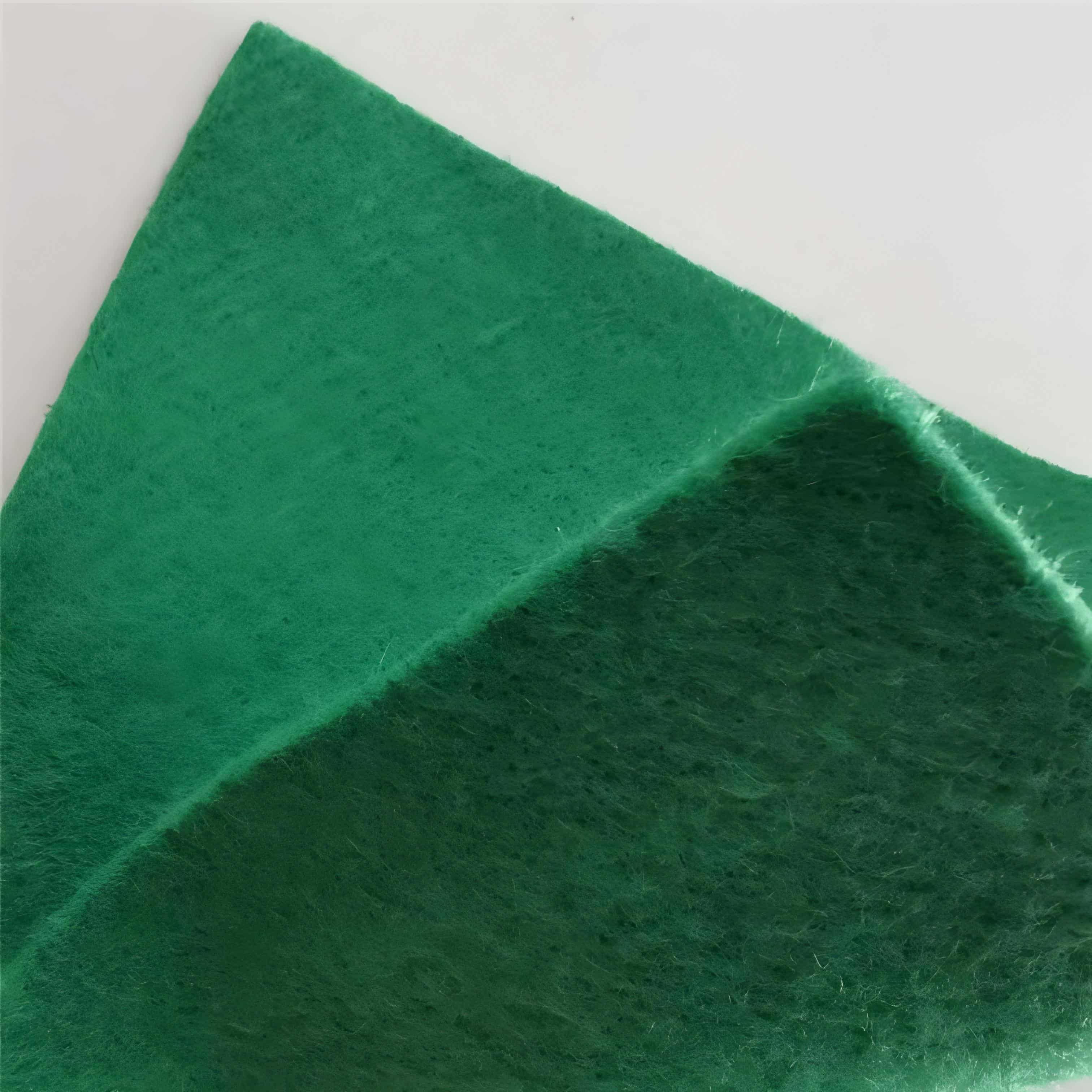
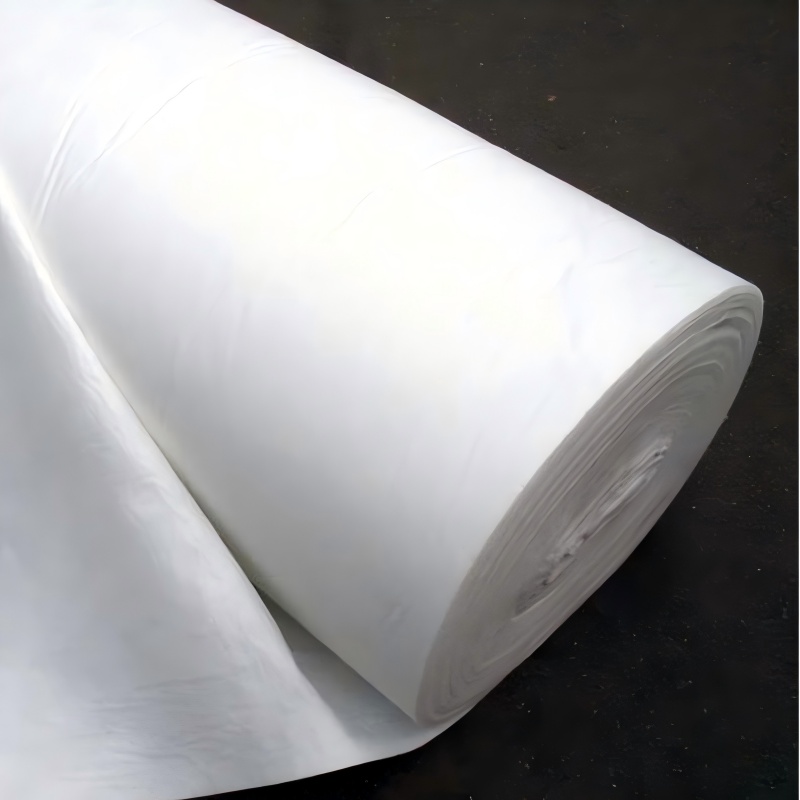
Manufacturing process: Synthetic fibers are mechanically combed into a mesh, and then reinforced by needle punching, thermal bonding, or chemical bonding. The most common is needle punched non-woven fabric.
Features: It looks like felt, isotropic (with similar performance in all directions), and has good filtering, isolation, and drainage functions. This is the most widely used category.
Woven geotextile (woven geotextile)
Manufacturing process: Weave yarn (long or flat) in a certain direction, similar to the clothes we usually wear.
Features: Stable structure, high tensile strength, but the uniformity of pores is not as good as non-woven fabric. Mainly used for reinforcement, isolation, and protection engineering, with relatively poor filtration performance.
Manufacturing process: Made using warp knitting or weft knitting technology.
Characteristics: Relatively few applications, usually used in specific situations that require high tensile performance.
Product Parameters:
project | metric | ||||||||||
Nominal strength/(kN/m) | |||||||||||
6 | 9 | 12 | 18 | 24 | 30 | 36 | 48 | 54 | |||
1 | Longitudinal and transverse tensile strength / (kN/m) ≥ | 6 | 9 | 12 | 18 | 24 | 30 | 36 | 48 | 54 | |
2 | Maximum elongation at maximum load in longitudinal and transverse directions/% | 30~80 | |||||||||
3 | CBR top penetration strength /kN ≥ | 0.9 | 1.6 | 1.9 | 2.9 | 3.9 | 5.3 | 6.4 | 7.9 | 8.5 | |
4 | Longitudinal and transverse tearing strength /kN | 0.15 | 0.22 | 0.29 | 0.43 | 0.57 | 0.71 | 0.83 | 1.1 | 1.25 | |
5 | Equivalent aperture O.90(O95)/mm | 0.05~0.30 | |||||||||
6 | Vertical permeability coefficient/(cm/s) | K× (10-¹~10-), where K=1.0~9.9 | |||||||||
7 | Width deviation rate /% ≥ | -0.5 | |||||||||
8 | Unit area mass deviation rate /% ≥ | -5 | |||||||||
9 | Thickness deviation rate /% ≥ | -10 | |||||||||
10 | Thickness coefficient of variation (CV)/% ≤ | 10 | |||||||||
11 | Dynamic perforation | Puncture hole diameter/mm ≤ | 37 | 33 | 27 | 20 | 17 | 14 | 11 | 9 | 7 |
12 | Longitudinal and transverse fracture strength (grab method)/kN ≥ | 0.3 | 0.5 | 0.7 | 1.1 | 1.4 | 1.9 | 2.4 | 3 | 3.5 | |
13 | Ultraviolet resistance (Xenon arc lamp method) | Longitudinal and transverse strength retention rate% ≥ | 70 | ||||||||
14 | Ultraviolet resistance (fluorescence UV lamp method) | Longitudinal and transverse strength retention rate% ≥ | 80 | ||||||||
Product Applications:
1. Highway and railway engineering
Isolation: Lay geotextile between the roadbed filling material and the foundation soil to avoid mixing of different particle sizes of soil and prevent roadbed settlement or grouting.
Reinforcement: laying woven geotextile on soft soil foundation to improve the bearing capacity of the foundation and reduce post construction settlement of the roadbed; Add geotextile to the base layer of the road surface to enhance its crack resistance.
Drainage: Install needle punched geotextile in blind ditches on both sides of the roadbed to filter rainwater, prevent blind ditch blockage, and ensure smooth drainage of the roadbed.
2. Water conservancy and waterway engineering
Anti filtration and drainage: Needle punched geotextile is laid on the outer side of the anti-seepage body (such as geomembrane) of dams and river embankments to form an anti filtration layer, preventing soil particles from flowing away with water (avoiding piping), and discharging accumulated water inside the dam body.
Protection: Lay woven geotextiles or composite geotextiles on the upstream face of dams and river bank slopes to resist water erosion and protect the slope soil from erosion.
Reinforcement: laying woven geotextile in the dam body or foundation of earth rock dams to improve the stability of the dam body and reduce deformation.
3. Municipal and Environmental Engineering
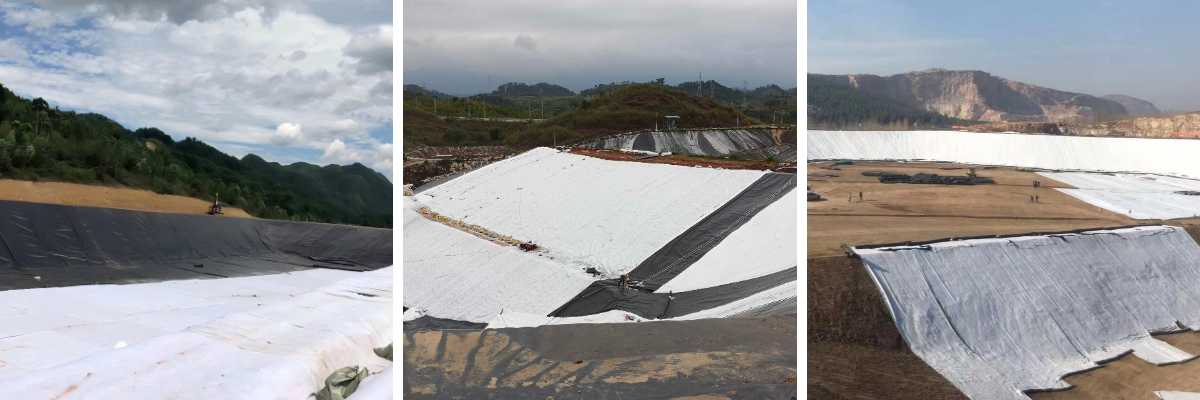
Landfill site: As a protective layer for the anti-seepage layer (geomembrane), it prevents sharp objects from penetrating the anti-seepage film; At the same time, as a filtering layer, it collects leachate and filters impurities to avoid clogging of the leachate collection pipe.
Sewage treatment plant: laying needle punched geotextile at the bottom of sedimentation tanks and oxidation ditches to filter sludge and improve water quality; Used for isolation and drainage in sludge landfill sites.
Tunnels and underground engineering: Textile clay geotextile is laid between the tunnel lining (concrete pipe segments) and the surrounding rock as a buffer layer and drainage layer to discharge water seepage from the surrounding rock and protect the lining structure.
4. Construction and Slope Engineering
Foundation treatment: Lay woven geotextile on soft soil foundation (such as silt and peat soil), and form a reinforced foundation with sand and gravel cushion layer to improve the bearing capacity of the building foundation.
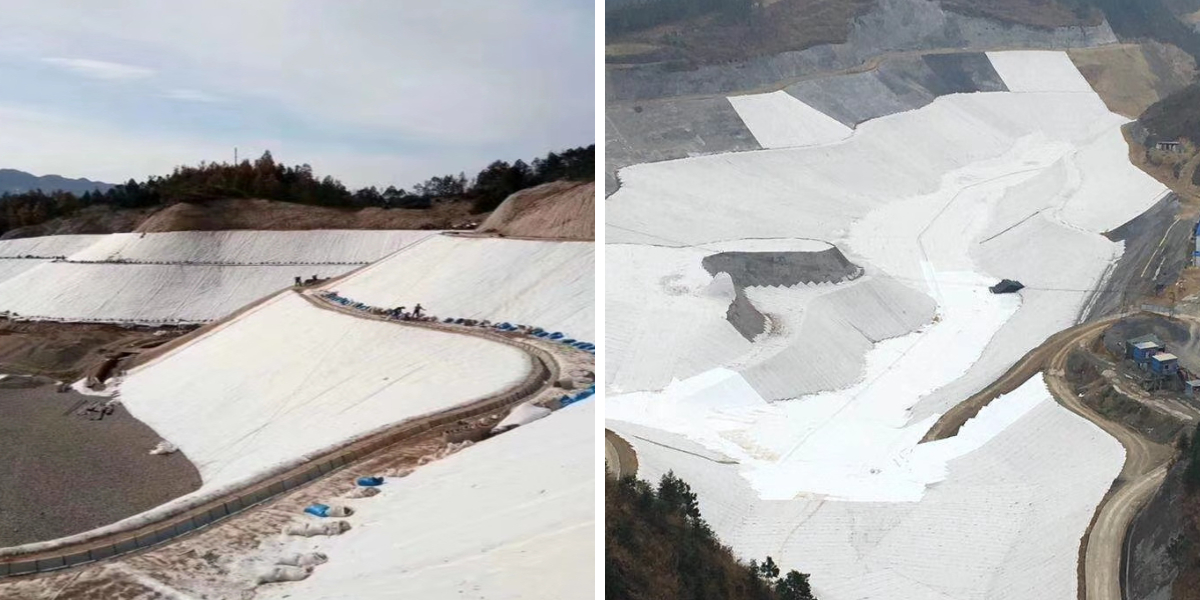
Slope protection: laying needle punched geotextile on the slopes of highways, railways, or mountains to cover the slope surface and prevent soil erosion caused by rainwater erosion; If combined with vegetation planting (such as spraying grass seeds), an ecological protection system of "geotextile+vegetation" can be formed.
5. Agricultural and Mining Engineering
Agricultural irrigation: Lay geotextile at the bottom of irrigation channels and reservoirs to prevent channel leakage, filter impurities in water, and avoid channel blockage.
Mine reclamation: laying geotextiles in abandoned mines or tailings ponds after mining to isolate toxic and harmful tailings from surface soil, providing a foundation for vegetation restoration; At the same time, as a drainage layer, it discharges the accumulated water in the tailings pond.
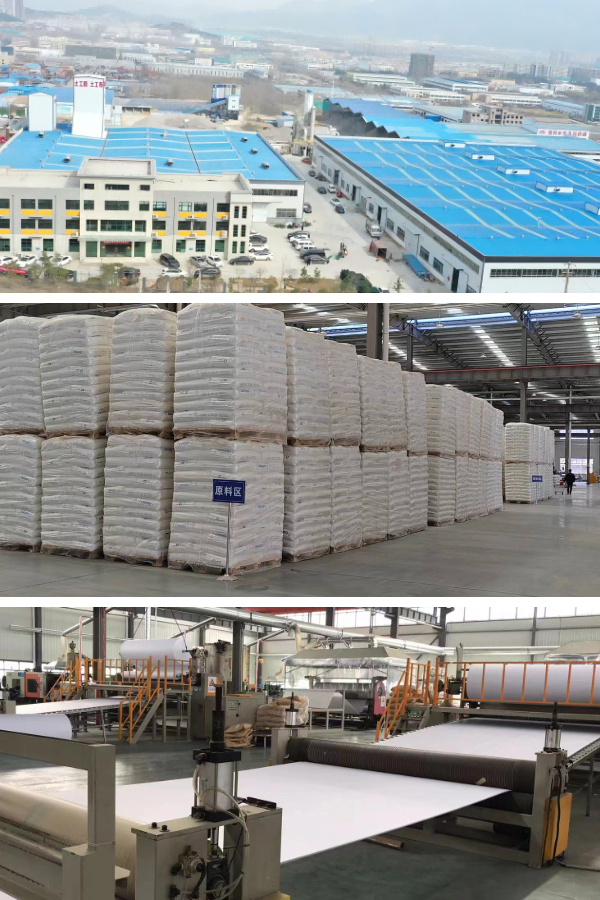
Geotextile, as a multifunctional helper in geotechnical engineering, has expanded from traditional water conservancy and transportation engineering to multiple fields such as municipal, environmental protection, and agriculture due to its characteristics of permeability, high strength, and corrosion resistance. Its core value lies in solving basic problems in engineering (such as filtration, reinforcement, and protection) through "low-cost, high-efficiency" methods, reducing engineering hazards, and extending engineering life. In practical applications, it is necessary to accurately select types and specifications according to engineering requirements, and strictly control construction quality in order to fully leverage its performance advantages.