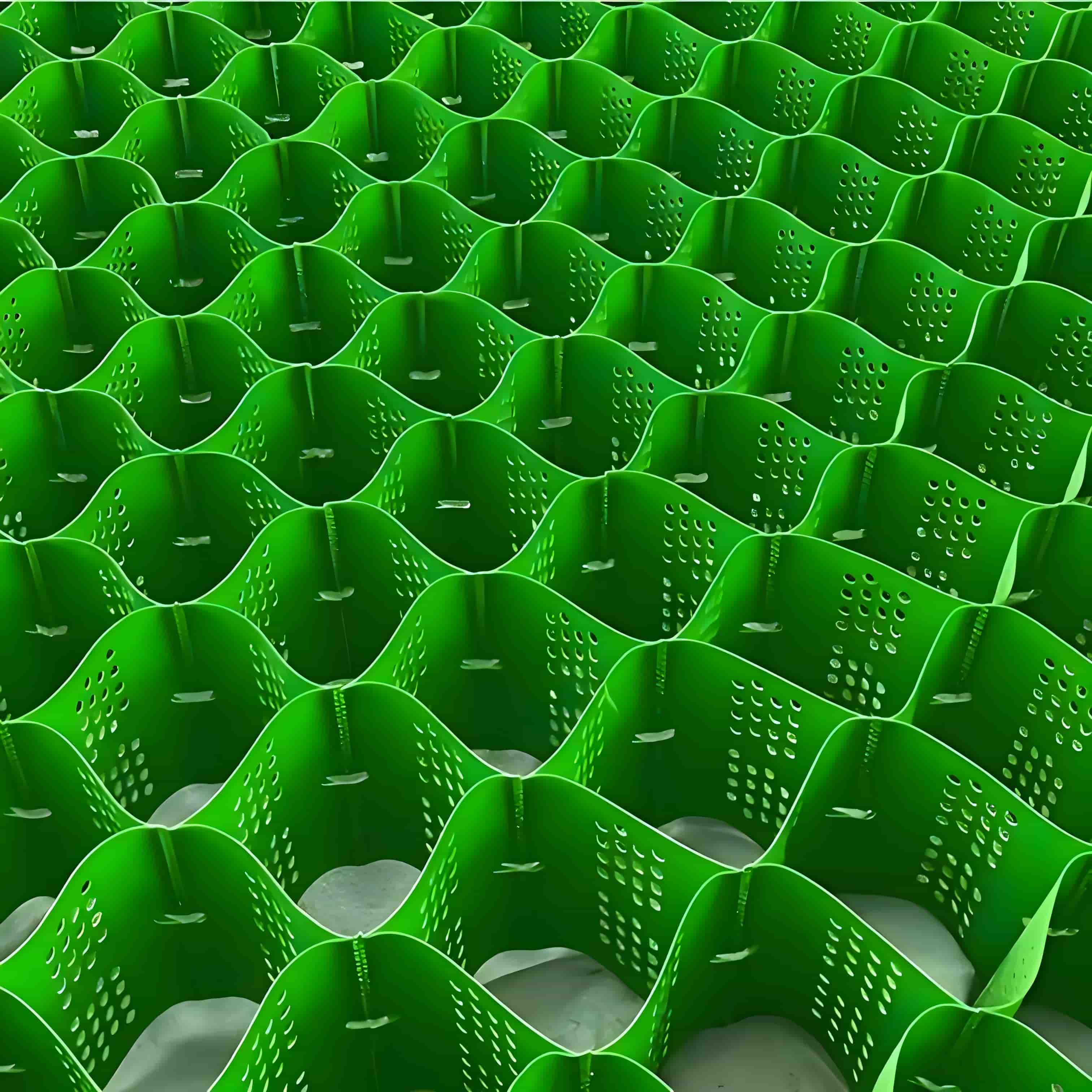
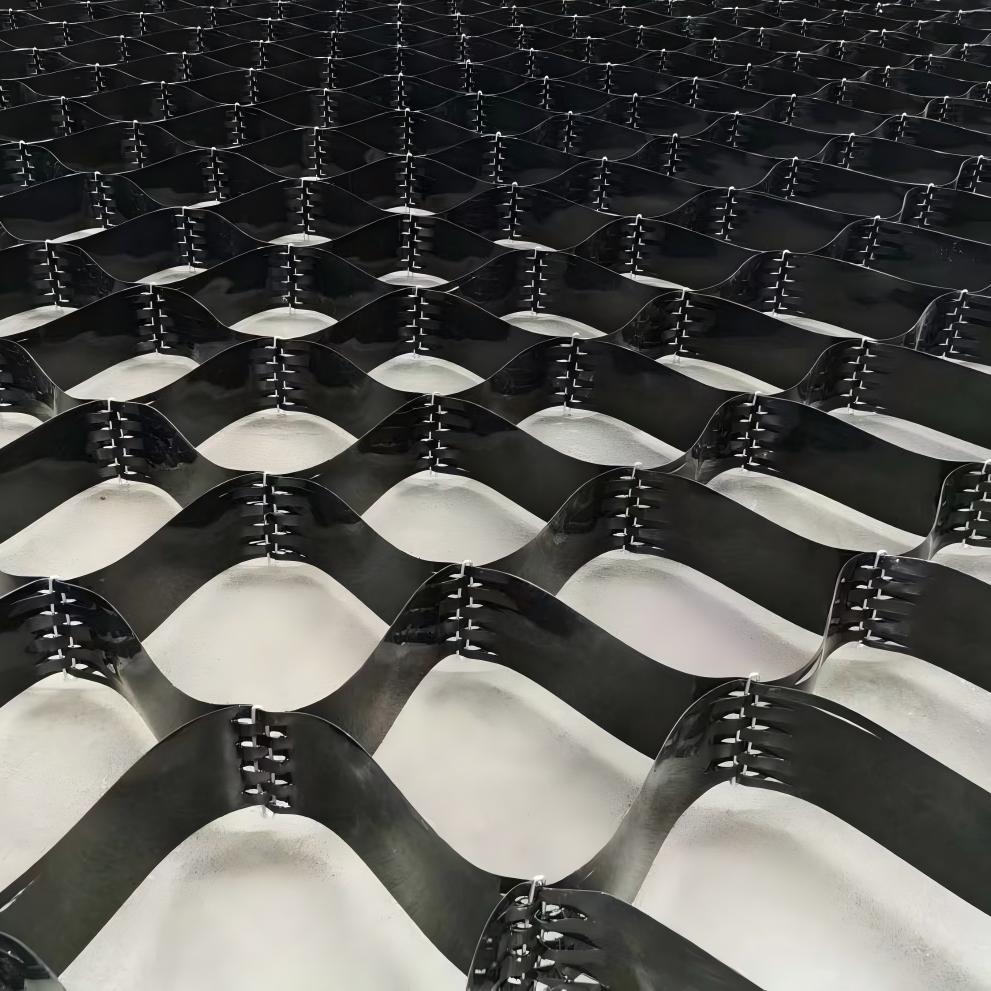
Geocell Driveway Mat
1.Strong Bearing Capacity:Effectively disperse pressure, prevent ground sinking and rutting.
2.Stable Structure:Lock filling materials tightly, keep pavement flat and firm long-term.
3.Easy Installation:Lightweight and flexible, quick laying, save labor and construction time.
4.Durable & Eco-friendly:Anti-aging and weather resistant, good drainage, protect soil environment.
Product Introduction:
Basic Properties
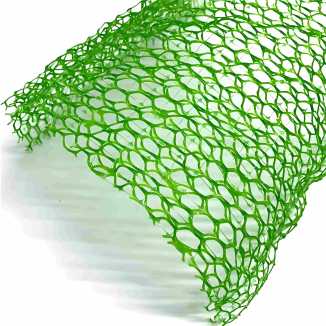
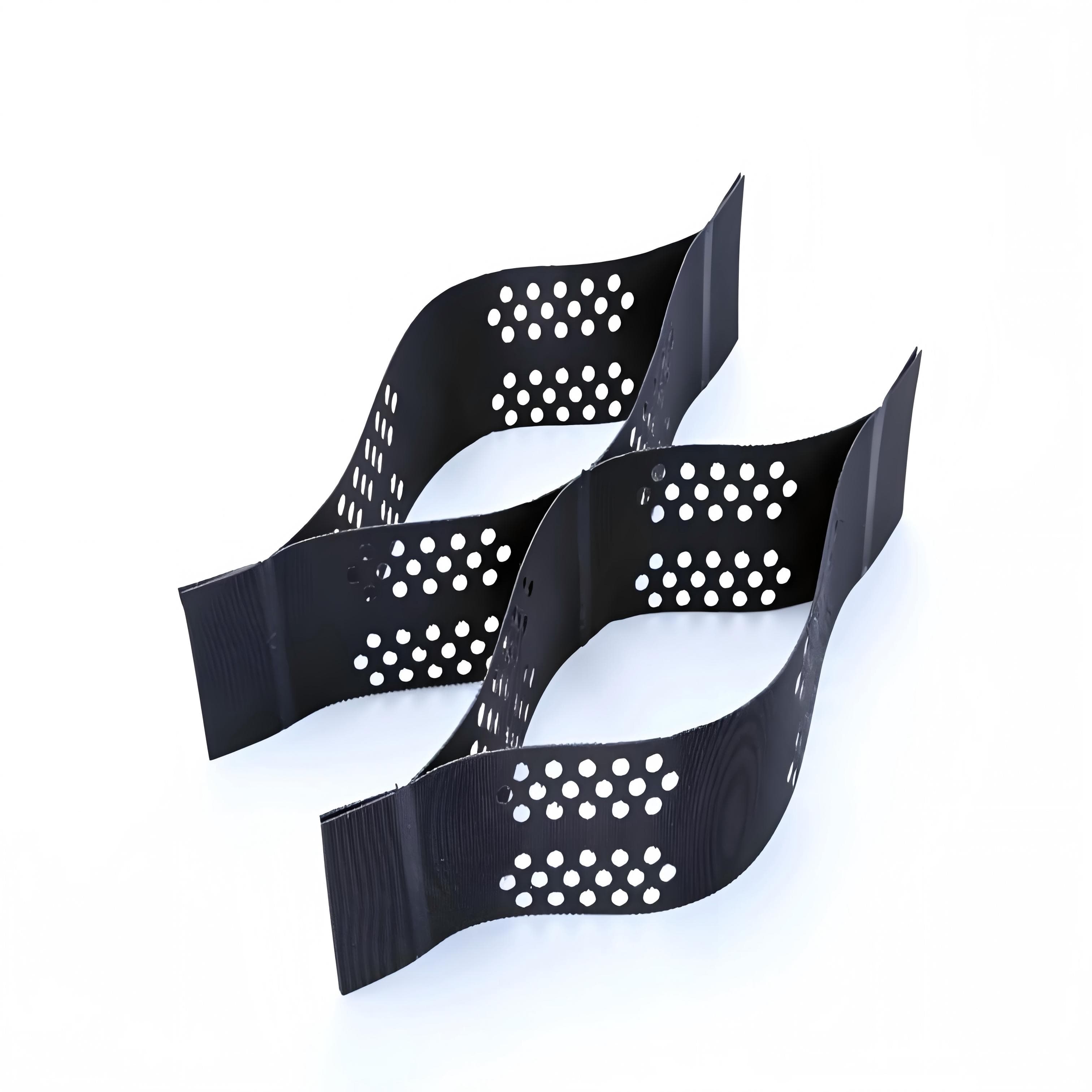
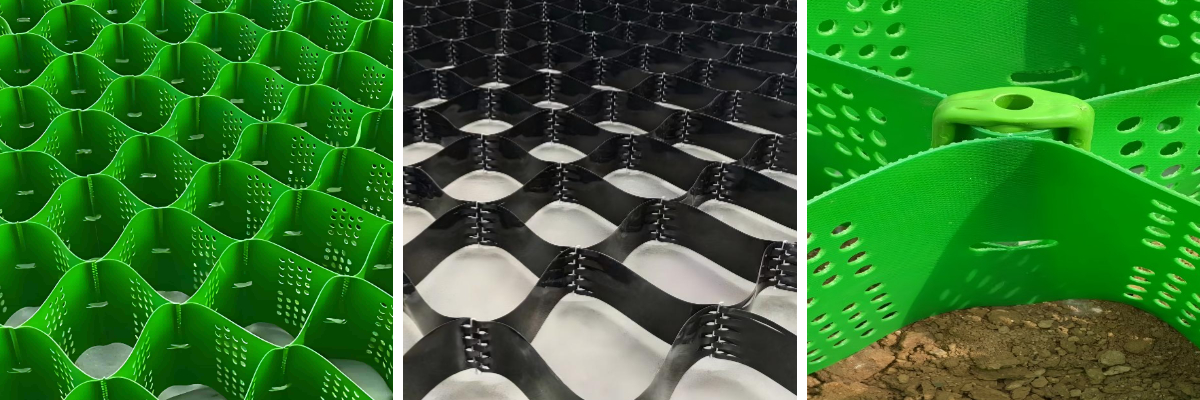
Geocell Driveway Mat is a three-dimensional honeycomb geosynthetic material made of high-strength polyethylene sheets. It is flexible, foldable and easy to transport and store. It can be freely stretched on site to fit various terrains, with complete specifications and stable physical properties, suitable for all kinds of ground paving projects.
Core Functions
It mainly fixes and locks gravel, soil and other filling materials firmly, effectively disperses vehicle pressure, avoids road surface depression and deformation. It also has good drainage effect, reduces water accumulation damage to the road base, stabilizes the ground foundation, prevents soil loss and road collapse, and greatly improves the overall bearing capacity of the driveway.
Main Features
This product is simple to lay without complicated construction technology, which can greatly shorten the construction period and save engineering costs. It features excellent anti-aging, corrosion resistance and weather resistance, adapting to all kinds of harsh outdoor environments with long service life. It is eco-friendly and permeable, conducive to vegetation growth, and the paved road surface is flat and solid with comfortable driving experience, low later maintenance cost.
Product Parameters:
order number | raw and processed material | |||||||
test item | unit | polytene | sulan | polyester | ||||
Extruded type | Stretch type | Extruded type | Stretch type | Extruded type | Stretch type | |||
1 | tensile strength | kN/m | ≥20 | ≥100 | ≥23 | ≥100 | ≥30 | ≥120 |
2 | Tensile yield strain | % | ≤15 | — | ≤15 | — | ≤15 | - |
3 | Tensile fracture strain | % | — | 8~ 20 | — | 6~ 15 | — | 8~ 20 |
4 | Carbon black content a | % | 2. 0~ 3. 0 | |||||
5 | Carbon black dispersion a | — | There should be no more than one level 3 data item in ten data items and no level 4 or 5 data items | |||||
6 | 200℃ oxidation induction time | min | ≥20 | ≥20 | — | |||
7 | Tensile load stress cracking | h | ≥300 | — | ||||
8 | B. Resistance to artificial climate aging retention rateb | % | ≥80 | |||||
9 | Chemical resistance performance retention rate c | % | — | ≥80 | ||||
Product Applications:
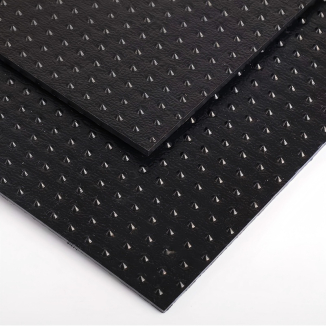
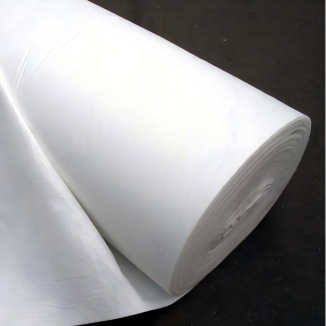
As a core application in residential and courtyard settings, private gravel driveways are the most common application for Geocell Driveway Mats. Traditional private gravel driveways generally suffer from problems such as easy gravel loss, easy pothole formation, and the need for annual refills, especially during the rainy season when they become muddy and during the dry season when they become dusty, affecting both the driving experience and increasing long-term maintenance costs. The application of Geocell Driveway Mats completely solves this problem: during installation, the site is first leveled, geotextile is laid (to prevent soil penetration), then the geocells are unfolded and fixed, and finally, gravel (or crushed stone, graded sand and gravel) is filled and compacted. The grid structure firmly locks the filler, preventing gravel displacement and loss due to vehicle traffic.
Compared to traditional gravel driveways, the application of Geocell Driveway Mats in private gravel driveways can reduce the amount of gravel filler used by 50%, significantly reducing initial construction costs. At the same time, it effectively distributes vehicle loads, preventing potholes and ruts even with long-term traffic of family cars and SUVs. Its service life can reach 10-20 years, during which time frequent gravel refills are unnecessary, and maintenance costs are negligible. Furthermore, the gaps between the filled gravel stones offer excellent permeability, preventing water accumulation and mud in rainy weather and reducing dust during the dry season. This suits the daily passage needs of courtyards, making private gravel driveways a core application of this product in residential and courtyard settings.
Besides private gravel driveways, courtyard parking areas and RV campgrounds are also important application scenarios for Geocell Driveway Mat. Many families set up dedicated parking areas in their courtyards, or have parking needs for RVs and trailers. Traditional concrete parking areas are expensive, have long construction periods, and damage courtyard greenery; ordinary gravel surfaces cannot withstand the heavy loads of RVs and trailers, easily leading to ground subsidence and collapse. Geocell Driveway Mat perfectly meets this need. By selecting the appropriate thickness based on the parking load, and then filling it with gravel or fine aggregate concrete, a stable parking surface can be formed.
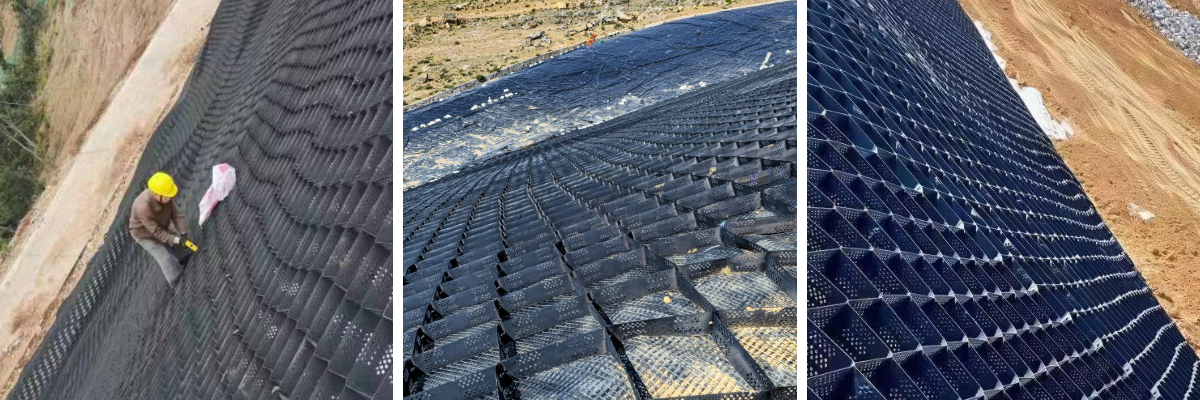
In courtyard parking areas and RV campsites, Geocell Driveway Mats offer a crucial application scenario. Their honeycomb structure effectively confines the filler material, enhancing ground load-bearing capacity and providing stable support for heavy vehicles such as RVs and trailers, preventing ground subsidence and cracking. Construction is simple, requiring no large machinery; 1-2 people can complete the installation quickly. The mats can be flexibly cut to fit different parking area dimensions without disrupting the existing landscaping. During later use, no regular maintenance is needed; only occasional surface cleaning is required to maintain good accessibility and parking efficiency. This perfectly solves the problems of high cost, potential damage to greenery, or insufficient load-bearing capacity associated with traditional parking areas.
Garden walkways and courtyard fire lanes can also benefit from Geocell Driveway Mats, achieving a balance between accessibility, aesthetics, and practicality. Garden walkways and small fire lanes in courtyards need to meet both access requirements and ecological aesthetics; Geocell Driveway Mats offer a solution that achieves this balance. For garden walkways, grass-planted geocells can be used. After laying, they are filled with planting soil and sown. Once the lawn grows, it forms a "vehicle-accessible lawn walkway," allowing pedestrians and small vehicles (such as garden maintenance vehicles and emergency fire trucks) to pass slowly. It is permeable and breathable, prevents water accumulation during rain, and increases the green coverage of the courtyard, creating a natural and beautiful environment.
In the construction of garden walkways and courtyard fire access roads, Geocell Driveway Mats can achieve a balance between accessibility, aesthetics, and practicality. Heavy-duty geocells are used for courtyard fire access roads. After being filled with gravel, they meet the passage requirements of fire trucks. Compared to traditional concrete fire access roads, they are lower in cost, faster to construct, and cause less damage. They can blend seamlessly with the overall courtyard landscape, avoiding the problem of fire access roads being disconnected from the courtyard greenery. Complementing the grass-planted geocell-based garden walkways, they enhance the overall practicality and aesthetics of the courtyard.
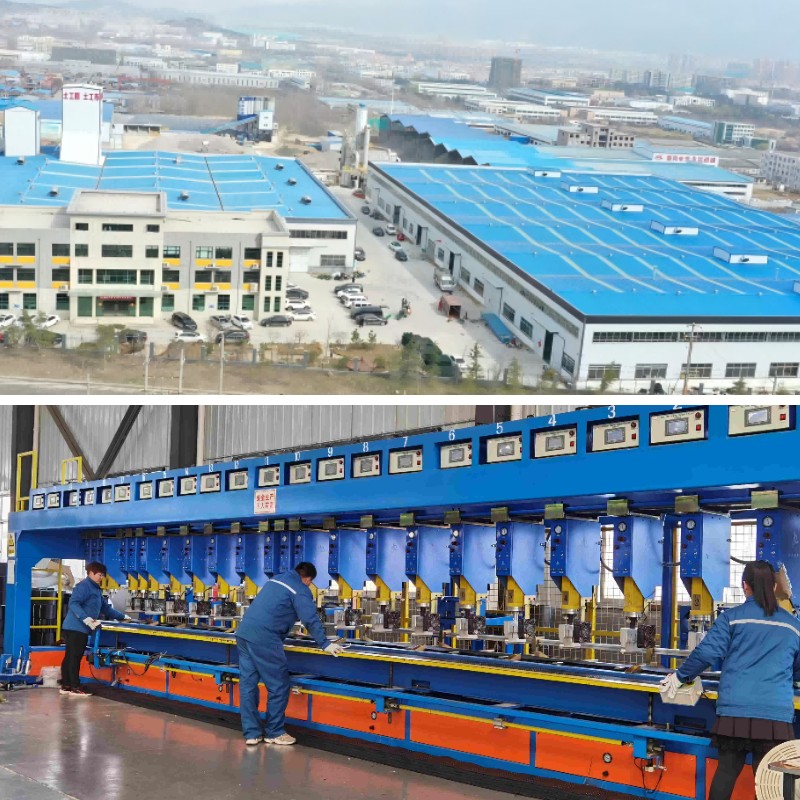
Beyond its core application in residential and courtyard settings, Geocell Driveway Mat is widely used in various fields, summarized below: In commercial and municipal settings, it can be used for commercial parking lots, heavy-duty access roads in logistics parks, temporary construction roads, and upgrades to rural dirt roads, significantly reducing costs, shortening construction time, and improving road surface stability; in engineering and special site settings, it is suitable for sloping driveways, temporary roads on soft foundations, heavy-duty access roads in mining areas, and airport emergency runways, adapting to harsh environments and solving traffic problems in complex scenarios such as heavy loads and soft foundations; in water conservancy and ecological settings, it can be used for river embankment flood control channels and ecological permeable pavements, balancing flood control and sponge city construction needs. Overall, with its advantages of flexible adaptability, low cost, and maintenance-free operation, this product has become the preferred solution for various driveways and traffic sites.