HDPE Sheet for Farm Pond
1. More reliable anti-seepage effect: The anti-seepage performance of geomembranes is more stable and not affected by environmental fluctuations, ensuring long-term anti-seepage effect of the project.
2. Wide adaptability: It can be laid in complex terrains and adapted to different engineering shapes through cutting and splicing
3. High environmental safety: Using environmentally friendly polymer materials, which are non-toxic and will not cause pollution to soil and water bodies, especially suitable for scenarios with high environmental requirements such as sewage treatment and drinking water engineering.
4. Extend the service life of the project: By blocking infiltration and reducing the erosion of liquid on the engineering structure, the risk of structural damage is reduced, thereby extending the service life of the project.
Product Introduction:
I. Basic Properties
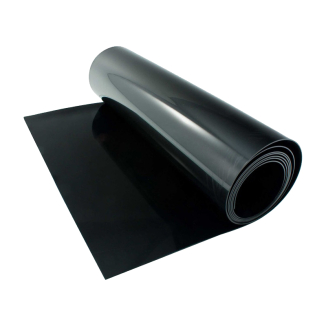
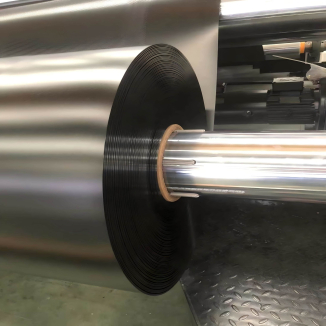
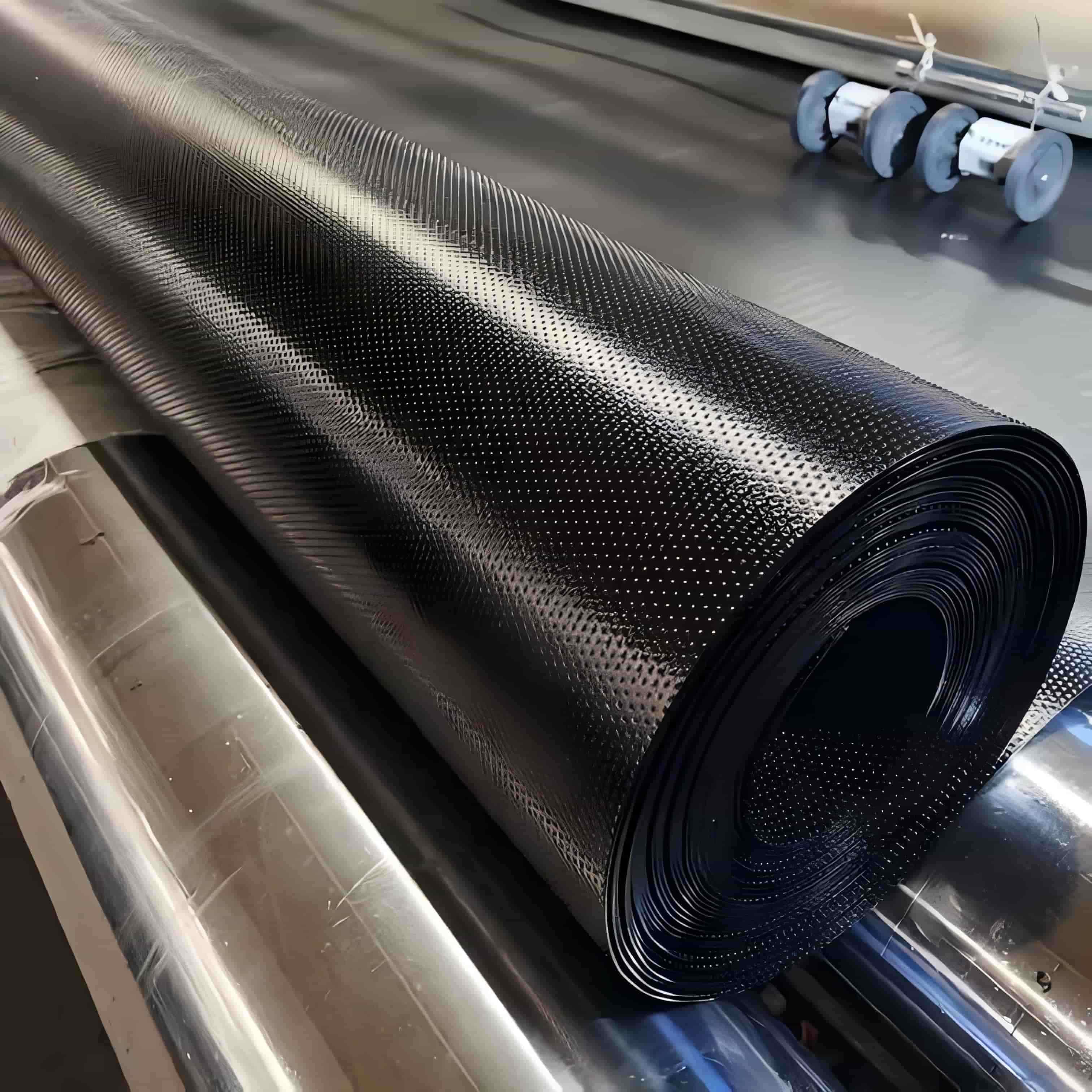
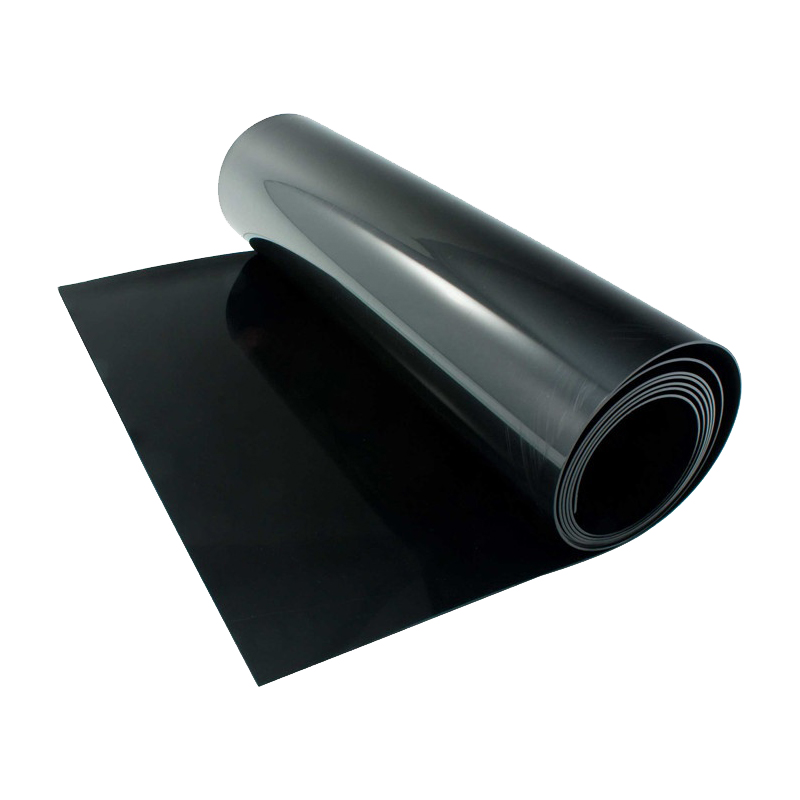
HDPE Sheet for Farm Pond uses high-density polyethylene resin as the core raw material, with added additives such as carbon black, antioxidants, and UV stabilizers. It is manufactured through blow molding or calendering processes, and is mostly in the form of black flexible rolls. Common thicknesses are 0.5–1.5 mm, with 0.75–1.0 mm being commonly used for agricultural ponds. Widths can reach 6–8 m and custom lengths are available. Its permeability coefficient is ≤10⁻¹² cm/s, elongation at break is ≥700%, tensile strength is ≥25 MPa, and density is approximately 0.94–0.96 g/cm³, exhibiting excellent physical and mechanical properties.
II. Core Functions
As a specialized seepage-proof material for agricultural ponds, its core function is highly efficient seepage prevention and water retention. It forms a dense physical barrier, blocking water infiltration and reducing leakage losses by over 99%, ensuring stable irrigation and aquaculture water supply. Simultaneously, it isolates water from soil, preventing soil salts and heavy metals from seeping into the water, avoiding soil salinization caused by pond water leakage. It can withstand acidic environments with a pH of 2–13 and resist chemical erosion from fertilizers, pesticides, and aquaculture wastewater. The added UV stabilizer extends its service life to over 10 years outdoors and up to 50 years with soil cover. Its high ductility allows it to adapt to uneven settlement and deformation of the pond foundation, and its strong puncture and tear resistance helps it withstand damage from fish activity, gravel, and root systems.
III. Main Features
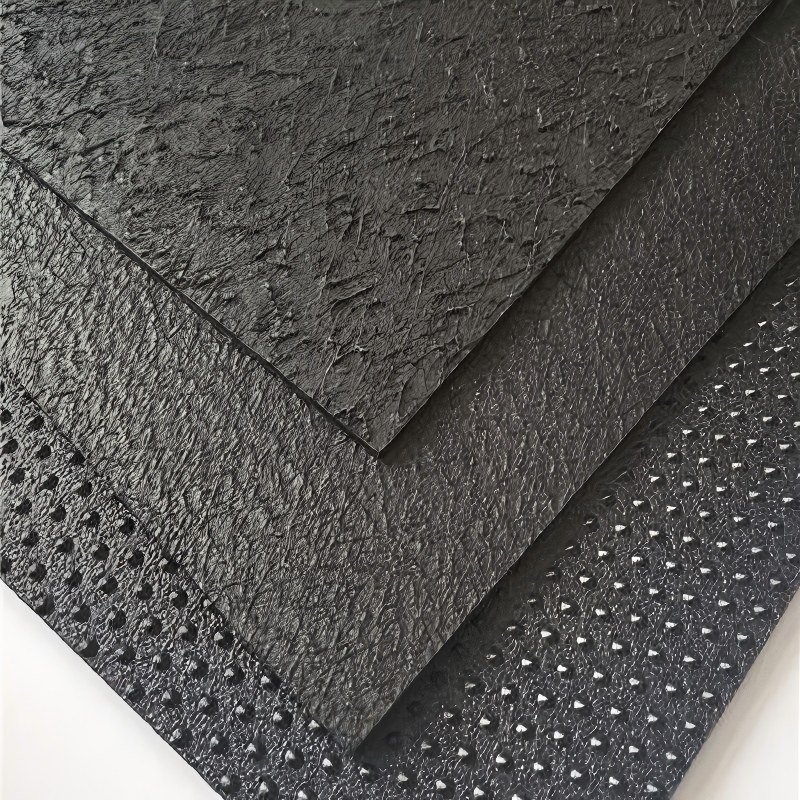
In addition, this product has many significant features. It is produced using brand-new materials, is environmentally friendly and non-toxic, and does not leach harmful substances, meeting drinking water safety standards. It is suitable for aquaculture, livestock drinking water, and irrigation, without polluting water bodies or soil. Construction is convenient and economical, with a large width and few welds. It achieves a strong seal through hot-melt welding, resulting in a short construction period and low labor costs. Compared to concrete waterproofing, the total cost of materials and construction is lower, and maintenance is simpler, offering outstanding long-term cost-effectiveness. It has extremely strong weather resistance, remaining stable in environments ranging from -50℃ to 80℃. It is resistant to high and low temperatures, UV rays, and aging, and is not prone to cracking or degradation even after long-term outdoor exposure. Furthermore, it is highly versatile and adaptable. The smooth surface version is suitable for ordinary ponds and reservoirs, while the textured surface version has anti-slip and anti-slip properties, suitable for slopes and steep slopes, and can be widely used in various agricultural scenarios such as aquaculture ponds, irrigation canals, and rainwater harvesting ponds.
Product Parameters:
Metric | ASTM | unit | Test value | Minimum test frequency | ||||||
test method | 0.75 mm | 1.00 mm | 1.25 mm | 1.50 mm | 2.00 mm | 2.50mm | 3.00 mm | |||
Minimum average thickness | D5199 | mm | 0.75 | 1 | 1.25 | 1.5 | 2 | 2.5 | 3 | Per volume |
Minimum value (any one of 10) | -10% | -10% | -10% | -10% | -10% | -10% | -10% | |||
minimum density | D 1505/D 792 | g/cm3 | 0.94 | 0.94 | 0.94 | 0.94 | 0.94 | 0.94 | 0.94 | 90,000 kg |
Minimum average tensile performance (1) | D638 Type IV | |||||||||
Breakage strength, | N/mm | 20 | 27 | 33 | 40 | 53 | 67 | 80 | 9,000 kg | |
yield strength | N/mm | 11 | 15 | 18 | 22 | 29 | 37 | 44 | ||
Strain extension, | % | 700 | 700 | 700 | 700 | 700 | 700 | 700 | ||
yield extension | % | 12 | 12 | 12 | 12 | 12 | 12 | 12 | ||
Minimum strength of right-angle tear | D 1004 | N | 93 | 125 | 156 | 187 | 249 | 311 | 374 | 20,000 kg |
Minimum puncture strength | D4833 | N | 240 | 320 | 400 | 480 | 640 | 800 | 960 | 20,000 kg |
Constant tensile load stress cracking (2) | D5397 | hour | 300 | 300 | 300 | 300 | 300 | 300 | 300 | Based on GRI GM-10 |
Carbon black content | D 1603(3) | % | 2.0-3.0 | 2.0-3.0 | 2.0-3.0 | 2.0-3.0 | 2.0-3.0 | 2.0-3.0 | 2.0-3.0 | 9,000 kg |
Carbon black dispersion | D5596 | Note (4) | Note (4) | Note (4) | Note (4) | Note (4) | Note (4) | Note (4) | 20,000 kg | |
Oxygen induction time (OIT) (5) | 90,000 kg | |||||||||
(a) Standard OIT | D3895 | minute | 100 | 100 | 100 | 100 | 100 | 100 | 100 | |
(b) high-handed OIT | D5885 | minute | 400 | 400 | 400 | 400 | 400 | 400 | 400 | |
85℃ Oven aging (minimum average) (5)(6) | Per formula | |||||||||
(A) Standard OIT is retained after 90 days | D 5721 | % | 55 | 55 | 55 | 55 | 55 | 55 | 55 | |
(B) High voltage OIT is retained for 90 days | D 3895 D5885 | % | 80 | 80 | 80 | 80 | 80 | 80 | 80 | |
Ultraviolet resistance (7) | Per formula | |||||||||
(a) standard OIT | D3895 | Note (8) 50 | ||||||||
(b) Retention of high pressure OIT after 1600 hours (9) | D5885 | % | ||||||||
Product Applications:
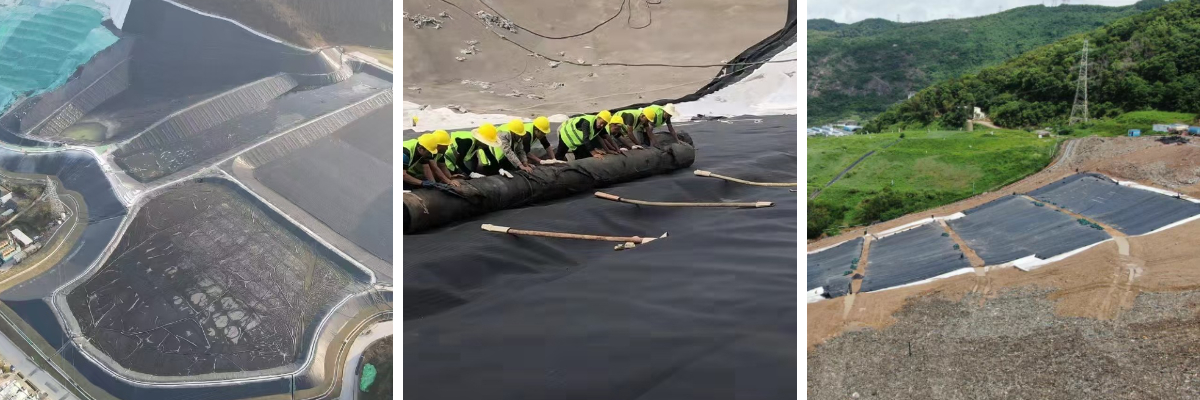
High-density polyethylene (HDPE) geomembrane is a core seepage-proof lining material for modern agricultural farm ponds, reservoirs, and aquaculture ponds. Its superior product characteristics make it a key support for water-saving, environmentally friendly, and efficient aquaculture, and it is widely used in various farm water conservancy and aquaculture scenarios.
This material is made from new food-grade resin, certified by NSF/ANSI 61, and is safe and non-toxic. It can directly contact drinking water and aquaculture water without polluting fish, shrimp, or livestock drinking water, ensuring the safety of aquaculture and drinking water from the source.
In terms of seepage prevention, its permeability coefficient is as low as 10⁻¹⁷ cm/s, and its seepage prevention rate exceeds 99.9%. It can completely solve the water retention problem of ponds in sandy soils, saline-alkali soils, and other easily leaky soils, significantly improving water-saving efficiency. Especially in arid regions, it can increase the pond water retention rate by more than 60%, effectively reducing dependence on external water sources and stabilizing farmland irrigation and aquaculture water supply.
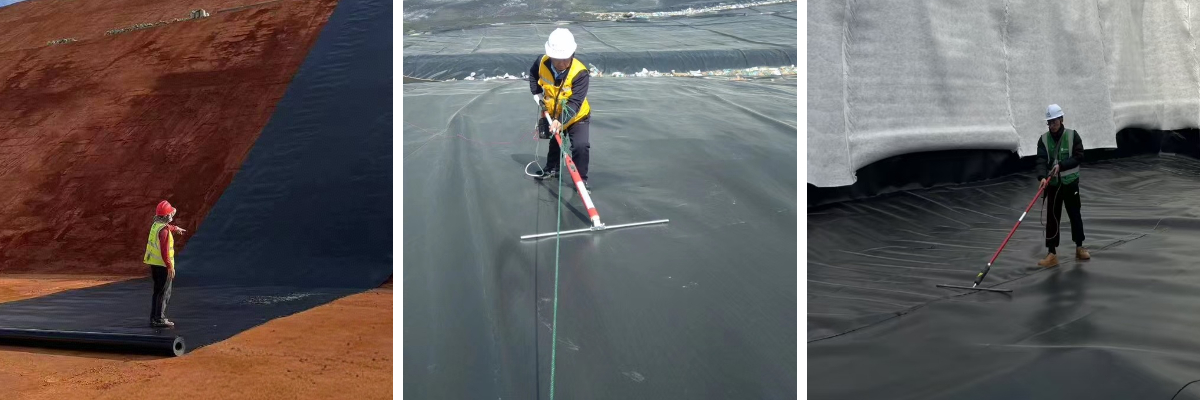
Meanwhile, the HDPE geomembrane, infused with carbon black and UV stabilizers, remains stable in extreme temperatures ranging from -50℃ to 80℃, offering a service life of 15-20 years outdoors and 20-50 years when used for soil covering, demonstrating exceptional durability and resilience. Its puncture strength reaches 2.5-3.5kN, and its elongation at break exceeds 700%, easily resisting daily wear and tear from livestock trampling, fish and shrimp burrowing, and gravel abrasion, requiring minimal maintenance.
Furthermore, this material exhibits excellent corrosion and chemical resistance, withstanding over 90% of acids, alkalis, fertilizers, pesticides, and biogas slurry erosion, making it suitable for various complex applications such as aquaculture septic tanks, livestock manure ponds, and saline-alkali ponds. Moreover, its cost is 20%-30% lower than traditional concrete ponds, with extremely high construction efficiency; one person can lay 1000㎡ per day, significantly reducing farm construction and operating costs.
In practical applications, HDPE geomembranes can be widely used in farmland irrigation reservoirs and rainwater harvesting ponds, helping farms achieve efficient water storage and utilization. When used in aquaculture scenarios such as fishponds, shrimp ponds, and elevated ponds, they not only prevent leakage and escape of fish and shrimp, but also isolate heavy metals and hydrogen sulfide from the soil, increasing fish fry survival rates by more than 20%. Simultaneously, the black membrane can block light and inhibit algae growth, reducing the frequency of water changes and the use of medications, thus contributing to green and ecological aquaculture. When used in centralized drinking water ponds for livestock and poultry, they maintain clean water quality and prevent leakage, avoiding groundwater pollution and ensuring the safety of livestock drinking water. They comprehensively meet the core needs of various water storage and aquaculture applications on farms, providing strong support for the high-quality development of modern agriculture.
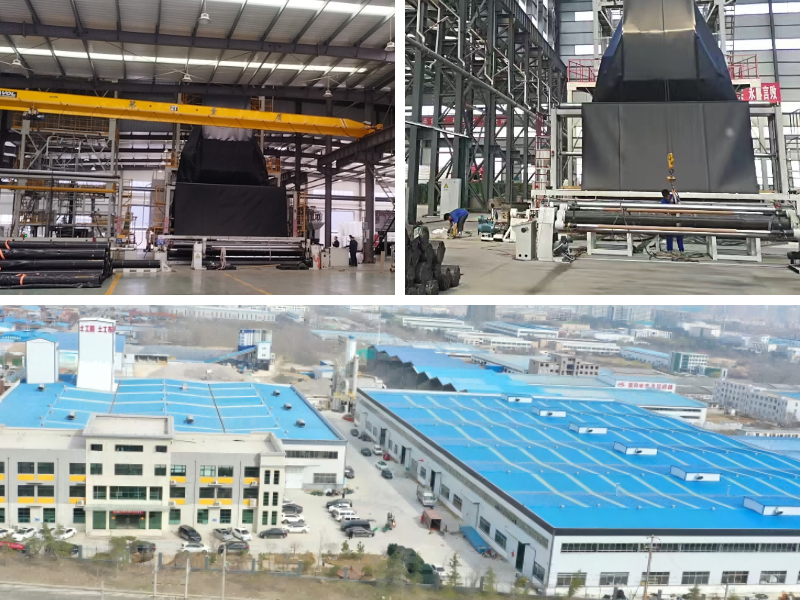
Geomembrane, with their excellent seepage prevention, corrosion resistance, aging resistance, and isolation and protection properties, are highly versatile and widely used in environmental protection projects such as landfills, sewage treatment, and hazardous waste treatment; water conservancy facilities such as reservoirs, dams, and canals; and agricultural and aquaculture fields such as fish and shrimp farming and farmland water storage. They can also be used in various seepage prevention and protection scenarios such as municipal infrastructure, mine tailings, and chemical storage yards. They can effectively block water leakage, isolate harmful substances from penetrating, stabilize engineering structures, and extend service life. They are a core building material in modern seepage prevention and protection projects that combines practicality and cost-effectiveness.