Ensuring Proper Geocell Anchor and Connection for Maximum Stability
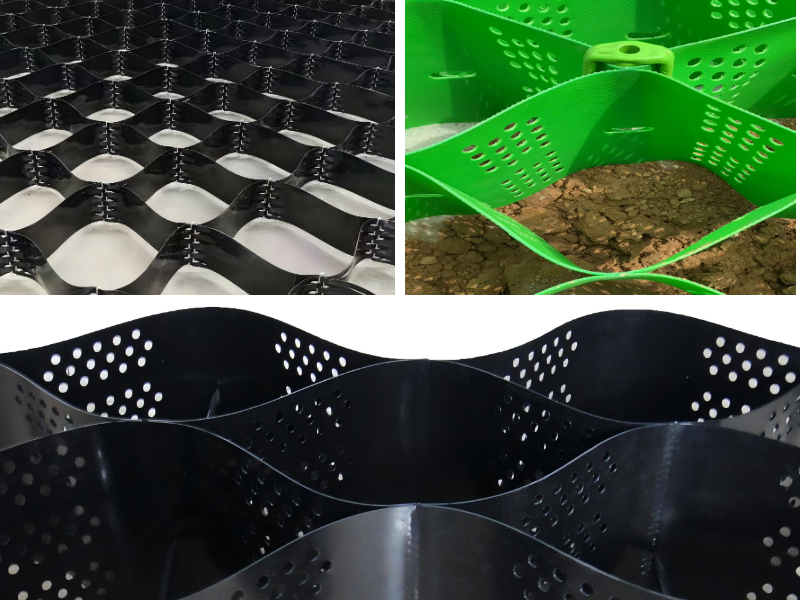
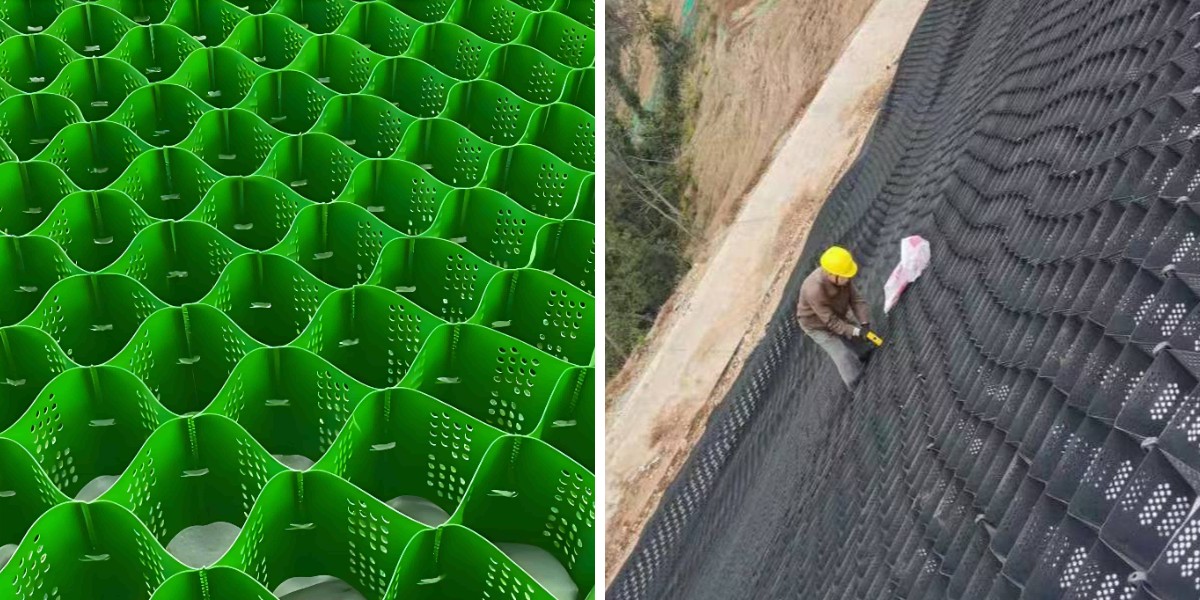
A Honeycomb Confinement System—more frequently recognized as geocells—relies absolutely on strong anchoring and seamless connections to supply dependable geocell slope safety and geoweb slope protection. Whether stabilizing toll road embankments, reinforcing coastal slopes, or helping holding walls, vulnerable anchors or poorly joined panels can lead to grid failure, soil displacement, and erosion. This information breaks down the integral steps to make sure suited anchoring and connection of geocells, maximizing the steadiness and sturdiness of your Honeycomb Confinement System for any project.
Why Anchor and Connection Quality Defines Geocell Performance
Geocells work by using confining soil inside their honeycomb structure, distributing lateral and vertical hundreds to forestall slope movement. However, this device solely features if the geocell grid is securely anchored to the floor and panels are related besides gaps. For geoweb slope protection, anchors withstand the pull of soil and water strain that would in any other case shift the grid downslope. Meanwhile, sturdy connections between panels make certain the whole gadget acts as a single, unified barrier—eliminating susceptible factors the place soil may want to break out or water should infiltrate. A failure in both anchoring or connection can compromise the complete Honeycomb Confinement System, main to highly-priced repairs and security hazards.
Key Principles of Geocell Anchoring
Anchoring secures the geocell grid to the subgrade, stopping motion beneath load or environmental stress. The diagram and placement of anchors rely on slope angle, soil type, and venture cause (e.g., geocell slope safety vs. load-bearing reinforcement).
1. Understanding Anchor Types and Applications
Different anchor structures go well with one of a kind venture needs:
Trench Anchors: Excavated trenches (30–60 cm deep) at the slope crest or toe, the place geocell edges are buried and backfilled with compacted soil. Ideal for steep slopes requiring geoweb slope protection, as they create a mechanical lock towards downslope movement.
Pin Anchors: Metal or plastic pins (30–45 cm long) pushed thru the geocell and into the subgrade, spaced 30–60 cm aside alongside panel edges and seams. Best for mild slopes or transient installations.
Deadman Anchors: Buried concrete blocks or compacted soil loads related to the geocell grid with straps, used for high-load functions like protecting partitions or heavy visitors areas.
For Honeycomb Confinement System on slopes steeper than 1:2, mix trench anchors at the crest with pin anchors alongside panel edges for most security.
2. Site Preparation for Effective Anchoring
Anchors solely operate properly if hooked up in stable, compacted subgrade. Before anchoring:
Clear the anchor quarter of rocks, roots, or unfastened soil to make certain strong contact between anchors and the subgrade.
Compact the soil in the anchor place (90%+ Proctor density) to forestall agreement that may want to loosen anchors over time.
For trench anchors, make certain the trench is reduce parallel to the slope crest and backfilled in layers with compacted soil—avoid gaps or air pockets that minimize maintaining power.
Mastering Geocell Panel Connections
Seamless connections between geocell panels make sure the Honeycomb Confinement System acts as a non-stop grid, distributing forces evenly throughout the slope. Poor connections create gaps the place soil can wash out or the grid can separate.
1. Connection Methods for Geocell Panels
Choose connection techniques based totally on geocell cloth (HDPE/PP) and undertaking demands:
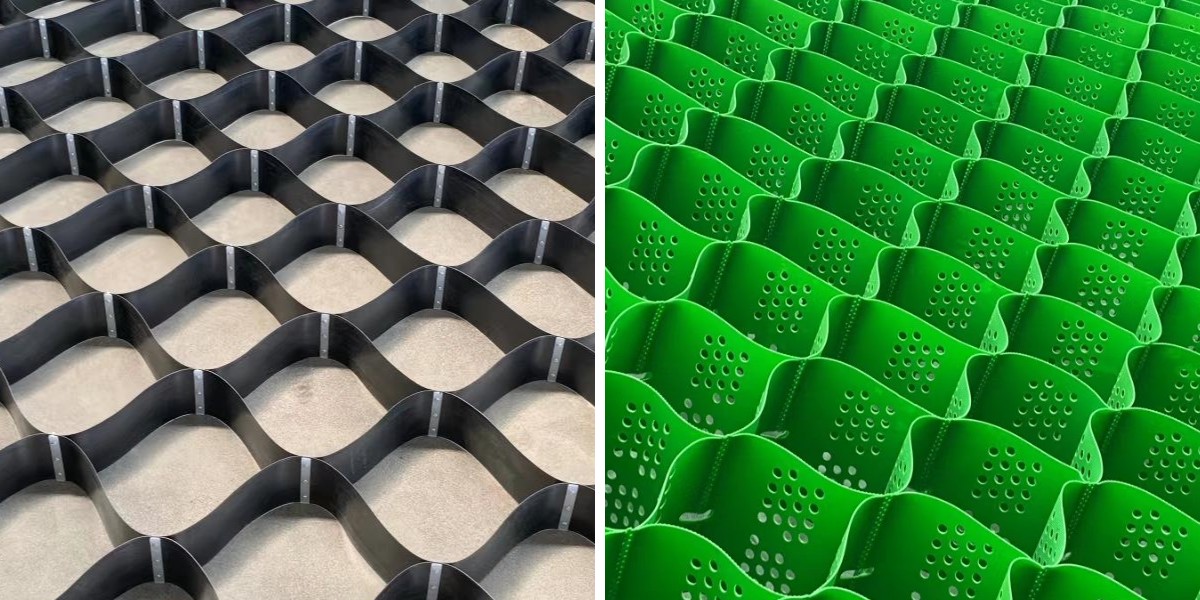
Interlocking Tabs: Most contemporary geocells characteristic built-in tabs that snap together, developing a secure, low-profile connection. Align tabs exactly and press firmly to lock panels—avoid forcing tabs, which can wreck or create vulnerable joints.
Zip Ties or Straps: For geocells besides built-in tabs, use UV-resistant zip ties or polyester straps to fasten panel edges, spacing ties 20–30 cm apart. Tighten adequate to get rid of gaps but now not so an awful lot that they stretch or harm the geocell material.
Adhesive Bonding: Industrial-grade adhesives for HDPE geocells, used in high-moisture environments the place mechanical connections can also degrade. Apply adhesive evenly alongside panel edges and clamp till cured.
For geocell slope safety in high-erosion areas, double up on connections (e.g., interlocking tabs + zip ties) to enhance seams.
2. Avoiding Common Connection Mistakes
Misalignment: Panels that are offset create uneven load distribution and gaps. Always align panel edges flush earlier than connecting, the usage of a string line for straightness.
Over-Tightening: Excessive anxiety on zip ties or straps can tear the geocell material, developing vulnerable points. Tighten solely till panels are comfortable towards every other.
Skipping Seams: Never depart panel seams unconnected, even in low-stress areas—every seam is a possible failure factor for geoweb slope protection.

Anchoring and Connection for Specific Applications
1. Geocell Slope Protection on Steep Embankments
For slopes steeper than 1:1.5:
Use trench anchors at the slope crest (60 cm deep) and toe (45 cm deep) to lock the grid in place.
Connect panels with interlocking tabs and complement with pin anchors alongside seams (spaced 30 cm apart).
Extend the geocell grid 1–2 meters past the slope toe (a “toe kick”) and anchor to forestall undermining by using runoff.
2. Honeycomb Confinement System for Roadway Reinforcement
In street base applications:
Anchor geocells to the subgrade the usage of pin anchors (45 cm long) spaced forty five cm aside alongside all edges.
Connect panels with adhesive bonding to forestall separation beneath site visitors loads.
Ensure connections are positioned perpendicular to the path of visitors to withstand shear forces.
3. Geoweb Slope Protection in Coastal Environments
For saltwater or high-moisture areas:
Use corrosion-resistant stainless metal pins or plastic anchors to keep away from rust damage.
Seal connections with marine-grade adhesive to stop water infiltration and soil loss.
Anchor the grid to a rock or concrete subbase (where possible) to withstand wave motion and soil liquefaction.
Post-Installation Checks for Anchors and Connections
Even the excellent set up requires verification—conduct these exams earlier than backfilling or exposing the machine to load:
Anchor Pull Tests: Randomly take a look at 5–10% of anchors via making use of mild anxiety to make certain they preserve company in the subgrade.
Seam Inspections: Walk the whole grid to take a look at for free connections, misaligned panels, or torn tabs/straps.
Grid Tension: Ensure the geocell grid is taut however now not overstretched—slack can lead to soil pooling, whilst over-tensioning dangers cloth failure.
Conclusion: Stability Starts with Strong Anchors and Connections
Proper anchoring and connection are the unsung heroes of a profitable Honeycomb Confinement System. Whether you’re putting in geocell slope safety on a motorway embankment or geoweb slope safety on a coastal bluff, slicing corners on anchors or seams will compromise performance. By deciding on the proper anchor type, making ready the web site thoroughly, and executing specific connections, you create a geocell gadget that withstands loads, resists erosion, and provides long-term stability.
Investing time in anchoring and connection important points isn’t simply about compliance—it’s about constructing a task that stands the check of time, reduces upkeep costs, and protects lives and property. For your subsequent geocell project, prioritize these vital steps, and you’ll liberate the full workable of your Honeycomb Confinement System.
Contact Us
Company Name: Shandong Chuangwei New Materials Co., LTD
Contact Person :Jaden Sylvan
Contact Number :+86 19305485668
WhatsApp:+86 19305485668
Enterprise Email: cggeosynthetics@gmail.com
Enterprise Address: Entrepreneurship Park, Dayue District, Tai 'an City,
Shandong Province