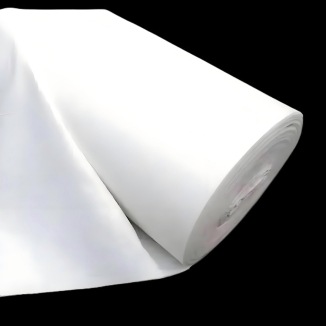
Budget-Friendly Geotextile Cloth: How to Balance Cost & Performance
Geotextile fabric is an imperative fabric in civil engineering, agriculture, environmental protection, and landscaping projects. It serves core features like soil stabilization, drainage, filtration, and erosion control—yet mission managers frequently conflict to stability its fee and performance. Opting for the most inexpensive geotextile can also lead to untimely failure and highly-priced rework, whilst overinvesting in high-end merchandise wastes budget. This article explores 4 key techniques to choose budget-friendly geotextile material barring compromising assignment quality.
1. Master Key Parameters: Avoid "Blindly Pursuing Low Prices" for Geotextile
The overall performance of geotextile material is decided through unique technical parameters—understanding these helps you keep away from overpaying for pointless facets or shopping for inferior merchandise that lack quintessential performance. Focusing on three core parameters can successfully stability value and functionality.
1.1 Basis Weight: The "Basic Threshold" of Cost-Performance
Basis weight (measured in g/m²) refers to the mass per unit place of geotextile cloth, at once linking to its power and durability. Common budget-friendly selections vary from 100g/m² to 300g/m². For example, 100–150g/m² geotextile fabric is enough for light-duty functions like agricultural mulch underlay or backyard course stabilization, costing solely $0.3–$0.6 per rectangular meter. For medium-duty eventualities such as street subgrade separation or slope erosion control, 200–250g/m² merchandise are extra cost-effective—they provide 30% greater tensile power than lighter variations however solely make bigger value with the aid of 15–20%. Avoid selecting under 100g/m² for engineering projects, as they tear without difficulty at some stage in installation, main to remodel prices that exceed preliminary savings.
1.2 Tensile Strength & Elongation: Ensure Functional Reliability
Tensile power (kN/m) measures the geotextile cloth’s capability to withstand stretching and tearing, a necessary parameter for load-bearing eventualities like protecting wall backfill or pavement reinforcement. Budget-friendly geotextile fabric generally has a tensile energy of 5–15kN/m. For non-load-bearing purposes (e.g., drainage ditch filtration), 5–8kN/m merchandise are adequate; for avenue base stabilization, 10–12kN/m alternatives strike a stability between price and performance. Elongation (usually 15–30% for finances products) have to in shape the project’s soil deformation characteristics—excessively excessive elongation (over 30%) may additionally reason the geotextile to stretch and fail, whilst too low (under 15%) makes it brittle and susceptible to cracking.
1.3 Permeability: Match to Hydraulic Requirements
Permeability (m/s) determines the geotextile cloth’s capacity to permit water flow, a key thing for drainage and filtration projects. Budget-friendly woven geotextile material (with permeability of 10⁻³–10⁻⁴ m/s) is perfect for street drainage or agricultural irrigation ditch lining, as it filters soil particles whilst making sure clean water flow. For eventualities requiring excessive filtration like landfill leachate collection, pick non-woven geotextile material with permeability of 10⁻²–10⁻³ m/s—though barely extra high priced ($0.8–$1.2 per m²), it avoids clogging and reduces long-term protection costs. Never use impermeable fabric (e.g., plastic sheeting) as a substitute, as they defeat the drainage reason of geotextile applications.
2. Choose the Right Material: Woven vs. Non-Woven Geotextile Cloth
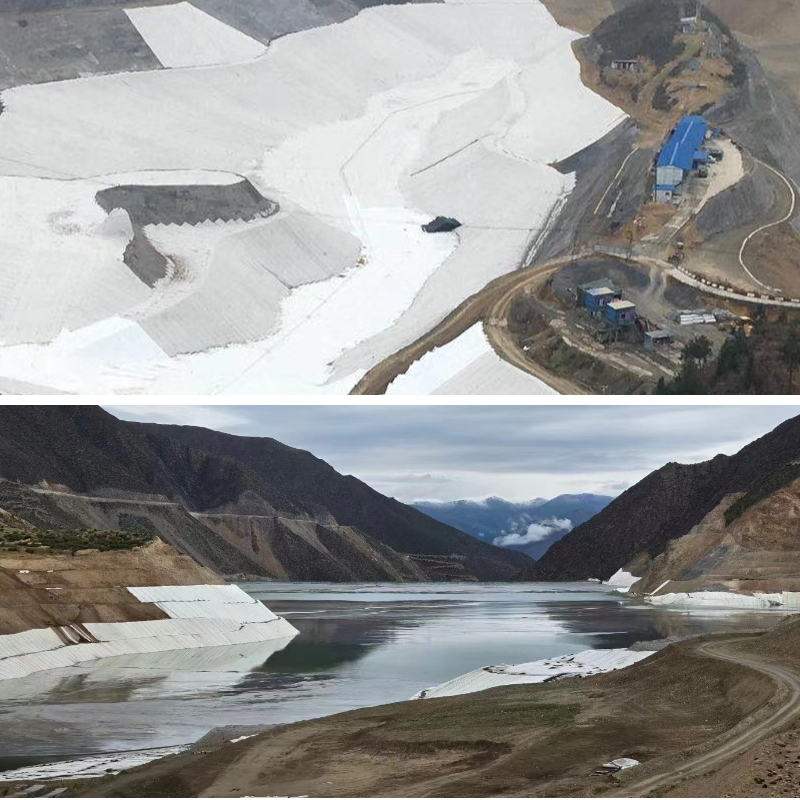
The two fundamental kinds of budget-friendly geotextile cloth—woven and non-woven—differ substantially in manufacturing cost, performance, and application. Selecting the proper cloth primarily based on mission wants is the core of cost-performance optimization.
2.1 Woven Geotextile Cloth: High Strength for Cost-Saving Engineering
Woven geotextile fabric is made by using interlacing polypropylene (PP) or polyester (PET) filaments, imparting excessive tensile energy and low price (usually $0.4–$0.9 per m²). Its inflexible shape makes it perfect for soil separation and reinforcement. For example, in street construction, putting 200g/m² woven geotextile fabric between the subgrade and gravel base prevents soil mixing, decreasing gravel utilization by using 10–15% and decreasing average fabric costs. It additionally performs properly in erosion control—when used as a slope cowl with grass seeds, it resists water scouring whilst being 40% more cost effective than high-end non-woven alternatives. Note that woven geotextile material has decrease permeability, so it’s no longer appropriate for high-drainage eventualities like wetland restoration.
2.2 Non-Woven Geotextile Cloth: Filtration Excellence for Targeted Scenarios
Non-woven geotextile material is produced through bonding PP or PET fibers, with most fulfilling permeability and filtration (costing $0.5–$1.3 per m²). It’s the pinnacle preference for filtration-focused projects. In agricultural drainage systems, 150g/m² non-woven geotextile fabric wrapped round perforated pipes filters silt and clay, stopping clogging and extending pipe lifespan by means of 5–8 years. For landfill liner protection, 250g/m² non-woven geotextile fabric acts as a buffer between the HDPE liner and soil, decreasing liner put on and fending off high-priced liner replacement. For budget-sensitive projects, prioritize non-woven geotextile fabric solely the place filtration is critical—use woven variations for different features to reduce costs.
3. Match Application Scenarios: Avoid Over-Specification
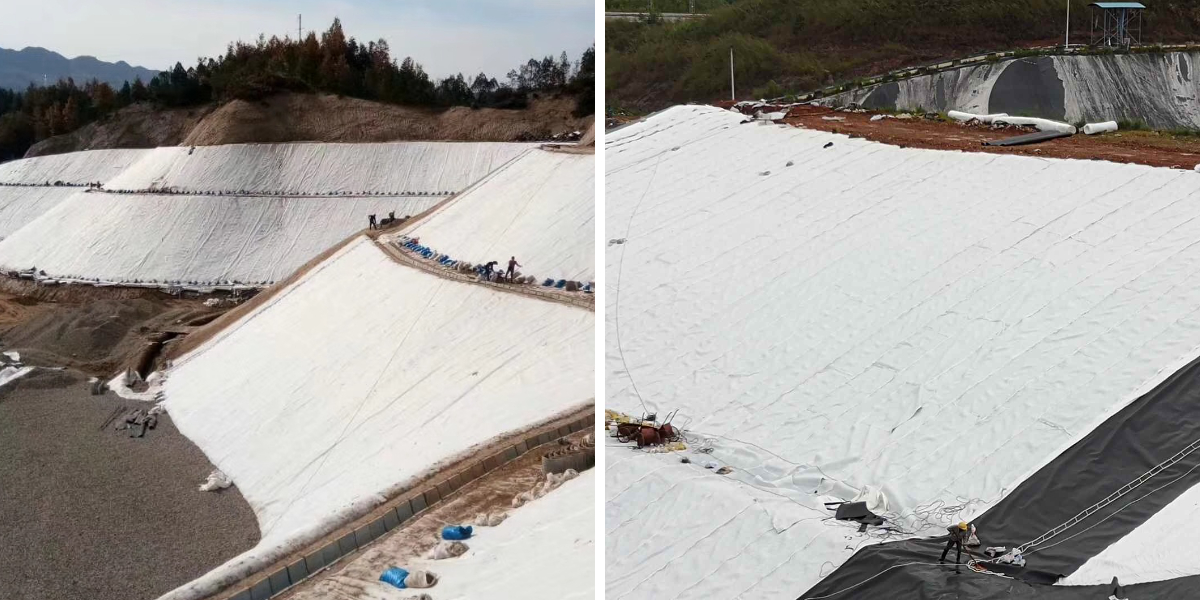
A principal reason of geotextile fabric finances waste is "over-specification"—using high-performance merchandise for low-demand scenarios. Tailoring the product to unique functions maximizes cost-effectiveness.
3.1 Civil Engineering: Prioritize Strength & Durability
In street and bridge projects, 200–250g/m² woven geotextile fabric is the most cost-effective. It stabilizes the subgrade, distributes load evenly, and resists UV radiation and soil corrosion—meeting task necessities whilst costing 30% much less than composite geotextile. For transient building get entry to roads, 150g/m² woven geotextile material paired with gravel can guide building vehicles, and it can be reused for a couple of projects, in addition decreasing unit costs. Avoid the use of over 300g/m² merchandise until the undertaking entails heavy hundreds (e.g., crane paths).
3.2 Agriculture & Landscaping: Focus on Filtration & Affordability
Agricultural purposes like greenhouse soil separation or irrigation ditch lining advantage from 100–150g/m² non-woven geotextile cloth. It prevents soil compaction, improves water infiltration, and fees solely $0.3–$0.6 per m²—an annual funding of much less than $500 for a 1,000m² greenhouse. In landscaping, 120–180g/m² woven geotextile fabric underneath stone paths or flower beds suppresses weeds (reducing herbicide fees by means of 60%) and permits water penetration. For these scenarios, keep away from engineering-grade geotextile material (which fees 2–3 instances more) as it gives useless strength.
3.3 Environmental Protection: Targeted Permeability Selection
In riverbank erosion control, 250g/m² woven geotextile material blended with vegetation (e.g., vetiver grass) creates a economical "bio-geotextile system"—it resists water scouring whilst being 50% less expensive than rock riprap. For rainwater harvesting systems, 200g/m² non-woven geotextile material filters roof runoff, making sure easy water storage besides the excessive fee of activated carbon filters. For wastewater treatment, pick 250–300g/m² non-woven geotextile material with excessive chemical resistance (slightly greater high-priced however keeping off alternative due to corrosion).
4. Smart Procurement & Installation: Cut Hidden Costs
Cost manipulate for geotextile fabric isn’t restrained to product purchase—smart procurement and set up can decrease hidden prices like transportation, waste, and rework.
4.1 Procurement: Bulk Buying & Supplier Verification
Bulk buying is key to securing discounts—ordering over 10,000 m² of geotextile fabric can decrease unit fees by means of 10–15%. Choose nearby or regional suppliers to reduce transportation prices (which can account for 10–20% of complete expenditure for long-distance shipments). Verify dealer credentials: request samples to take a look at groundwork weight and tensile strength, and test for ISO 9001 certification to keep away from counterfeit merchandise that fail prematurely. For small projects, be a part of crew purchases with different contractors to qualify for bulk discounts.
4.2 Installation: Reduce Waste & Ensure Correct Construction
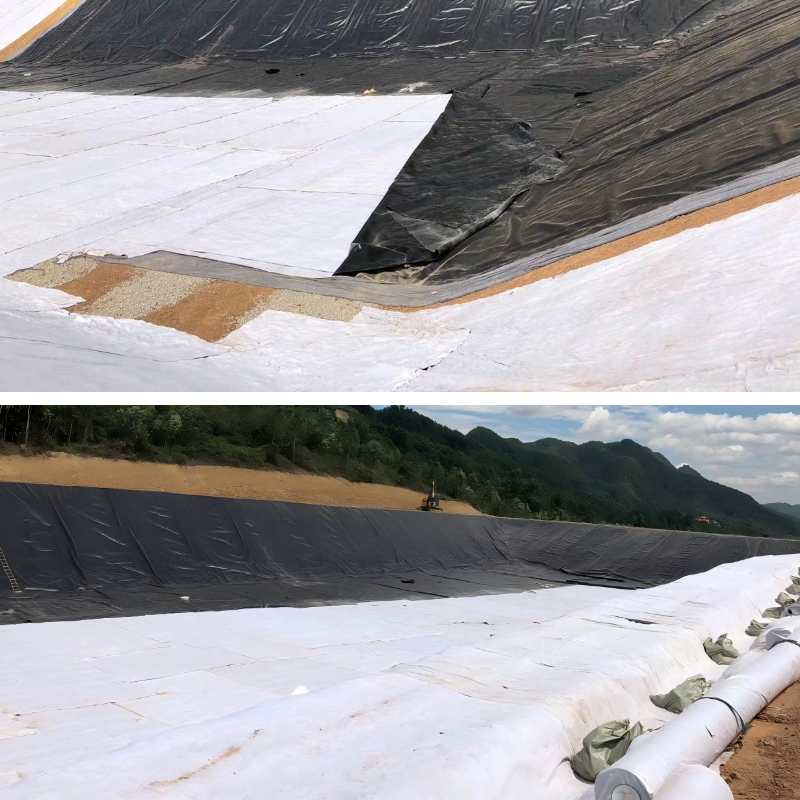
Proper set up reduces geotextile fabric waste (which generally debts for 5–10% of fabric costs). Before installation, measure the undertaking vicinity precisely and reduce the geotextile into fantastic sizes—avoid overlapping excessively (10–15cm overlap is enough for most scenarios). Use anchor pins or gravel to restore the geotextile, stopping transferring at some point of construction. Train employees to deal with the fabric gently, as tearing requires alternative and will increase costs. For slope installations, begin from the backside and work upward to keep away from sliding and wrinkling, which weakens performance.
Conclusion: Cost-Performance Lies in "Targeted Selection"
Balancing price and overall performance for geotextile fabric doesn’t imply selecting the most inexpensive option—it requires centered decision primarily based on parameters, materials, and scenarios. Master key metrics like groundwork weight and tensile power to keep away from over-specification; choose woven or non-woven geotextile fabric based totally on whether or not electricity or filtration is prioritized; suit merchandise to utility needs; and manipulate hidden expenses via clever procurement and installation. By following these strategies, you can make certain your geotextile material meets undertaking necessities whilst optimizing budget, accomplishing real cost-effectiveness.
Contact Us
Company Name: Shandong Chuangwei New Materials Co., LTD
Contact Person :Jaden Sylvan
Contact Number :+86 19305485668
WhatsApp:+86 19305485668
Enterprise Email: cggeosynthetics@gmail.com
Enterprise Address: Entrepreneurship Park, Dayue District, Tai 'an City,
Shandong Province