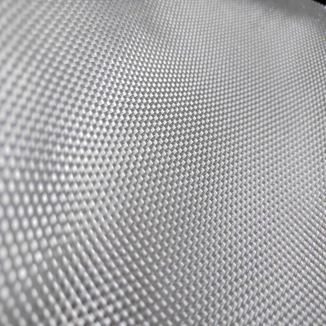
Using Geotextile Cloth Under Pavers and Artificial Turf
Whether you’re upgrading your outdoor with a paver patio or putting in low-maintenance synthetic turf, the success of your venture relies upon on what’s hidden underneath the surface. Geotextile material is a unsung hero in hardscaping and landscaping, fixing frequent problems that plague poorly hooked up surfaces—from weeds breaking via pavers to uneven turf induced by means of soil erosion. This information explores why geotextile material is non-negotiable beneath pavers and synthetic turf, how to pick the proper non woven geotextile fabric, step-by-step set up tips, and the long-term advantages of this easy but effective material. By the end, you’ll apprehend why geo material material is the basis of durable, stunning out of doors spaces.
Why Geotextile Cloth Matters Under Pavers and Artificial Turf
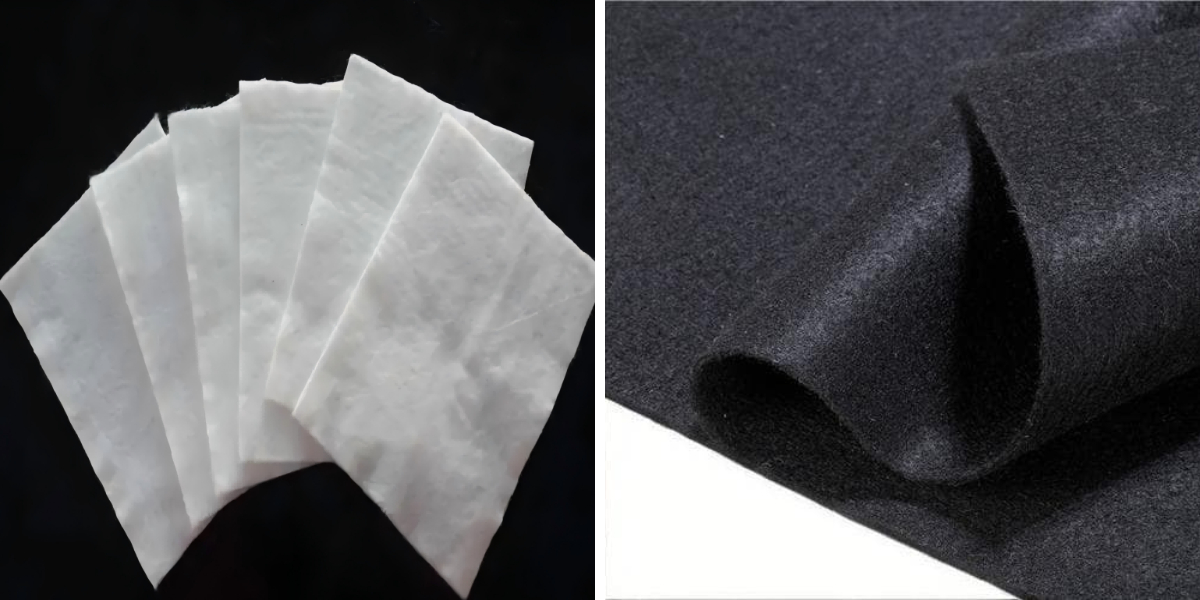
Geotextile material is a permeable material designed to separate, filter, and stabilize materials—making it perfect for out of doors projects. Without it, pavers and synthetic turf face a host of problems:
Weed Growth: Uncontrolled weeds push via paver joints or synthetic turf backing, ruining aesthetics and requiring consistent maintenance.
Soil Erosion: Rainwater washes soil into base layers, inflicting pavers to shift and turf to sink or turn out to be uneven.
Base Contamination: Soil and pleasant particles combine with gravel or sand bases, decreasing drainage and weakening the surface’s stability.
Geo cloth fabric acts as a barrier towards these issues: it blocks weeds whilst permitting water and air to pass by through, continues soil and base substances separate, and reinforces the floor to stop shifting. For each pavers and synthetic turf, it’s a lower priced funding that extends the lifespan of your task with the aid of years.
Choosing the Right Geotextile: Non Woven vs. Woven
Not all geotextiles are created equal—selecting the proper kind relies upon on your project. The two most important sorts are woven and non woven geotextile fabric, each with wonderful strengths:
Non Woven Geotextile Fabric: Ideal for Most Projects
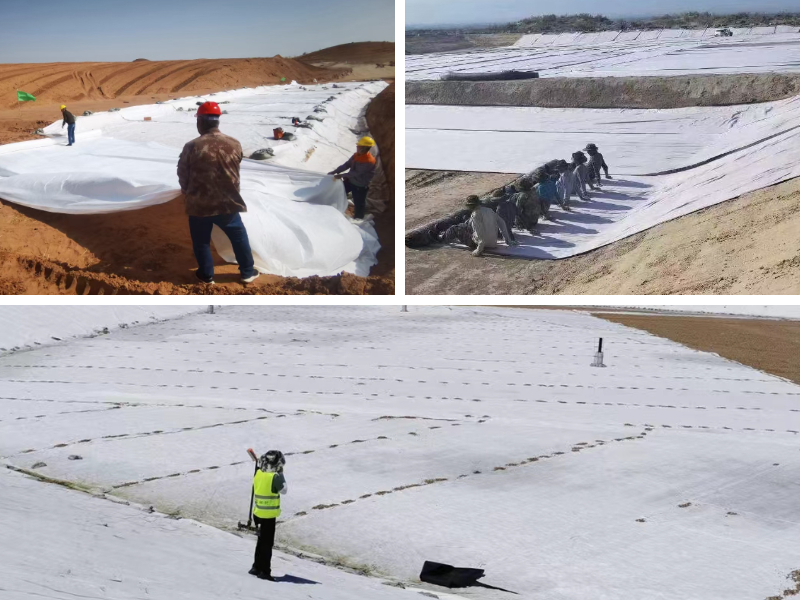
Non woven geotextile cloth is made via bonding fibers together, growing a soft, porous material. It excels at filtration and separation, making it best for beneath pavers and synthetic turf. Its excessive permeability approves water to drain quickly, stopping puddles, whilst its dense shape blocks weeds and soil particles. It’s additionally flexible, conforming to uneven surfaces easily—great for sloped areas or irregularly fashioned patios. Most residential initiatives advantage from non woven geotextile material due to its ease of set up and balanced performance.
Woven Geotextile: For High-Traffic Areas
Woven geotextiles are made with the aid of weaving fibers into a tight grid, providing greater tensile power than non woven options. They’re fantastic for heavy-duty tasks like driveway pavers or industrial turf areas the place the floor will undergo sizeable weight (e.g., cars, equipment). While woven geotextiles are strong, they’re much less permeable than non woven types and may additionally be overkill for small residential patios or outdoor turf.
Using Geotextile Cloth Under Pavers: Step-by-Step Guide
Pavers are a famous desire for patios, walkways, and driveways, however they matter on a steady base to remain level. Here’s how to set up geotextile material beneath pavers:
1. Site Preparation
Clear the region of vegetation, rocks, and debris. Dig down to the favored depth (typically 4–6 inches for patios, 8–10 inches for driveways) to accommodate the base, sand, and pavers. Grade the soil to make sure desirable drainage—slope the vicinity barely away from constructions to stop water pooling.
2. Lay the Geotextile Cloth
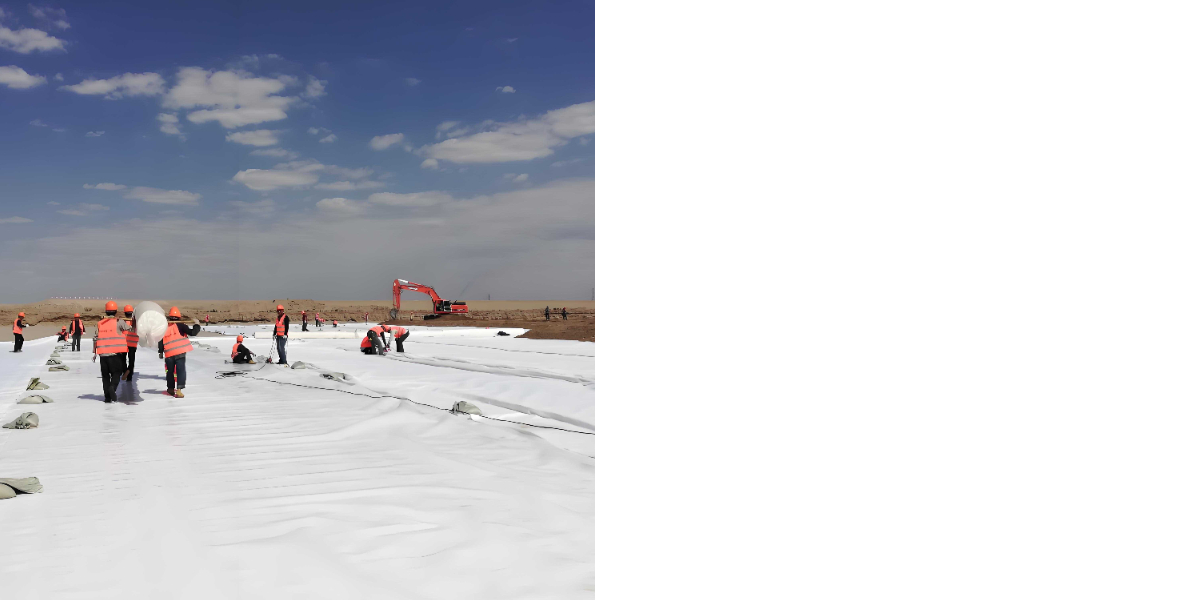
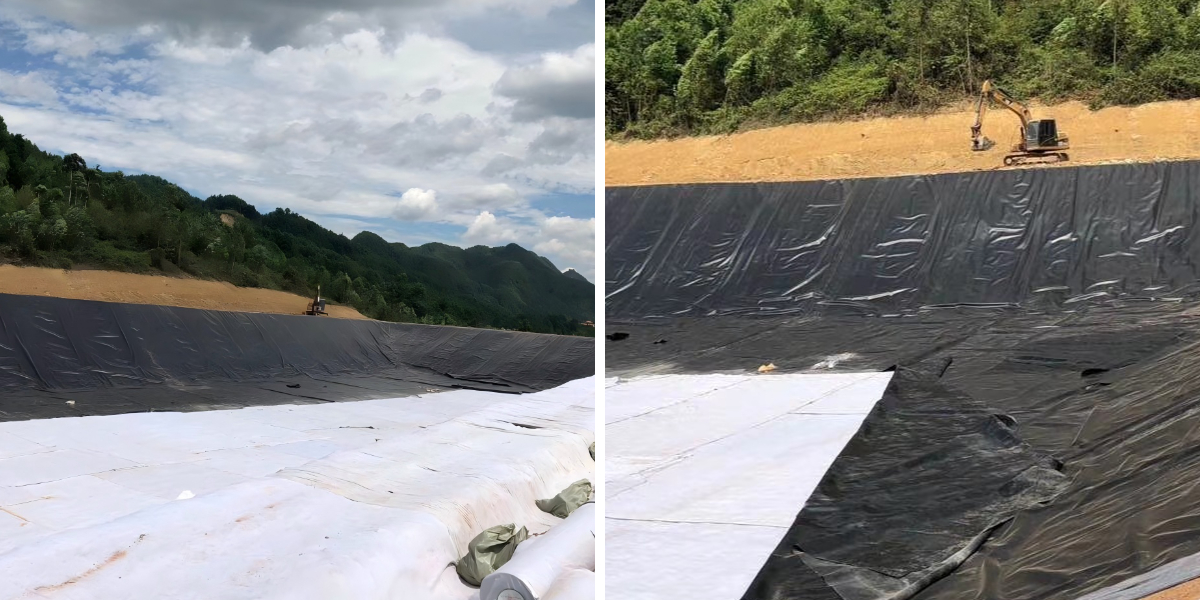
Unroll geo material material over the excavated area, making sure it covers the complete website plus a 6–12 inch overlap alongside the edges (this prevents soil from seeping round the sides). Secure the fabric with panorama staples each 12–18 inches to maintain it in area at some point of base installation. If the use of a couple of rolls, overlap them by means of 6 inches and impenetrable the seams with staples to create a non-stop barrier.
3. Install the Base and Sand
Pour a layer of compactable gravel (3–4 inches for patios, 6–8 inches for driveways) over the geotextile cloth. Compact the gravel with a plate compactor till it’s degree and firm. Add a 1-inch layer of polymeric sand on pinnacle of the gravel, then easy it out—this creates a steady mattress for the pavers.
4. Lay the Pavers
Place the pavers on the sand bed, leaving small gaps between them for joint sand. Once all pavers are laid, sweep polymeric sand into the joints to lock them in place. Compact the pavers gently to make certain they settle evenly.
Using Geotextile Cloth Under Artificial Turf: Step-by-Step Guide
Artificial turf affords a low-maintenance choice to herbal grass, however it wants applicable drainage and weed manage to seem its best. Here’s how to use geotextile fabric below synthetic turf:
1. Site Preparation
Remove current grass and vegetation (use a sod cutter for efficiency). Dig down 2–3 inches to create house for the base and geotextile. Grade the soil to make sure drainage, then compact it to stop settlement.
2. Lay the Non Woven Geotextile Fabric
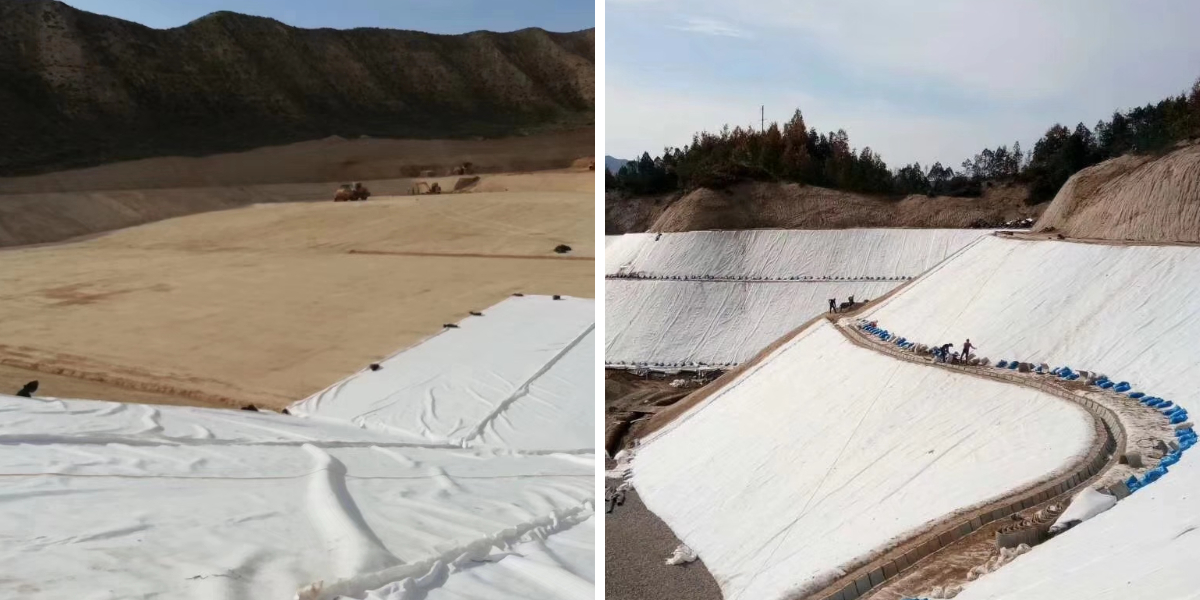
Roll out non woven geotextile material over the compacted soil, overlapping edges via 6 inches and securing with staples. This layer blocks weeds from developing via the turf and prevents soil from mixing with the drainage base.
3. Install the Drainage Base
Add a layer of beaten stone or decomposed granite (1–2 inches) over the geotextile. Compact the base to create a firm, permeable floor that lets in water to drain away from the turf.
4. Lay the Artificial Turf
Unroll the synthetic turf over the base, making sure it suits the place besides wrinkles. Trim extra turf with a utility knife, then impenetrable the edges with panorama staples or adhesive. Brush the turf fibers to stand them up, and add infill (if advocated by means of the manufacturer) to enhance texture and stability.
Long-Term Benefits of Using Geotextile Cloth
Investing in geotextile fabric below pavers and synthetic turf can pay off in the lengthy run:
Low Maintenance: Weed boom is significantly reduced, slicing down on time spent pulling weeds or making use of herbicides.
Stability: Soil erosion and base illness are prevented, retaining pavers degree and turf smooth.
Improved Drainage: Geo material material approves water to waft freely, decreasing puddles and water damage.
Extended Lifespan: By defending the base and floor materials, geotextile fabric provides years to the existence of your pavers or turf.
Conclusion: Geotextile Cloth—The Foundation of Great Outdoor Spaces
Whether you’re putting in pavers or synthetic turf, geotextile fabric is a small however vital element that makes a huge difference. Choosing the proper non woven geotextile cloth and following appropriate set up steps ensures your assignment is durable, low-maintenance, and stunning for years to come. Geo cloth fabric doesn’t simply clear up problems—it prevents them, letting you revel in your outside house barring the problem of weeds, uneven surfaces, or drainage issues. For your subsequent hardscaping or landscaping project, don’t bypass this crucial layer—your future self will thank you.
Contact Us
Company Name: Shandong Chuangwei New Materials Co., LTD
Contact Person :Jaden Sylvan
Contact Number :+86 19305485668
WhatsApp:+86 19305485668
Enterprise Email: cggeosynthetics@gmail.com
Enterprise Address: Entrepreneurship Park, Dayue District, Tai 'an City,
Shandong Province