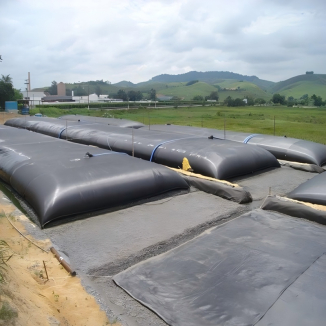
Basic Principles and Engineering Applications of HDPE Geomembrane for Water Conservancy Anti-seepage
1. Introduction: Why Anti-seepage Matters for Reservoir and Dam Projects
Reservoirs and dams are core infrastructure for water storage, flood control, agricultural irrigation, and ecological water regulation. Long-term water seepage is one of the most common and harmful problems plaguing water conservancy projects. Uncontrolled seepage not only causes massive water resource loss but also triggers foundation settlement, structural erosion, and even potential safety hazards to dam bodies. Selecting reliable anti-seepage materials and standardized construction techniques is the key to extending the service life of water conservancy facilities.
Among various anti-seepage materials, HDPE Geomembrane has become the preferred solution for modern reservoir and dam anti-seepage works due to its superior impermeability, stable physical and chemical properties, and strong environmental adaptability. As a professional waterproof and barrier material, the hdpe liner provides a continuous, intact anti-seepage layer for dam foundations, reservoir slopes, and bottom structures. Scientific and standardized Geomembrane Installation further ensures the long-term and stable anti-seepage effect of the entire project system.
2. Core Advantages of HDPE Geomembrane for Water Conservancy Anti-seepage
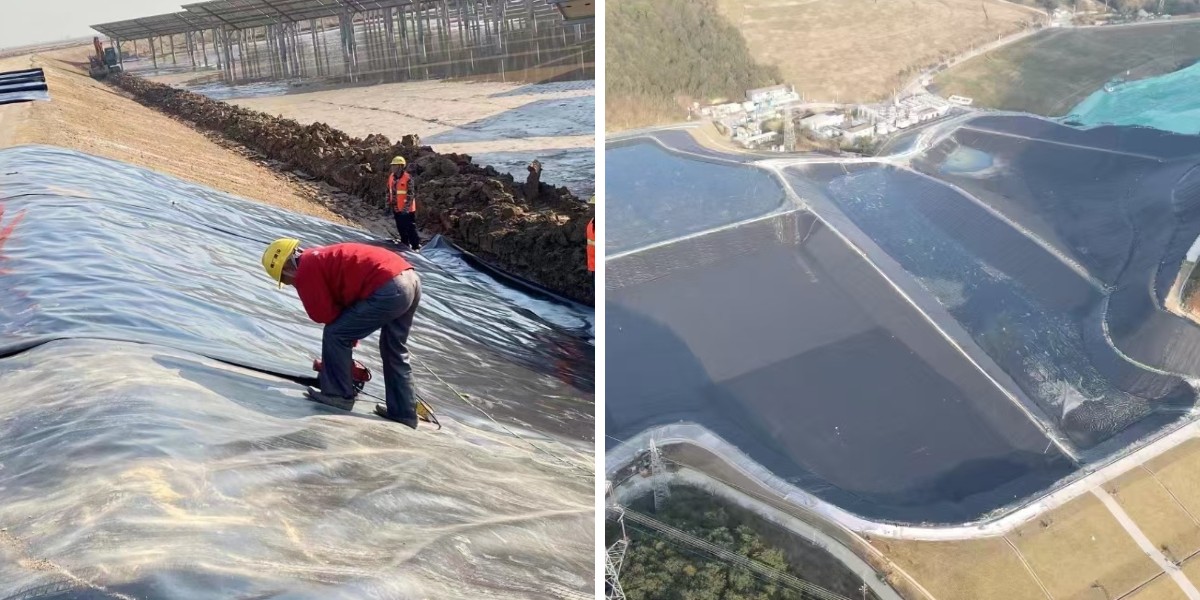
Different from traditional clay compaction and cement anti-seepage methods, HDPE Geomembrane is a high-density polyethylene synthetic material tailored for geotechnical engineering. Its unique material properties make it highly compatible with the complex operating environment of reservoirs and dams, solving many pain points of traditional anti-seepage technologies.
First of all, HDPE Geomembrane features ultra-low permeability. Its dense molecular structure can effectively block water seepage paths, forming a tight waterproof barrier that adapts to long-term hydraulic pressure of reservoir water storage. It maintains stable impermeable performance in long-term water immersion environments, avoiding the failure of anti-seepage function caused by material aging and water erosion.
Secondly, this material has excellent tensile strength and flexibility. Reservoir and dam foundations are prone to slight settlement and deformation due to geological changes. The high flexibility of hdpe liner allows it to follow foundation deformation without cracking or peeling off, ensuring the integrity of the anti-seepage layer. Meanwhile, it resists ultraviolet aging, chemical corrosion, and biological erosion, adapting to outdoor open-air laying and long-term underground buried environments of water conservancy projects.
In addition, HDPE Geomembrane has outstanding construction adaptability. It can be customized in different thicknesses and specifications according to project requirements, suitable for flat reservoir bottoms, steep dam slopes, and complex foundation structures. Compared with traditional anti-seepage processes, it shortens the construction cycle, reduces project difficulty, and controls overall engineering costs while ensuring anti-seepage quality.
3. Key Application Scenarios of HDPE Geomembrane in Reservoir and Dam Anti-seepage
3.1 Dam Body and Foundation Anti-seepage
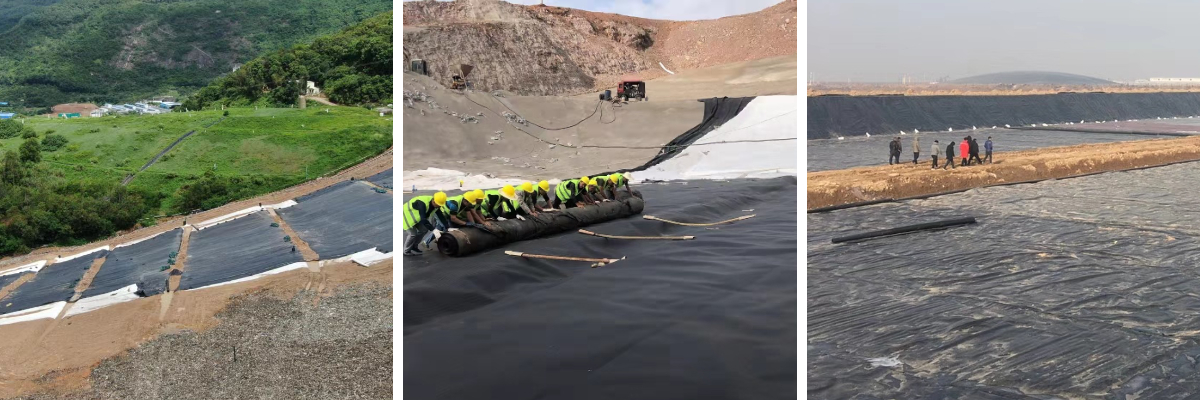
The dam body and foundation are the core parts prone to seepage in water conservancy projects. Long-term water pressure will cause water to penetrate along foundation soil gaps and dam body joints, endangering structural stability. Laying HDPE Geomembrane on the upstream surface of the dam body and the overall foundation forms a closed anti-seepage system. The complete barrier layer isolates reservoir water from the foundation and dam body structure, fundamentally cutting off seepage channels and preventing internal erosion of the dam body.
3.2 Reservoir Slope and Bottom Anti-seepage
Reservoir side slopes and bottoms are in contact with water for a long time, and seepage and water leakage often lead to reservoir water level drop and water resource waste. The laying of hdpe liner on the reservoir bottom and slopes can form an integral waterproof structure. It effectively avoids water leakage caused by loose soil structures and geological cracks, maintains stable reservoir water storage capacity, and reduces the loss of water resources caused by natural seepage.
3.3 Auxiliary Anti-seepage for Dam Surrounding Structures
In addition to main dam bodies and reservoir structures, auxiliary parts such as dam abutments, drainage ditches, and peripheral intercepting ditches also need anti-seepage protection. HDPE Geomembrane can be applied to these auxiliary structures to form a complete regional anti-seepage network. It prevents peripheral surface water and groundwater from permeating into the dam foundation, avoids seepage accumulation inside the project, and further improves the overall safety and stability of reservoir and dam facilities.
4. Standardized Geomembrane Installation for Reservoir and Dam Projects
High-quality materials need standardized construction to exert optimal performance, and scientific Geomembrane Installation is a crucial link to ensure the long-term anti-seepage effect of reservoir and dam projects. The entire construction process follows strict engineering specifications to avoid anti-seepage failure caused by irregular operation.
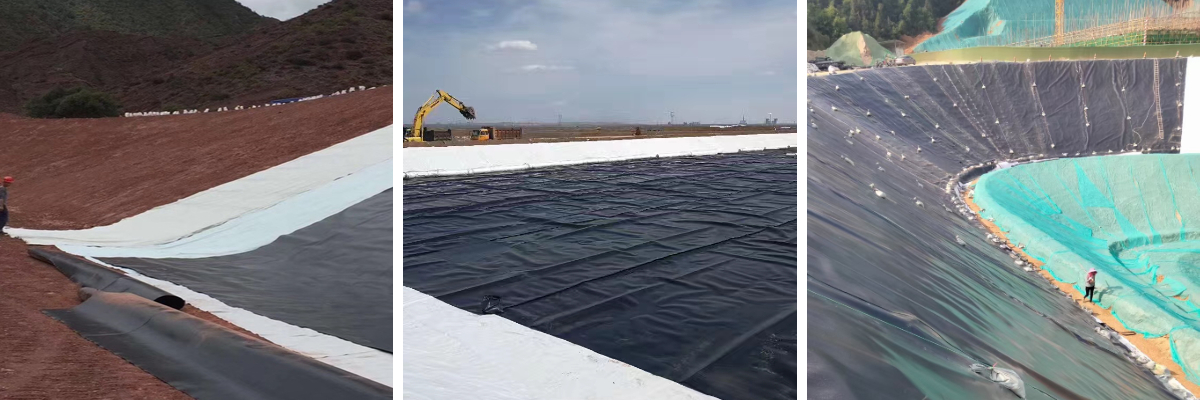
The first step of Geomembrane Installation is base surface treatment. The construction base surface needs to be leveled, cleaned, and polished to remove sharp stones, sundries, and uneven protrusions, preventing the HDPE Geomembrane from being scratched and damaged during laying. The flat and solid base surface provides a stable foundation for the tight laying of the hdpe liner and avoids hollowing and deformation of the anti-seepage layer.
The second step is material laying and positioning. According to the project design scheme, the HDPE Geomembrane is laid in a layered and segmented manner, with reasonable lap width reserved between adjacent membranes. The laying process maintains proper tension to ensure the membrane fits closely with the base surface, avoiding wrinkles, bulges, and overlapping gaps. For special parts such as slope corners and structural joints, targeted cutting and fitting are carried out to ensure no dead ends in the anti-seepage layer.
The core link of construction is welding and sealing. The lap joints of HDPE Geomembrane are welded by professional hot welding equipment to form an integral waterproof structure. After welding, strict inspection is carried out to check for missing welding, virtual welding, and cracks, ensuring the tightness of all joints. Finally, protective layers such as geotextile and covering soil are laid on the surface of the hdpe liner to prevent material damage caused by external force impact and environmental erosion, and further improve the stability of the anti-seepage system.
5. Long-term Value of HDPE Geomembrane Anti-seepage System
The application of HDPE Geomembrane in reservoir and dam anti-seepage works brings dual value of economic benefit and engineering safety. In terms of water resource utilization, the efficient anti-seepage performance of hdpe liner effectively reduces water leakage loss, maintains stable reservoir water storage, and guarantees the normal operation of irrigation, water supply and flood control functions.
In terms of engineering maintenance, the durable material properties of HDPE Geomembrane reduce the frequency of later anti-seepage layer maintenance and renovation. Standard Geomembrane Installation ensures the anti-seepage system can operate stably for a long time, reducing the long-term operation and maintenance cost of water conservancy projects. At the same time, it avoids structural damage and safety accidents caused by seepage, greatly improving the overall safety coefficient and service life of reservoir and dam infrastructure.
6. Conclusion
As a mature and efficient anti-seepage solution, HDPE Geomembrane has irreplaceable advantages in reservoir and dam anti-seepage works. Its excellent impermeability, deformation resistance and durability adapt to the harsh operating environment of water conservancy projects. Reasonable application of hdpe liner covers all key anti-seepage scenarios of dams and reservoirs, while standardized Geomembrane Installation guarantees the overall anti-seepage effect and long-term stability of the project. With the continuous upgrading of water conservancy engineering technology, HDPE geomembrane anti-seepage technology will become more widely used, providing reliable technical support for the safe operation and efficient water resource utilization of modern water conservancy infrastructure.