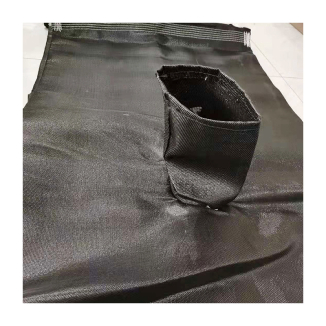
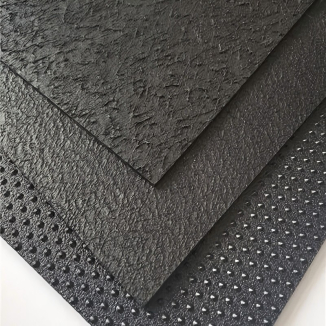
High-performance HDPE Geomembrane: Reliable Lining Material for Fish Pond & Aquaculture Farming
1. Introduction: The Critical Role of Quality Lining in Aquaculture
Modern aquaculture and fish pond farming rely heavily on stable, clean, and controllable water environments to ensure healthy aquatic growth and stable breeding output. Traditional earthen fish ponds and cement-lined ponds often face common drawbacks including serious water seepage, water quality deterioration, bottom soil pollution, and frequent algae growth. These problems not only disrupt the ecological balance of the pond but also increase farming costs and raise the risk of aquatic disease outbreaks.
To solve these industry pain points, professional waterproof and lining materials have become essential for standardized aquaculture construction. Among all lining options, HDPE Geomembrane stands out as the most practical and cost-effective solution for fish pond renovation and new aquaculture pond construction. The high-performance hdpe liner creates a fully isolated and stable pond bottom environment, while professional Geomembrane Installation ensures long-term reliable lining performance for all types of aquaculture facilities.
2. Inherent Advantages of HDPE Geomembrane for Aquaculture Lining
HDPE Geomembrane is a high-density polyethylene waterproof barrier material specially optimized for geotechnical and water environment projects. Its unique material properties perfectly match the long-term humid, water-filled, and biologically active breeding environment, making it far more suitable for fish pond lining than traditional materials like clay, cement, and ordinary plastic films.
First and foremost, the hdpe liner features excellent biocompatibility and environmental friendliness. The material is non-toxic, tasteless, and free of harmful chemical components, so it will not release pollutants into the water or cause irritation to fish, shrimp, and other aquatic organisms. It effectively avoids the water quality pollution problems caused by cement aging and soil mud leakage, maintaining a clean and healthy living environment for aquatic products throughout the breeding cycle.
In addition, HDPE Geomembrane boasts outstanding anti-seepage and anti-leakage performance. Its compact molecular structure completely blocks water penetration, eliminating the water loss problem of traditional earthen ponds. It also prevents external underground soil impurities, harmful bacteria, and heavy metal substances from penetrating into the pond water, realizing independent control of the aquaculture water body and greatly reducing the difficulty of water quality management.
Moreover, this material has strong corrosion resistance and anti-aging ability. Aquaculture water contains feed residues, aquatic excreta, and trace acidic and alkaline substances. HDPE Geomembrane can resist long-term erosion of water body metabolites and microbial corrosion, without aging, cracking, or peeling. It adapts to year-round water immersion and outdoor sun exposure, maintaining stable structural performance for a long time.
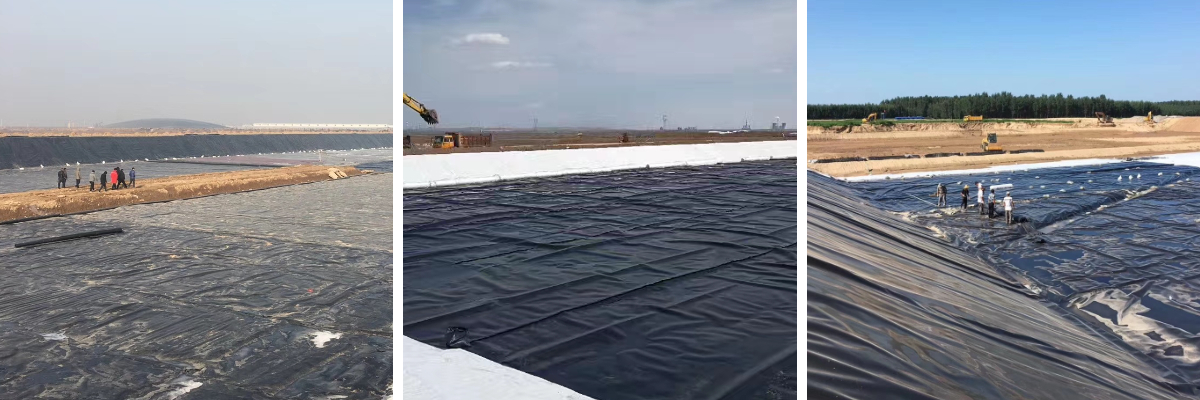
3. Core Benefits of HDPE Liner in Fish Pond Aquaculture
3.1 Stabilizes Water Quality and Reduces Disease Risks
Unlined earthen fish ponds are prone to mud turbidity and bacterial breeding due to the exposure of bottom soil. The laying of hdpe liner completely isolates the pond water from the original soil layer, preventing soil sediment from mixing into the water body and keeping the pond water clear and transparent. A clean water environment inhibits the mass reproduction of harmful bacteria and parasites, effectively reducing the incidence of aquatic diseases and lowering the use of aquaculture drugs, which is conducive to green and healthy breeding.
3.2 Eliminates Water Seepage and Cuts Farming Costs
Water seepage is a major hidden cost of traditional aquaculture. Continuous water leakage leads to frequent water supplementation, wasting water resources and increasing electricity and water fees. HDPE Geomembrane forms a fully enclosed waterproof lining layer for fish ponds, completely solving the pond seepage problem. It maintains stable pond water levels for a long time, reduces the frequency of water replacement and supplementation, and greatly saves daily operation and maintenance costs for aquaculture farms.
3.3 Simplifies Pond Cleaning and Maintenance
Traditional earthen and cement ponds have rough bottoms that are easy to accumulate feed residues, excreta, and sludge, making cleaning difficult and time-consuming. The smooth surface of HDPE Geomembrane is not easy to attach dirt and microorganisms. After each breeding cycle, farmers can quickly clean and flush the pond bottom without tedious soil turning and sludge removal work, greatly improving pond turnover efficiency and realizing batch and continuous breeding production.
4. Professional Geomembrane Installation Standards for Aquaculture Ponds
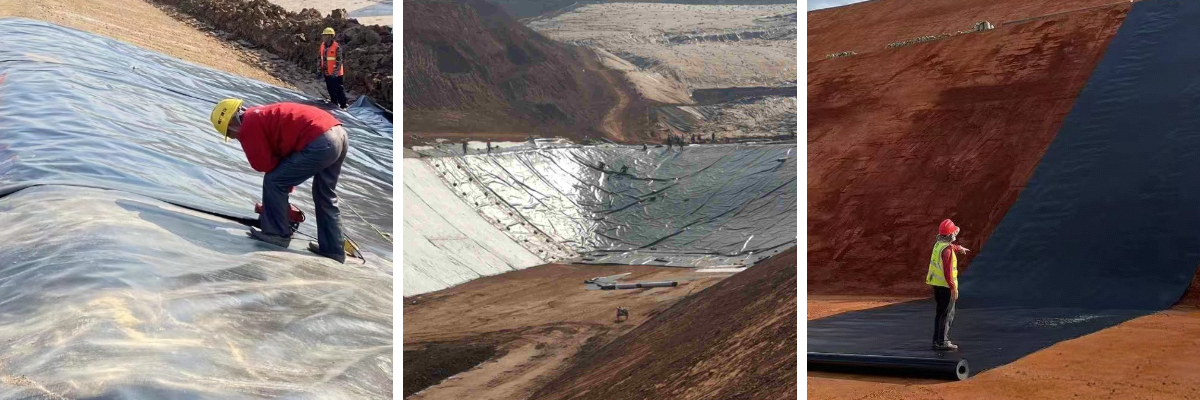
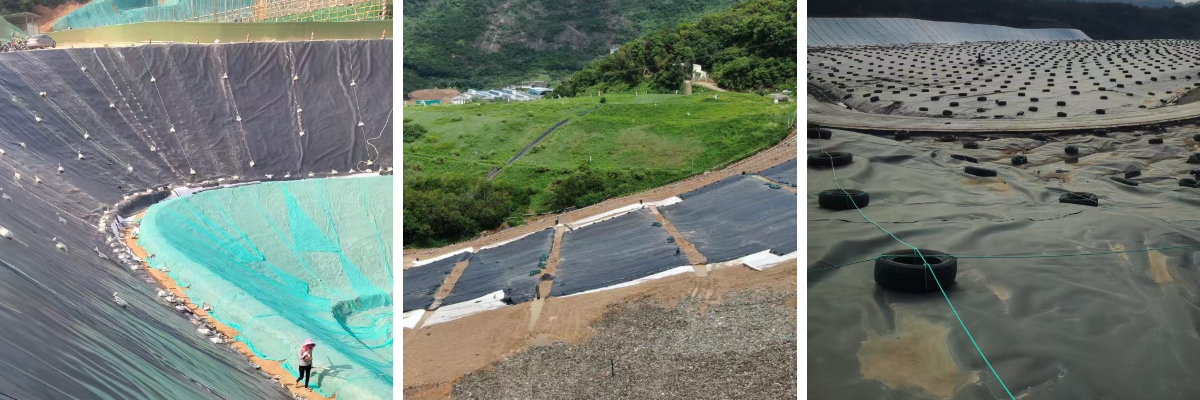
Superior material performance can only be fully exerted with standardized construction, and scientific Geomembrane Installation is the key to ensuring the long-term service life and stable lining effect of fish pondHDPE Geomembrane. Aquaculture pond construction has unique slope and bottom structure characteristics, so the installation process follows targeted professional specifications.
The initial stage ofGeomembrane Installation focuses on pond base treatment. The pond bottom and slope need to be leveled and compacted to remove sharp stones, tree roots, and hard protrusions that may damage the hdpe liner. A flat and soft base layer prevents the geomembrane from being punctured during use and lays a solid foundation for overall laying quality.
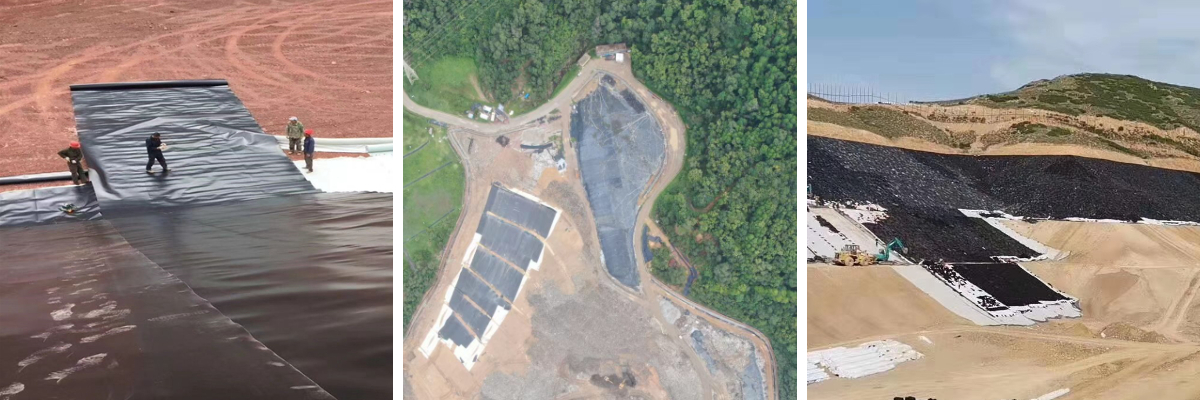
In the formal laying stage, HDPE Geomembrane is laid from the pond slope to the pond bottom in a sequential manner, with standardized lap joints reserved between adjacent membranes. The construction personnel control the laying tension reasonably to avoid excessive tension causing membrane cracking or excessive relaxation leading to wrinkling and water accumulation. Special cutting and fitting treatments are carried out for slope corners, pond edges, and water outlet positions to ensure no gaps or dead corners in the entire lining system.
Welding and inspection are the core processes of Geomembrane Installation. All lap joints of the geomembrane are thermally welded with professional equipment to form an integrated waterproof whole. After welding, comprehensive tightness inspection is conducted to eliminate hidden dangers such as virtual welding and missing welding. Finally, edge fixing and partial protection treatment are carried out to ensure the hdpe liner is firmly fixed and will not shift or fall off during long-term water storage and breeding activities.
5. Long-Term Operational Value of HDPE Geomembrane Aquaculture Lining
Investing in HDPE Geomembrane lining and standardized Geomembrane Installation brings long-term and sustainable economic value to aquaculture farms. Firstly, the durable material performance of the hdpe liner ensures a long service life without frequent replacement and renovation, greatly reducing the long-term investment cost of pond infrastructure.
Secondly, the stable water quality environment created by HDPE geomembrane lining improves the survival rate and growth rate of aquatic products. Healthy water conditions reduce breeding losses, while clean pond conditions improve the quality of aquatic products, helping farmers gain higher market economic benefits. In addition, the low-maintenance characteristics of the lining material save a lot of labor and time costs for daily pond management and post-cycle cleaning.
Furthermore, HDPE geomembrane lining conforms to the development trend of modern ecological aquaculture. It avoids soil and water pollution caused by breeding activities, reduces the discharge of breeding wastewater, and realizes environmentally friendly and sustainable aquaculture production mode.
6. Conclusion
With non-toxic environmental protection, excellent anti-seepage performance, strong corrosion resistance and low maintenance characteristics, HDPE Geomembrane has become the ideal lining material for modern fish pond and aquaculture projects. The high-performance hdpe liner optimizes the aquaculture water environment, reduces breeding costs, and improves breeding efficiency. Standardized and professional Geomembrane Installation further guarantees the stability and durability of the lining system. As the aquaculture industry moves towards standardization and ecologicalization, HDPE geomembrane lining technology will become a standard configuration for high-quality aquaculture ponds, providing strong support for the stable and healthy development of the aquaculture industry.