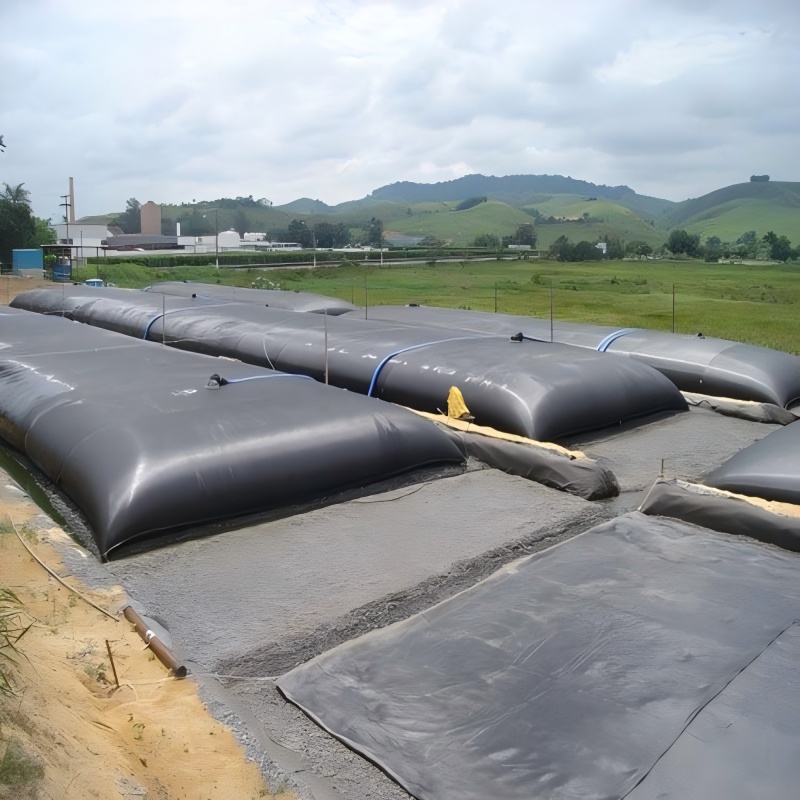
Geo Bags for Dredging
1. High cost-effectiveness:Saved a significant amount of transportation costs. Short construction period and low labor cost.
2. Environmentally friendly:It can perform closed dewatering treatment on polluted sludge to prevent the diffusion of pollutants during transportation and treatment.
3. Safe and reliable:The dehydration consolidation process is slow and stable, and the strength of the formed structure gradually increases, with a high safety factor. Flexible structures have good seismic performance and are less prone to brittle failure.
4. Space saving:Through efficient dehydration, the volume of a large amount of fluid waste can be significantly reduced, greatly saving the space required for subsequent disposal or landfill.
Product Introduction:
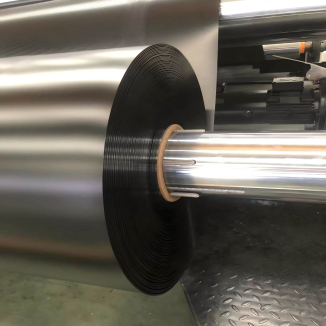
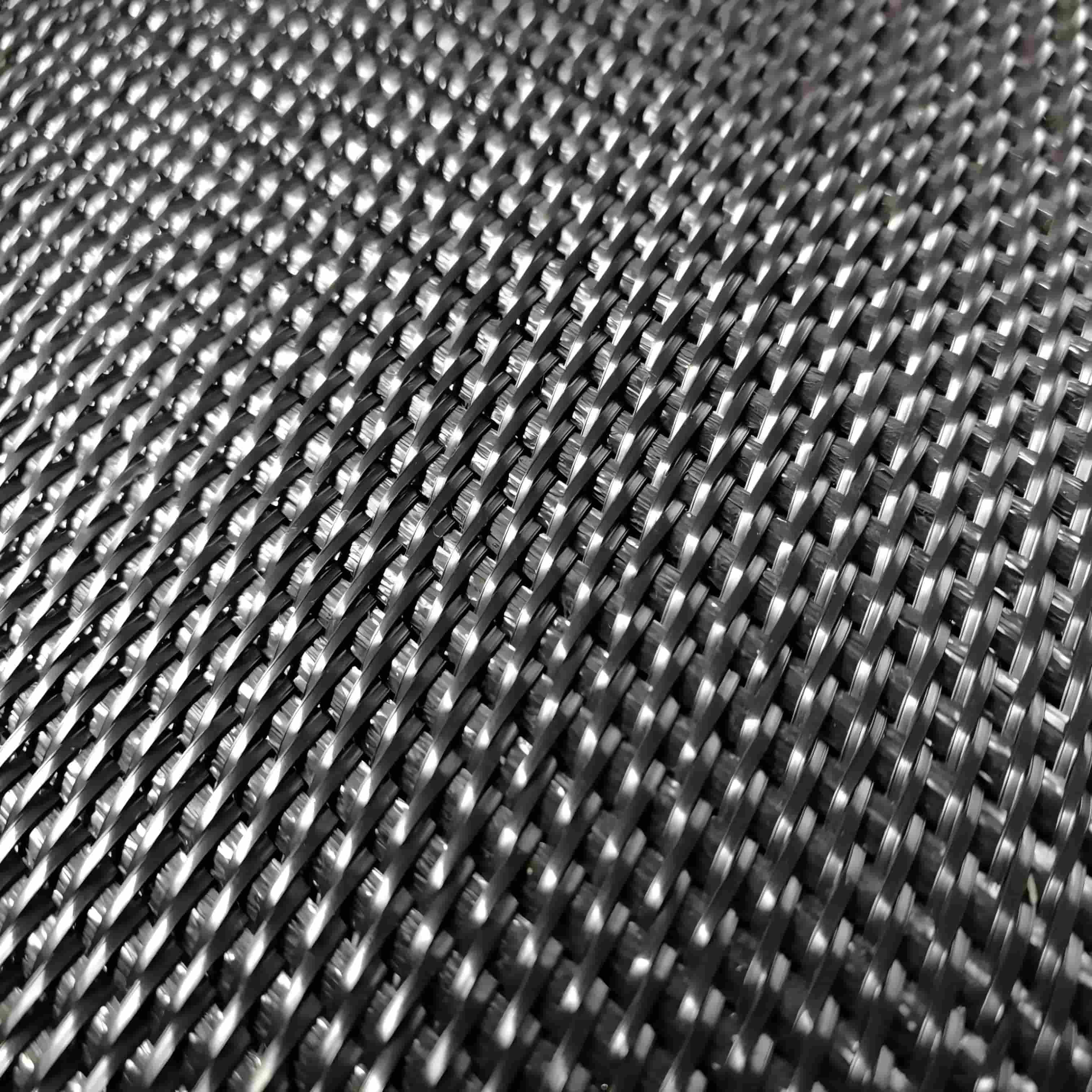
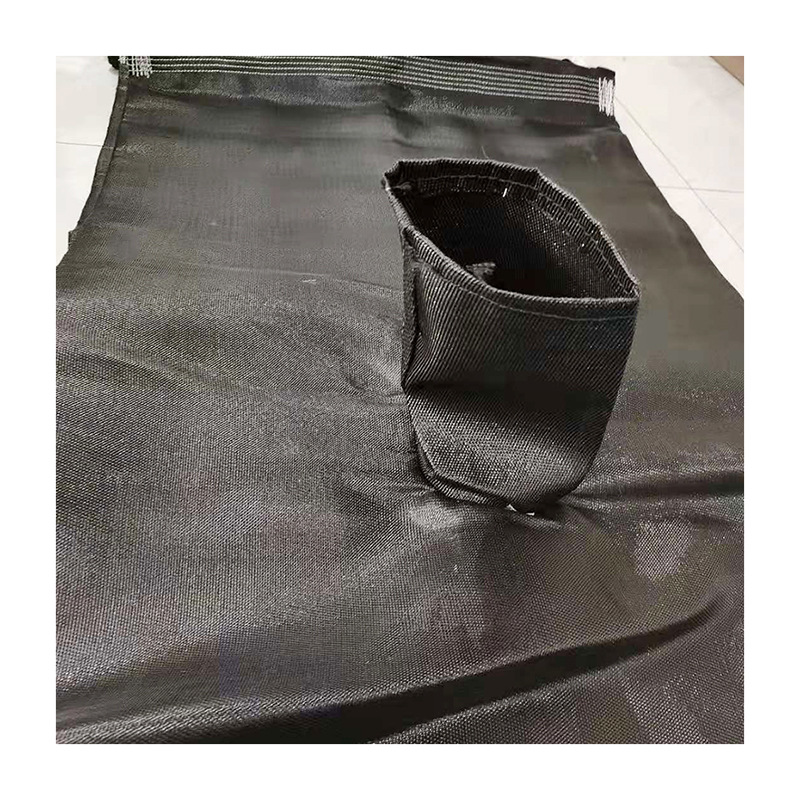
Geo Bags for Dredging are specially designed for river, lake, port and coastal dredging sludge disposal, delivering reliable solid-liquid separation and environmental protection performance. Adopting professional Geobag Dewatering technology, they adopt premium geotextile fabric with stable filtering performance just like standard Filter Bags for Dewatering, enabling quick water permeation while trapping fine sediment and suspended solids effectively.
Available in heavy-duty Dewatering Super Sack specifications, these geo bags feature high tensile strength, large loading capacity and strong anti-aging ability. Easy to transport and deploy on site, they greatly reduce sludge moisture content, cut construction and transportation costs, and prevent secondary pollution. Widely applied in waterway renovation, sediment treatment and land reclamation projects, they are an ideal eco-friendly solution for modern dredging dewatering works.
Its core working principle is:
1. Filling: Fill the bag with a fluid mixture such as mud, sludge, or silt (usually mixed with water) through a pumping device.
2. Drainage: The special structure of geotextiles allows water to quickly seep out of the fabric gaps under pressure (filtering function), while effectively intercepting solid particles.
3. Consolidation: With the continuous discharge of water, the solid material inside the bag is gradually concentrated, dehydrated, compacted, and consolidated, ultimately forming a stable and strong solid structure.
Simply put, it uses "cloth bags" as molds and dehydration containers to achieve the purpose of separating mud and water and forming solids.
Feature
1. Strong customizability: Its diameter and length can be customized according to engineering requirements, ranging from less than one meter to several meters in diameter, and up to tens or even hundreds of meters in length.
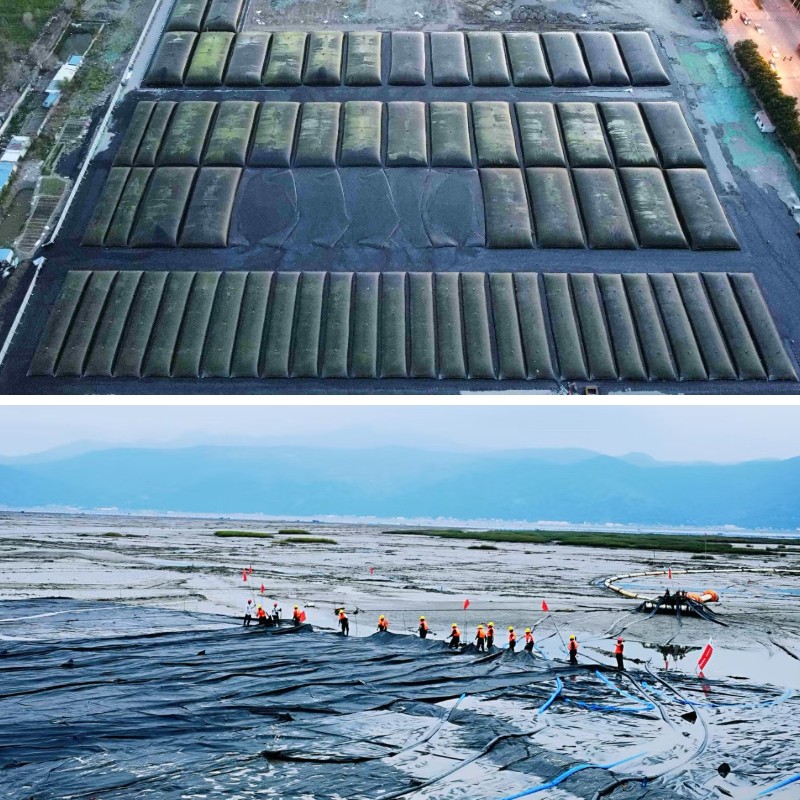
2. High strength and durability: The geotextile used to make the tube bag has undergone special treatment and has extremely high tensile strength, puncture resistance, UV resistance, and chemical corrosion resistance.
3. Excellent filtration and drainage performance: The pore size of the fabric is precisely designed to quickly discharge free water and effectively prevent the loss of large amounts of small solid particles, achieving "only water, no mud".
4. Flexibility and adaptability: As a flexible structure, it can adapt well to uneven foundation terrain, with a large contact area with the foundation, uniform load distribution, and even settlement.
5. Easy and fast construction: mainly filled by hydraulic pumping, with high mechanization and fast construction speed, without the need for complex templates and large heavy machinery.
Product Parameters:
project | unit | CWGD50S | CWGD90/120 | CWGD90S | CWGD100S | CWGD120S-B | CWGD120S-C | CWGD130S | CWGD200S-C | |
Tensile strength-radial | kN/m | 55 | 90 | 90 | 100 | 130 | 130 | 130 | 220 | |
Tensile strength-Weft | 50 | 120 | 90 | 100 | 120 | 120 | 130 | 210 | ||
Strain elongation-radial | % | 16±1 | 12±1 | 9±1 | 10±1 | 10±1 | 10±1 | 10±1 | 12±1 | |
Extensional elongation-Weft | 10±1 | 8±1 | 8±1 | 8±1 | 8±1 | 8±1 | 8±1 | 8±1 | ||
Breakage strength at 2% elongation | warp direction | kN/m | 5/15 | 14/40 | 30/30 | 30/30 | 20/40 | 22/40 | 20/45 | 15 |
Breakage strength at 5% elongation | warp direction | kN/m | 14/33 | 38/90 | 75/75 | 75/75 | 80/100 | 84/40 | 80/110 | 90 |
mass area ratio | g/m² | 285 | 440 | 390 | 430 | 540 | 540 | 560 | 850 | |
Joint tensile strength | kN/m | 35 | 90 | 60 | 70 | 100 | 100 | 110 | 170 | |
Static Burst Strength (CBR) | KN | 5 | 10 | 10 | 13 | 15 | 15 | 16 | 22 | |
Dynamic perforation | mm | 10 | 8 | 12 | 12 | 10 | 10 | 11 | 8 | |
Equivalent aperture (0g0) | mm | 0.9 | 0.48 | 0.52 | 0.45 | 0.4 | 0.3 | 0.43 | 0.4 | |
Permeability (Q50) | L/m²/s | 200 | 40 | 20 | 15 | 12 | 6.5 | 15 | 15 | |
Ultraviolet resistance (500h strong storage rate ) | % | 90 | 90 | 85 | 85 | 85 | 85 | 85 | 85 | |
Product Applications:
In modern hydraulic and environmental engineering, geo bags for dredging have emerged as a game-changing solution, with their most critical and widely adopted application lying in dredged sludge dewatering and solidification for river, lake, and port restoration projects. This application addresses the long-standing pain points of traditional dredging—high moisture content sludge (often over 90%), costly long-distance transportation, and secondary environmental pollution—while integrating efficiency, eco-friendliness, and cost-effectiveness. At the heart of this process lie three key products: Geobag Dewatering, Dewatering Super Sack, and Filter Bags for Dewatering, each playing a vital role in achieving seamless sludge-water separation and stable solidification.
Dredging operations for rivers, reservoirs, or coastal areas inevitably generate massive volumes of fluid sludge mixed with water, silt, and even trace contaminants. Traditional methods rely on settling ponds or mechanical dewatering, which demand large land areas, expensive equipment, and prolonged processing cycles. In contrast, geobag dewatering simplifies the workflow into three streamlined steps: pumping sludge into geo bags, filtering out excess water, and consolidating solids into a stable mass. The geo bags, crafted from high-strength polypropylene or polyester geotextile, feature a precise pore structure that allows water to drain freely while trapping fine sediment particles—this is where Filter Bags for Dewatering shine, as their engineered filtration fabric ensures high efficiency (over 80% sediment retention) and prevents clogging during continuous operation.
For large-scale dredging projects with high sludge output, Dewatering Super Sack (a heavy-duty variant of standard geo bags) becomes the optimal choice. These super sacks boast larger capacity, enhanced tensile strength, and customizable sizes, making them suitable for handling high-volume, high-viscosity sludge from ports or industrial waterways. Unlike small filter bags, dewatering super sacks can be deployed in dedicated dewatering yards, where multiple bags are arranged in rows to form a continuous treatment system. As sludge is pumped into the super sacks, gravity and hydraulic pressure drive water through the geotextile fabric, reducing sludge moisture content from 90% to 60% within 15 days, and further down to 35%–40% for long-term consolidation. The filtered clean water, free of suspended solids and pollutants, can be discharged back to the water body in compliance with environmental standards, eliminating secondary pollution risks.
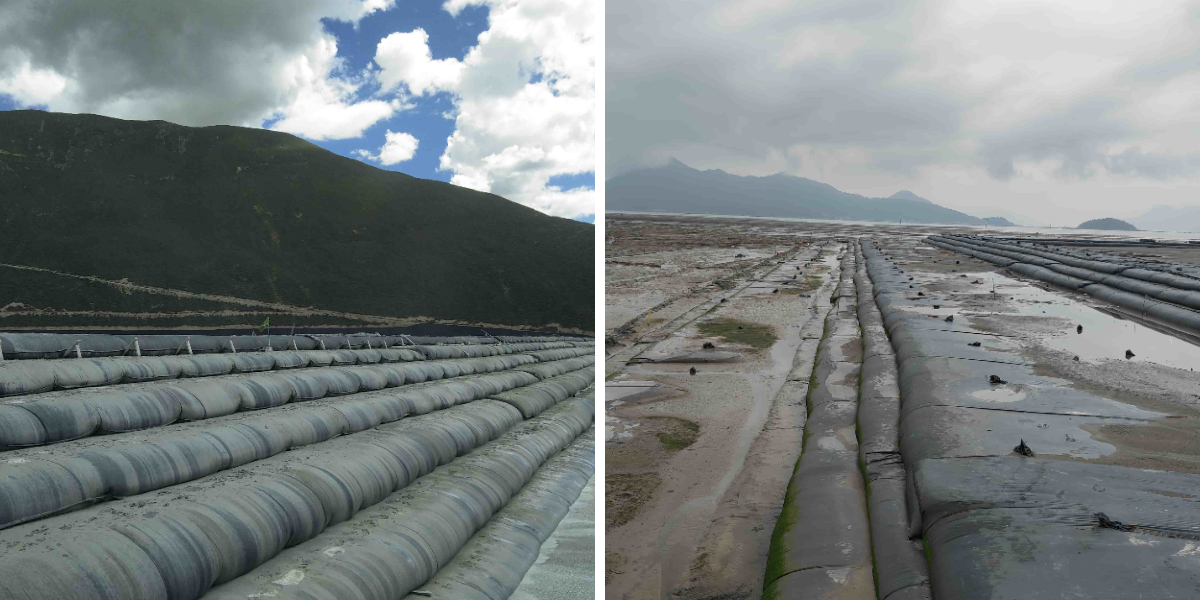
The synergy of geobag dewatering, dewatering super sacks, and filter bags for dewatering delivers unmatched advantages for dredging projects. First, it cuts costs significantly: compared to mechanical dewatering, geo bag solutions reduce expenses by 20%–40% by eliminating the need for large machinery and settling ponds. Second, construction is flexible and fast—geo bags can be deployed on-site without complex infrastructure, shortening project timelines by half. Third, the consolidated sludge in geo bags gains structural stability, allowing for direct reuse in subsequent projects such as slope protection, embankment construction, or land reclamation. For example, in river restoration projects, stacked geo bags filled with dewatered sludge form eco-friendly revetments that resist erosion and support vegetation growth, achieving "dredging-solidification-protection" integration.
Beyond technical advantages, this application aligns with global environmental sustainability goals. Traditional sludge disposal often leads to landfill overcrowding or illegal dumping, harming ecosystems. Geobag dewatering, however, turns waste sludge into a reusable resource: consolidated sludge can be used as construction material or soil amendment, while the geotextile bags are durable and reusable for multiple projects. This circular economy model has been successfully applied in numerous projects worldwide, from lake restoration in Asia to coastal dredging in Europe, proving its reliability and adaptability across different geological and environmental conditions.
In conclusion, the core application of geo bags for dredging in sludge dewatering and solidification represents a revolutionary shift in dredging technology. By combining geobag dewatering, dewatering super sacks, and filter bags for dewatering, this solution efficiently solves the challenges of sludge treatment, reduces environmental impact, and unlocks resource reuse potential. As global demand for waterway restoration and environmental protection grows, geo bags will continue to be the preferred choice for dredging projects, driving the industry toward greener, more efficient, and sustainable development.
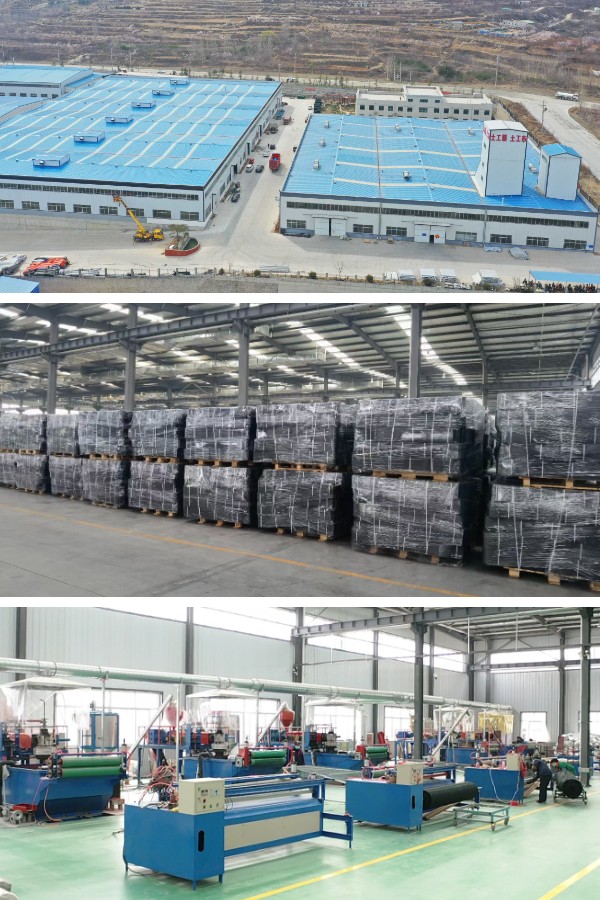
In summary, as a new type of geotechnical material that is "efficient, economical, and environmentally friendly", the application scenarios of geotextile bags are still expanding (such as ecological restoration, landfill seepage prevention, etc.), and will play a more important role in green engineering and low-carbon construction in the future.