How to Determine Proper Gram Weight of Geotextile Cloth for Site Conditions
Introduction
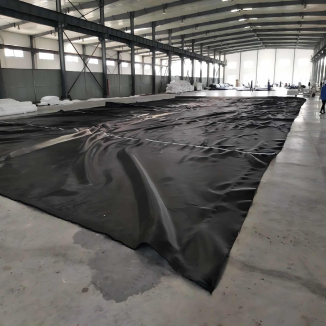
Geotechnical construction success heavily relies on the careful selection of geosynthetic materials that match unique site environments and engineering demands. Among the most widely used geosynthetic solutions, Geotextile Cloth serves core roles in soil separation, water filtration, slope protection, and foundation stabilization across civil, environmental, and hydraulic projects. Selecting an appropriate gram weight of Geotextile Cloth is essential to avoid common construction issues including soil mixing, drainage blockage, layer displacement, and premature material failure. Both flexible Fabric Geotextile and durable Non Woven Geotextile rely on accurate gram weight matching to deliver consistent on-site performance. This article elaborates on practical, site-oriented principles to help engineers and contractors determine the ideal gram weight of Geotextile Cloth for diverse construction scenarios, ensuring long-term project stability and cost-effective material application.
1. Understand Core Functions Linked to Geotextile Cloth Gram Weight
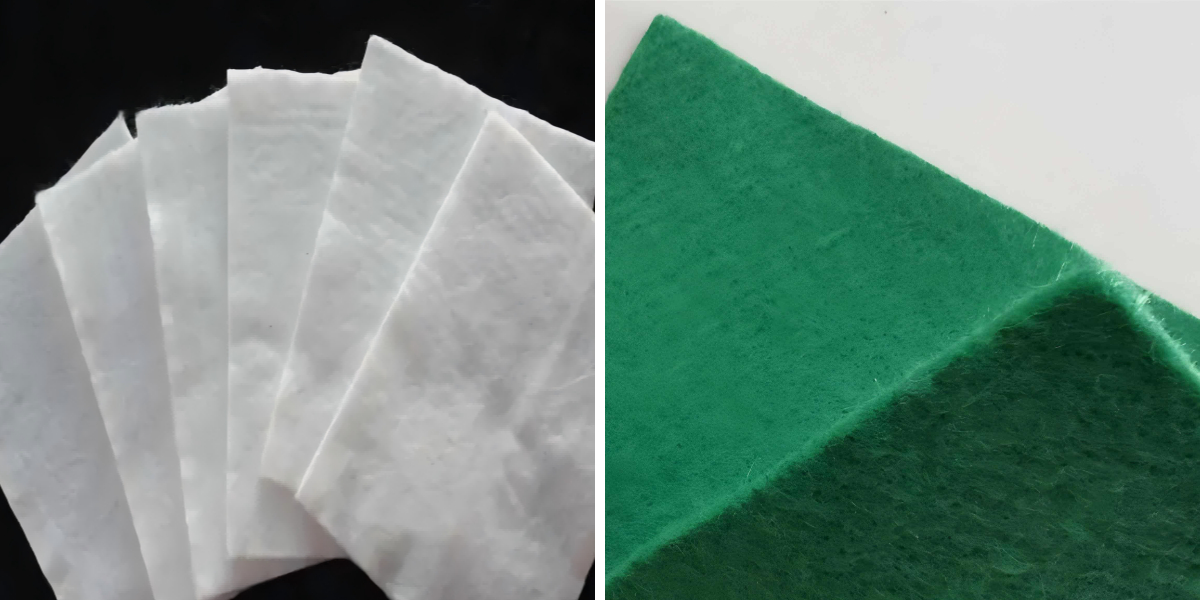
Gram weight is the most intuitive indicator that defines the overall quality and functional performance of Geotextile Cloth. It reflects fiber density, material thickness, structural compactness, and comprehensive mechanical properties, all of which directly determine whether the geotextile can meet filtration, separation, reinforcement, and protection requirements on construction sites. Different engineering functions require targeted gram weight standards, as mismatched density will either cause performance insufficiency or unnecessary material waste.
Lightweight Fabric Geotextile features excellent permeability and flexible coverage, making it suitable for basic soil separation, temporary surface protection, and routine drainage treatment in general earthwork. Its open fiber structure guarantees smooth water flow while preventing fine soil particle migration. In contrast, medium and heavy gram weight options provide enhanced tensile strength and puncture resistance for complex working conditions. As the most versatile geosynthetic material, Non Woven Geotextile adopts random fiber distribution technology, and reasonable gram weight selection ensures uniform structural stress, stable hydraulic performance, and lasting durability. Mastering the correlation between gram weight and functional attributes is the first step to selecting qualified Geotextile Cloth for any project.
2. Evaluate Site Soil and Foundation Conditions
Natural soil and foundation conditions are the fundamental basis for determining the optimal gram weight of Geotextile Cloth. Site foundations vary greatly in texture, compactness, humidity, and stability, all of which place different performance requirements on geotextile materials. Soft, waterlogged, loose, or newly filled soil foundations are prone to settlement and deformation, requiring Geotextile Cloth with higher density and stronger tensile toughness to constrain soil displacement and stabilize foundation structures.
For compact, rigid, and stable soil foundations with uniform texture, standard-specification Fabric Geotextile can fully meet daily separation and drainage needs, achieving balanced performance and economic benefits. For sites with uneven soil layers, loose backfill, and mixed gravel textures, high-density Non Woven Geotextile is highly recommended. Its dense fiber structure effectively disperses foundation stress, resists local extrusion deformation, and avoids structural damage caused by uneven ground settlement. Careful assessment of soil characteristics allows construction teams to customize the gram weight of Geotextile Cloth and maximize the adaptability of geosynthetic materials to on-site foundation environments.
3. Confirm Project Functional Requirements
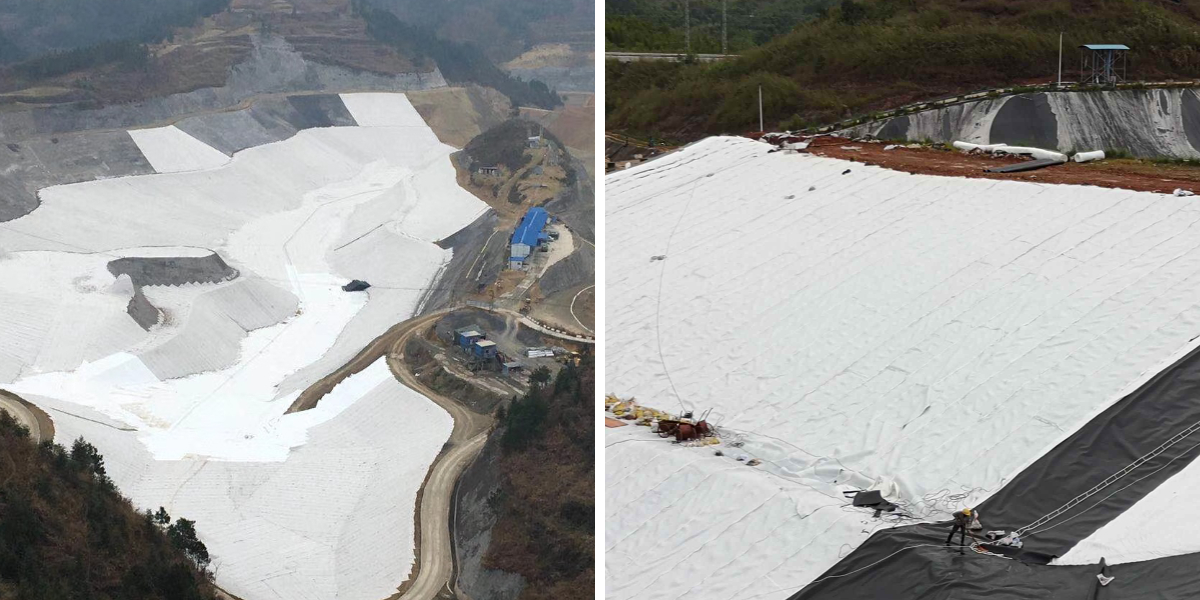
Different engineering application scenarios put forward completely different performance standards for Geotextile Cloth gram weight. Common geotextile functions include soil separation, water filtration, slope anti-erosion, foundation reinforcement, and isolation protection for industrial and environmental projects. Each independent function requires a matched material density to ensure stable and long-term operational effects.
For simple filtration, drainage, and soil layering projects, lightweight Fabric Geotextile maintains excellent water permeability and particle interception performance, effectively solving foundation water accumulation and soil mixing problems. For key projects such as slope stabilization, road base reinforcement, and reservoir protection that bear continuous structural stress, thickened Non Woven Geotextile with higher gram weight provides reliable tear resistance, structural support, and anti-deformation ability. Clearly defining the core functional positioning of the project helps avoid over-specification or under-specification of Geotextile Cloth, ensuring that material performance precisely matches engineering needs while controlling overall project costs.
4. Analyze Long-Term Environmental Exposure Factors
Outdoor construction projects are permanently affected by natural environmental factors, which gradually test the weather resistance and structural stability of Geotextile Cloth. Long-term ultraviolet radiation, drastic day and night temperature differences, rainwater scouring, humid corrosion, and natural wind erosion will accelerate the aging of low-density geotextile materials, leading to hardening, cracking, and performance attenuation.
In mild, sheltered, and short-term construction environments, standard-weight Fabric Geotextile can maintain stable performance throughout the construction cycle without premature aging damage. For open-air slopes, long-term hydraulic facilities, and fully exposed foundation projects in harsh climates, high-gram-weight Non Woven Geotextile with enhanced anti-aging additives delivers superior UV resistance, temperature stress resistance, and anti-erosion performance. Reasonable gram weight selection based on environmental exposure intensity enables Geotextile Cloth to maintain complete structural integrity and stable working performance during long-term outdoor service.
5. Match Gram Weight with Construction Load Conditions
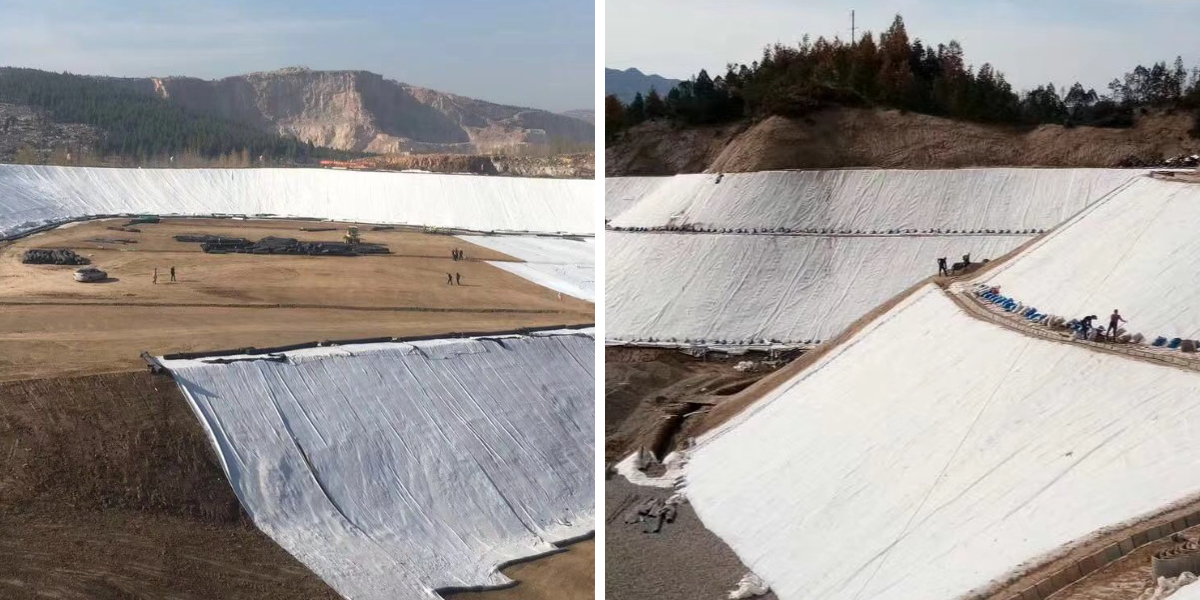
Construction load and long-term operational load are critical factors that cannot be ignored when selecting the gram weight of Geotextile Cloth. On-site mechanical rolling, construction equipment extrusion, rock and gravel impact, and long-term soil pressure will continuously apply external force to geotextile materials, requiring sufficient structural strength to resist damage.
Light-load landscape projects, temporary earth backfilling, and short-term protection works can adopt standard Fabric Geotextile to complete basic isolation and protection tasks efficiently. For permanent infrastructure including highway foundations, railway subgrades, and large-scale slope projects that bear long-term static and dynamic loads, high-gram-weight Non Woven Geotextile is essential to enhance overall structural rigidity and anti-puncture ability. Scientific load matching prevents local stress concentration and material fracture, allowing Geotextile Cloth to maintain stable working conditions throughout the entire project service cycle.
6. Avoid Common Gram Weight Selection Mistakes
Most hidden dangers in geotextile engineering stem from blind and empirical gram weight selection without combining actual site conditions. Excessively high gram weight causes unnecessary cost waste and resource redundancy, while insufficient gram weight leads to serious engineering risks such as filter blockage, foundation uneven settlement, layer sliding, and material tearing.
Many construction personnel fail to distinguish the application advantages of Fabric Geotextile and Non Woven Geotextile, resulting in mismatched material selection. Low-density Non Woven Geotextile cannot adapt to high-load and harsh environments, failing to provide effective reinforcement and protection effects. Only by comprehensively integrating soil conditions, environmental factors, functional demands, and load standards can engineers select the most reliable and cost-effective Geotextile Cloth specification to eliminate potential construction risks.
Conclusion
Determining the proper gram weight of Geotextile Cloth is a professional and systematic matching process that runs through the entire project design and construction stage. Reasonable gram weight selection gives full play to the flexible permeability and economical advantages of Fabric Geotextile, as well as the high-strength reinforcement and durable protection performance of Non Woven Geotextile. By adhering to site-oriented selection principles and avoiding empirical misjudgments, engineering teams can make Geotextile Cloth perfectly adapt to diverse construction conditions, ensuring stable, long-term, and high-quality operation of all geotechnical and environmental protection projects.