Highway Slope Construction and Maintenance: Why Choose Non‑Woven Geotextile for Slope Protection
Introduction: Common Challenges in Highway Slope Construction and Maintenance
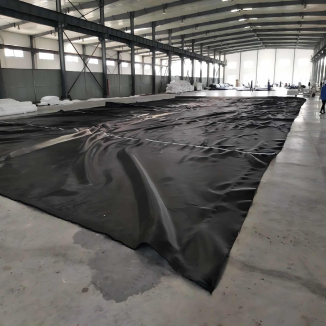
Highway slope stability is one of the most critical factors ensuring long-term road safety and smooth traffic operation. Road slopes are constantly exposed to complex outdoor environments, including heavy rainfall, surface water scouring, wind weathering, and seasonal temperature changes. These external factors easily cause common geological problems such as surface soil erosion, slope cracking, loose soil layers and even partial collapse, which seriously threaten highway driving safety and increase regular maintenance pressure. Traditional slope protection methods such as stone paving, concrete covering and soil compaction have obvious limitations, including poor water permeability, rigid structure failure and short service life. In modern highway infrastructure construction, professional geosynthetic materials have become the preferred solution for slope governance. non woven geotextile fabric, durable geotextile cloth and scientific geotextile slope protection systems provide efficient, stable and eco-friendly stabilization solutions for all kinds of highway slopes.
Basic Characteristics and Working Principle of Non-Woven Geotextile Materials
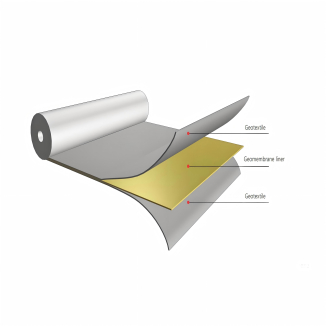
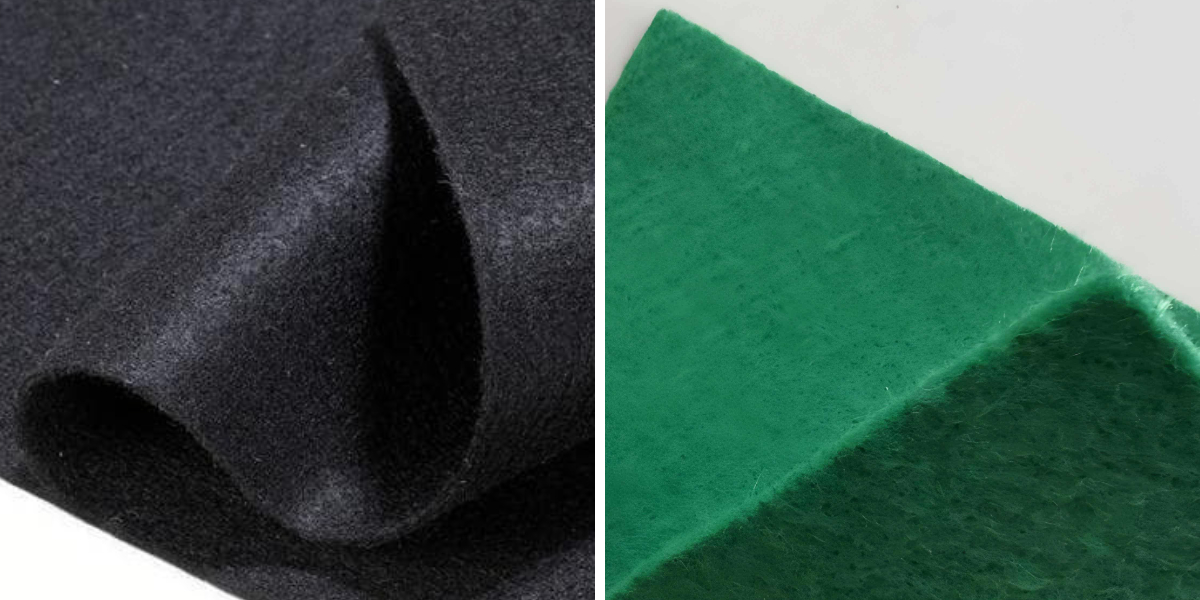
To achieve long-term highway slope stabilization, protection materials need to integrate multiple functions of filtration, drainage, isolation and reinforcement, and non woven geotextile fabric perfectly meets the comprehensive engineering needs of slope projects. Made from continuous polymer fibers through non-woven needle-punching technology, non woven geotextile fabric forms a fluffy and uniform fiber structure with excellent overall integrity and flexibility. It will not break or scatter under external tension and extrusion, maintaining stable structural performance in long-term buried and exposed environments.
As a versatile road engineering material, geotextile cloth features good water permeability and soil isolation performance. Its unique fiber gap structure allows rainwater and groundwater to penetrate smoothly and discharge outward, while effectively blocking fine soil particles from losing with water flow. This one-way filtration characteristic solves the core problem of soil hollowing and slope loosening caused by water accumulation inside highway slopes, making geotextile cloth the basic material for slope internal stabilization.
Scientific geotextile slope protection technology relies on the structural advantages of non-woven materials to build a dual protection system of internal stabilization and external anti-scouring. Different from rigid protection materials that are prone to brittle failure, geotextile slope protection adopts flexible fitting design, which can closely fit the irregular surface of highway slopes, fill soil gaps, and integrate with the slope soil layer to form a stable composite structure.
Core Advantages of Non-Woven Geotextile for Highway Slope Stabilization
1. Efficient Filtration and Drainage to Prevent Slope Water Damage
Most highway slope failures are caused by long-term water accumulation and water flow scouring. non woven geotextile fabric has uniform and orderly internal fiber pores, which can quickly drain excess rainwater and groundwater inside the slope, reduce pore water pressure, and avoid slope swelling, cracking and sliding caused by water soaking. While ensuring smooth drainage, non woven geotextile fabric effectively retains fine soil particles, preventing internal soil loss and slope hollowing.
Traditional rigid protection layers easily form water accumulation cavities between the protective layer and the soil surface, aggravating slope damage. geotextile cloth fits the slope surface tightly without hollow gaps, realizing seamless drainage and isolation. Its soft and breathable structure balances the water and gas circulation inside the slope, avoids soil softening, and greatly improves the overall water damage resistance of highway slopes.
Perfect drainage and filtration performance is the core advantage of geotextile slope protection. It solves the common engineering pain point that traditional slope protection cannot coordinate drainage and soil fixation, effectively reducing slope erosion damage in rainy seasons and improving the long-term stability of highway infrastructure.
2. Reliable Isolation and Reinforcement to Stabilize Slope Soil Structure
Highway slopes are mostly filled with mixed soil, with loose texture and poor overall structural strength. non woven geotextile fabric can lay a stable isolation layer between different soil layers, effectively separating filling soil and original soil, preventing layer mixing and structural disorder caused by soil mutual penetration. The high tensile performance of non woven geotextile fabric can disperse the local stress of the slope, inhibit soil displacement and slow down slope deformation.
With excellent toughness and integrity, geotextile cloth integrates scattered loose soil into a unified whole through flexible restraint. It improves the overall bearing capacity and anti-sliding performance of the slope soil layer, avoids local collapse and edge warping, and provides solid structural reinforcement for high-fill and deep-cut highway slopes.
Professional geotextile slope protection combines isolation, drainage and reinforcement functions, fundamentally optimizing the internal stress structure of the slope. It makes the highway slope maintain stable mechanical performance under long-term traffic vibration and natural weathering, ensuring the safety and stability of road operation.
3. Strong Weather Resistance and Low Engineering Maintenance Cost
Highway slope protection materials need to adapt to long-term outdoor complex weather conditions. non woven geotextile fabric is treated with anti-aging and anti-ultraviolet technology, with stable physical and chemical properties. It can resist extreme temperature changes, wind and rain erosion, and long-term humid soil environment corrosion, without aging, degradation or performance attenuation, maintaining long-term protection effect.
Compared with concrete and stone protection that are easy to crack and fall off, geotextile cloth has good flexible adaptability, which can follow the slight settlement and deformation of the slope soil without structural damage. It avoids frequent repair and reinforcement caused by material failure, greatly reducing the later maintenance cost of highway slopes.
The durable and low-maintenance characteristics of geotextile slope protection make it suitable for long-term highway slope operation and protection. It reduces the frequency of road slope maintenance, improves road passing efficiency, and creates stable economic benefits for highway engineering projects.
Standard Application Scenarios of Geotextile Protection in Highway Engineering
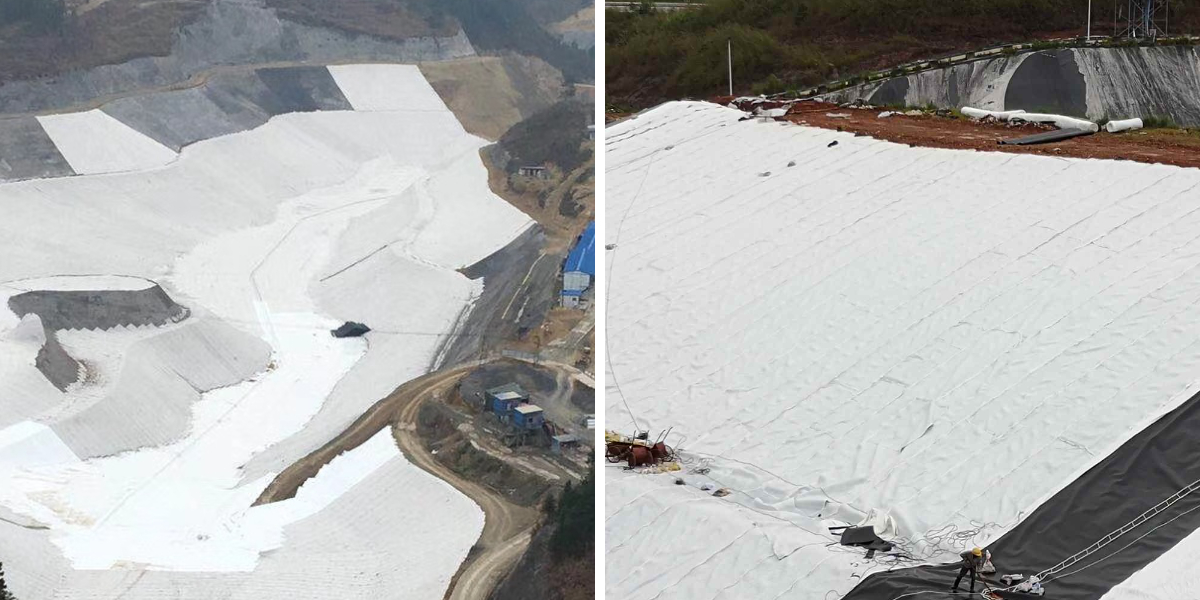
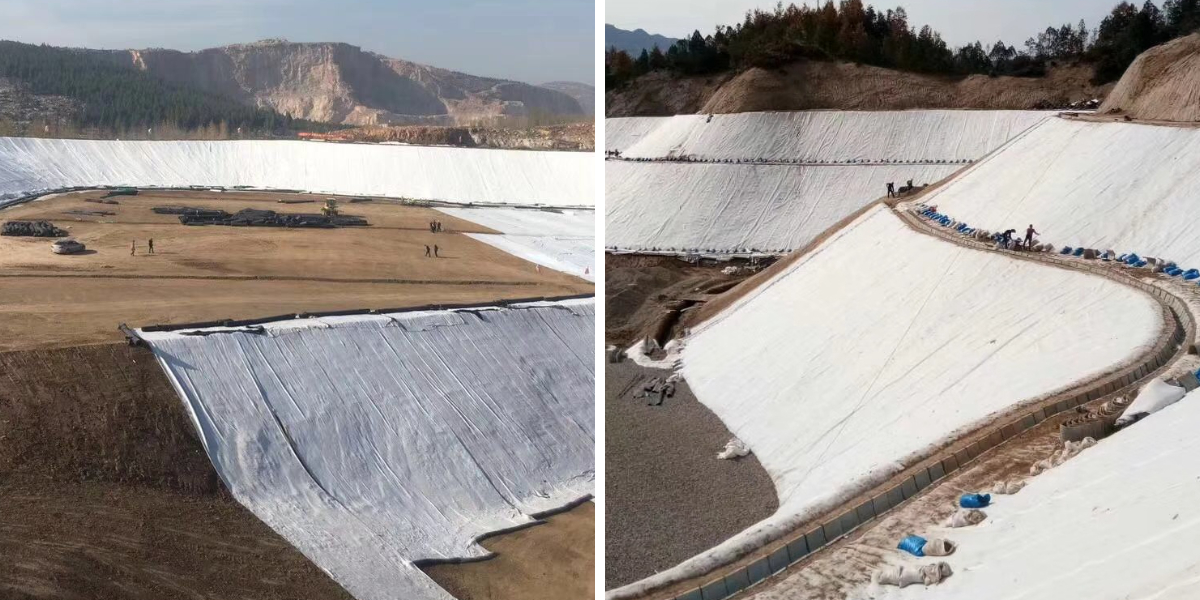
non woven geotextile fabric is widely used in various types of highway slope projects, including new road slope filling, old road slope renovation, mountain highway cutting slope protection and road embankment stabilization. In all scenarios, non woven geotextile fabric serves as the core isolation and drainage material to lay a solid foundation for slope stability.
In the whole slope protection construction process,geotextile cloth is laid flat and fixed on the treated slope base, matching with surface vegetation protection or rigid protective layer. It can eliminate the hidden dangers of internal water accumulation and soil loss, and cooperate with external protection to form a complete slope protection system. The flexible and lightweight characteristics of geotextile cloth make the construction process simple and efficient, suitable for large-scale and complex terrain highway slope projects.
Mature geotextile slope protection technology has become a standard construction process in modern highway engineering. It not only meets the engineering stability requirements of slope reinforcement, but also coordinates with ecological greening construction, realizing the organic combination of highway safety protection and environmental landscape optimization.
Conclusion: Geotextile Materials Are Ideal for Highway Slope Stabilization
Modern highway slope protection is developing towards high stability, long durability and low maintenance. non woven geotextile fabric, practical geotextile cloth and systematic geotextile slope protection solutions completely solve the defects of traditional slope protection technologies.
With efficient drainage and filtration, reliable soil reinforcement, excellent weather resistance and economical application advantages, these geotextile materials effectively prevent highway slope water damage, soil erosion and structural instability. Choosing professional non-woven geotextile materials is the key to improving highway slope construction quality, prolonging road service life and ensuring long-term safe and stable operation of highway traffic.