Emergency Road Repair: How Cement Blanket Speeds Up Pothole & Damaged Pavement Fixes
Introduction: Key Pain Points of Traditional Emergency Road Repair
Sudden pavement damage, including potholes, surface cracking, layer peeling and partial pavement collapse, seriously affects road traffic safety and causes frequent traffic congestion. Traditional asphalt and concrete pavement repair methods rely on complex mixing, pouring and long curing cycles, which cannot meet the rapid opening requirements of emergency road repair. These conventional solutions often require long road closure time, cumbersome on-site operation and vulnerable repair results, bringing huge pressure on road maintenance teams. In modern rapid traffic maintenance engineering, efficient and convenient new materials have become the core of emergency repair upgrading. The flexible and fast-forming cement blanket, high-strength concrete impregnated fabric and auxiliary heat-preserving cement curing blankets completely change the traditional road repair mode, greatly improving the efficiency and durability of pothole and damaged pavement restoration.
What Makes Cement Blanket Series Ideal for Emergency Pavement Repair
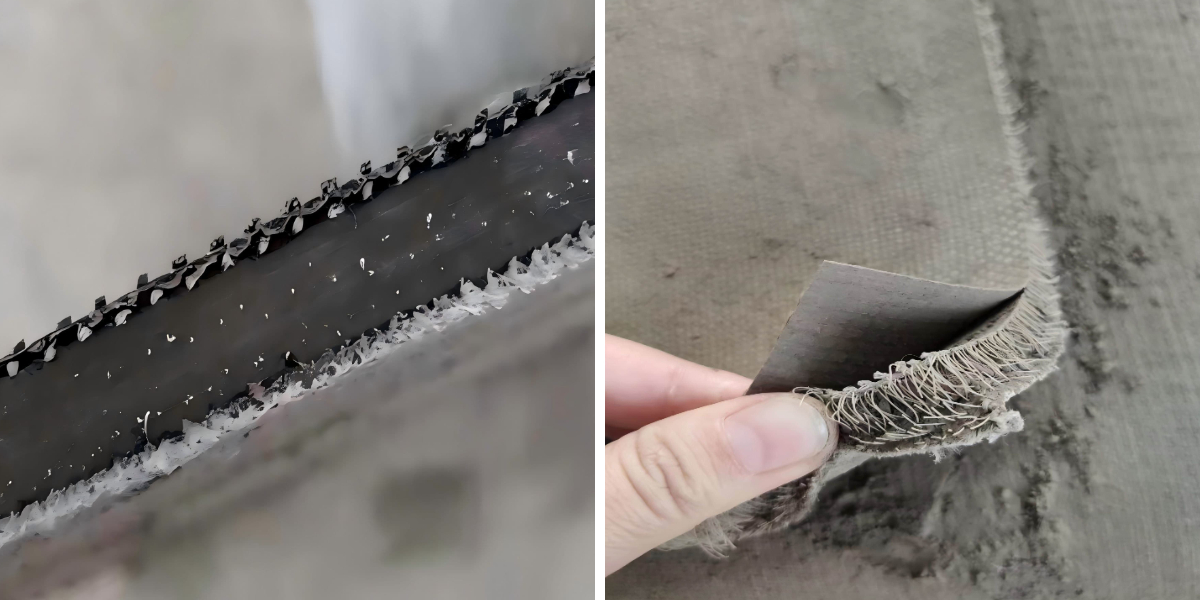
cement blanket is a prefabricated flexible cement composite material designed for rapid engineering repair. Integrated with cement components and fiber fabric structure, cement blanket requires no on-site concrete mixing or complex pavement pouring procedures. After simple paving and water watering, it can quickly harden to form a solid protective layer, which perfectly matches the fast construction requirements of emergency road repair. Its flexible fitting feature allows it to adapt to irregular pothole shapes and uneven damaged pavement surfaces, realizing seamless pavement restoration.
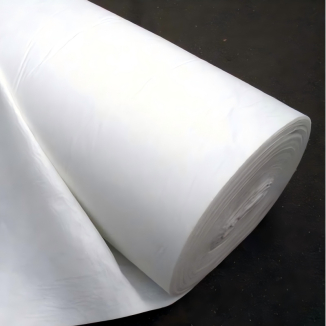
As the core structural carrier of finished repair materials, concrete impregnated fabric provides stable mechanical support for emergency pavement repair. The high-toughness woven structure of concrete impregnated fabric locks internal cement materials firmly, avoiding material shedding and hollowing after repair. It forms a tight composite layer with the original pavement, effectively resisting vehicle rolling, friction and outdoor weather erosion, and solving the problem of easy secondary damage after traditional pothole repair.
Supporting cement curing blankets play an indispensable role in improving repair quality and shortening construction cycles. In emergency road repair, cement curing blankets can isolate external temperature interference, lock the hydration heat of newly laid materials, and accelerate the curing and hardening speed of repair structures. Whether in low-temperature environments or variable weather conditions, cement curing blankets ensure the rapid forming and stable performance of repaired pavement, greatly improving the practicability of emergency repair construction.
Core Advantages of Cement Blanket for Pothole and Pavement Emergency Fix
1. Ultra-Fast Construction and Short Road Closure Time
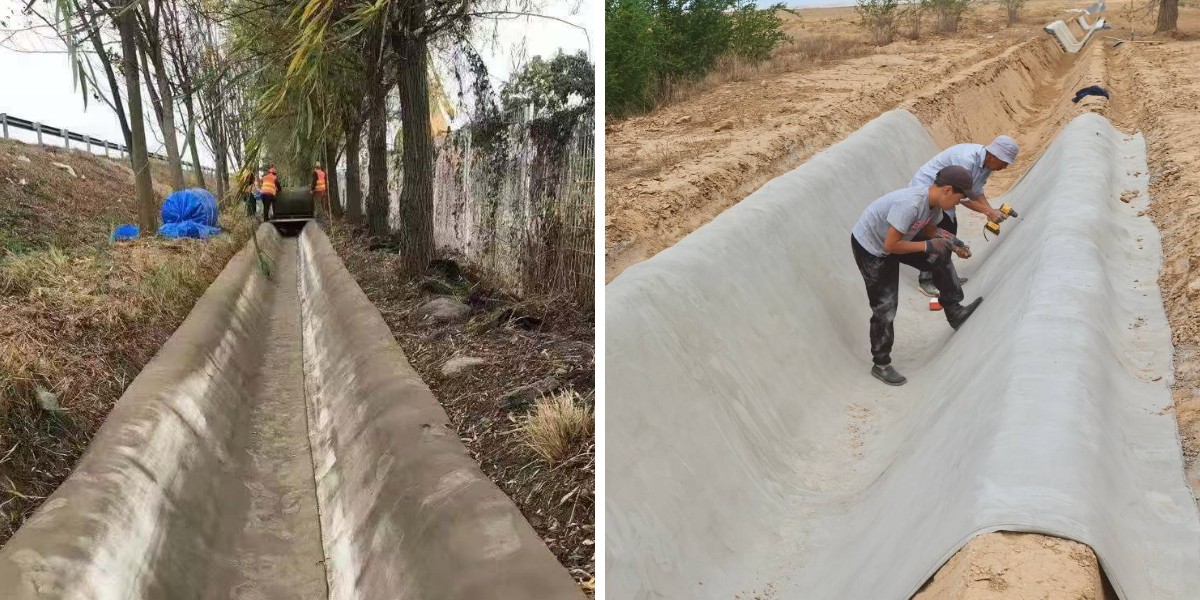
The biggest advantage of cement blanket in emergency road repair is its extremely simplified construction process. Different from traditional repair materials that require proportioning, stirring, leveling and long-time curing, cement blanket can be directly laid on cleaned potholes and damaged pavement surfaces. The whole operation process is efficient and labor-saving, which greatly shortens the on-site construction time. Rapid hardening characteristics allow the pavement to be put into use quickly, minimizing road closure duration and reducing traffic congestion losses caused by pavement damage.
The excellent structural integration of concrete impregnated fabric ensures that the repair layer will not suffer local deformation or delayed hardening. Its internal fiber structure accelerates the uniform hydration reaction of cement components, realizing rapid strength growth of the repair layer. This stable rapid forming performance makes concrete impregnated fabric far more suitable for time-sensitive emergency repair projects than traditional pavement repair materials.
Cooperative use of cement curing blankets further compresses the curing cycle of repaired pavement. By maintaining a stable curing environment, cement curing blankets eliminate the influence of external wind, cold and dry weather on material hardening, ensure that the repair layer reaches stable strength in a short time, and maximize the efficiency of emergency road repair work.
2. Seamless Fitting and High Repair Durability
Irregular potholes and fragmented damaged pavement make traditional rigid repair materials difficult to fit closely, prone to gaps, water seepage and secondary damage. cement blanket has excellent flexible ductility, which can fit the irregular base surface of damaged pavement and pothole walls completely without dead corners. After hardening, cement blanket forms an integrated high-strength pavement layer with consistent stress performance, effectively avoiding cracking and peeling caused by uneven pavement force.
The three-dimensional fiber constraint system of concrete impregnated fabric greatly enhances the overall tensile and compression resistance of the repair layer. It can disperse vehicle load and pavement stress evenly, prevent local damage of the repair layer under long-term traffic rolling, and improve the service life of repaired pavement. Compared with traditional patch repair that is easy to fall off, concrete impregnated fabric-based repair structure has stronger overall stability and wear resistance.
cement curing blankets ensure the full hydration and compact forming of the repair material. By avoiding incomplete curing and internal gap defects, cement curing blankets eliminate the hidden danger of early damage of newly repaired pavement, making the emergency repair effect more durable and reliable.
3. Strong Environmental Adaptability and Low Construction Threshold
Emergency road repair often needs to be carried out in complex weather and road conditions, putting forward high requirements on the environmental adaptability of materials. cement blanket is not restricted by conventional weather and terrain conditions, and can be constructed normally in dry, cold and humid environments. It does not rely on large-scale construction equipment and complex auxiliary facilities, and can complete high-quality repair operations with simple manual construction, which is very suitable for sudden road damage emergency scenarios.
concrete impregnated fabric has stable physical and chemical properties, with strong anti-aging, anti-corrosion and anti-freezing performance. It can adapt to long-term outdoor road operation environments, resist rainwater erosion, temperature alternation and vehicle friction, and maintain stable pavement repair effect for a long time. Its excellent environmental adaptability makes up for the poor weather resistance of traditional emergency repair materials.
cement curing blankets solve the problem of unstable repair quality caused by extreme weather interference. Whether in low temperature or strong wind weather, cement curing blankets can create a stable curing microenvironment for the repair layer, ensure consistent construction quality in different environments, and realize reliable emergency road repair in all seasons.
Typical Application Scenarios in Emergency Road Maintenance
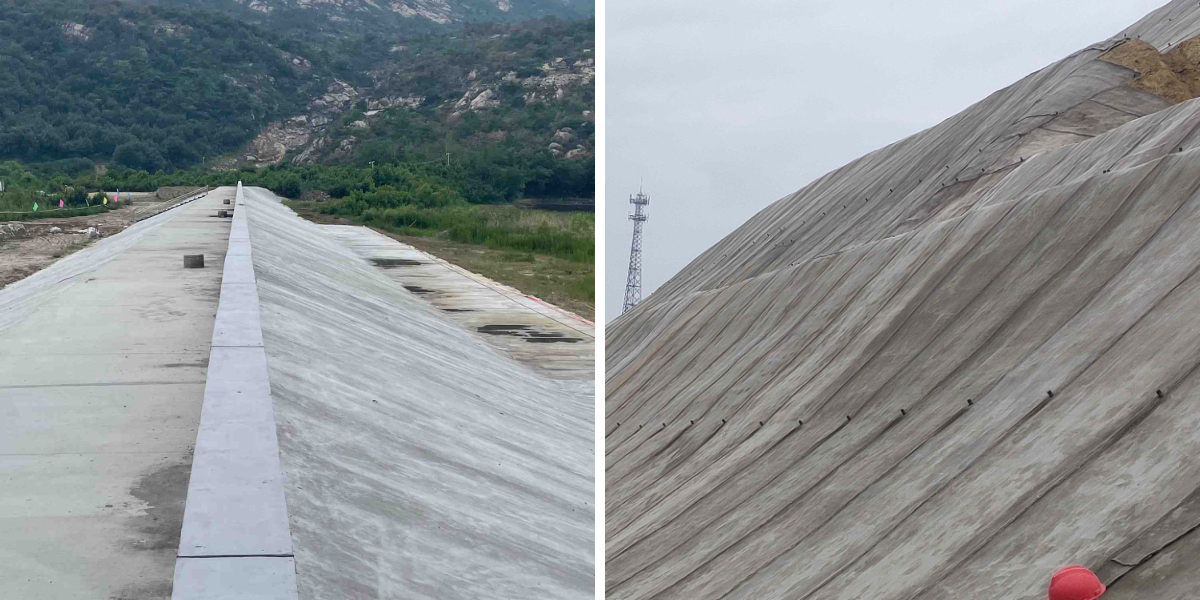
cement blanket is widely used in various emergency road repair scenarios, including rapid repair of highway potholes, urban road surface damage, rural pavement fragmentation and temporary road reinforcement. It can quickly fix local damaged areas without large-area pavement reconstruction, realizing targeted and efficient road maintenance.
In all pavement emergency repair projects, concrete impregnated fabric serves as the core reinforcement structure of the repair layer. It enhances the bonding force between the repair material and the original pavement, avoids hollowing and peeling at the joint, and ensures the flatness and integrity of the overall road surface after repair.
cement curing blankets are essential auxiliary materials for high-standard emergency repair. They are widely used in rapid repair projects requiring fast opening and high-quality forming, effectively guaranteeing the construction effect of cement blanket and concrete impregnated fabric, and making emergency road maintenance more standardized and efficient.
Conclusion: Upgrade Emergency Road Repair With Cement Blanket Solutions
Traditional road repair methods can no longer adapt to the efficient and rapid maintenance needs of modern traffic roads. Efficient emergency repair systems composed of cement blanket, high-performance concrete impregnated fabric and practical cement curing blankets provide a perfect solution for pothole and damaged pavement fixes.
These professional materials overcome the shortcomings of slow construction, poor fitting and easy secondary damage of traditional repair technologies. They greatly shorten road maintenance cycles, reduce traffic impact, and improve the durability and stability of repaired pavement. For all road emergency maintenance teams, choosing cement blanket series materials is the best way to realize fast, economical and high-quality pavement emergency repair.