Geotextile Cloth Materials: Which Type Suits Your Construction Project?
Introduction: The Role of Geotextile in Modern Construction
Geotextile fabric has come to be a cornerstone in construction, imparting versatile options for drainage, erosion control, and soil reinforcement. From avenue beds to coastal defenses, the proper cloth can decorate task durability, limit protection costs, and make certain long-term stability. With two principal options—non woven geotextile cloth and woven geotextile fabric—choosing the proper one relies upon on your project’s precise needs. This information breaks down their properties, best applications, and how to suit them to your goals.
Understanding the Two Main Geotextile Materials
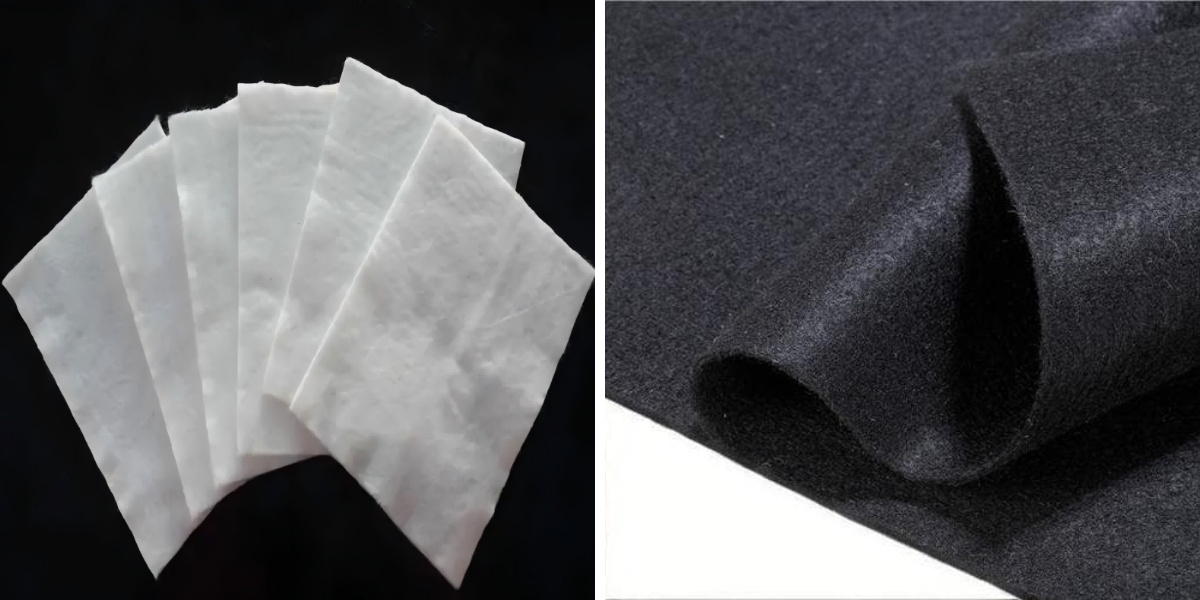
Geotextiles are engineered from artificial polymers like polypropylene (PP) or polyester (PET), however their manufacturing strategies create awesome characteristics.
1. Non Woven Geotextile Fabric
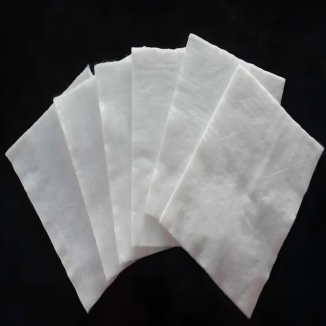
Non woven geotextile cloth is made by way of bonding fibers (usually PP) with heat, chemicals, or mechanical pressure, ensuing in a soft, felt-like texture. Its key features encompass excessive permeability—water and air drift freely thru its porous structure—making it extraordinary for filtering and drainage. It’s additionally fantastically flexible, conforming without difficulty to uneven surfaces like rocky slopes or curved trenches, which simplifies installation. Additionally, it’s usually greater low priced than woven options, making it a cost effective preference for large-area tasks the place power isn’t the pinnacle priority.
2. Woven Geotextile Fabric
Woven geotextile material is crafted by way of weaving PP or PET threads into a tight grid pattern, comparable to canvas. This shape offers it splendid tensile strength, permitting it to withstand stretching below heavy loads—a crucial function for load-bearing applications. It has decrease permeability than non-woven fabric, giving higher manipulate over water flow. It additionally boasts most excellent durability, with more desirable resistance to abrasion, UV rays, and put on from foot or car traffic, making it best for long-term, high-stress projects.
Matching Materials to Project Needs
The proper geotextile relies upon on whether or not your undertaking prioritizes drainage, strength, or soil retention.
1. Drainage-Focused Projects
For initiatives situated on managing water flow—such as French drains, basis drainage systems, or panorama irrigation—non woven geotextile material is the clear choice. Its porous sketch lets water omit thru whilst trapping sediment, stopping clogs in pipes or gravel layers. For example, a residential basement drainage machine may use 200-gram non-woven geotextile to line gravel trenches: water flows freely into the drain, however soil particles are filtered out, maintaining the gadget practical for years.
2. Soil Stabilization Projects
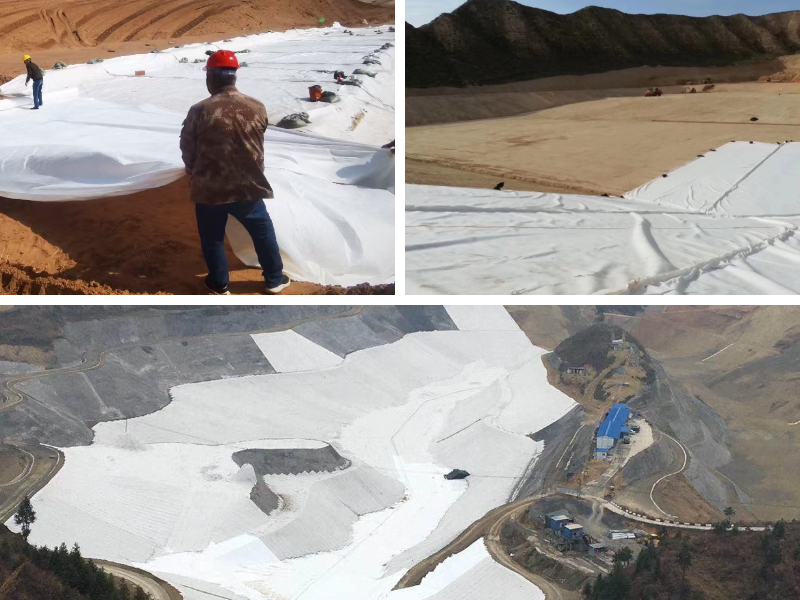
Geotextile soil stabilization depends on substances that enhance vulnerable soil, stopping shifting, subsidence, or erosion. Here, woven geotextile cloth shines. Its excessive tensile power (typically 10–20 kN/m) distributes weight evenly throughout the soil, making it ideal for street beds, the place it stops gravel from sinking into gentle clay, and embankments, the place it reinforces slopes to face up to landslides. A toll road development mission illustrates this: woven geotextile positioned underneath the asphalt layer stabilizes the underlying soil, decreasing potholes and extending the road’s lifespan.
3. Erosion Control Projects
To guard uncovered soil from rain, wind, or water currents—like riverbanks, development website slopes, or coastal shorelines—the preference relies upon on the project’s timeline. Non woven geotextile cloth works properly for transient erosion manage (6–12 months). Its permeability approves grass or native flowers to develop via it, developing a natural, self-sustaining barrier over time. For everlasting erosion manipulate (5+ years), mainly in high-impact areas like fast-moving rivers, woven geotextile cloth is better. Its energy resists the pressure of water or wind, whilst its tighter weave prevents soil from washing away even below sustained pressure.
Key Specifications to Compare
When deciding on a geotextile, think about these imperative specs:
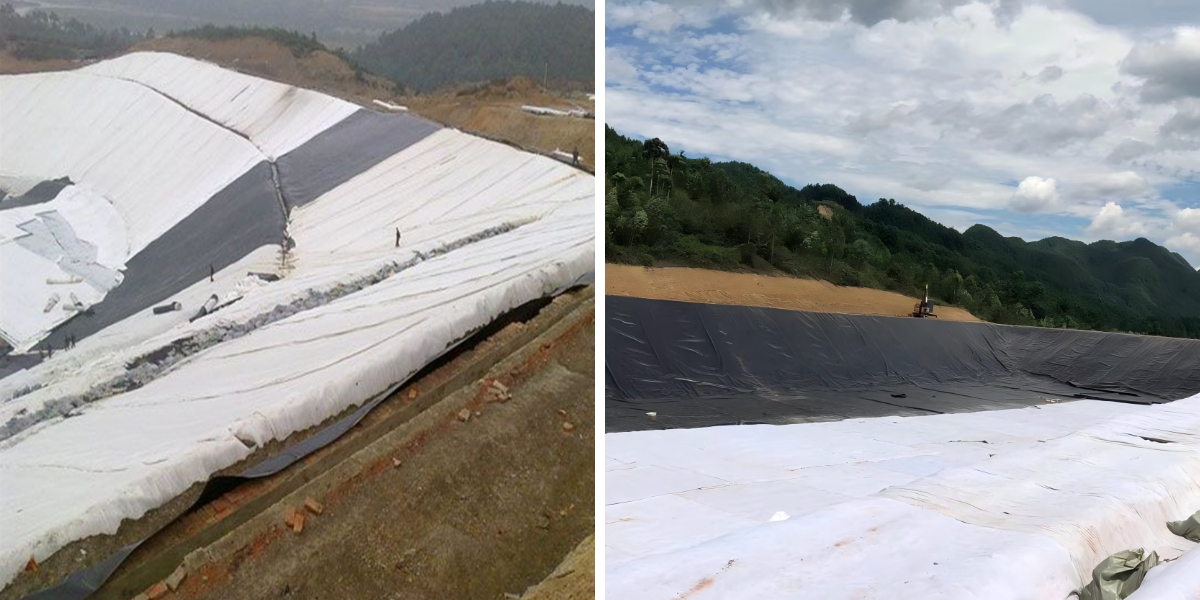
Tensile Strength: Non woven geotextile material usually tiers from 2–8 kN/m, appropriate for mild loads. Woven geotextile cloth stages from 10–30 kN/m, perfect for heavy masses in geotextile soil stabilization.
Permeability: Non-woven material has greater permeability (10–100 L/m²/s), brilliant for drainage. Woven cloth has decrease permeability (1–10 L/m²/s), higher for controlling water flow.
UV Resistance: Woven cloth typically presents longer UV resistance (10–20 years outdoors) in contrast to non-woven cloth (5–10 years), although UV-stabilized variations of each are on hand for prolonged use.
Cost: Non-woven cloth is greater budget-friendly, ranging from 0.5-1.50 per rectangular meter. Woven cloth prices 1.00-3.00 per rectangular meter, a rewarding funding for high-stress projects.
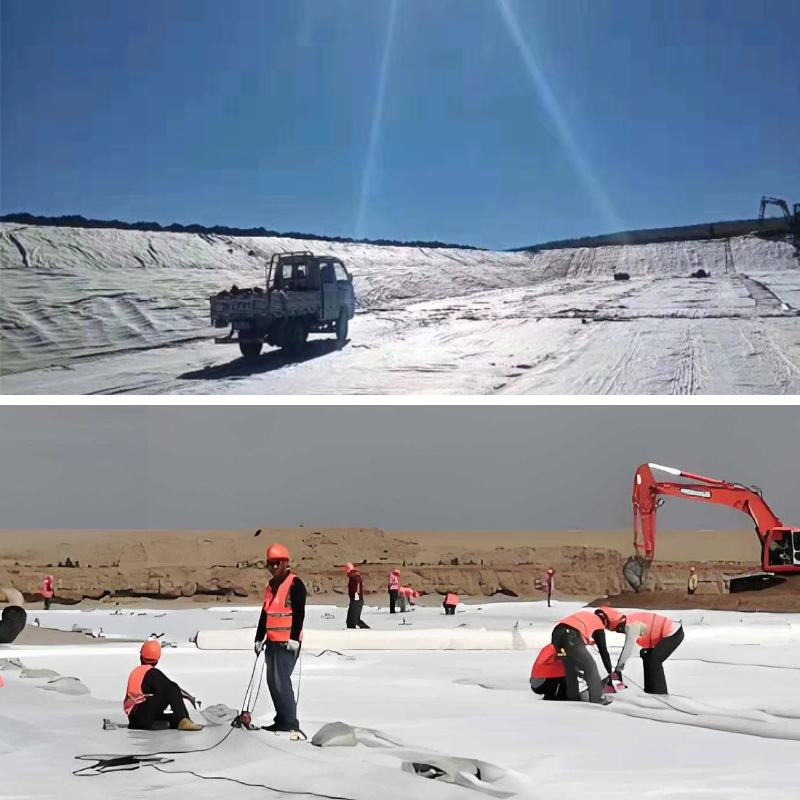
Real-World Success Stories
1. Road Construction (Soil Stabilization)
A rural street in a flood-prone region wished to stabilize muddy soil that became to mud at some point of rains. Engineers selected woven geotextile cloth (15 kN/m tensile strength) to separate the gravel avenue base from the clay subsoil. The woven fabric averted the gravel from sinking into the mud, decreasing upkeep prices by using 40% over 5 years in contrast to the usage of non-woven fabric, which would have stretched and failed underneath automobile weight.
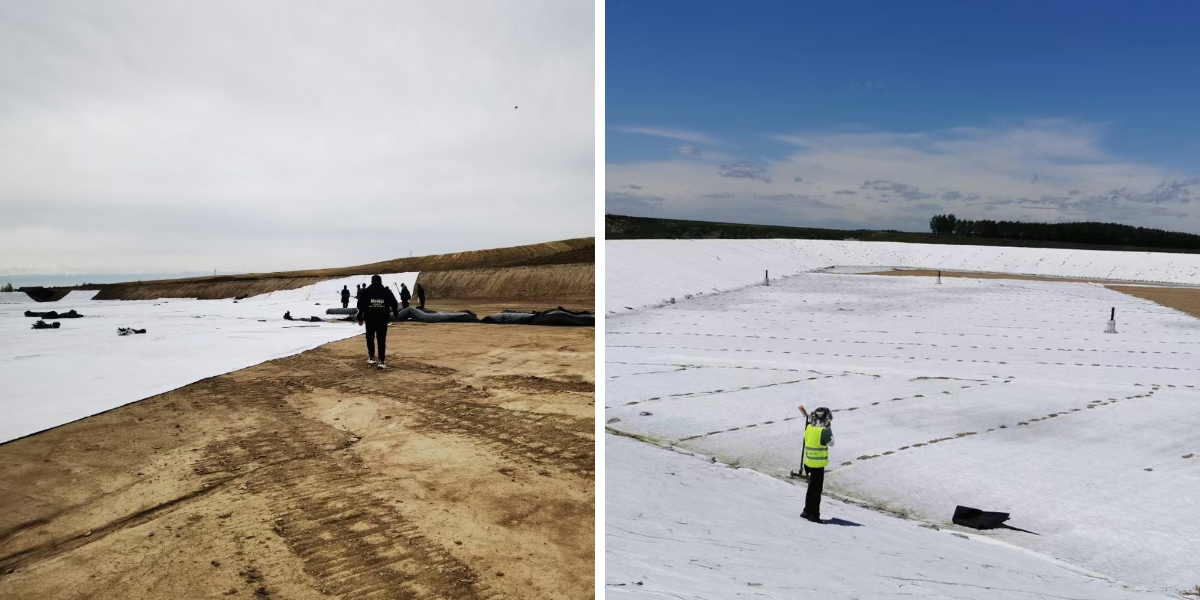
2. Landscape Drainage
A industrial park’s garden struggled with standing water after rain. Installers used non woven geotextile cloth to line underground drainage trenches. The material filtered rainwater into a retention pond whilst trapping soil, preserving the lawn’s topsoil intact. Its flexibility made it handy to set up over the park’s uneven terrain, reducing labor time by using 20% in contrast to stiffer woven fabric.
3. Coastal Erosion Control
A coastal city desired to guard its shoreline from wave erosion. Workers established woven geotextile cloth underneath rock armor (large stones used to buffer waves). The fabric’s energy (20 kN/m) stopped the rocks from transferring into tender sand, whilst its low permeability decreased water glide below the armor—extending the structure’s lifespan via 10+ years, some distance longer than a non-woven liner would have lasted.
Common Mistakes to Avoid
Using non-woven material for load-bearing tasks: A driveway bolstered with non-woven geotextile may also sink underneath auto weight, as it lacks the energy to face up to compression. Opt for woven cloth instead.
Choosing woven cloth for drainage: Woven geotextile’s low permeability can entice water in French drains or basis systems, causing backups or water damage.
Ignoring UV resistance: Even long lasting woven material degrades over time in direct sunlight. For outside projects, choose UV-stabilized variations of each substances to forestall brittleness or tearing.
Skimping on weight: Lighter non-woven material (100 grams) may additionally tear throughout installation. For most projects, 200–300 grams provides a higher stability of energy and permeability.
Conclusion: Choose Based on Your Project’s Priority
For drainage, transient erosion control, or budget-friendly large-area projects: Non woven geotextile material provides permeability and affordability.
For strength, geotextile soil stabilization, or everlasting erosion control: woven geotextile cloth offers sturdiness and tensile strength.
By aligning the cloth with your project’s core needs—whether water management, load-bearing, or long-term soil protection—you’ll make sure lasting results, limit upkeep costs, and keep away from highly-priced rework.
Contact Us
Company Name: Shandong Chuangwei New Materials Co., LTD
Contact Person :Jaden Sylvan
Contact Number :+86 19305485668
WhatsApp:+86 19305485668
Enterprise Email: cggeosynthetics@gmail.com
Enterprise Address: Entrepreneurship Park, Dayue District, Tai 'an City,
Shandong Province