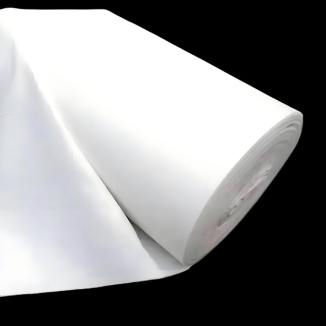
Geotextile Cloth Application for Riverbank and Waterway Protection Works
Introduction: Why Modern Waterway Protection Relies on Geotextile Cloth
Riverbank and waterway protection is the foundation of stable hydraulic engineering, guarding inland water circulation, preventing bank collapse, and maintaining natural water ecosystem balance. Traditional river protection solutions including rigid concrete pouring and simple stone stacking often suffer from poor flexibility, blocked water permeability, and damaged ecological integrity. These conventional methods fail to adapt to long-term water flow scouring, seasonal water level fluctuations, and soft riverbed foundation changes, leading to gradual soil loss, bank deformation, and frequent secondary maintenance.
Modern river regulation and waterway restoration projects widely adopt professional geosynthetic materials to achieve durable and eco-friendly protection. Geotextile Cloth has become a core material for riverbank stabilization due to its integrated functions of filtration, isolation, anti-erosion and drainage. Matched with high-toughness Fabric Geotextile and permeable Non Woven Geotextile, it solves the inherent defects of traditional protection structures, realizing perfect coordination between structural stability and ecological restoration for riverbank and waterway projects.
Core Problems of Traditional Riverbank and Waterway Protection
Natural riverbanks and artificial waterways are constantly impacted by running water, wave surges and wind erosion all year round. Unprotected bank slopes feature loose soil structures, which are easily washed away by water flow, resulting in hollowed bank bottoms, slope sliding and waterway deformation. Traditional rigid protection structures completely cover the bank surface, blocking water and gas exchange between soil and water bodies, inhibiting the growth of aquatic and slope vegetation, and destroying the self-repairing ability of river ecosystems.
In addition, rigid concrete and stone structures have poor terrain adaptability. They are prone to cracking and loosening under foundation settlement and water level changes, forming hidden leakage dangers. Without effective isolation and filtration layers, fine soil particles continue to lose with water flow, which gradually damages the stability of the overall protection structure. The reasonable application of Geotextile Cloth can thoroughly improve these problems and build a long-term stable protection system for waterways.
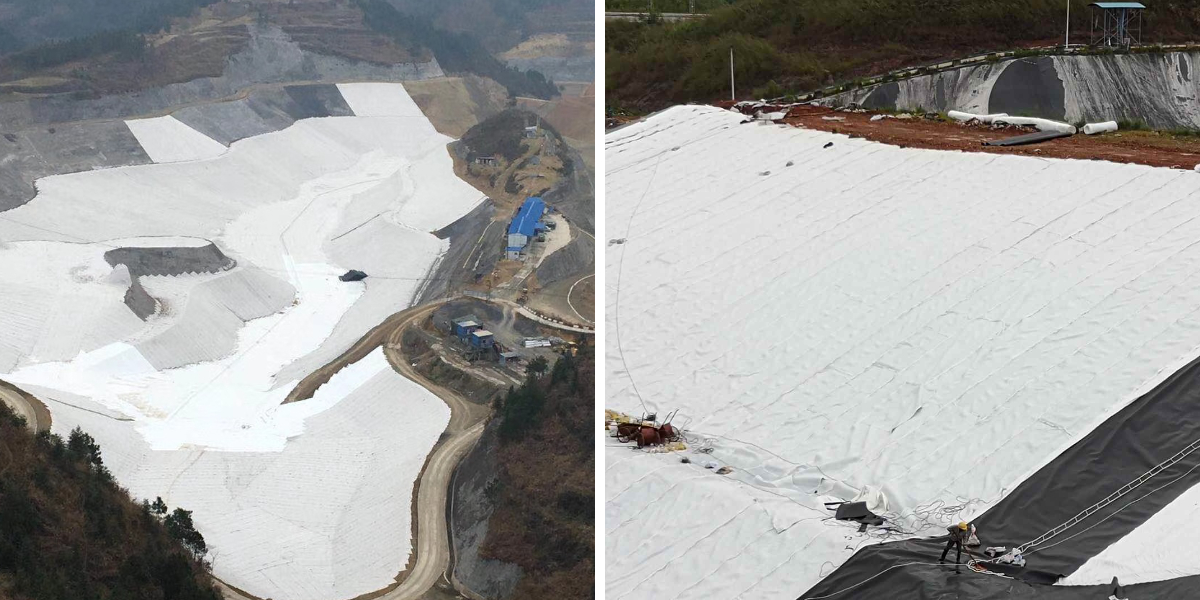
Key Performance of Fabric Geotextile, Non Woven Geotextile and Geotextile Cloth
1. Geotextile Cloth: All-Round Protective Barrier for Waterway Engineering
Geotextile Cloth is a specialized geosynthetic material tailored for hydraulic protection projects. It combines excellent tensile resistance, water permeability and anti-scour performance, serving as a multi-functional intermediate layer in riverbank protection. It effectively isolates riverbed soil from outer protective layers such as stones and concrete, preventing soil particle loss while ensuring smooth water infiltration and drainage. This material avoids structural hollowing caused by long-term water scouring and maintains the flat and stable shape of riverbanks and waterways.
2. Fabric Geotextile: High-Strength Anti-Erosion Reinforcement Material
Fabric Geotextile adopts dense weaving technology with outstanding structural toughness and load-bearing capacity, making it suitable for harsh waterway environments with strong water impact and frequent water level changes. Different from ordinary textile materials, it can resist continuous water flow scouring, wave impact and external extrusion without deformation or damage. In steep river slope protection and deep-water waterway reinforcement projects, Fabric Geotextile provides reliable structural reinforcement, greatly improving the overall anti-damage ability of protection facilities.
3. Non Woven Geotextile: Efficient Filtration and Ecological Stabilization Material
Non Woven Geotextile features uniform porous fiber structure and excellent water permeability, which is the most ideal filtration material for riverbank protection. It allows free passage of water flow while intercepting fine sediment and loose soil particles, effectively preventing waterway siltation and bank soil loss. With soft texture and good terrain fitting performance, Non Woven Geotextile can closely fit irregular bank slopes and curved waterway walls, creating stable growth conditions for bank vegetation and realizing ecological protection while stabilizing the structure.
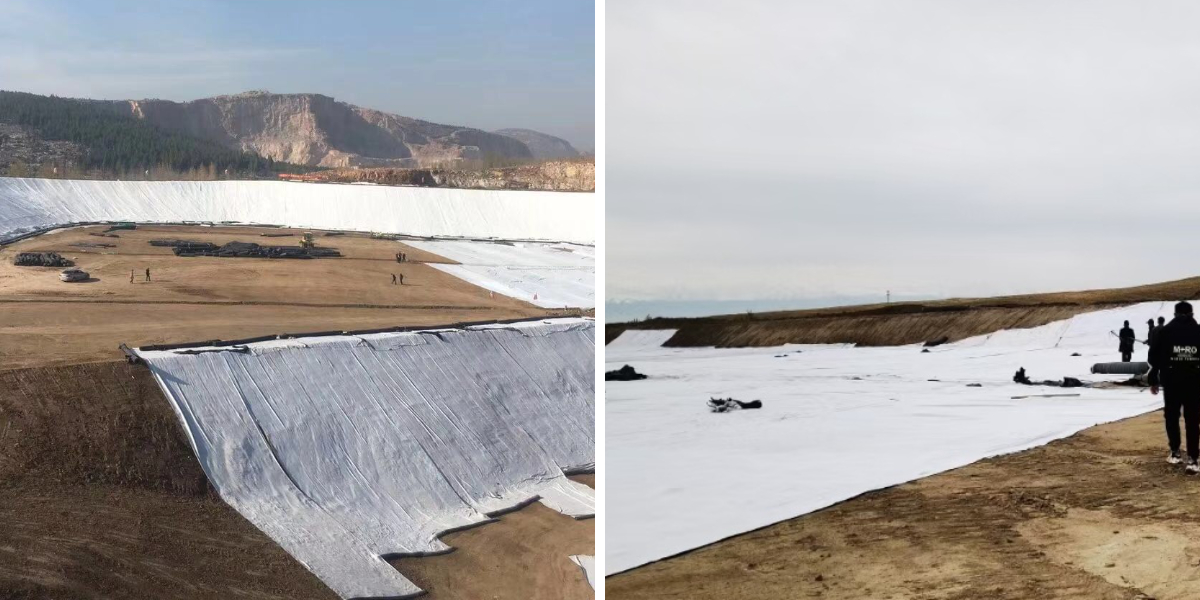
Unique Advantages of Geotextile Materials in Riverbank & Waterway Protection
1. Perfect Isolation and Filtration to Prevent Waterway Siltation
Non Woven Geotextile plays a pivotal role in solving waterway siltation and bank soil loss problems. Its unique pore structure achieves precise solid-liquid separation, retaining loose soil on the bank slope and discharging excess water smoothly. It prevents a large amount of sediment from entering the waterway to cause channel blockage, maintains the smooth water delivery capacity of artificial waterways, and avoids frequent manual dredging work.
2. Flexible Terrain Adaptability for Complex Waterway Structures
Riverbank slopes and waterway walls have irregular curves and undulating terrain, which bring great challenges to rigid protection materials. Fabric Geotextile has excellent flexibility and ductility, which can fit various complex bank terrains without gaps or dead angles. It can adapt to slight foundation deformation and waterway shape changes, avoiding cracking and damage of rigid structures, and improving the overall integrity of the protection system.
3. Eco-Friendly Protection to Restore River Ecological Balance
Different from fully enclosed rigid protection, Geotextile Cloth has breathable and permeable properties, which do not isolate the material exchange between bank soil and water bodies. It fixes slope soil to provide stable attachment points for vegetation roots, promoting the growth of shore plants and aquatic organisms. The combination of physical protection and ecological vegetation restoration enables the waterway to form a self-stabilizing ecological protection system, realizing sustainable water environment management.
4. Durable and Low-Maintenance Hydraulic Protection
All three geotextile materials have excellent anti-aging, anti-corrosion and weather resistance properties, adapting to long-term underwater and humid outdoor environments. They will not rot, deform or fail due to water immersion, ultraviolet radiation and temperature changes. The stable performance of Geotextile Cloth,Fabric Geotextile and Non Woven Geotextile effectively reduces the failure rate of riverbank protection structures and cuts long-term maintenance costs of waterway projects.
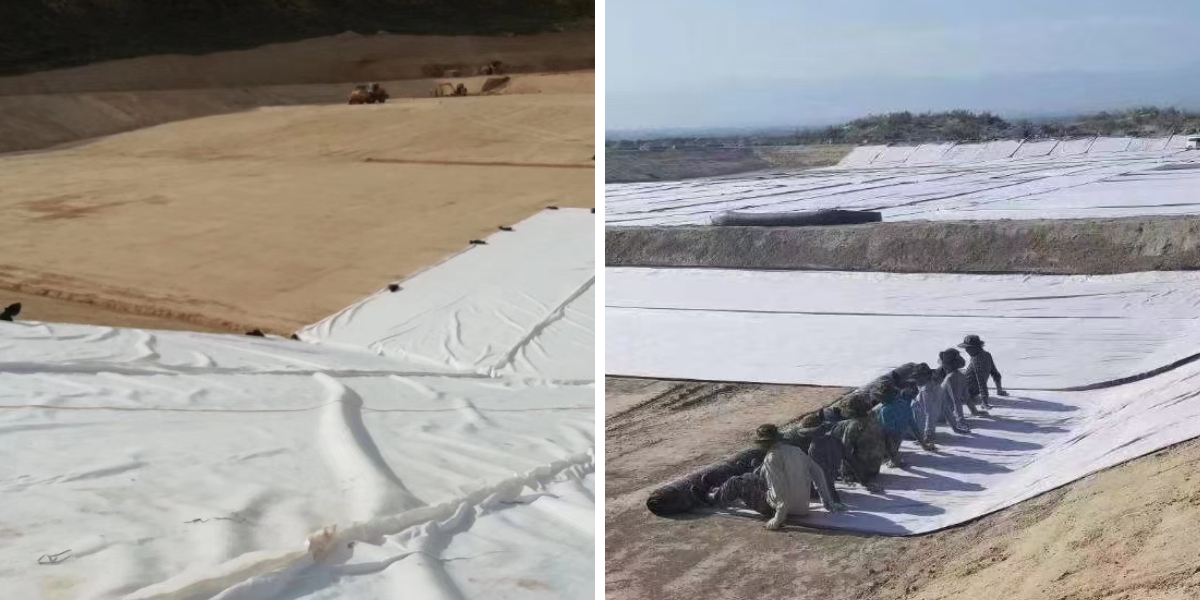
Typical Application Scenarios in Waterway and Riverbank Projects
1. Natural River Slope Stabilization
For eroded and unstable natural river slopes, Geotextile Cloth serves as the core protective layer to cover and fix loose slope soil. It buffers water flow impact, prevents rainwater runoff and river water scouring from causing slope collapse, and maintains the complete contour of natural riverbanks. The permeable structure creates a good growth environment for slope vegetation, realizing natural green protection of river banks.
2. Artificial Waterway and Canal Anti-Erosion Protection
Artificial waterways and irrigation canals bear long-term fixed water flow impact, and their side walls and bottoms are prone to soil loss and structural damage.Fabric Geotextile is applied to the bottom and side wall reinforcement of waterways, forming a high-strength flexible protective layer. It resists long-term water flow scouring, avoids waterway bottom hollowing and side wall deformation, and ensures the long-term stable water delivery function of artificial water systems.
3. Riprap and Revetment Auxiliary Protection
In river riprap revetment and block revetment projects, single stone stacking cannot avoid soil loss under the protective layer. Laying Non Woven Geotextile between the soil base and the riprap layer forms an effective filtration and isolation system. It prevents fine soil from being washed out through stone gaps, avoids settlement and displacement of the revetment structure, and greatly improves the stability of traditional stone protection works.
Standard Application Guidelines for Geotextile Protection Works
To maximize the protection performance of geotextile materials, standardized construction procedures are required. First, trim and level the riverbank slope and waterway base to remove sharp stones and loose sundries, ensuring a flat and solid foundation for laying Non Woven Geotextile. Unroll the material smoothly along the terrain, adjust the laying angle to fit curved slopes, and fix the edges and overlapping positions firmly to prevent displacement under water impact.
For high-strength reinforcement areas, take Fabric Geotextile as the outer protective layer to enhance overall impact resistance. Ensure tight fitting between layers to avoid gaps that may cause local water seepage and soil loss. The overall laying of Geotextile Cloth should maintain continuous and complete coverage, forming an integrated anti-erosion and filtration system for riverbank and waterway protection.
Conclusion: Build Sustainable Waterway Protection With Geotextile Solutions
Riverbank and waterway protection is no longer limited to simple anti-collapse and anti-scour functions, but emphasizes the integration of structural stability and ecological sustainability. Traditional rigid protection methods can no longer meet the requirements of modern water ecological governance. Geotextile Cloth, Fabric Geotextile and Non Woven Geotextile provide systematic, efficient and eco-friendly solutions for all kinds of waterway protection projects.
With excellent filtration, isolation, flexible reinforcement and ecological adaptation performance, these geotextile materials effectively solve common problems such as riverbank erosion, waterway siltation and structural aging. They help build stable, low-maintenance and ecologically vibrant river and waterway systems, becoming the preferred geosynthetic solution for modern hydraulic protection engineering.