Disaster Recovery Construction: Cement Blanket for Fast Temporary Reinforcement
Introduction: The Urgent Need for Rapid Reinforcement in Post-Disaster Construction
Natural disasters such as floods, storms, and landslides often leave critical infrastructure, slope structures, and waterway systems severely damaged and unstable. In disaster recovery construction, the top priority is to deliver fast, reliable temporary reinforcement to prevent secondary collapse, block continuous erosion, and create safe working conditions for subsequent permanent reconstruction. Traditional concrete pouring and masonry methods feature cumbersome procedures, slow construction speed, and strict site requirements, which fail to meet the urgent demands of emergency rescue and post-disaster remediation. As an innovative geosynthetic building material, cement blanket has become a core solution for disaster emergency reinforcement. The versatile cement impregnated fabric integrates textile flexibility and concrete rigidity, while efficient concrete cloth building techniques greatly simplify on-site emergency operations. For engineering teams seeking cost-effective emergency materials, qualifiedcement blankets for sale provide reliable, ready-to-use support for all types of post-disaster temporary reinforcement projects.
What Is Cement Blanket: Core Properties of Cement Impregnated Fabric
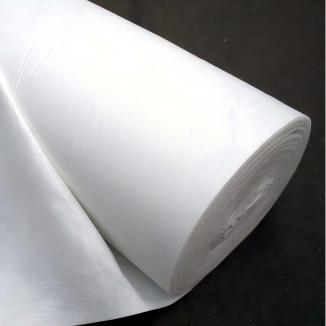
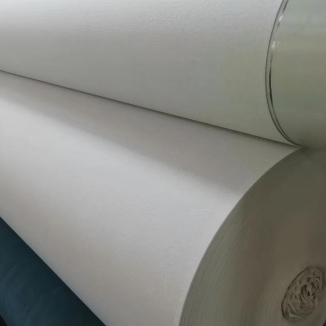
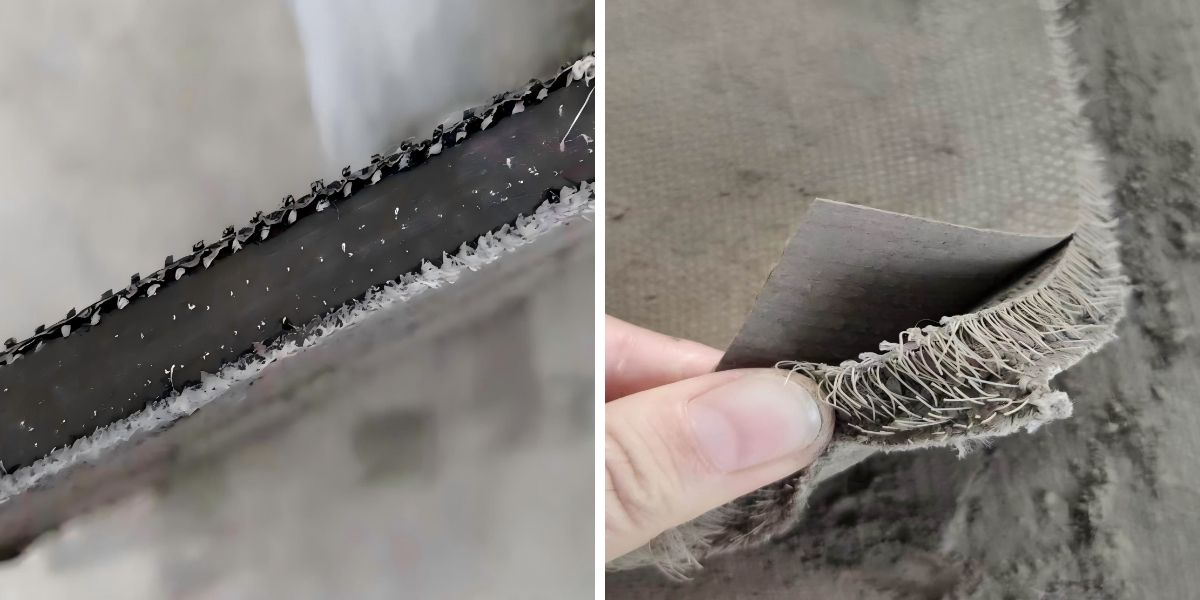
Cement blanket is a flexible, roll-shaped composite building material specially developed for emergency and rapid construction. Also widely recognized as cement impregnated fabric, it is composed of high-tensile fiber substrates and special cement-based composite fillers, with a dry and foldable state before activation. Unlike traditional rigid building materials, this material maintains excellent softness and ductility in its original form, allowing free bending, cutting, and fitting to irregular surfaces such as broken slopes, damaged canal walls, and collapsed foundation sections.
The biggest advantage of concrete cloth building lies in its simple activation mechanism. The dry cement blanket only needs water hydration to quickly solidify into a dense, high-strength concrete protective layer, requiring no complex mixing equipment, aggregate preparation, or large-scale mechanical support. All cement blankets for sale are prefabricated in standardized factories, with stable material ratios and uniform structural performance, eliminating the quality instability of on-site concrete mixing. The unique formula of cement impregnated fabric also endows the finished reinforcement layer with outstanding anti-crack, anti-erosion and weather-resistant properties, adapting to harsh post-disaster construction environments.
Why Cement Blanket Excels for Post-Disaster Fast Temporary Reinforcement
1. Ultra-Fast Construction Suits Emergency Recovery Timelines
Time efficiency is the most critical indicator of disaster recovery construction, and concrete cloth building perfectly matches the rapid response needs of emergency projects. Traditional reinforcement methods require multiple working procedures and long curing cycles, while cement blanket can be deployed rapidly on site with minimal labor. After unfolding and positioning, the cement impregnated fabric completes solidification quickly after water spraying, forming a stable temporary reinforcement structure in a short period. Projects using qualified cement blankets for sale can effectively shorten the emergency reinforcement cycle, quickly stabilize dangerous structural parts and avoid secondary disaster risks.
2. Flexible Adaptability to Complex Damaged Terrains
Post-disaster construction sites are usually messy and irregular, with broken slopes, deformed ditch bodies and uneven foundation surfaces that cannot be fitted by rigid concrete structures.Cement blanket boasts excellent flexibility and surface fitting performance, which can closely cover various irregular damaged areas without hollowing or gaps. The soft texture of cement impregnated fabric allows it to adapt to subtle structural deformations of damaged foundations, maintaining the integrity of the reinforcement layer. The flexible construction logic of concrete cloth building avoids the limitation of terrain leveling, making it the preferred choice for complex post-disaster working conditions. All conventional specifications of cement blankets for sale support on-site cutting and splicing to meet personalized terrain reinforcement needs.
3. Lightweight & Low-Threshold On-Site Operation
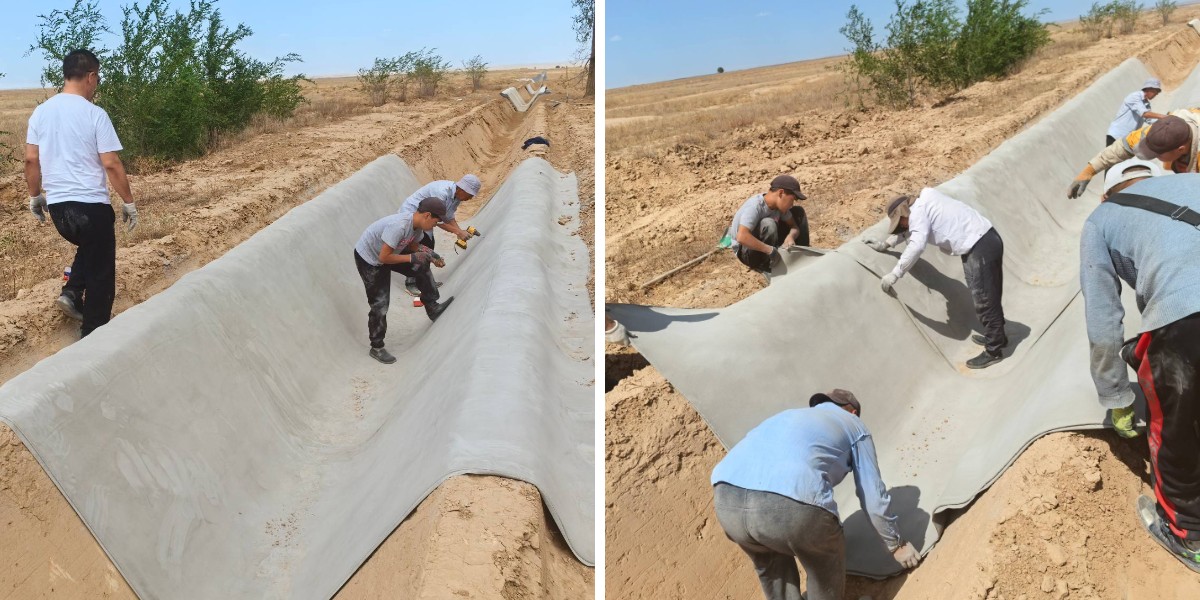
Disaster areas often face blocked transportation and limited construction equipment, making large-scale mechanical construction difficult. Cement blanket is lightweight and roll-packed, easy to transport and carry in narrow and complex disaster sites. The whole concrete cloth building process relies on simple manual operation without heavy machinery, greatly reducing the threshold of emergency construction. The prefabricated design of cement impregnated fabric saves on-site material proportioning and mixing work, enabling small teams to complete efficient reinforcement operations. Purchasing standard cement blankets for sale can directly start construction without pre-processing, greatly improving the emergency response efficiency of engineering teams.
Typical Disaster Recovery Application Scenarios for Cement Blanket
1. Post-Flood Waterway and Canal Emergency Repair
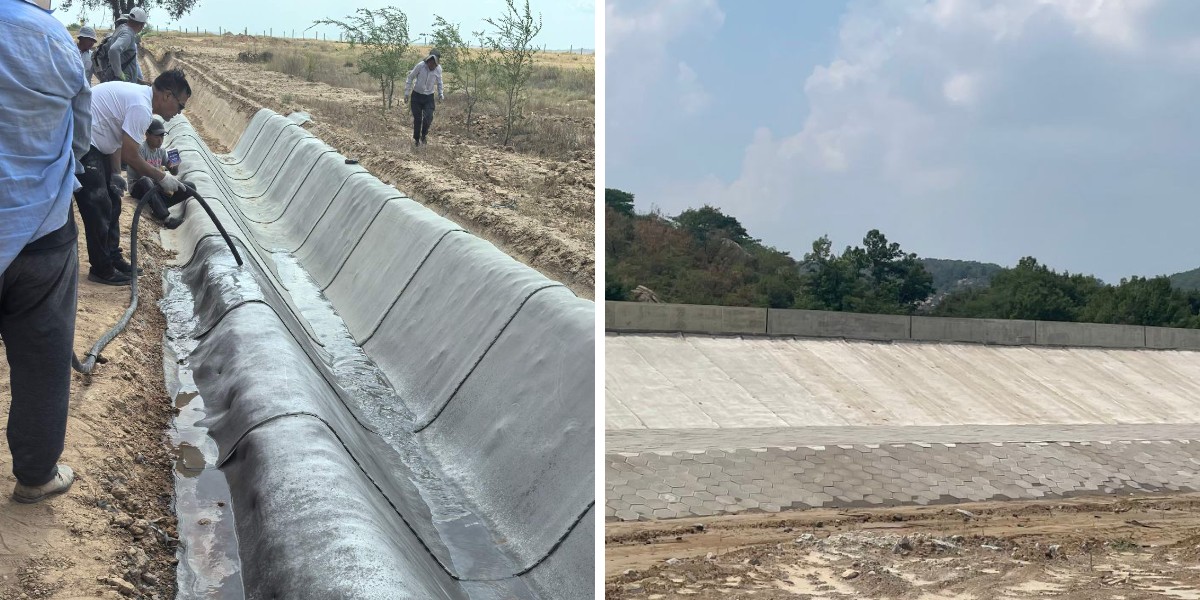
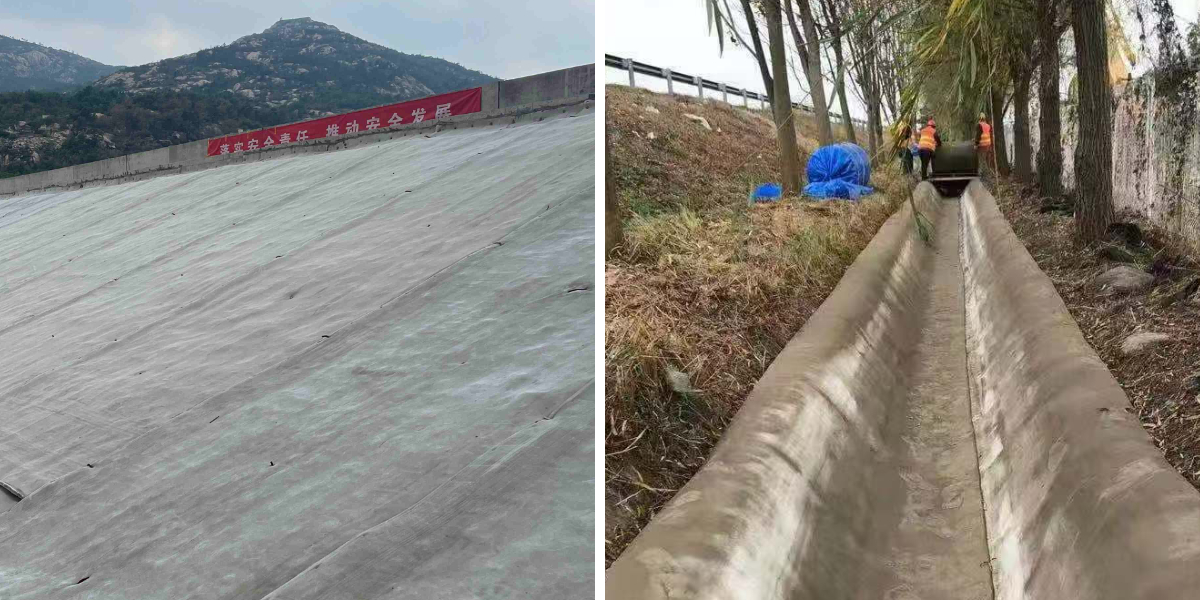
Floods often cause slope scouring, canal lining damage and river bank collapse, threatening the recovery of regional water conservancy systems. Cement blanket is widely used for temporary reinforcement of flood-damaged waterways. The solidified cement impregnated fabric forms a dense anti-scour layer to prevent continuous water flow erosion on damaged slopes. The convenient concrete cloth building method can quickly repair broken canal linings and stabilize river bank structures. Engineering teams often stock up on versatile cement blankets for sale to respond to sudden flood damage repair tasks in a timely manner.
2. Landslide and Broken Slope Temporary Stabilization
Earthquakes and rainstorms easily trigger slope landslides and soil loosening, forming potential safety hazards. Using cement blanket to cover and reinforce loose slopes can effectively lock soil layers and prevent secondary sliding. The high tensile strength of cement impregnated fabric enhances the overall stability of loose slopes, while the rapid forming feature of concrete cloth building quickly eliminates on-site safety risks. Cost-effective cement blankets for sale provide economical and reliable temporary stabilization solutions for large-area slope hazard control in disaster areas.
3. Emergency Foundation and Roadside Reinforcement
Damaged road foundations and roadside slopes in disaster areas need temporary reinforcement to ensure the passage of rescue vehicles and personnel. Cement blanket can be quickly laid on damaged foundation surfaces and roadside slopes to form a load-bearing and anti-collapse protective layer. The durable structure of cement impregnated fabric can maintain stable performance in long-term open-air environments, supporting the safe operation of temporary passages. The efficient and labor-saving concrete cloth building technology greatly improves the progress of disaster area passage recovery. Purchasing high-quality cement blankets for sale ensures the stability and durability of temporary traffic infrastructure reinforcement.
Key Advantages of Cement Blanket in Disaster Recovery Construction
Compared with traditional temporary reinforcement materials, cement blanket has irreplaceable comprehensive advantages in disaster recovery scenarios. First, it achieves rapid forming and instant protection, perfectly adapting to the time-sensitive nature of emergency rescue. Second, the flexible and fitting feature of cement impregnated fabric solves the terrain adaptation problem of rigid materials, covering all kinds of complex damaged surfaces. Third, the lightweight and equipment-free concrete cloth building mode reduces construction costs and site restrictions, suitable for various harsh disaster environments. In addition, diversified specifications of cement blankets for sale can meet the reinforcement needs of different scenarios, from small-area partial repair to large-scale overall slope protection, realizing flexible and efficient disaster recovery construction.
Conclusion: Optimize Disaster Recovery Efficiency with Professional Cement Blanket Solutions
Fast and safe temporary reinforcement is the core link of efficient disaster recovery construction. Traditional construction methods are difficult to balance speed, adaptability and stability in emergency scenarios. As an innovative emergency building material, cement blanket relies on the excellent performance of cement impregnated fabric and efficient concrete cloth building technology to provide fast, stable and low-cost temporary reinforcement solutions for post-disaster slope stabilization, waterway repair and foundation protection. Choosing standardized and reliable cement blankets for sale can effectively improve the emergency response capacity of engineering projects, quickly eliminate post-disaster safety hazards, and lay a solid foundation for subsequent permanent infrastructure reconstruction.