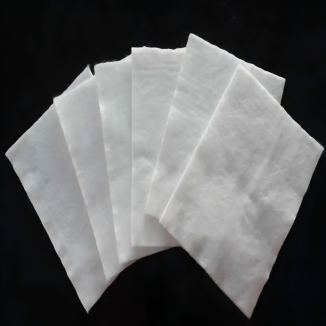
Cement Blanket vs. Traditional Concrete: Which Saves Time & Money in Civil Engineering?
In civil engineering, time and price are two pillars of challenge success. Traditional concrete—long the go-to for constructions like protecting walls, culverts, and slope protection—often comes with hidden drawbacks: prolonged mixing and curing times, high labor costs, and inflexible set up requirements. But a modern-day choice is altering the game: cement blanket (also recognized as ditch liner material or concrete cloth). This modern fabric combines the power of concrete with the flexibility of fabric, promising quicker deployment and decrease expenses. Below, we examine cement blanket and common concrete throughout 4 indispensable areas to assist you determine which choice great matches your project.
1. Installation Speed: Cutting Project Timelines through Days (or Weeks)
One of the most dramatic differences between cement blanket and normal concrete is set up speed—a element that without delay influences venture timelines and labor costs. Traditional concrete requires a multi-step process: website online training (excavation, formwork setup), mixing concrete (often on-site or delivered by truck), pouring, and curing (which can take 7–28 days for full strength). Any delay—such as awful climate or tools shortages—can derail the complete schedule.
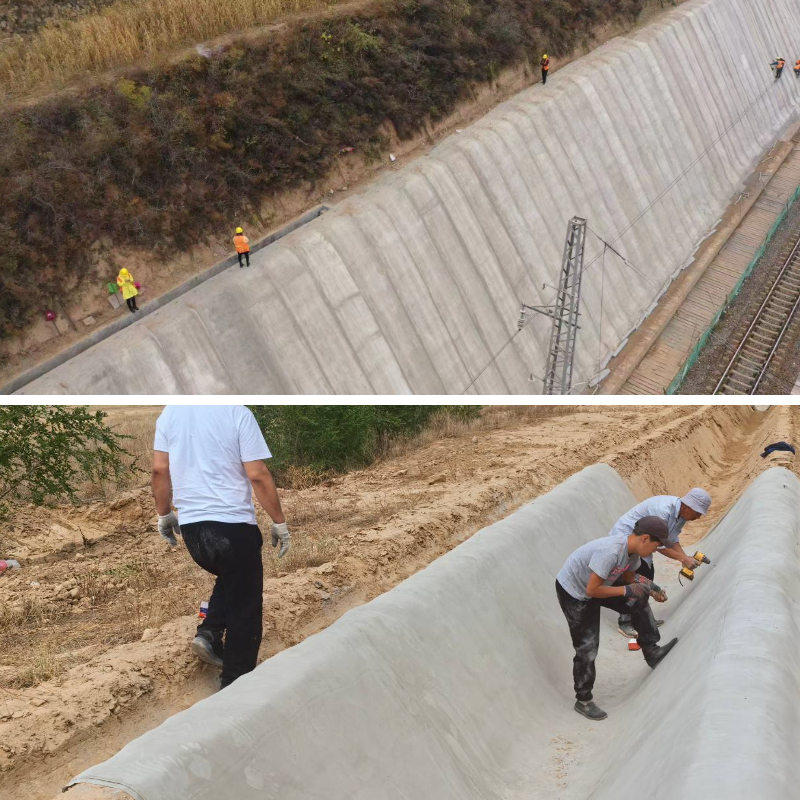
Cement blanket eliminates these bottlenecks. As a prefabricated material, ditch liner material arrives prepared to use: it’s a layer of dry cement sandwiched between two geotextile fabrics, rolled into massive rolls for handy transport. Installation entails unrolling the cement blanket over the goal area, securing it with stakes or anchors, and including water (via hose or rainfall) to set off the cement. The fabric treatment plans in simply 24–48 hours, achieving 80% of its last energy in that time.
For example, think about a 100-meter maintaining wall project. Traditional concrete would possibly take 2–3 weeks to installation and cure. With concrete cloth, the identical wall can be established in 1–2 days and prepared for use inside a week. This pace now not solely reduces labor hours (fewer employees wished for shorter periods) however additionally lets in initiatives to keep away from highly-priced delays—critical for time-sensitive jobs like emergency flood safety or avenue repairs.
2. Labor and Equipment Costs: Minimizing Manpower and Heavy Machinery
Traditional concrete set up depends on specialised labor and heavy equipment, riding up costs. You want groups to set up formwork (wood or metallic frames to structure the concrete), function concrete mixers or pump trucks, and end the floor (smoothing or texturing). Additionally, formwork frequently requires disposal after use, including waste and expense.
Cement blanket slashes these charges by means of simplifying the process. Since ditch liner material is light-weight (typically 20–30 kg per rectangular meter) and flexible, it can be hooked up through a small team—no heavy equipment like cranes or concrete pumps required. For far flung tasks (such as rural culverts or mountain slope protection), this is a game-changer: cement blanket can be transported by truck, ATV, or even via hand, heading off the want to haul giant tools to hard-to-reach areas.
Labor financial savings are equally significant. A crew of 2–3 employees can set up a hundred rectangular meters of cement blanket in a day, in contrast to 4–6 people wanted for the identical vicinity of standard concrete. Over a giant project, this reduces labor expenses by way of 30–50%. Plus, concrete fabric requires no formwork—eliminating the price of substances and disposal for frames. For budget-conscious projects, these financial savings add up quickly.
3. Material Efficiency: Reducing Waste and Transportation Costs
Waste is a most important trouble with normal concrete. Over-ordering (to keep away from strolling out mid-pour) frequently leads to extra concrete, which is both dumped (creating environmental waste) or requires expensive recycling. Additionally, typical concrete is heavy: a cubic meter weighs round 2,400 kg, that means greater vehicles are wanted for transportation—increasing gasoline expenses and carbon emissions.
Cement blanket solves these issues with its fabric efficiency. ditch liner material is pre-measured, so you solely order the genuine quantity wished for your project—no extra waste. Its light-weight layout additionally cuts transportation costs: a single truck can lift adequate cement blanket to cowl 500–1,000 rectangular meters, whereas the equal truck would transport solely 1–2 cubic meters of moist concrete. This reduces the variety of journeys required, reducing gas fees and the project’s carbon footprint.
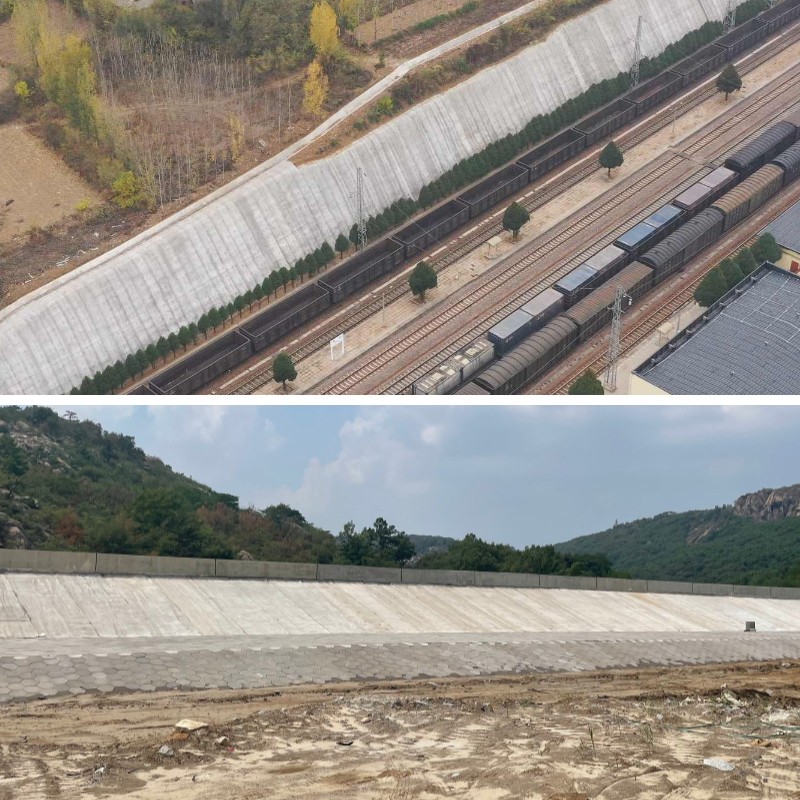
Another benefit is cement blanket’s minimal website online disturbance. Traditional concrete regularly requires great excavation to create a steady base, which disrupts soil and vegetation. Concrete material conforms to the current terrain, so much less excavation is needed. For example, in move financial institution safety projects, cement blanket can be laid without delay over the soil, retaining native plant life and lowering erosion at some stage in installation—unlike usual concrete, which would require digging and changing soil.
4. Durability and Adaptability: Matching Concrete Strength with Added Flexibility
Critics of cement blanket from time to time query its sturdiness in contrast to typical concrete—but modern-day ditch liner material holds its own. When utterly cured, cement blanket has a compressive power of 20–30 MPa (megapascals), comparable to general concrete (20–35 MPa). It’s additionally resistant to water, UV radiation, and chemical damage, making it appropriate for long-term tasks like canal liners or landfill caps.
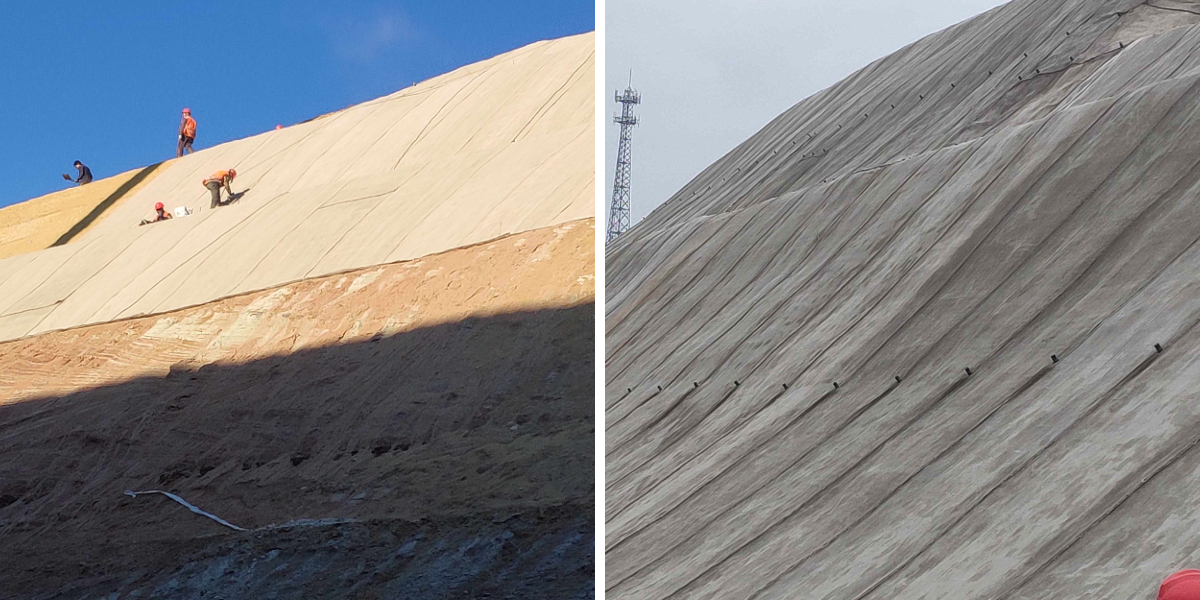
Where cement blanket truely shines is adaptability. Traditional concrete is rigid—if the floor shifts (due to contract or temperature changes), it can crack, main to leaks or structural failure. Concrete cloth, by way of contrast, retains some flexibility even after curing. Its geotextile layers enable it to stretch slightly, accommodating minor floor motion except cracking. This makes cement blanket perfect for unstable terrain, such as steep slopes or areas inclined to frost heave.
For example, in street part protection, regular concrete curbs regularly crack over time as the avenue settles. Cement blanket curbs, however, flex with the road, lowering cracking and the want for repairs. This sturdiness interprets to decrease long-term upkeep costs: ditch liner material tasks require minimal preservation in contrast to regular concrete, which may also want patching or alternative each and every 5–10 years.
Which Is Better for Your Project? Cement Blanket or Traditional Concrete?
Traditional concrete nevertheless has its place—for large, load-bearing constructions like bridges or high-rise foundations, the place most power and pressure are non-negotiable. But for most civil engineering projects—retaining walls, culverts, slope protection, canal liners, or emergency repairs—cement blanket presents unbeatable advantages: quicker installation, decrease labor and gear costs, much less waste, and higher adaptability.
Ditch liner material isn’t simply a cheaper, quicker alternative—it’s a extra sustainable one. By lowering transportation emissions, minimizing waste, and requiring much less web page disturbance, cement blanket aligns with cutting-edge inexperienced constructing goals. For engineers, contractors, and mission managers searching to keep time and cash barring sacrificing quality, concrete material is a clever investment.
In the warfare between cement blanket and usual concrete, the preference is clear: for tasks the place speed, cost, and flexibility matter, cement blanket comes out on top.
Contact Us
Company Name: Shandong Chuangwei New Materials Co., LTD
Contact Person :Jaden Sylvan
Contact Number :+86 19305485668
WhatsApp:+86 19305485668
Enterprise Email: cggeosynthetics@gmail.com
Enterprise Address: Entrepreneurship Park, Dayue District, Tai 'an City,
Shandong Province