Roof Greening & Vertical Gardens: Lightweight Specifications for Load-Bearing Limits
Roof greening and vertical gardens have end up staples of sustainable city design, presenting advantages like extended air quality, decreased warmness island effect, and greater aesthetics. However, their success hinges on a necessary factor: adhering to load-bearing limits of buildings. Traditional greening solutions—with heavy soil, thick substrates, and inflexible structures—often exceed roof or wall weight capacities, risking structural damage. The answer lies in light-weight substances engineered to balance performance with minimal weight. From 3D Vegetation Net Specifications tailor-made for skinny substrates to geotextile mat structures that limit soil bulk, these improvements make inexperienced areas possible even for structures with strict load constraints. This information explores light-weight specs for roof greening and vertical gardens, whilst linking these options to broader purposes like slope revegetation.
Why Lightweight Materials Are Non-Negotiable for Urban Greening
Most current buildings—especially older structures—have predefined load-bearing limits for roofs and walls. Exceeding these limits can lead to cracked foundations, sagging ceilings, or even structural collapse. Traditional inexperienced roofs, with 15–20 cm of soil, can weigh 200–300 kg per rectangular meter when saturated, a long way exceeding the 100–150 kg/m² restrict of many roofs. Vertical gardens face comparable challenges, as heavy planters and substrates pressure wall supports. Lightweight options tackle this through the usage of substances that continue moisture, aid plant growth, and supply structural stability—all whilst retaining weight below 50–100 kg/m². Additionally, light-weight structures are less difficult to install, decrease labor costs, and decrease disruption to constructing operations.
Lightweight Specifications for Roof Greening Systems
Roof greening requires a layered machine that consists of waterproofing, drainage, substrate, and vegetation—each aspect should be light-weight but effective. Here’s how to specify substances for load compliance:
1. Substrate: Thin, Lightweight Growing Media
Replace heavy topsoil with light-weight substrates made from perlite, vermiculite, coconut coir, or elevated clay. These substances preserve water and vitamins whilst weighing 50–70% much less than typical soil. Specify substrate depths of 3–10 cm for sedums, grasses, or succulents (low-growing flowers that thrive in shallow media). For deeper-rooted plants, use a hybrid combine with light-weight natural matter, retaining whole depth underneath 15 cm to remain inside load limits.
2. Drainage Layers: Geotextile Mats and Lightweight Panels
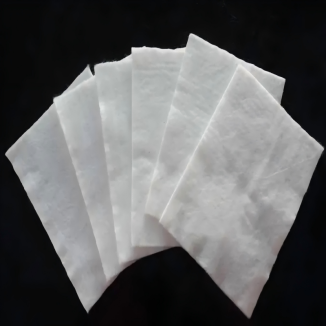
A geotextile mat serves as a indispensable drainage and separation layer. Choose a non-woven geotextile mat with excessive permeability to channel extra water away from the substrate, stopping saturation and weight gain. Pair it with light-weight drainage panels (made from recycled plastic) that create air gaps—these panels weigh much less than 10 kg/m² and beautify water flow. The geotextile mat additionally prevents substrate from clogging drainage holes, making sure long-term performance.
3. Vegetation: Low-Weight, Drought-Tolerant Plants
Select vegetation with shallow root structures and low water requirements. Sedum mats, mosses, and native wildflowers are ideal—they add minimal weight, require little maintenance, and thrive in light-weight substrates. Avoid bushes or massive shrubs, which add widespread weight and pressure roof structures. For a cohesive look, use pre-grown vegetation mats that can be rolled out without delay over the substrate, decreasing set up time and making sure uniform growth.
Lightweight Specifications for Vertical Gardens
Vertical gardens demand structures that connect securely to partitions besides exceeding load limits. Lightweight designs focal point on modularity, minimal substrate, and environment friendly water management:
1. Modular Systems: Lightweight Frames and Planters
Use modular frames made from aluminum or recycled plastic—these substances are robust but light-weight (2–5 kg per module). Planters must be fabric-based or thin-walled plastic, retaining simply 2–5 liters of substrate per plant. Avoid ceramic or concrete planters, which add pointless weight. Modular structures permit for effortless set up and reconfiguration, making them perfect for each new builds and retrofits.
2. 3D Vegetation Net Specifications for Vertical Support
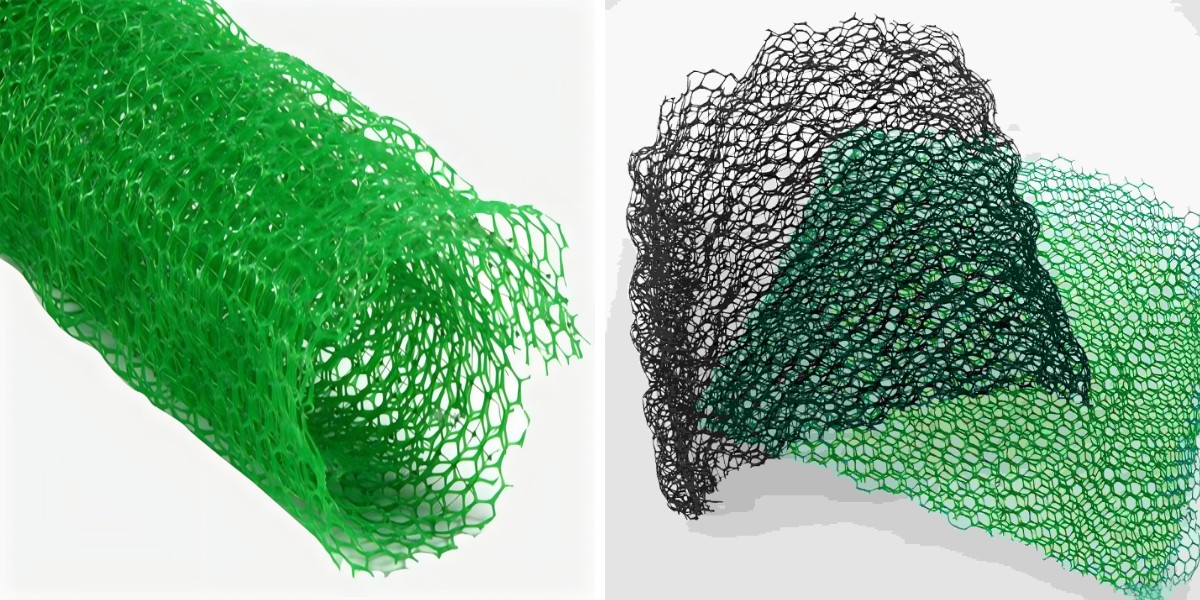
3D Vegetation Net Specifications are tailor-made for vertical applications, offering a lightweight, bendy framework for plant growth. Choose a internet made from UV-resistant polypropylene with a honeycomb structure—this graph helps vegetation whilst weighing much less than three kg/m². The net’s open cells permit roots to unfold and water to drain, decreasing weight from moisture buildup. 3D Vegetation Net Specifications need to consist of a minimal tensile power to make sure the internet holds substrate and flowers besides sagging.
3. Irrigation: Drip Systems to Reduce Weight
Install a low-pressure drip irrigation machine with thin, light-weight tubing. This can provide water at once to plant roots, minimizing water waste and decreasing the weight of saturated substrate. Use a timer to manipulate watering frequency, making sure the device solely provides moisture when needed. Avoid overhead sprinklers, which moist the complete floor and enlarge weight from extra water.
Linking to Slope Revegetation: Shared Lightweight Principles
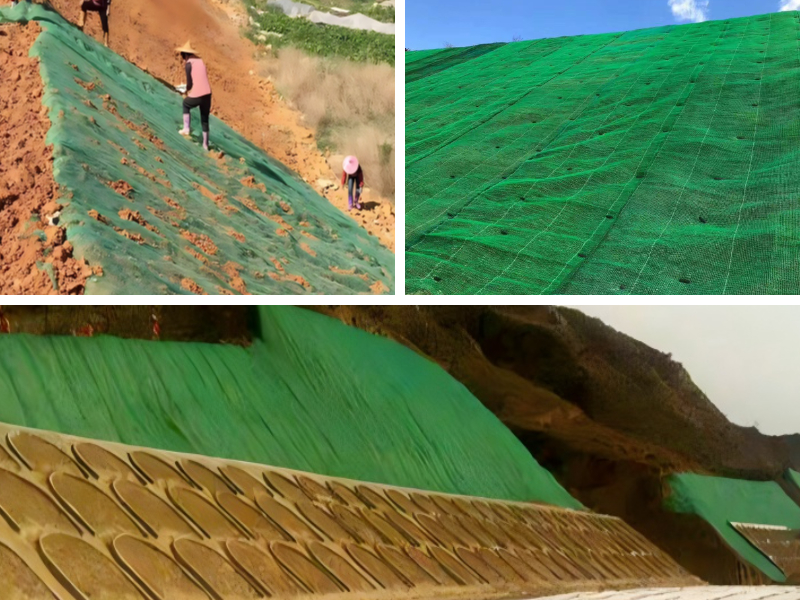
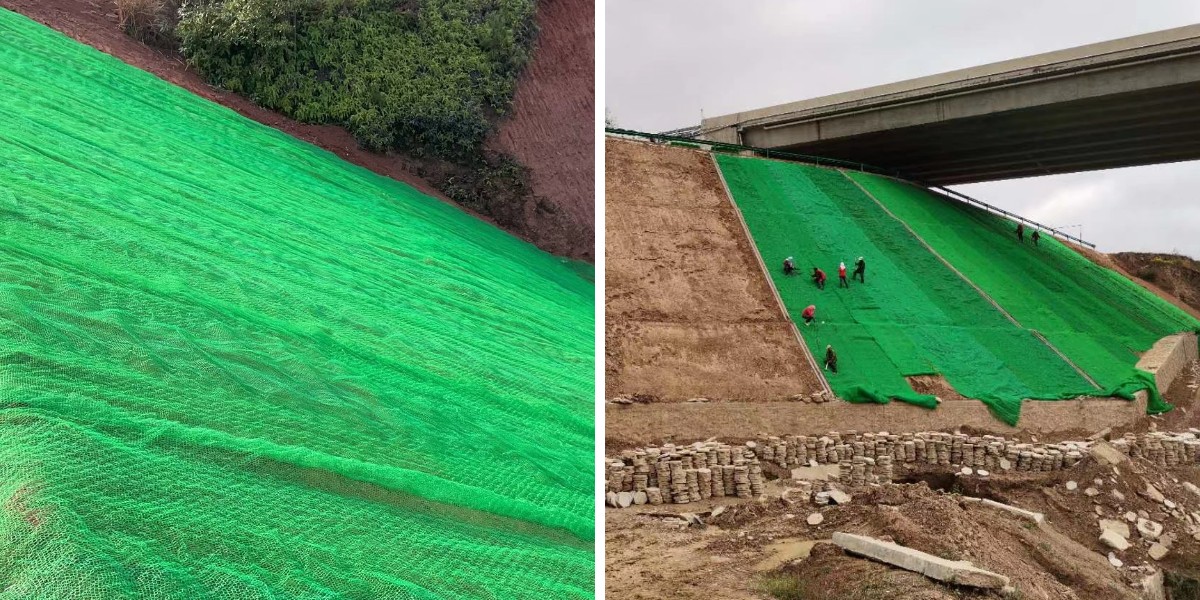
The light-weight substances and standards used in roof greening and vertical gardens additionally practice to slope revegetation. For steep slopes with load constraints (e.g., dual carriageway embankments or keeping walls), 3D Vegetation Net Specifications and geotextile mat structures grant steadiness besides including extra weight. The 3D internet confines light-weight substrate and seeds, stopping erosion whilst aiding vegetation growth. A geotextile mat under provides drainage, making sure the slope doesn’t turn out to be saturated. This cross-application indicates how urban greening improvements can resolve broader environmental challenges.
Conclusion: Lightweight Greening—Sustainable and Structurally Safe
Roof greening and vertical gardens don’t have to sacrifice structural protection for sustainability. By specifying light-weight materials—from 3D Vegetation Net Specifications for vertical help to geotextile mat drainage layers—you can create thriving inexperienced areas that continue to be inside load-bearing limits. These options now not solely defend constructions however additionally limit costs, simplify installation, and decorate city ecosystems.
Whether you’re designing a inexperienced roof for a industrial building, a vertical backyard for a residential wall, or tackling slope revegetation, prioritize light-weight specifications. Work with suppliers who specialize in sustainable, low-weight materials, and seek advice from structural engineers to affirm load compliance. With the proper approach, you can radically change city areas into green, wholesome environments that gain humans and the planet—without compromising safety.
Contact Us
Company Name: Shandong Chuangwei New Materials Co., LTD
Contact Person :Jaden Sylvan
Contact Number :+86 19305485668
WhatsApp:+86 19305485668
Enterprise Email: cggeosynthetics@gmail.com
Enterprise Address: Entrepreneurship Park, Dayue District, Tai 'an City,
Shandong Province