Installing 3D Geomat on Steep Slopes: Anchoring & Anti-Slippage Best Practices
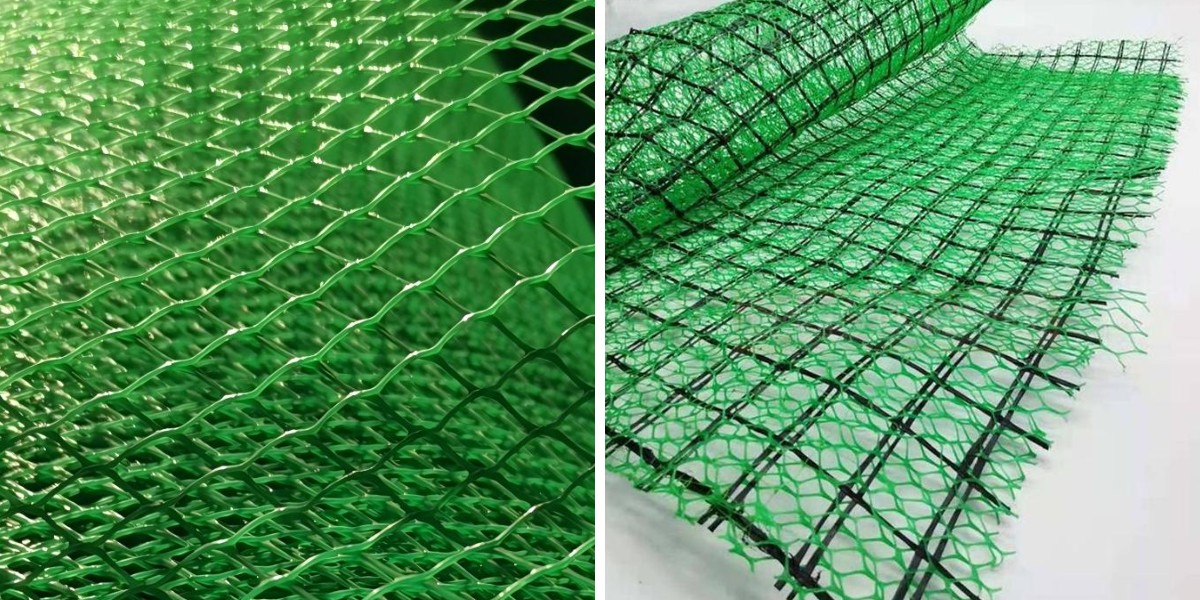
Steep slopes in residential, commercial, or infrastructure tasks pose great erosion and slippage risks—heavy rain, wind, and soil instability can lead to highly-priced injury or protection hazards. 3D geomat (also regarded as third-dimensional geocell mat) has emerged as a dependable answer for slope protection, combining mechanical stabilization with vegetation boom to create a durable, eco-friendly barrier. Unlike usual slope safety techniques like concrete spraying, 3d geomat presents flexibility, cost-effectiveness, and herbal integration with the landscape. However, its overall performance hinges on applicable installation—especially anchoring and anti-slippage measures. In this article, we’ll discover 4 vital high-quality practices for putting in Geomat for Slope Protection on steep slopes, protecting pre-installation assessment, anchoring machine selection, step-by-step installation, and long-term maintenance. By following these guidelines, you’ll make sure most steadiness and toughness for your slope safety project.
1. Pre-Installation Assessment: Lay the Foundation for Success
Rushing into 3D geomat set up barring thorough web page evaluation is a frequent mistake that leads to anchoring failure or insufficient anti-slippage. Every steep slope has special characteristics—soil type, slope angle, drainage, and nearby weather—that without delay have an impact on how 3d geomat performs. A complete pre-installation take a look at ensures you pick the proper materials, anchoring methods, and set up timeline.
Key Assessment Factors: First, measure the slope angle—slopes steeper than forty five stages (1:1.2 ratio) require more suitable anchoring, whilst milder slopes (30-45 degrees) may additionally use preferred methods. Next, analyze the soil: sandy or loamy soils have bad concord and want improved anti-slippage support, whilst clay soils maintain water and require extended drainage to forestall buoyancy that loosens the geomat. Conduct a drainage audit—identify areas the place water pools, as stagnant moisture can erode soil under the 3D geomat. Finally, test neighborhood climate patterns: areas with heavy rainfall or freeze-thaw cycles want UV-resistant geomat and corrosion-proof anchors.
Actionable Steps: Use a slope inclinometer to measure attitude precisely and acquire soil samples for lab trying out to decide concord and permeability. Mark drainage channels on the slope to combine into the set up plan. Choose 3D geomat with splendid thickness—10-15mm for slopes up to forty five degrees, 15-20mm for steeper slopes—and make sure it’s licensed for UV resistance (minimum 5-year assurance for out of doors use). This evaluation segment ensures your Geomat for Slope Protection is tailor-made to the site’s precise needs, warding off one-size-fits-all errors.
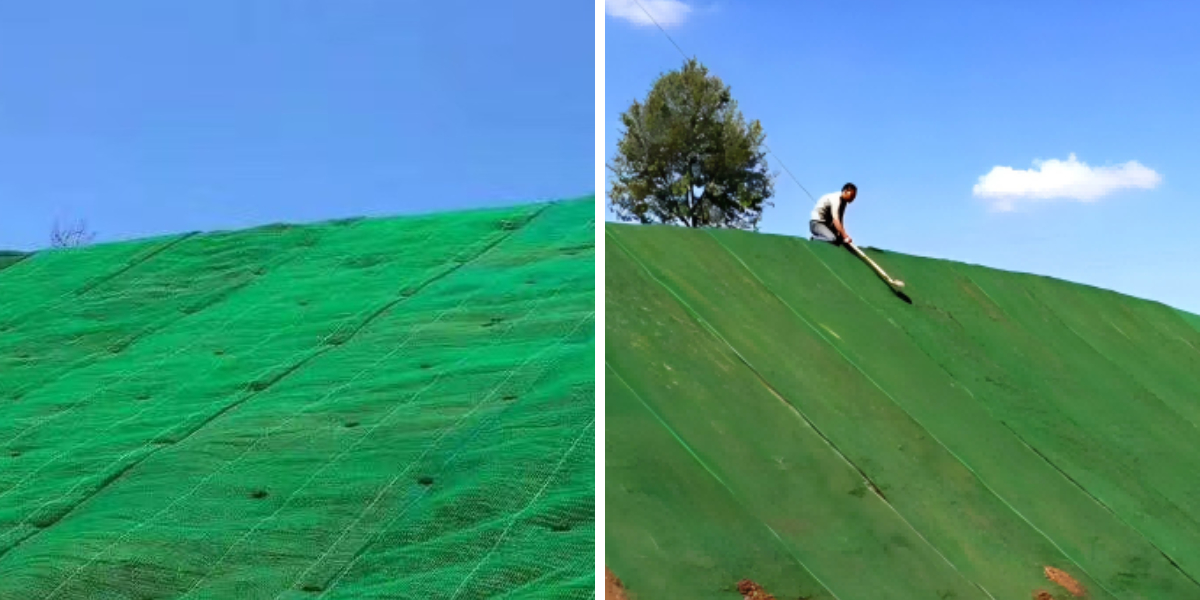
2. Anchoring System Selection: Match Strength to Slope Conditions
Anchoring is the spine of 3D geomat set up on steep slopes—insufficient anchoring leads to geomat slippage, whilst over-anchoring wastes resources. The proper anchoring machine relies upon on slope angle, soil type, and geomat thickness, with three main picks established fantastic for Geomat for Slope Protection.
1. U-Shaped Steel Anchors (Standard Use): Ideal for slopes 30-45 stages with medium-cohesion soil (loam or sandy loam). These 15-20cm lengthy anchors penetrate the soil and tightly closed the geomat’s edges and joints. Space them 50-80cm aside alongside the geomat’s perimeter and 100-120cm aside at interior joints. For introduced stability, power anchors at a 45-degree perspective towards the slope’s top—this creates a “pull-back” pressure that resists downward slippage.
2. Soil Nails (Steep Slopes & Weak Soil): For slopes steeper than forty five levels or sandy/granular soil, soil nails (2-3m lengthy metal rods) grant deep anchoring. Drill holes 30-50mm in diameter into the slope, insert the nail, and grout it in vicinity to bond with the underlying soil. Attach the 3D geomat to the nail heads the use of washers and nuts, spacing nails 1.5-2m aside in a grid pattern. Soil nails switch the geomat’s load to steady soil layers, stopping deep-seated slippage.
3. Geotextile Reinforced Anchors (Eco-Friendly Option): For slopes with vegetation goals, mix 3D geomat with geotextile strips anchored to the slope’s top. The geotextile distributes anxiety throughout the geomat’s surface, whilst the anchors (buried 1-1.5m deep at the slope crest) supply a invulnerable anchor point. This device works nicely for 30-40 diploma slopes and integrates seamlessly with vegetation growth, as the geotextile decomposes over time. Always take a look at anchor pull-out energy earlier than full installation—aim for a minimal of 5kN per anchor for steep slopes.
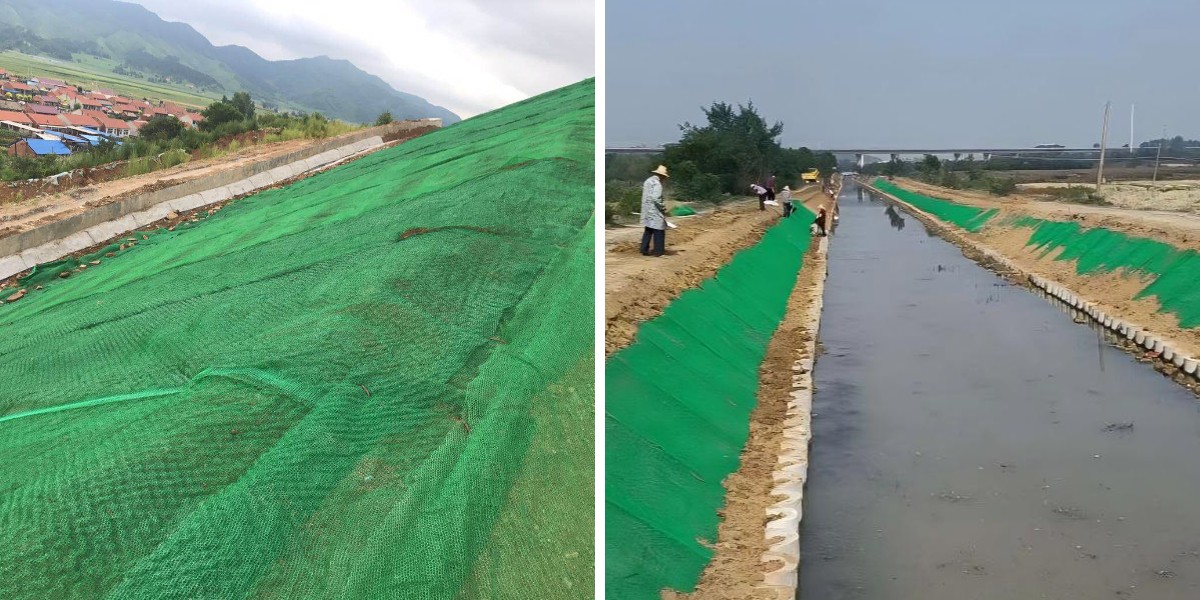
3. Step-by-Step Installation: Mastering Layering & Anti-Slippage
Even the quality anchors fail if 3D geomat is set up incorrectly. Proper layering, seam handling, and anxiety manipulate are crucial for anti-slippage, as gaps or unfastened geomat create pathways for water and soil erosion. Follow this step-by-step manner to make certain your Geomat for Slope Protection is hooked up for most stability.
Step 1: Slope Preparation: Clear the slope of debris, rocks, and weeds—sharp objects can puncture 3D geomat. Level uneven areas with a rake and fill small ruts with compacted soil. For clay soils, scarify the floor (create shallow grooves) to enhance geomat adhesion. Install drainage pipes in low-lying areas to redirect water away from the geomat.
Step 2: Geomat Unfolding & Orientation: Unroll 3D geomat from the pinnacle of the slope to the bottom—this prevents downward slippage all through installation. Align the geomat so its drainage channels run vertically (parallel to slope contours) to facilitate water runoff. Cut geomat to measurement with a utility knife, leaving 10-15cm overlaps at seams to keep away from gaps.
Step 3: Anchoring & Tensioning: Secure the pinnacle aspect of the geomat first the use of anchors spaced 50cm apart—this anchors the “fixed point” earlier than laying the rest. As you unroll the geomat downward, pull it taut to remove slack (but keep away from over-stretching, which can tear the material). Secure intermediate anchors each 80-100cm alongside the facets and at seam overlaps. For seams, overlap the top geomat panel over the decrease one (minimum 10cm) and anchor the overlap each 50cm to forestall water from seeping below the seam.
Step 4: Vegetation Seeding (Optional however Recommended): For long-term slope stabilization, unfold grass or groundcover seeds over the 3D geomat, then cowl with a skinny layer of topsoil (5-10mm). The geomat’s 3D shape traps seeds and soil, merchandising boom that reinforces anti-slippage. Water gently to keep away from washing away seeds—vegetation roots will develop thru the geomat, growing a herbal composite barrier with the material.
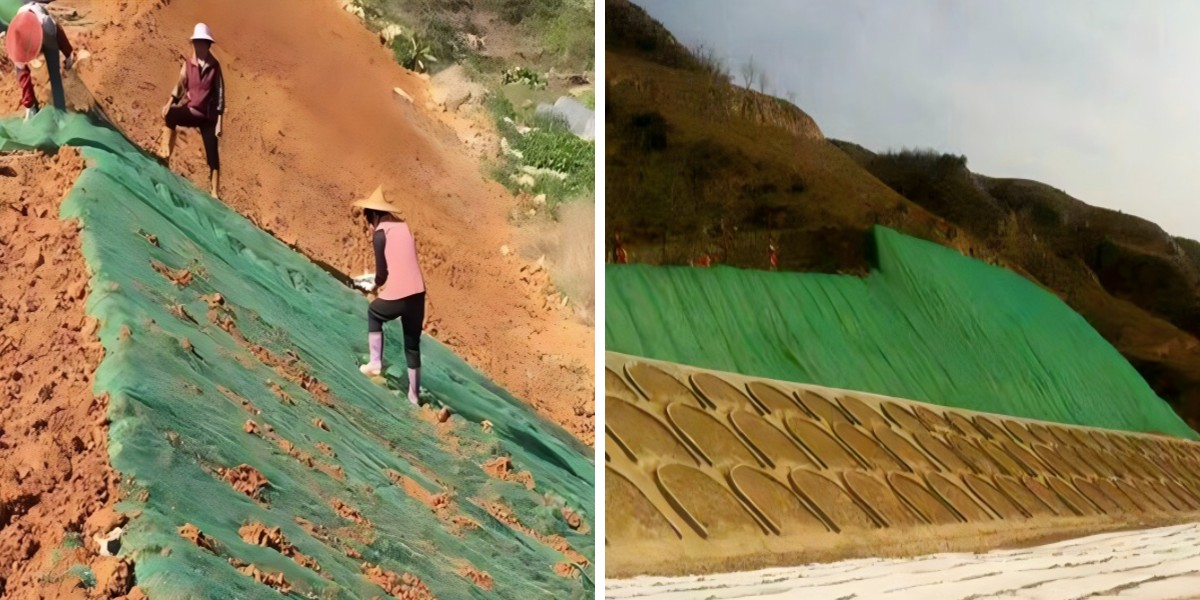
4. Post-Installation Maintenance: Preserve Stability Over Time
3D geomat is low-maintenance, however neglecting post-installation assessments can lead to gradual failure. Regular inspections and minor repairs stop small problems (like free anchors or seam gaps) from escalating into fundamental slippage. A proactive preservation format ensures your Geomat for Slope Protection gives you a long time of dependable performance.
Regular Inspection Schedule: Conduct visible inspections month-to-month for the first six months (critical for vegetation establishment) and quarterly thereafter. After heavy rainfall or storms, look into immediately—water runoff is the most important reason of post-installation slippage. Key checkpoints: anchor tightness (look for raised geomat edges), seam integrity (ensure overlaps stay intact), drainage (clear clogged channels), and vegetation boom (replace useless patches promptly).
Repair Best Practices: For unfastened anchors, re-drive them or exchange with longer anchors if soil has eroded. For small tears in 3D geomat (less than 20cm), reduce a patch from extra geomat, overlap the tear with the aid of 15cm, and impenetrable with anchors round the patch perimeter. For large tears or slippage, do away with the affected section, re-prepare the slope, and reinstall geomat with more desirable anchoring (e.g., add soil nails). If vegetation is sparse, overseed and cowl with straw mulch to preserve moisture.
Long-Term Care: After vegetation is thoroughly set up (6-12 months), trim overgrown flora to stop root strain from lifting the geomat. Avoid heavy gear on the slope, as it can harm anchors and compress soil. Every five years, take a look at a pattern of the 3D geomat for UV degradation—replace sections if cloth will become brittle. With applicable maintenance, 3D geomat can ultimate 20+ years, outperforming ordinary slope safety methods.
Final Thoughts: 3D Geomat—A Reliable Solution for Steep Slope Stability
Installing 3D geomat on steep slopes requires greater than simply laying material—it needs cautious pre-assessment, focused anchoring, specific installation, and ongoing maintenance. By matching your method to the slope’s special conditions, deciding on the proper anchoring system, and following great practices for layering and tensioning, you’ll create a stable, eco-friendly slope safety solution. Whether you’re a owner of a house stabilizing a outside slope or a contractor working on infrastructure projects, 3d geomat gives a stability of electricity and versatility that typical strategies can’t match. Invest time in suited set up and maintenance, and your Geomat for Slope Protection will guard in opposition to erosion and slippage for years to come. Ready to begin your project? Consult a 3D geomat producer to get tailor-made pointers for your slope’s needs.
Contact Us
Company Name: Shandong Chuangwei New Materials Co., LTD
Contact Person :Jaden Sylvan
Contact Number :+86 19305485668
WhatsApp:+86 19305485668
Enterprise Email: cggeosynthetics@gmail.com
Enterprise Address: Entrepreneurship Park, Dayue District, Tai 'an City,
Shandong Province