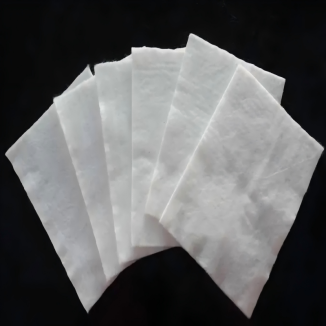
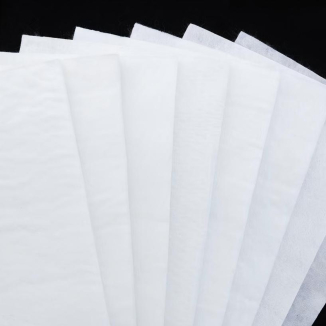
Geotextile Cloth for Erosion Control: How to Protect Slopes, Riverbanks, and Gardens
Erosion damages landscapes silently—heavy rain washes backyard topsoil, wind strips slopes, and river currents erode banks, inflicting land loss and plant damage. Temporary fixes like straw blankets solely closing a season, however geotextiles for erosion manage provide a long-term, eco-friendly solution. These fabric protect soil whilst letting water and air circulate, retaining outside areas healthy. Below is a sensible information to the usage of geotextile fabric for three high-risk areas: slopes, riverbanks, and gardens.
1. Geotextile Slope Protection: Stabilize Hillsides Effectively
Slopes erode without problems due to the fact gravity speeds up water runoff, carving ruts and carrying soil away. Geotextile slope safety acts as a dependable barrier, whether or not for a outdoor hill or a industrial embankment. Here’s how to use it:
Step 1: Choose the Right Geotextile
Non-Woven (4–6 oz/yd²): Best for mild slopes (up to 30°). Made of bonded polypropylene, it traps soil and drains water quickly, averting waterlogging. A 5 oz/yd² alternative works for most homes—lightweight, UV-resistant, and long lasting for 5–7 years.
Woven (8–12 oz/yd²): Ideal for steep slopes (over 30°) or sandy soil (prone to erosion). Tightly woven polypropylene strands provide excessive tensile strength, resisting stretching and tearing. Pair with fast-growing grass seeds (e.g., fescue)—the geotextile holds soil whilst roots structure a “living barrier.”
Step 2: 4-Step Installation
Prep the slope: Clear rocks, weeds, and particles (they can puncture the fabric). For unfastened sand, gently compact the surface; fill deep ruts (over two inches) with a 1:1 combine of topsoil and compost.
Lay the fabric: Unroll from slope pinnacle to backside (prevents water seepage). Overlap sheets 6–12 inches for lengthy slopes; trim excess, leaving a 2-inch overhang at the base.
Anchor securely: Use 6–8 inch galvanized metal staples (plastic for mild slopes) each 2–3 feet. Add more staples for slopes over 35° to keep away from sagging; press staples straight down.
Add a cover: Spread 2–3 inches of mulch (hides fabric, retains moisture) or gravel (for driveways). Avoid massive rocks (over 6 inches)—they may also tear non-woven geotextiles.
Step 3: Basic Maintenance
Inspect twice a yr (after spring rains and fall). Patch small tears (under 6 inches) with a 3-inch large geotextile piece and four staples. Water new grass for 6–8 weeks to bond roots with the fabric.
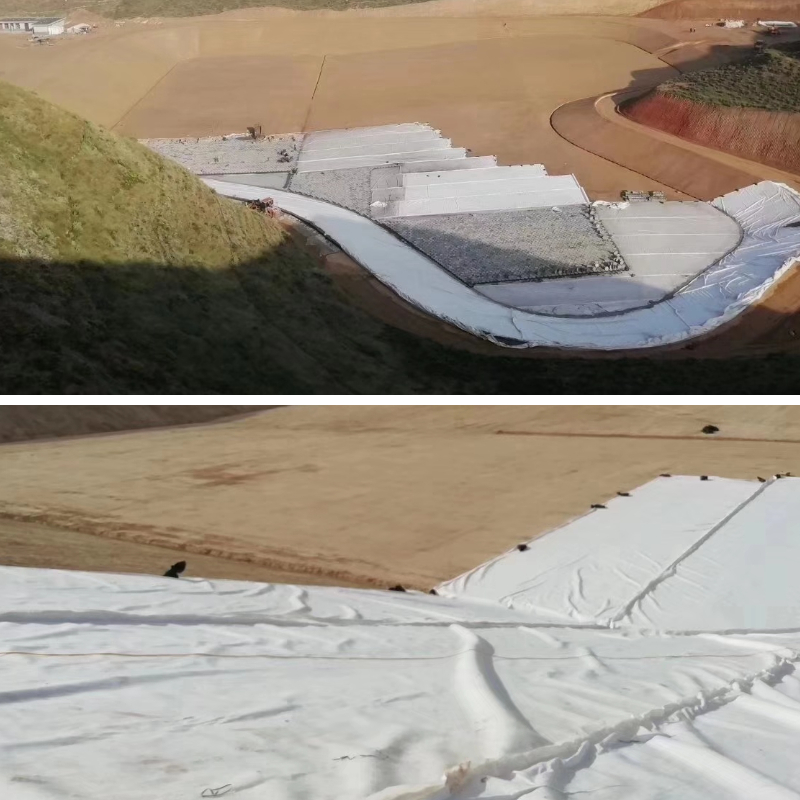
2. Geotextiles for Erosion Control on Riverbanks
Riverbanks face three erosion threats: flowing water, wave action, and wintry weather ice scouring. This leads to financial institution cave in and aquatic habitat damage. Geotextiles for erosion manipulate outperform concrete walls—they’re eco-friendly, less expensive (30–50% less), and combination with nature. Here’s the implementation guide:
Step 1: Select Riverbank-Suitable Geotextile
Needle-Punched Non-Woven: Made of thick polypropylene/polyester, it resists rot, mildew, and saltwater (great for coastal rivers). A 7 oz/yd² alternative traps sediment to enhance banks, best for calm rivers (water pace underneath two mph) with clay/loamy soil.
Geotextile Composites (Geotextile + Geogrid): For high-impact areas (fast rivers over two mph, boat ramps). The non-woven layer filters water; the geogrid provides stress to face up to wave damage. Lasts 10–15 years, ideal for industrial projects.
Step 2: 5-Step Installation
Prep the bank: Mark eroded spots (bare soil, undercut areas). Grade steep banks (steeper than 2:1) to sluggish water; do away with giant rocks/roots. For sandy banks, add 1 inch of clay to stabilize.
Lay the fabric: Start at the water’s edge, unroll up the bank. Extend 1–2 ft into water (anchors in opposition to waves) and 3–4 toes up (covers future erosion zones). Overlap sheets 18–24 inches (handles sturdy water pressure).
Secure with stakes: Use 12–18 inch galvanized metal stakes (plastic rots in moist soil) each and every 1–2 feet. Drive stakes 6+ inches into the riverbed; add sandbags/ small boulders to the water-side aspect for flood protection.
Plant native vegetation: Choose water-tolerant plant life (e.g., switchgrass, willows). Dig 3–4 inch holes via the fabric, plant, and cover roots with topsoil + river sediment. Water weekly for a month—roots bind soil into a “living bank.”
Add riprap (high-risk areas): Spread 6–12 inch rocks over the geotextile. Rocks soak up waves; geotextile prevents soil washout underneath riprap. Use neighborhood rocks to mixture with the landscape.
Step 3: Why Geotextiles Beat Concrete
Concrete blocks daylight (kills algae for fish), stops sediment drift (hurts spawning), and heats water. Geotextiles let water filter through, construct habitat, and are convenient to repair—patch tears in an hour as an alternative of rebuilding walls.
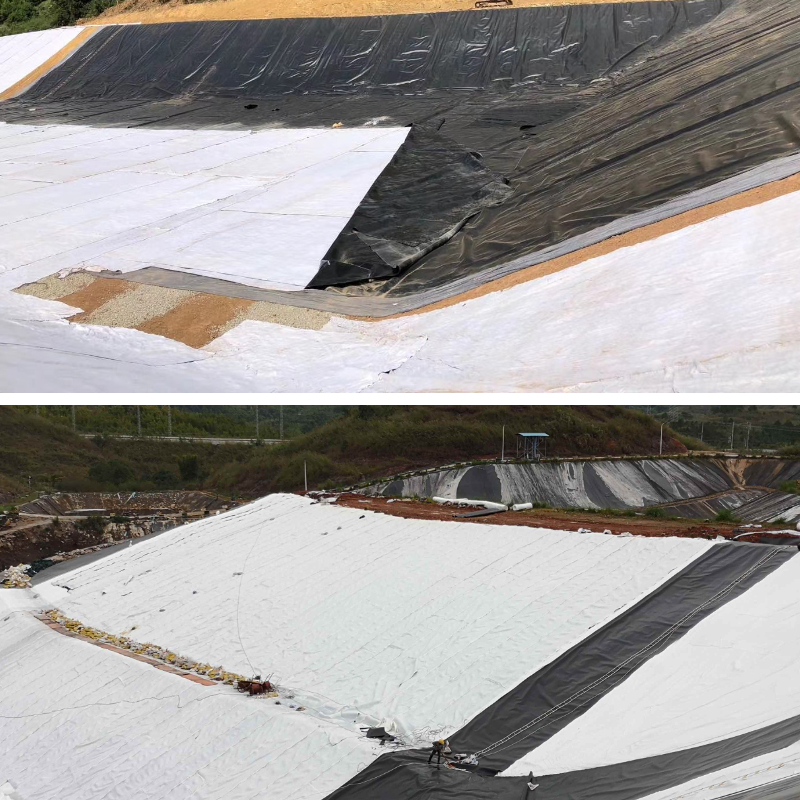
3. Geotextile for Gardening: Protect Beds and Lawns
Home gardens erode from rain, overwatering, or foot traffic. Geotextile for gardening solves this barring plastic fabric’s flaws (blocks water/air). It protects soil, suppresses weeds, and maintains gardens thriving.
Step 1: Pick Garden-Friendly Geotextile
Light Non-Woven (2–4 oz/yd²): Perfect for flower beds, veggie patches, and raised beds. Thin, bendy polypropylene lets water/air/nutrients bypass through. A three oz/yd² alternative works for tomatoes/herbs—easy to cut, no root restriction.
Biodegradable (Coconut Fiber/Jute): Ideal for natural gardens or transient beds (annual flowers, summer season lettuce). Breaks down in 6–12 months, including soil nutrients. Coconut fiber is extra long lasting (8–12 months); jute is budget-friendly.
Step 2: Installation Tips
For Flower/Veggie Beds
Prep soil: Till 6–8 inches deep, add 2–3 inches of compost. Rake level, pull all weeds (roots included). For challenging weeds, use vinegar-salt herbicide two weeks prior.
Lay fabric: Cut to fit, leaving 2–3 inch overhang. Overlap sheets 4–6 inches (staple to secure); tuck overhang beneath raised mattress frames.
Anchor edges: Use 4-inch plastic/galvanized staples each and every 3–4 toes (plastic avoids rust on timber beds). Add staples in the center of massive beds (over 10 feet) to stop shifting.
Plant: Cut small X-slits (1–2 inches) for plants; 3–4 inch slits for seeds. Cover with 1/4 inch topsoil (seeds) and two inches of mulch (retains moisture, hides fabric).
For Lawn Bare Spots
Prep area: Rake useless grass/thatch; loosen pinnacle 1–2 inches of soil with a fork.
Lay fabric: Cut barely larger than the spot, staple each two ft (ensure flatness, no wrinkles).
Seed and water: Add 1/4 inch topsoil + grass seed (follow packet rate). Water gently, maintain moist for 2–3 weeks—geotextile holds soil whilst seeds germinate.
Step 3: Key Benefits
Stops erosion besides harming plants; reduces weeding time through 70%.
Improves drainage (no root rot); non-woven alternatives ultimate 5–7 years.
Final Tips for Geotextiles for Erosion Control
Match to project: Light non-wovens for geotextile for gardening/gentle slopes; woven for geotextile slope protection; composites for riverbanks.
Prep thoroughly: Clean, degree surfaces stop gaps and material failure.
Anchor well: Loose edges reason erosion—use more staples, sandbags, or rocks.
Pair with plants: Roots flip brief safety into a everlasting solution.
Geotextile fabric is low-cost and handy to use. By deciding on the proper kind and following these steps, you’ll maintain slopes stable, riverbanks intact, and gardens wholesome for years.
Contact Us
Company Name: Shandong Chuangwei New Materials Co., LTD
Contact Person :Jaden Sylvan
Contact Number :+86 19305485668
WhatsApp:+86 19305485668
Enterprise Email: cggeosynthetics@gmail.com
Enterprise Address: Entrepreneurship Park, Dayue District, Tai 'an City,
Shandong Province