Efficiency, Cost and Ecology: The Ultimate Slope Protection Solution—Cement Blanket vs Riprap
Introduction: Choosing the Right Slope Protection Solution for Modern Civil Works
Slope and embankment protection is a core part of hydraulic, roadside and landscape civil projects, tasked with preventing soil erosion, slope collapse and water flow scouring. For decades, riprap protection has served as a mainstream traditional solution, widely adopted for riverbank, channel and embankment stabilization. However, conventional riprap construction features tedious workflows, heavy equipment reliance and frequent later maintenance, failing to adapt to modern efficient and low-consumption engineering demands. Today, innovative cement blanket slope protection has become a powerful alternative to riprap systems. With the booming demand for efficient slope renovation, more engineers and contractors actively look for cement blankets for sale to optimize project schemes. The mature concrete cloth building technology completely changes traditional slope protection logic, bringing revolutionary upgrades in installation efficiency and full lifecycle cost control. This article comprehensively compares cement blanket and riprap protection from installation speed, construction difficulty and long-term lifecycle cost, helping practitioners select the most suitable slope protection solution.
Overview of Two Mainstream Slope Protection Technologies
1. Traditional Riprap Slope Protection Features
Riprap protection relies on stacking graded stone blocks on slope surfaces to form a rigid anti-scour layer, which buffers water flow impact and fixes slope soil. This traditional technology relies on natural stone resources and mechanical stacking, with high requirements for raw material transportation and on-site operation. The overall construction process is highly dependent on weather conditions and site terrain, and the assembled structure is prone to loose gaps and displacement after long-term water erosion. In long-term engineering operation, riprap slopes often face stone sliding, sediment loss and local hollowing problems, requiring regular inspection and partial repair.
2. Modern Cement Blanket Slope Protection Features
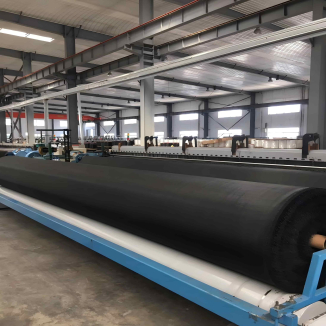
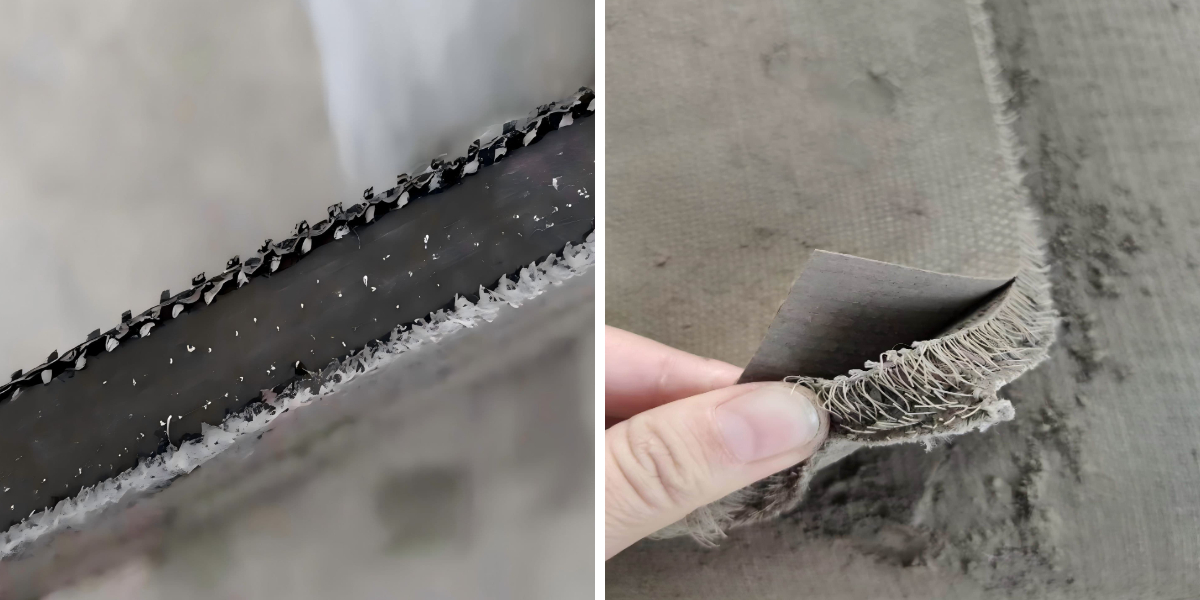
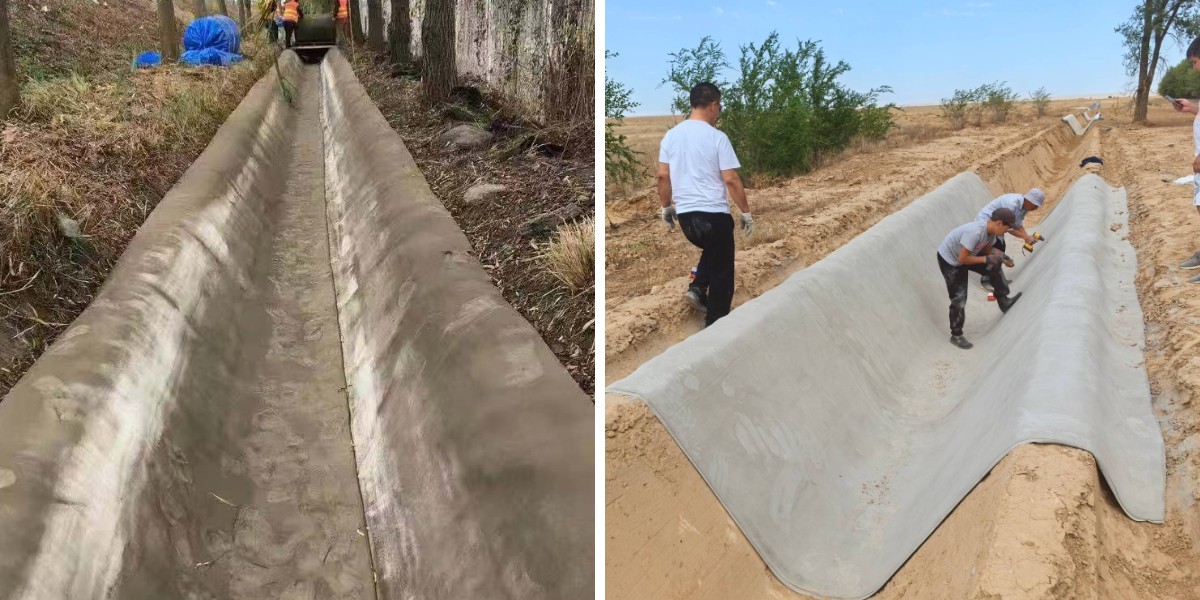
As an innovative flexible protection material, cement blanket breaks the limitations of traditional rigid stone protection. This water-activated concrete composite fabric is roll-packed for easy transportation and deployment, achieving integrated slope protection after simple laying and hydration curing. Unlike discrete riprap structures, cured cement blanket forms a seamless, overall anti-erosion layer with strong structural integrity. More construction teams prioritize flexible slope protection schemes and search for reliable cement blankets for sale to replace traditional riprap. The standardized concrete cloth building mode simplifies slope construction procedures, realizing one-time forming and long-term stable protection for slope surfaces.
Installation Speed Comparison: On-Site Construction Efficiency Analysis
1. Cumbersome Construction Process of Riprap Protection
Riprap slope protection involves multiple complicated construction steps, including raw material screening, stone transportation, slope trimming, layered stacking and gap filling. The whole process requires large cranes and loading equipment for auxiliary operation, with low single-day construction progress. The irregular terrain of slopes will further increase the difficulty of stone positioning and fixing, resulting in prolonged construction cycles. In remote areas or narrow construction sites, mechanical operation is restricted, making riprap construction more time-consuming and labor-intensive.
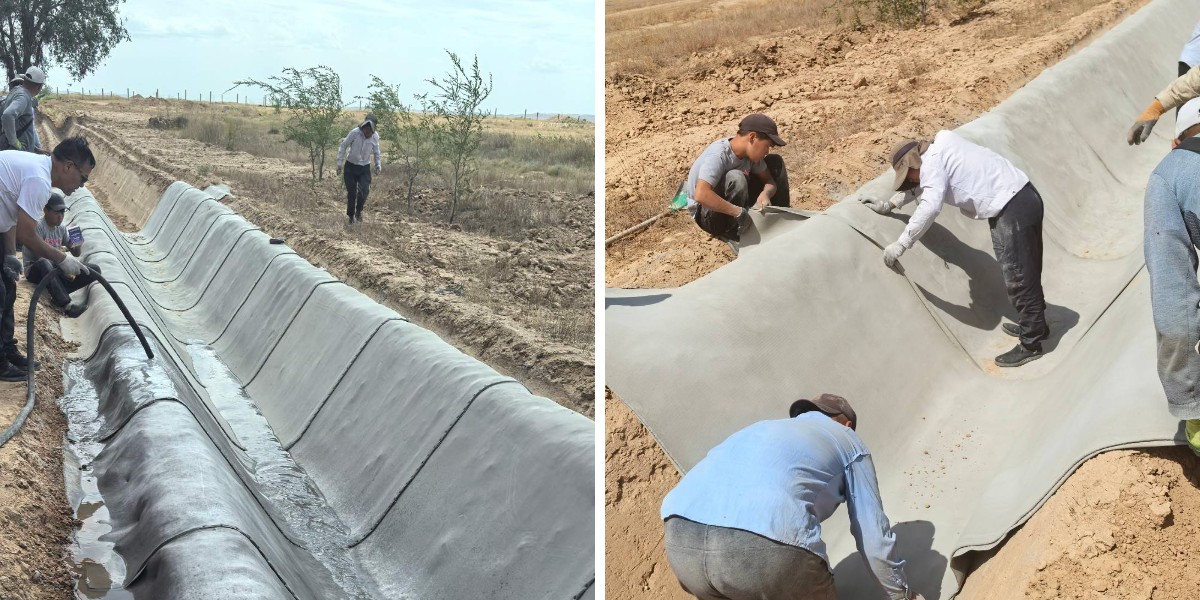
2. Efficient and Rapid Deployment of Cement Blanket
cement blanket boasts extremely high on-site installation efficiency, which is its core advantage over riprap protection. The roll-shaped material is lightweight and easy to carry, requiring no large mechanical equipment for deployment. Workers only need to level the slope base, unroll and fix the material, and complete hydration curing to finish construction. For various complex curved slopes and irregular terrains, cement blanket can be freely cut and fitted without complex terrain adaptation work. Teams that purchase cement blankets for sale can greatly compress project construction cycles and shorten the overall engineering period. This efficient construction mode is the core advantage of concrete cloth building technology, perfectly adapting to urgent slope reinforcement and short-cycle engineering projects.
Lifecycle Cost Comparison: Initial Investment vs Long-Term Maintenance
1. Long-Term Hidden Cost of Riprap Protection
Many project teams mistakenly believe that riprap has low initial investment, but ignore its high full-lifecycle cost. In the early stage, riprap requires high costs for stone mining, transportation and mechanical construction. In the later operation stage, the discrete stone structure is easy to shift and loose under water flow scouring and wind erosion, requiring frequent manual inspection, gap filling and stone replacement. Long-term repeated maintenance and renovation continue to increase project operating costs, and the overall service life of riprap slopes is limited, unable to achieve long-term stable protection.
2. Cost-Effective Lifecycle Performance of Cement Blanket
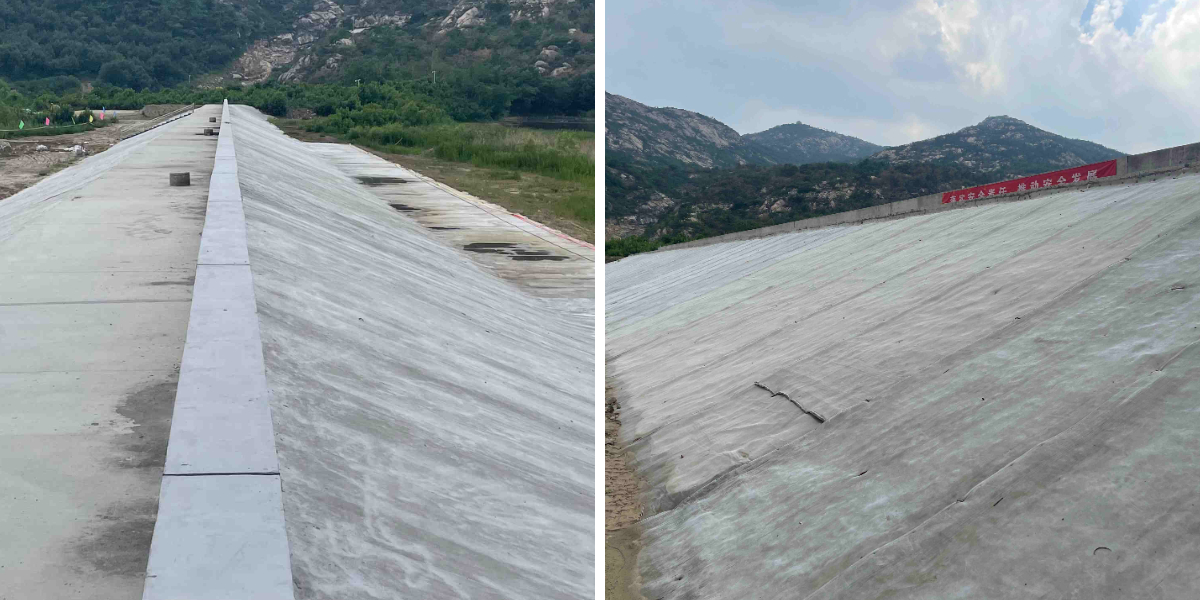
cement blanket achieves optimal cost balance in the full lifecycle of slope protection. Although the initial material investment is standardized and transparent, it completely saves the high cost of mechanical operation and long-term repeated maintenance. The cured cement blanket forms a dense and integrated protective layer with excellent anti-erosion and anti-aging performance, avoiding structural looseness and local damage. For project owners who purchase cement blankets for sale, the material can maintain stable protection performance for a long time after one-time construction. The low-maintenance advantage of concrete cloth building effectively reduces the long-term operation cost of slope projects, with far better comprehensive economic benefits than traditional riprap protection.
Structural Stability & Adaptability: Core Performance Contrast
1. Structural Defects of Riprap Slopes
The stacked structure of riprap determines its inherent stability defects. There are inevitable gaps between stones, which cannot block fine soil loss under long-term water flow scouring. Over time, soil loss under the stone layer will cause foundation hollowing, leading to overall slope deformation and collapse. In addition, the rigid stone structure cannot adapt to slight foundation settlement and terrain changes, and is prone to local collapse and damage in seasonal temperature changes and rainwater erosion environments.
2. Excellent Comprehensive Performance of Cement Blanket Protection
cement blanket solves the structural instability problem of riprap fundamentally. The seamless overall structure after curing completely covers the slope surface, effectively locking surface soil and preventing sediment loss and foundation hollowing. The flexible material has excellent terrain adaptability, which can fit undulating slopes and curved bank surfaces closely, and adapt to subtle foundation changes without cracking or peeling. Engineering teams adopting cement blankets for sale can build highly stable slope protection systems for various complex terrains. The reliable structural performance ofconcrete cloth building ensures long-term anti-scour and anti-erosion capabilities of slopes, greatly improving project safety and stability.
Ecological & Practical Application Advantages
Traditional riprap protection completely isolates slope soil and water bodies, hinders vegetation growth, and destroys the ecological balance of slopes and water areas, with poor ecological compatibility. In contrast,cement blanket has breathable and permeable properties, which can realize water and gas exchange while protecting slopes, providing growth space for slope vegetation and aquatic plants. This ecological protection mode realizes the integration of structural stabilization and ecological restoration. Many ecological water conservancy projects prefer to purchase cement blankets for sale to replace traditional riprap. The green and efficient concrete cloth building scheme meets the dual requirements of engineering safety and ecological environmental protection, which is in line with the development trend of modern green civil engineering.

Conclusion: Optimal Slope Protection Choice for Modern Engineering
Through comprehensive comparison of installation speed, lifecycle cost, structural stability and ecological performance,cement blanket shows overwhelming comprehensive advantages over traditional riprap slope protection. It abandons the cumbersome construction and high maintenance defects of riprap, with efficient deployment, low lifecycle cost, stable structure and ecological friendliness. For modern slope protection projects pursuing efficiency, economy and sustainability, choosing cement blankets for sale and adopting mature concrete cloth building technology is the most reasonable solution. While ensuring long-term stable anti-erosion protection of slopes, it effectively controls project costs and realizes the sustainable operation of civil and hydraulic protection projects.