How to Fill and Deploy Geotextile Tubes for Shoreline Protection
Introduction: Why Geotextile Tubes Are Ideal for Modern Shoreline Protection
Shoreline erosion, tidal scouring, and coastal land degradation are persistent challenges for coastal infrastructure and waterfront landscapes. Traditional shoreline defense methods such as riprap stacking and rigid concrete barriers often lack flexibility, damage coastal ecology, and require repeated maintenance over time. Modern coastal engineering widely adopts soft structural protection solutions to balance stability, ecology and construction efficiency. A geotextile tube serves as a core soft protection material for shoreline restoration, capable of forming stable waterfront barriers through professional filling and deployment processes. Meanwhile, geotextile dewatering tubes provide auxiliary support for sediment treatment and shoreline foundation stabilization, becoming essential equipment for complete coastal protection projects. This guide elaborates on the standard filling and deployment methods of geotextile tube systems, helping construction teams achieve reliable and long-lasting shoreline protection effects.
Basic Overview of Geotextile Tube and Geotextile Dewatering Tubes
1. Functional Characteristics of Geotextile Tube
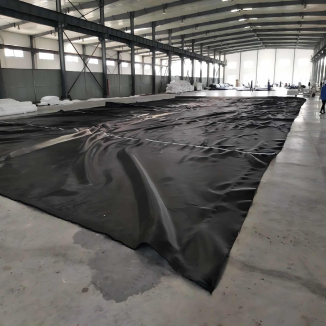
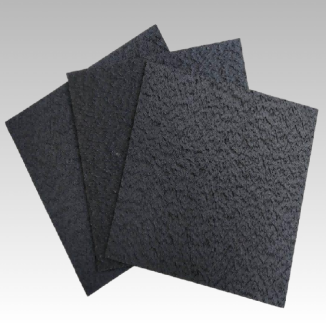
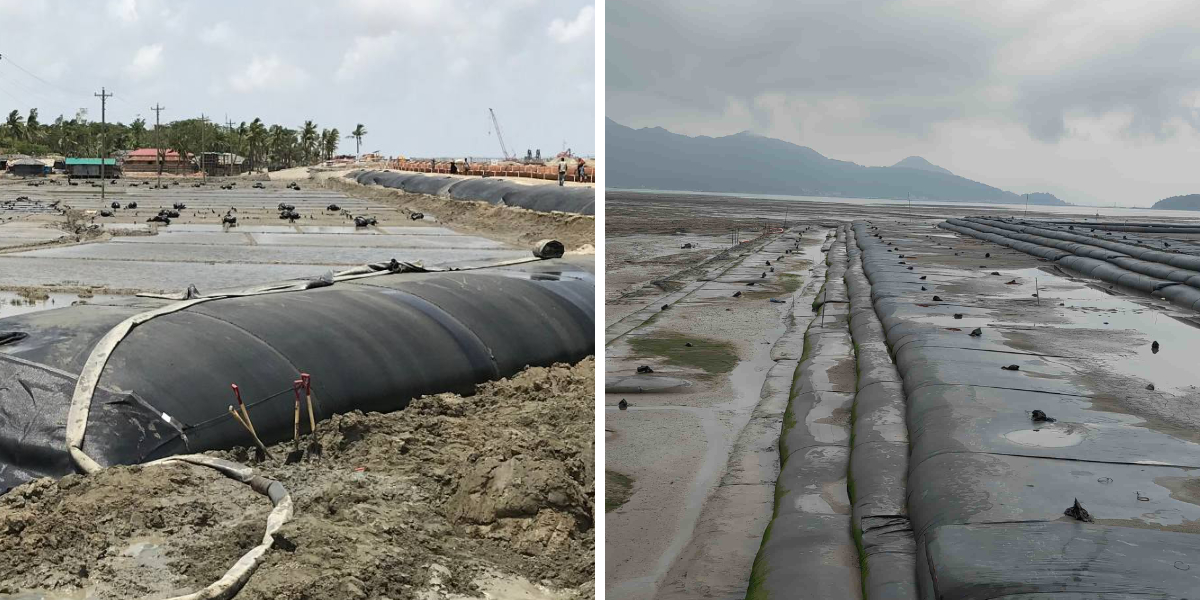
A geotextile tube is a large-scale tubular geosynthetic structure woven from high-strength permeable geotextile fabrics. It features excellent tensile resistance, puncture resistance and structural flexibility, specially designed for shoreline reinforcement, breakwater construction and erosion prevention. The tubular structure can be filled with on-site sediment, sand or silt materials, forming a continuous stacked barrier after molding. The unique permeable fabric allows water to escape while retaining solid particles inside, ensuring the tube body gradually solidifies and forms a stable protective body. It adapts to complex coastal terrain and dynamic tidal changes, making it widely applicable in various shoreline protection scenarios.
2. Application Value of Geotextile Dewatering Tubes
geotextile dewatering tubes share the same high-strength fabric structure as conventional shoreline tubes, focusing more on sediment purification and foundation dewatering functions. In shoreline renovation projects, a large amount of suspended sediment and saturated sludge accumulates on waterfront foundations, which affects the stability of subsequent protection structures. Geotextile dewatering tubes can wrap and filter these saturated sediments, quickly drain excess water, and realize solidification and volume reduction of sludge. They cooperate with conventional geotextile tube protection structures to optimize shoreline foundation conditions and eliminate hidden dangers of foundation softening and settlement.
Core Pre-Deployment Preparation for Shoreline Geotextile Tube Projects
Standardized pre-construction preparation is the premise to ensure the stable deployment of geotextile tube structures. First, sort out and trim the shoreline construction foundation, remove sharp reefs, floating sundries and loose floating soil, ensuring a flat and stable working base for tube placement. Reasonably plan the layout route and stacking sequence of the tube body according to the shoreline trend, tidal direction and protection range, to avoid structural gaps and weak protection areas.
Before formal filling, inspect the integrity of all tube bodies to check for fabric damage, stitching gaps and joint defects. For projects containing sediment purification work, prepare supporting geotextile dewatering tubes in advance, and confirm the matching of tube specifications and on-site sediment characteristics. Complete equipment debugging and site zoning to ensure continuous and orderly filling and deployment operations, avoiding construction interruption caused by equipment failure or site confusion.
Standard Filling Process for Geotextile Tube Shoreline Structures
1. Positioning and Fixing of Tube Bodies
Before filling materials, fix the geotextile tube at the preset shoreline position to prevent displacement and floating caused by tidal water flow. Anchor and fix the tube head, tube tail and both sides of the tube body with professional fixing parts, ensuring the tube body is fully unfolded without twisting or folding. For long-distance continuous shoreline protection, connect multiple tube bodies tightly according to the construction layout to form an integrated protection belt and avoid staggered gaps.
In areas with serious sediment accumulation at the shoreline, arrange geotextile dewatering tubes in the foundation pretreatment area first. Fix the dewatering tubes flatly to ensure full contact with saturated sediment, laying a solid foundation for subsequent formal shoreline tube filling construction.
2. Graded Material Filling Operation
The filling work of geotextile tube needs to follow the principle of uniform and graded filling to ensure uniform stress and regular molding of the tube body. Adopt continuous feeding methods to fill sand, silt or mixed soil materials into the tube cavity. Avoid excessive local filling, which may cause tube body deformation, local bulging or fabric cracking. During the filling process, observe the tube body expansion state in real time to ensure consistent fullness of the entire tube section.
While filling the main shoreline protection tubes, keep track of the working state of geotextile dewatering tubes. The dewatering tubes continuously filter and drain water during the sediment filling process, reducing the water content of on-site filler materials, improving the compactness and molding effect of geotextile tube structures, and enhancing the overall stability of shoreline protection facilities.
3. Sealing and Molding Treatment
After thegeotextile tube reaches the preset fullness, carry out professional sealing and stitching treatment. Use matched high-strength sewing threads to seal the filling port and tube joints tightly, preventing material leakage caused by water scouring and tidal impact. Trim the tube body shape to ensure neat and smooth overall molding, which is convenient for subsequent layered stacking and overall protection construction.
After the completion of filling and sealing, let the geotextile dewatering tubes work continuously for a period of time to fully drain the residual water inside the foundation and filler, further solidifying the shoreline foundation and tube structure, and avoiding later settlement and deformation of the protection system.
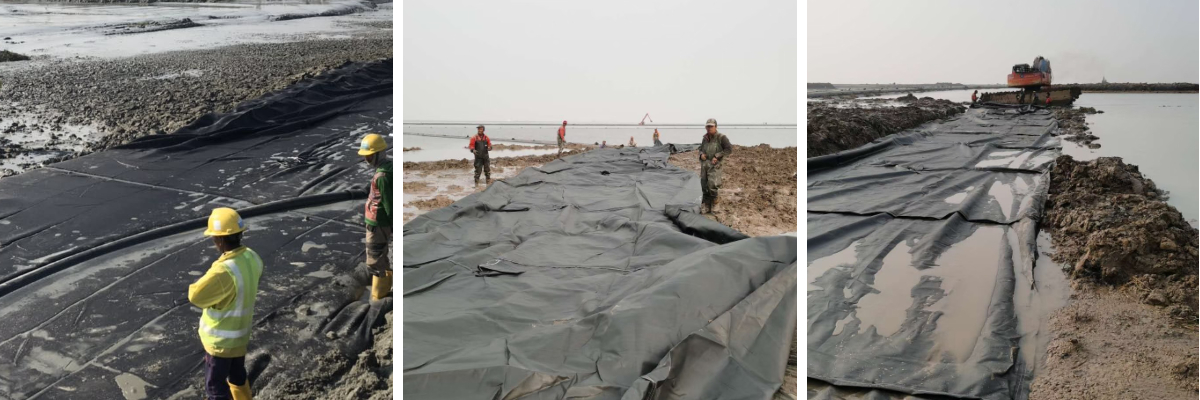
Scientific Deployment and Stacking Techniques for Shoreline Protection
1. Single-Layer Flat Deployment for Basic Shoreline Stabilization
For gentle shorelines and slight erosion areas, adopt single-layer flat deployment of geotextile tube to form a basic anti-scour protection layer. Lay the tube body along the shoreline contour to fit the terrain closely, forming a continuous barrier against tidal scouring and wave impact. This deployment method is simple and efficient, suitable for daily shoreline maintenance and preliminary erosion prevention.
Cooperate with the dewatering and solidification effect of geotextile dewatering tubes to optimize the flatness and compactness of the laying base, ensuring the single-layer geotextile tube structure is stable and free of hollowing and displacement risks.
2. Multi-Layer Stacked Deployment for High-Erosion Waterfront Zones
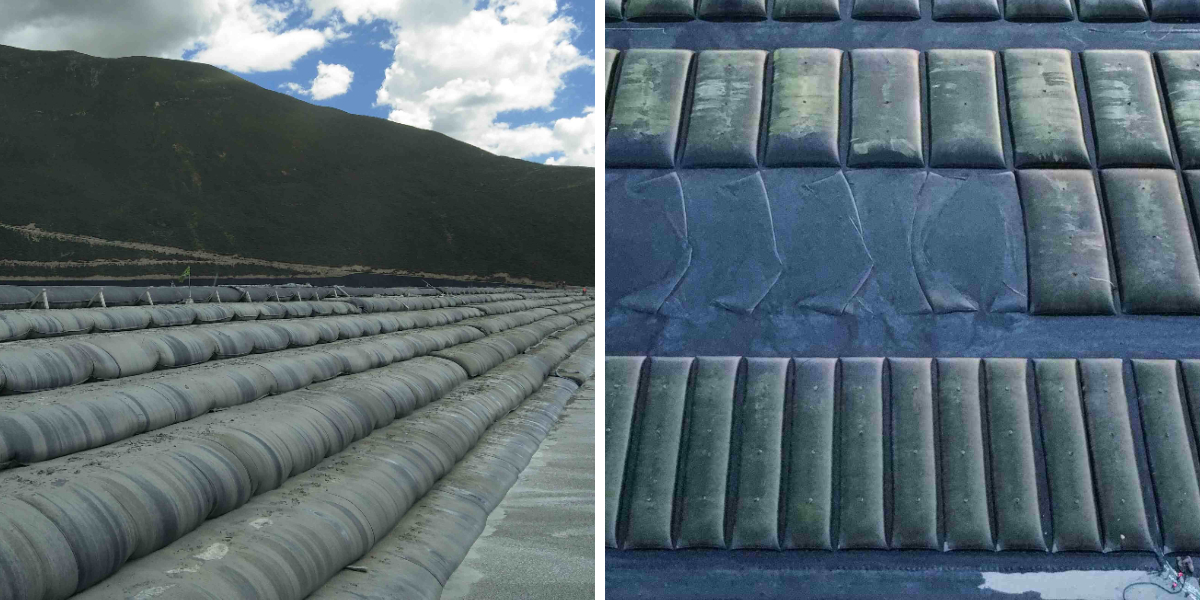
For coastal areas with strong wave impact, frequent tidal surges and serious erosion, adopt multi-layer staggered stacking deployment of geotextile tube to build high-strength shoreline protection barriers. Stagger the upper and lower tube bodies to disperse wave pressure and avoid overall structural sliding. The stacked structure can effectively improve the height and impact resistance of the protection system, resisting strong water flow scouring and storm surge erosion.
In multi-layer deployment projects, geotextile dewatering tubes play a key role in layered foundation treatment. They eliminate the hidden danger of soft foundation slippage caused by high water content, ensure each layer of geotextile tube is built on a solid foundation, and greatly improve the overall anti-overturning and anti-scour performance of the protection system.
Key Maintenance Tips for Long-Term Service Life
After the deployment and molding of the geotextile tube protection system, daily inspection and maintenance are required to maintain long-term stable performance. Regularly check the tube body surface for abrasion, cracking and joint loosening, and repair local damaged parts in time to prevent structural expansion of defects. Keep the tube body surface clean to avoid long-term adhesion of sundries affecting water permeability and structural stability.
Regularly observe the working state of geotextile dewatering tubes to ensure continuous and effective foundation dewatering and sediment stabilization. Timely clean up surface blockages to maintain smooth water filtration channels, ensuring the long-term coordination and stability of the entire shoreline protection system.
Conclusion: Build Reliable Shoreline Defense With Professional Geotextile Tube Deployment
Scientific filling and deployment technology determines the final protection effect of coastal soft engineering. A properly constructedgeotextile tube system can form a flexible, durable and eco-friendly shoreline barrier, effectively solving common problems such as coastal erosion, tidal scouring and foundation settlement. Supported by efficient geotextile dewatering tubes, the whole project realizes integrated operations of foundation dewatering, sediment solidification and structural stabilization.
Compared with traditional rigid protection methods, standardized geotextile tube deployment features simple operation, strong terrain adaptability and low later maintenance cost. It is the preferred efficient solution for modern shoreline restoration, coastal erosion control and waterfront ecological protection projects.