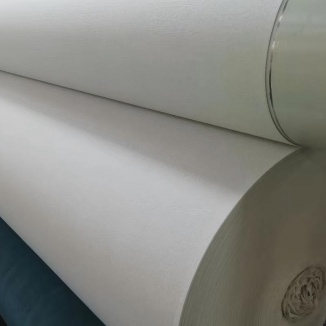
A Complete Guide to Dewatering Bag Installation, Monitoring, and Removal
Dewatering is a crucial step in construction, mining, environmental remediation, and wastewater management—removing extra water from web sites to stabilize soil, comply with regulations, and maintain initiatives on track. Traditional dewatering strategies like pumps or settling ponds regularly combat with efficiency, sediment control, or environmental impact. Dewatering Bags (also recognised as geotextile dewatering tubes) have emerged as a reliable, inexpensive solution, presenting most useful sediment retention and handy handling. This information offers a comprehensive overview of Dewatering Bags, from installation (with insights from a Geotube Installation Guide) to ongoing monitoring and desirable removal, whilst highlighting their position as high-quality Erosion Control Tubes in various projects.
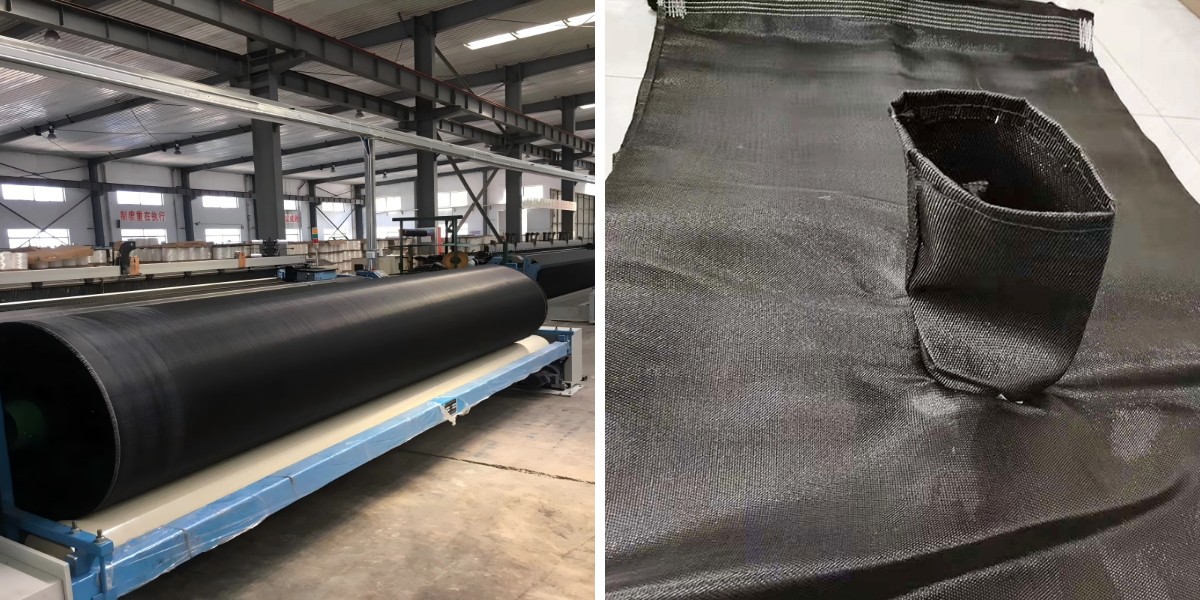
Understanding Dewatering Bags: What They Are and Why They Matter
Dewatering Bags are large, porous geotextile luggage designed to separate water from sediment-laden slurries. Made from high-strength, UV-resistant woven or nonwoven geotextile material, they permit water to drain thru whilst trapping solids—reducing the quantity of waste and stopping sediment runoff. Unlike settling ponds, which require giant land areas and lengthy wait times, Dewatering Bags are compact, portable, and speed up dewatering. Additionally, their potential to entice sediment makes them high quality Erosion Control Tubes, defending close by waterways from contamination. Whether used for building web site dewatering, mining tailings management, or stormwater treatment, these baggage simplify complicated dewatering duties whilst assembly environmental standards.
Pre-Installation Preparation: Laying the Groundwork for Success
Proper training is key to making sure Dewatering Bags function as intended. Follow these steps to set the stage for easy installation:
1. Site Assessment and Planning
Evaluate the web site to decide the quantity of slurry, sediment type, and drainage requirements. Choose a level, well-drained place for putting the bags—avoid low-lying spots the place water would possibly pool. Ensure there’s sufficient house to get admission to the baggage for filling, monitoring, and removal. Check neighborhood rules to verify compliance with sediment discharge limits and dewatering practices.
2. Selecting the Right Dewatering Bags
Choose Dewatering Bags based totally on task needs: think about dimension (capacity, dimensions), geotextile fabric (woven for excessive strength, nonwoven for finer sediment retention), and permeability. For tasks requiring sturdy sediment control, decide for baggage labeled as Erosion Control Tubes—they’re engineered to take care of high-sediment hundreds and face up to tearing. Consult a Geotube Installation Guide to in shape bag specs to your slurry characteristics.
3. Site Preparation
Clear the set up vicinity of rocks, debris, and sharp objects that should puncture the geotextile material. Level the floor and, if needed, lay a geotextile underlay to defend the Dewatering Bags from abrasion. Install perimeter drainage channels or French drains to direct the drained water away from the site, stopping recontamination of the bags.

Step-by-Step Dewatering Bag Installation (Inspired by means of Geotube Installation Guide)
Follow this distinctive set up process, aligned with fine practices from a Geotube Installation Guide, to make certain secure, advantageous placement:
1. Unfolding and Securing the Bags
Unroll the Dewatering Bags on the organized site, making sure they’re flat and free of wrinkles. Secure the luggage to the floor the usage of panorama staples or anchor pins alongside the edges to stop motion all through filling. For giant bags, use ropes or straps to anchor them to nearby固定 factors (e.g., posts) for brought stability.
2. Connecting to Slurry Feed Lines
Attach the slurry feed pipe to the bag’s inlet valve. Use a bendy hose to enable for motion as the bag fills. Ensure the connection is tight to stop leaks—loose fittings can spray slurry and waste material. If the usage of a couple of bags, join them in parallel to distribute the slurry evenly.
3. Filling the Dewatering Bags
Start the slurry pump at a slow, consistent charge to fill the baggage gradually. Avoid overfilling, as this can stretch the geotextile cloth and limit drainage efficiency. Monitor the filling procedure to make certain the luggage keep their form and don’t shift. Pause filling periodically to enable water to drain, which helps the luggage settle and take delivery of extra sediment. A Geotube Installation Guide generally recommends filling luggage to 80–90% potential to optimize dewatering.
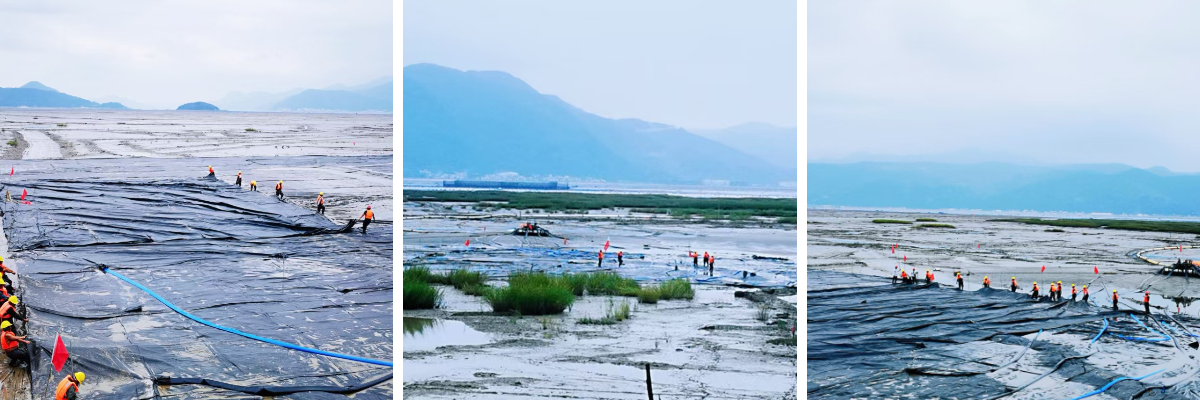
Ongoing Monitoring: Ensuring Dewatering Efficiency and Safety
Once installed, normal monitoring is fundamental to music Dewatering Bags overall performance and tackle problems promptly:
1. Drainage Rate and Water Quality
Check the fee of water drainage from the bags—slower drainage may additionally point out clogging from pleasant sediment. Inspect the drained water for clarity; cloudy water suggests the luggage aren’t trapping sediment effectively, which may additionally require adjusting the feed charge. Collect water samples periodically to take a look at for contaminants, making sure compliance with discharge regulations.
2. Bag Condition and Stability
Inspect the Dewatering Bags for tears, punctures, or seam failures. UV publicity can degrade geotextile cloth over time, so test for signs and symptoms of fading or brittleness. Ensure the luggage continue to be anchored securely—shifts in the baggage can disrupt drainage and purpose sediment leakage. As Erosion Control Tubes, they ought to additionally stop sediment from escaping into surrounding areas.
3. Sediment Level and Volume
Monitor the sediment stage inner the baggage to decide when they’re full. Full luggage will end draining and can also bulge excessively. Keep tune of the variety of stuffed luggage to sketch for elimination and disposal.
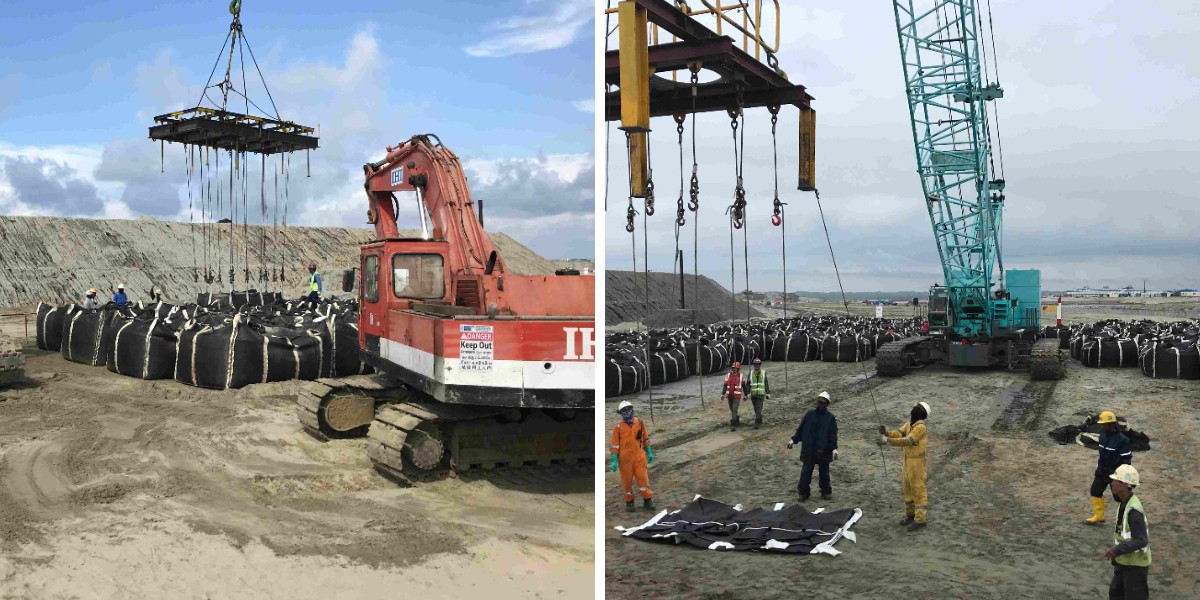
Safe and Effective Dewatering Bag Removal
When Dewatering Bags are full and dewatering is complete, comply with these steps for desirable removal:
1. Preparation for Removal
Turn off the slurry pump and disconnect the feed lines. Allow any closing water to drain from the bags—this may also take quite a few days relying on the bag dimension and sediment type. Ensure the website online is handy for tools (e.g., excavators, trucks) wished for removal.
2. Emptying or Disposing of Sediment
For reusable bags, cautiously reduce open the geotextile fabric and empty the dried sediment. Dispose of the sediment in accordance to neighborhood regulations—some dried sediment can also be appropriate for reuse as fill material. For single-use bags, transport the complete stuffed bag to an accepted disposal facility. As Erosion Control Tubes, make sure no sediment is spilled throughout elimination to keep away from environmental impact.
3. Cleaning and Storage (for Reusable Bags)
If reusing the bags, rinse them absolutely with easy water to take away final sediment. Inspect for damage—repair small tears with geotextile patches. Fold the luggage neatly and shop them in a dry, shaded location away from UV exposure and sharp objects till the subsequent use.
Conclusion: Dewatering Bags—Efficient, Reliable, and Eco-Friendly
Dewatering Bags have revolutionized dewatering and erosion control, supplying a compact, environment friendly choice to typical methods. By following desirable set up (guided by way of a Geotube Installation Guide), diligent monitoring, and protected removal, you can leverage these luggage to simplify dewatering tasks, minimize waste, and defend the environment. Their twin position as Erosion Control Tubes adds similarly value, making them a versatile answer for construction, mining, and environmental projects.
Whether you’re a contractor managing a development web site or an environmental expert treating stormwater, Dewatering Bags supply results. They retailer time, decrease costs, and make certain compliance with strict environmental standards—proving that wonderful dewatering doesn’t have to be complicated. Invest in best Dewatering Bags and observe this information to obtain smooth, profitable dewatering tasks each time.
Contact Us
Company Name: Shandong Chuangwei New Materials Co., LTD
Contact Person :Jaden Sylvan
Contact Number :+86 19305485668
WhatsApp:+86 19305485668
Enterprise Email: cggeosynthetics@gmail.com
Enterprise Address: Entrepreneurship Park, Dayue District, Tai 'an City,
Shandong Province