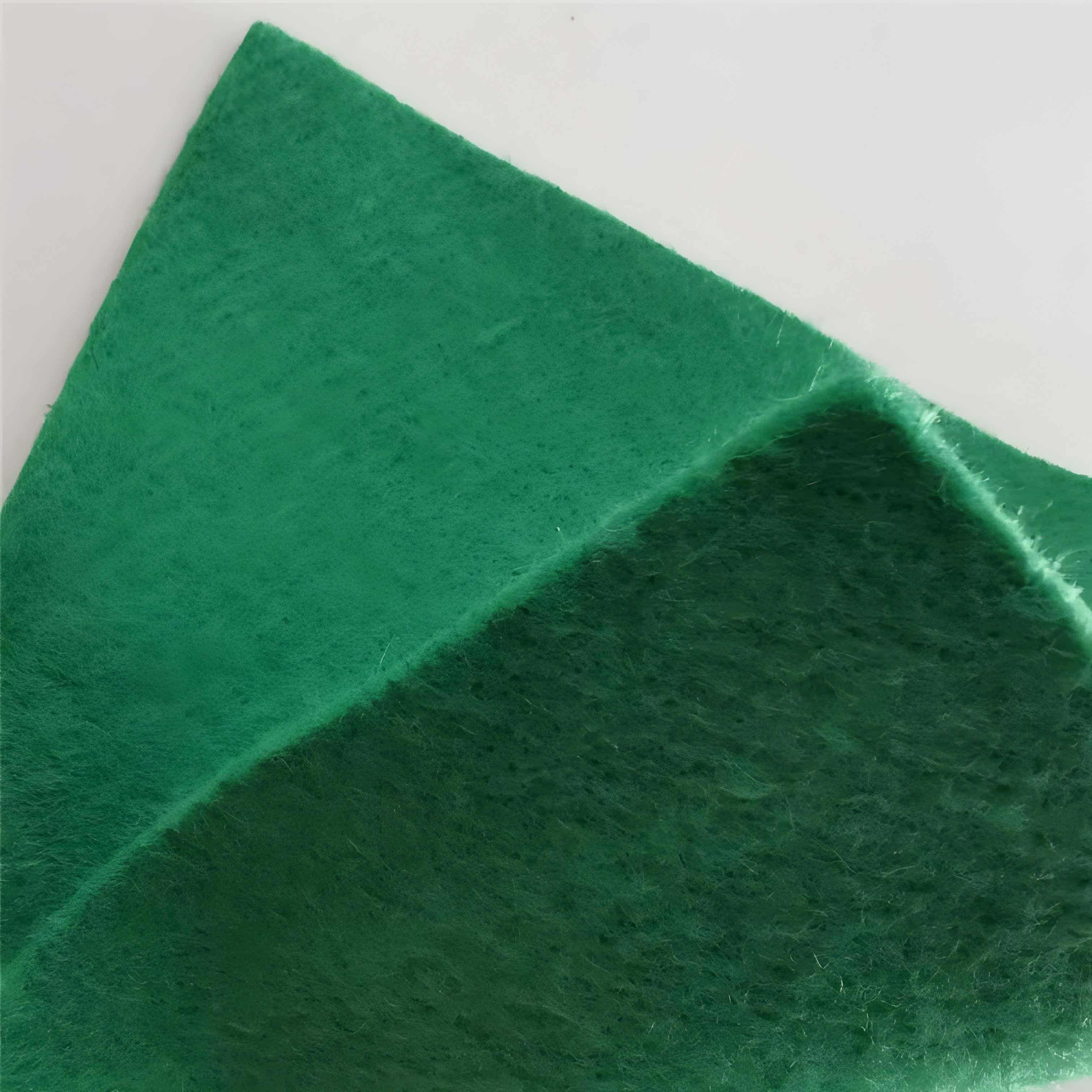
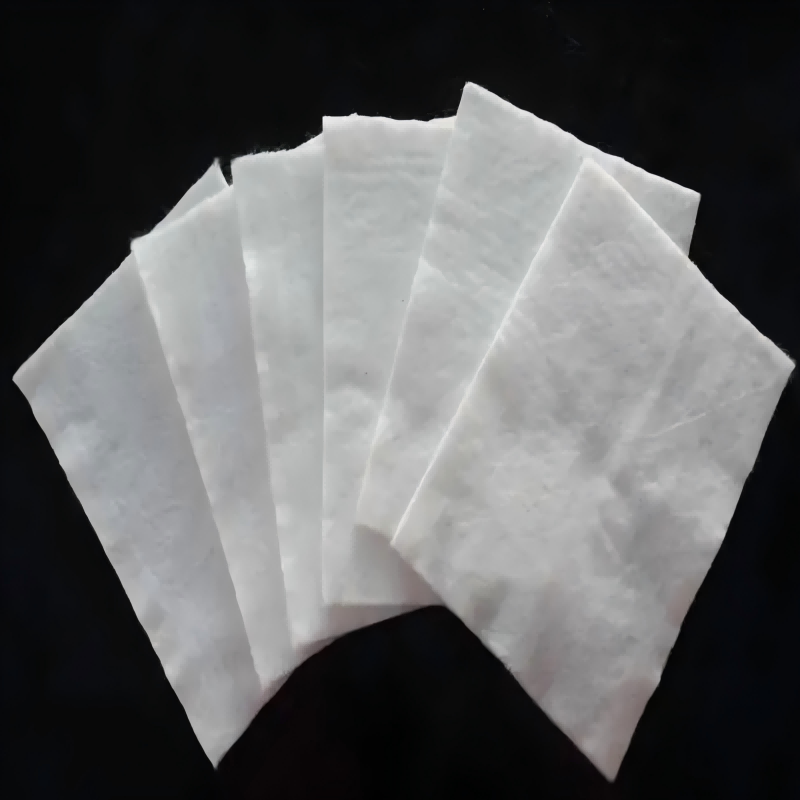
Geotextile Nonwoven Fabric
1. Efficient filtration: It can intercept soil particles, allow water to penetrate smoothly, avoid piping, and ensure the stability of the engineering drainage system.
2. Convenient construction: lightweight texture, simple cutting, high laying efficiency, can shorten the construction period and reduce construction difficulty.
3. Cost economy: Reasonable unit price, long service life, less maintenance, and better overall cost-effectiveness than traditional materials.
4. Green and environmentally friendly: Produced with environmentally friendly raw materials, it can be naturally degraded after disposal, has no pollution to the environment, and meets ecological requirements.
Products Introduction:
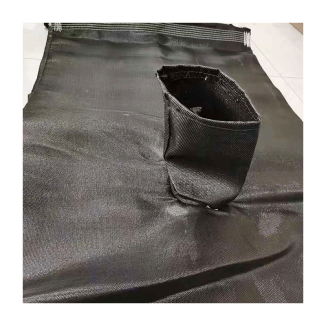
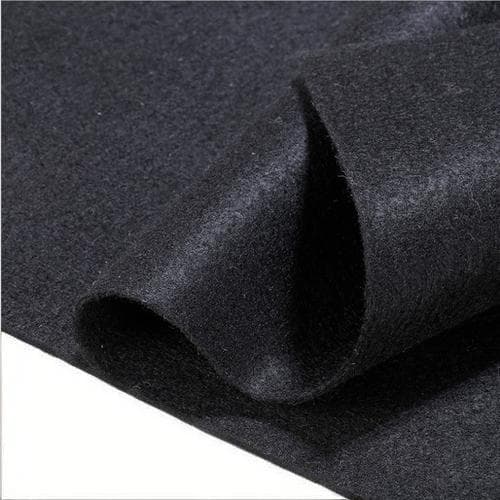
Geotextile nonwoven fabric is a permeable geosynthetic material made from synthetic fibers (such as polyester, polypropylene, etc.) through processes such as needle punching, thermal bonding, or chemical bonding. It does not go through traditional spinning and weaving processes, but directly bonds fibers together through mechanical, thermal, or chemical methods to form a cloth like material with a certain thickness, strength, and porosity. This special manufacturing process endows it with unique properties, making it play an important role in various fields such as civil engineering, water conservancy engineering, environmental engineering, etc.
Product Features:
1. Efficient filtration: With a uniform pore structure, it can effectively intercept soil particles, prevent soil particles from flowing away with water, and ensure smooth water flow, maintaining the normal function of the drainage system and avoiding adverse phenomena such as piping.
2. Excellent drainage: It has a certain degree of permeability and its porous structure can quickly discharge excess water from the soil, reduce the pore water pressure of the soil, and improve the stability of the soil.
3. Excellent tensile strength: Despite its relatively lightweight texture, it exhibits strong resistance when subjected to tension, able to withstand the weight of the soil, external loads, and the tension generated during construction, preventing the material from being pulled apart during use.
4. Good corrosion resistance: The synthetic fibers used have strong acid and alkali resistance, chemical corrosion resistance, and can maintain stable performance in different soil environments and water quality conditions for a long time, extending their service life.
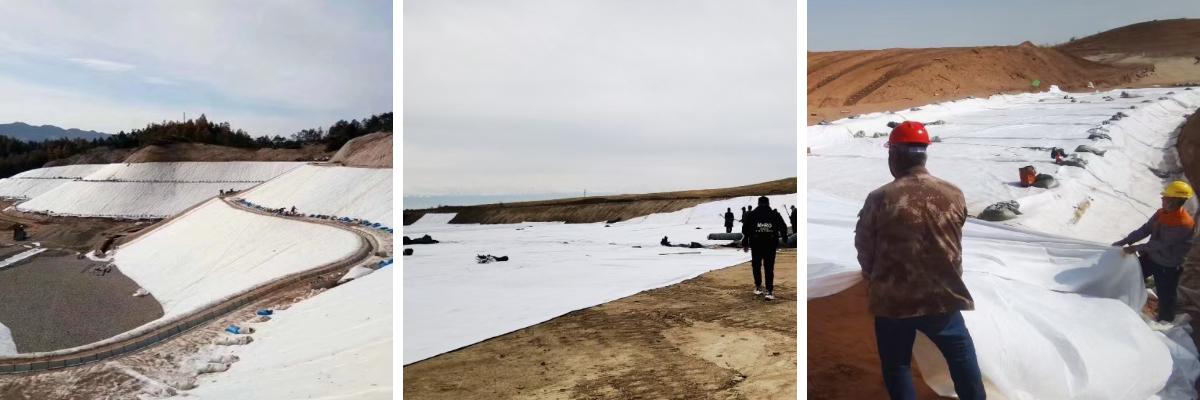
5. Construction convenience: Lightweight texture, relatively light weight, and easy handling; At the same time, the cutting is simple and can be quickly cut into the required size and shape according to the actual needs of the project. The laying efficiency is high, which can effectively shorten the construction period and reduce the construction difficulty.
6. Cost economy: The unit price is reasonable, and due to its long service life, it does not require frequent replacement and maintenance during use, greatly reducing later operating costs. Its comprehensive cost-effectiveness is better than many traditional geotechnical materials.
7. Green and environmentally friendly: produced using environmentally friendly raw materials, with minimal pollution to the environment during the production process; At the same time, the product can gradually degrade in the natural environment after being discarded, without causing long-term pollution to the environment, which meets the environmental protection requirements of modern engineering construction.
Product Parameters:
project | metric | ||||||||||
Nominal strength/(kN/m) | |||||||||||
6 | 9 | 12 | 18 | 24 | 30 | 36 | 48 | 54 | |||
1 | Longitudinal and transverse tensile strength / (kN/m) ≥ | 6 | 9 | 12 | 18 | 24 | 30 | 36 | 48 | 54 | |
2 | Maximum elongation at maximum load in longitudinal and transverse directions/% | 30~80 | |||||||||
3 | CBR top penetration strength /kN ≥ | 0.9 | 1.6 | 1.9 | 2.9 | 3.9 | 5.3 | 6.4 | 7.9 | 8.5 | |
4 | Longitudinal and transverse tearing strength /kN | 0.15 | 0.22 | 0.29 | 0.43 | 0.57 | 0.71 | 0.83 | 1.1 | 1.25 | |
5 | Equivalent aperture O.90(O95)/mm | 0.05~0.30 | |||||||||
6 | Vertical permeability coefficient/(cm/s) | K× (10-¹~10-), where K=1.0~9.9 | |||||||||
7 | Width deviation rate /% ≥ | -0.5 | |||||||||
8 | Unit area mass deviation rate /% ≥ | -5 | |||||||||
9 | Thickness deviation rate /% ≥ | -10 | |||||||||
10 | Thickness coefficient of variation (CV)/% ≤ | 10 | |||||||||
11 | Dynamic perforation | Puncture hole diameter/mm ≤ | 37 | 33 | 27 | 20 | 17 | 14 | 11 | 9 | 7 |
12 | Longitudinal and transverse fracture strength (grab method)/kN ≥ | 0.3 | 0.5 | 0.7 | 1.1 | 1.4 | 1.9 | 2.4 | 3 | 3.5 | |
13 | Ultraviolet resistance (Xenon arc lamp method) | Longitudinal and transverse strength retention rate% ≥ | 70 | ||||||||
14 | Ultraviolet resistance (fluorescence UV lamp method) | Longitudinal and transverse strength retention rate% ≥ | 80 | ||||||||
Product Applications:
1. In the field of civil engineering: In road construction, it can be laid between the roadbed and the pavement to filter, drain, and isolate, prevent the mixing of roadbed soil and pavement materials, and improve the stability and service life of the road; In railway construction, it is used for reinforcing and draining the railway subgrade, reducing subgrade settlement, and ensuring railway traffic safety.
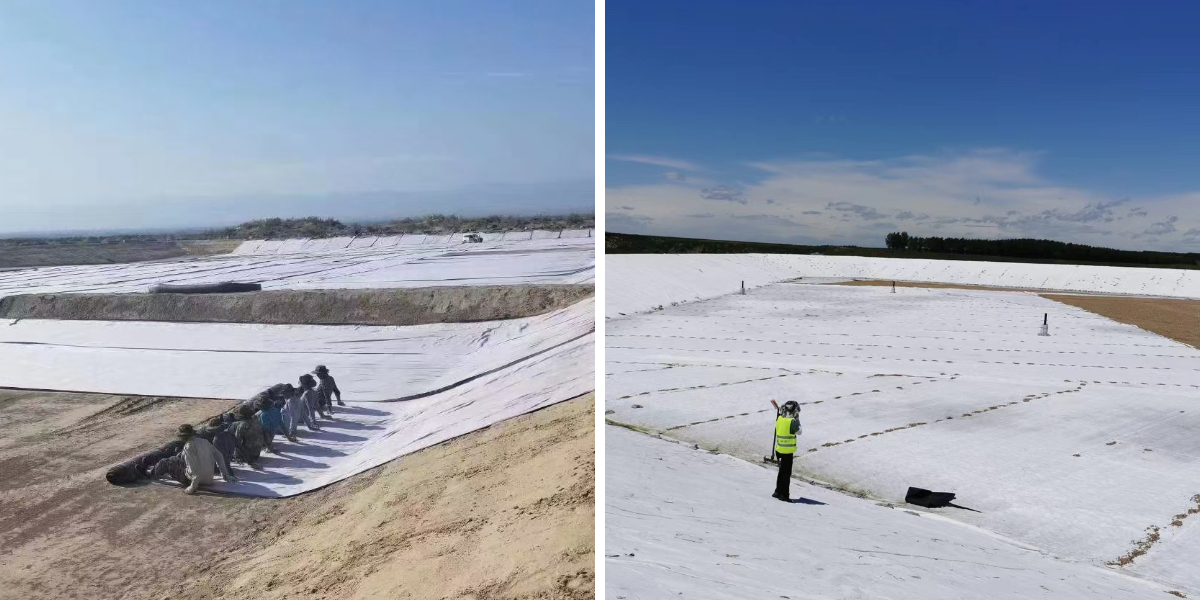
2. In the field of hydraulic engineering: In dam construction, it can be used as an auxiliary material for the anti filter layer and anti-seepage layer to prevent the dam fill from being washed away by water flow, while discharging the seepage in the dam body, improving the anti-seepage performance and stability of the dam; In river regulation, it is used for the protection and drainage of river slopes, reducing soil erosion, and protecting the ecological environment of the river.
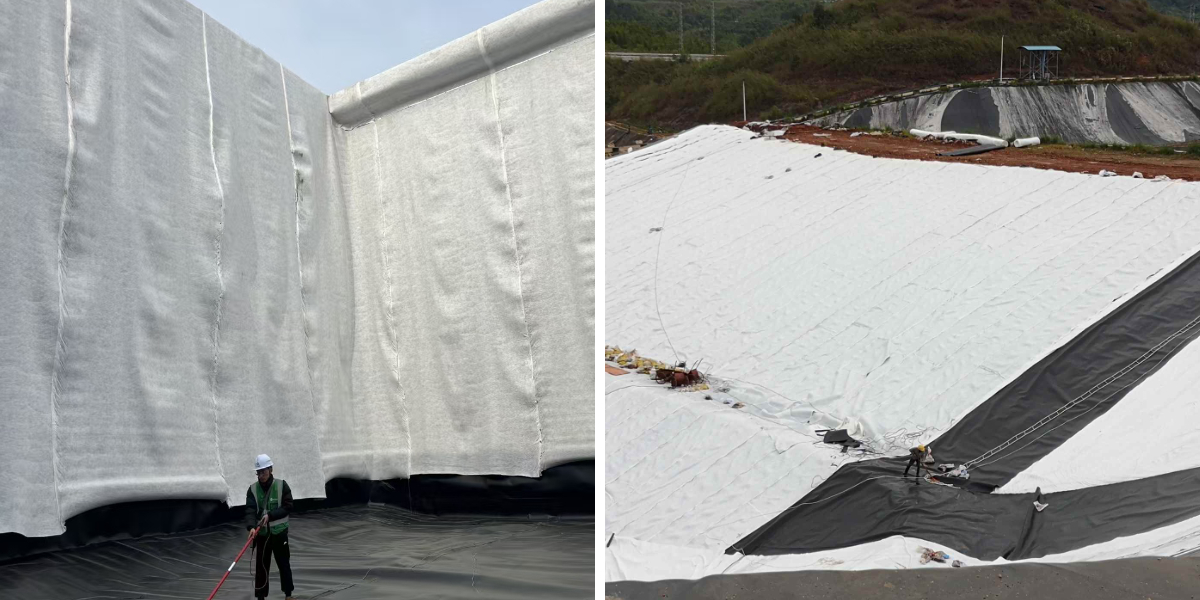
3. In the field of environmental engineering: used in the construction of landfill sites for anti-seepage and drainage systems, to prevent soil and groundwater pollution caused by leachate from garbage, and to timely discharge leachate to ensure the safe operation of landfills; In the construction of sewage treatment plants, it is used for sludge treatment and sewage filtration.
4. In the field of agricultural engineering, it can be used for anti-seepage and drainage of channels in agricultural irrigation systems, improving the efficiency of water resource utilization; In soil and water conservation engineering, it is laid on slopes to prevent soil erosion and promote vegetation growth.
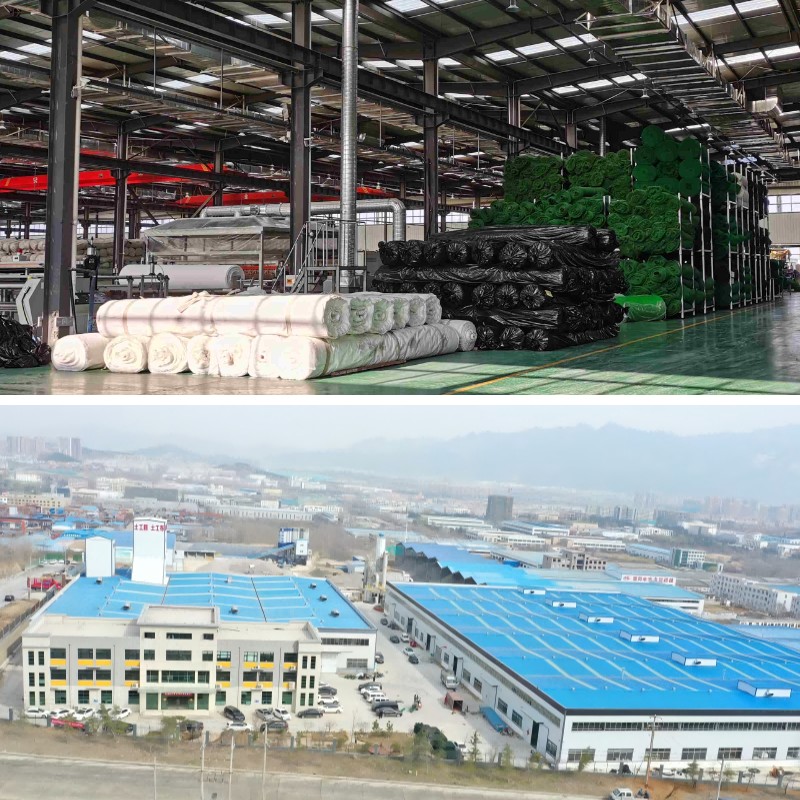
Geotextile nonwoven fabric, as a high-performance geosynthetic material, has been widely used in various fields such as civil engineering, water conservancy engineering, environmental engineering, and agricultural engineering due to its advantages of efficient filtration, excellent drainage, outstanding tensile strength, good corrosion resistance, convenient construction, cost-effectiveness, and green environmental protection. It can not only improve the quality and stability of engineering, extend the service life of engineering, but also reduce the construction and operation costs of engineering, which is in line with the environmental protection concept of modern engineering construction. With the continuous development of various engineering constructions, the application prospects of Geotextile Nonwoven Fabric will become even broader.