Geosynthetic Textile
1. Enhance engineering stability: It can effectively disperse soil stress, improve foundation bearing capacity, reduce settlement deformation, and significantly extend the service life of structures in roads, dams, and other engineering projects.
2. Excellent filtration and drainage performance: allowing smooth water flow and infiltration, while intercepting soil particles, avoiding soil erosion, maintaining water and soil balance around engineering structures, especially suitable for water conservancy and environmental protection projects.
3. Reduce construction costs and lead time: Lightweight, easy to transport, simple and efficient construction and laying, can reduce the use of traditional materials and labor input, and accelerate project progress.
4. Strong weather resistance and durability: It has characteristics such as UV resistance, corrosion resistance, and biological erosion resistance, and can maintain good performance in various harsh environments, reducing maintenance costs in the later stage.
Products Introduction:
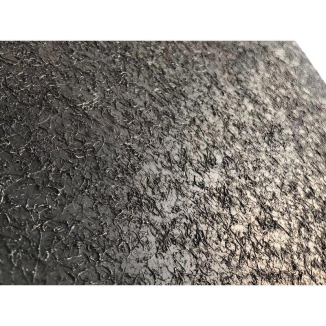
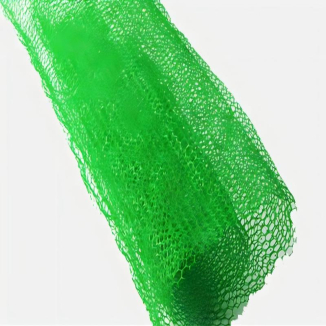
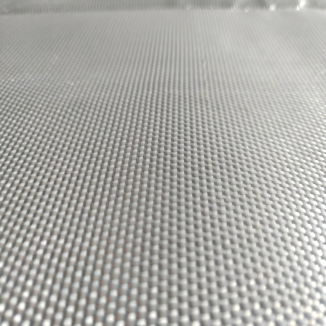
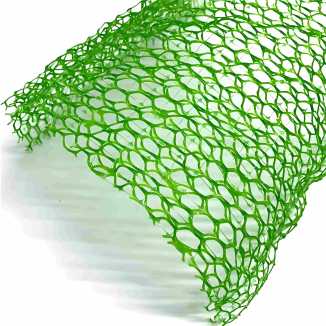
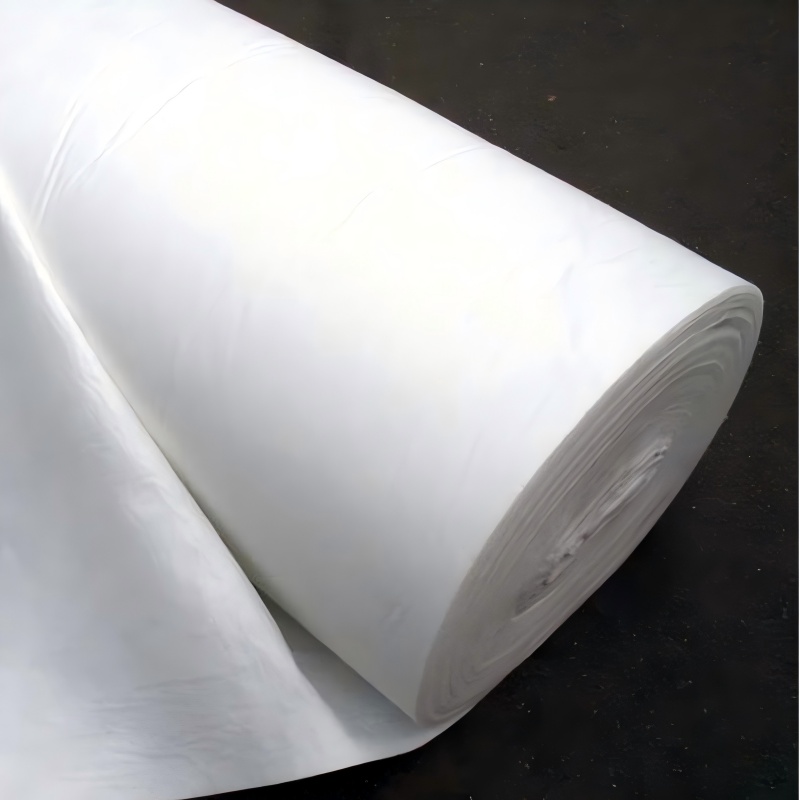
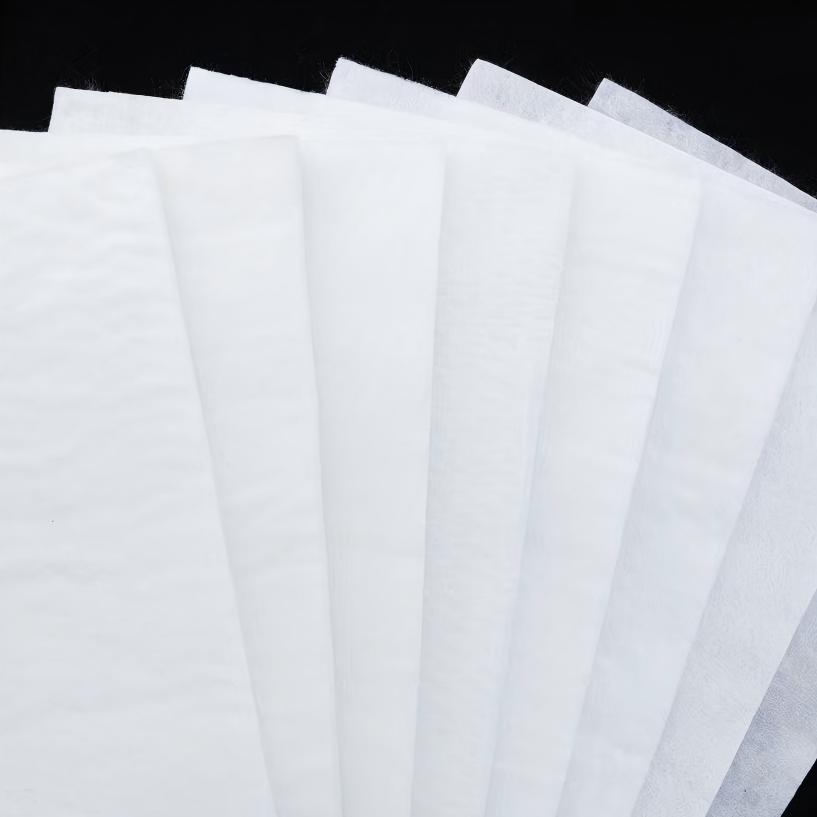
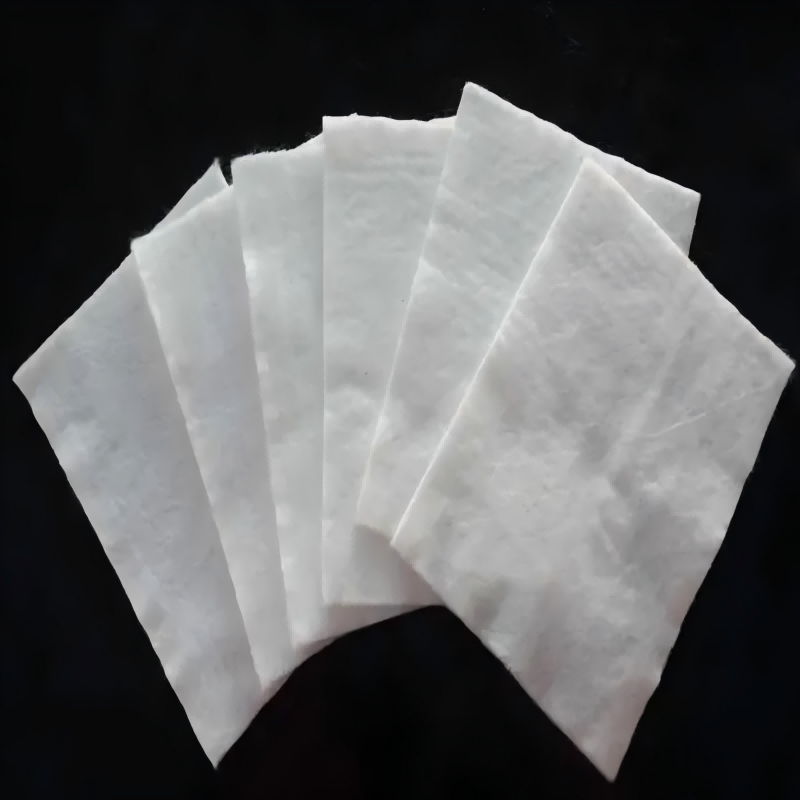
Geosynthetic Textile is a new type of engineering material made from high molecular weight polymers through special processing techniques. It breaks the limitations of traditional civil engineering materials relying on natural sand, gravel, and clay. Through scientific material design and structural optimization, it achieves efficient regulation of natural environments such as soil and water bodies, and has become one of the key materials in modern civil engineering, water conservancy engineering, environmental protection engineering, and other fields. It has various forms, including needle punched non-woven fabric, woven geotextile, composite geotextile, etc., and can be selected according to different engineering needs.
Product Features:
1. Outstanding structural stability: The internal fibers or warp and weft structures are evenly distributed, forming a stable mechanical support system. When subjected to soil pressure, the synergistic effect between fibers can disperse stress and avoid structural damage caused by excessive local stress, which is the core foundation for enhancing engineering stability.
2. Multi functional integration: integrating functions such as filtering, drainage, isolation, and reinforcement. The precision of soil particle interception can be accurately controlled during filtration, and efficient water channels can be formed through pores during drainage. The isolation function can prevent the mixing of materials with different particle sizes, meeting the demand of "one material for multiple uses" in engineering.
3. Excellent material properties: Made of weather resistant polymer materials, it has stable performance in the temperature range of -40 ℃ to 80 ℃, and also has the ability to resist acid and alkali corrosion and microbial decomposition. Even if exposed to outdoor environments or in contact with sewage, saline alkali soil and other environments for a long time, its service life can still reach more than 20 years.
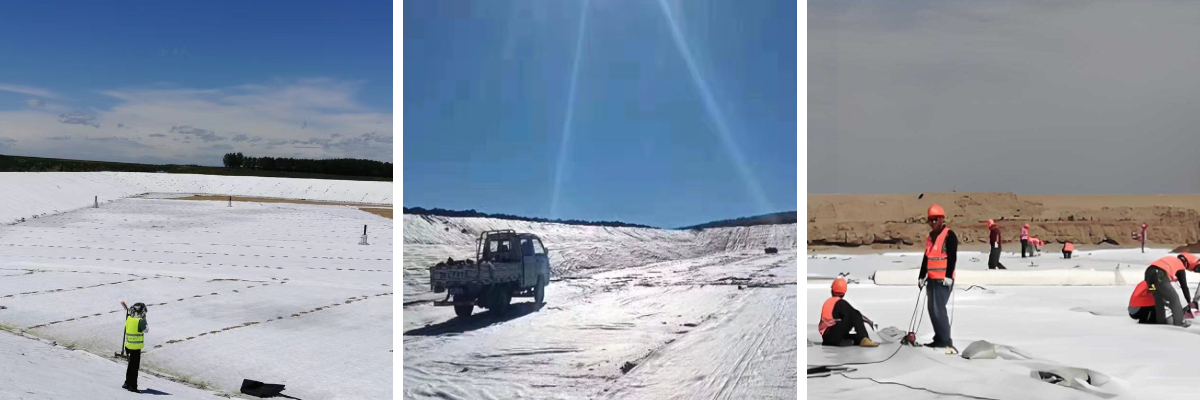
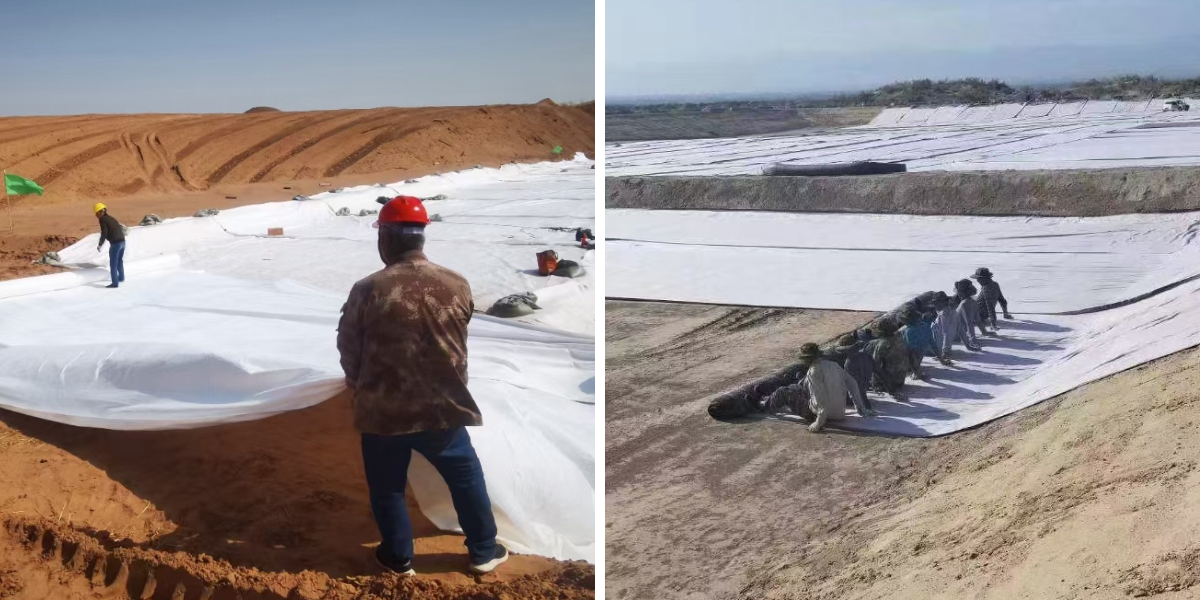
4. Strong adaptability to construction: lightweight texture, usually weighing between 100-600 grams per square meter, can be rolled and stored during transportation, saving space; Laying can be completed without the need for complex machinery, manual labor, or small equipment, and can be flexibly cut according to project dimensions to adapt to irregular construction sites.
Product Parameters:
project | metric | ||||||||||
Nominal strength/(kN/m) | |||||||||||
6 | 9 | 12 | 18 | 24 | 30 | 36 | 48 | 54 | |||
1 | Longitudinal and transverse tensile strength / (kN/m) ≥ | 6 | 9 | 12 | 18 | 24 | 30 | 36 | 48 | 54 | |
2 | Maximum elongation at maximum load in longitudinal and transverse directions/% | 30~80 | |||||||||
3 | CBR top penetration strength /kN ≥ | 0.9 | 1.6 | 1.9 | 2.9 | 3.9 | 5.3 | 6.4 | 7.9 | 8.5 | |
4 | Longitudinal and transverse tearing strength /kN | 0.15 | 0.22 | 0.29 | 0.43 | 0.57 | 0.71 | 0.83 | 1.1 | 1.25 | |
5 | Equivalent aperture O.90(O95)/mm | 0.05~0.30 | |||||||||
6 | Vertical permeability coefficient/(cm/s) | K× (10-¹~10-), where K=1.0~9.9 | |||||||||
7 | Width deviation rate /% ≥ | -0.5 | |||||||||
8 | Unit area mass deviation rate /% ≥ | -5 | |||||||||
9 | Thickness deviation rate /% ≥ | -10 | |||||||||
10 | Thickness coefficient of variation (CV)/% ≤ | 10 | |||||||||
11 | Dynamic perforation | Puncture hole diameter/mm ≤ | 37 | 33 | 27 | 20 | 17 | 14 | 11 | 9 | 7 |
12 | Longitudinal and transverse fracture strength (grab method)/kN ≥ | 0.3 | 0.5 | 0.7 | 1.1 | 1.4 | 1.9 | 2.4 | 3 | 3.5 | |
13 | Ultraviolet resistance (Xenon arc lamp method) | Longitudinal and transverse strength retention rate% ≥ | 70 | ||||||||
14 | Ultraviolet resistance (fluorescence UV lamp method) | Longitudinal and transverse strength retention rate% ≥ | 80 | ||||||||
Product Applications:
1. In the field of civil engineering: In road construction, laying between the roadbed and the pavement can reduce roadbed settlement and extend the service life of the pavement; In railway engineering, it is used for reinforcing the track base and reducing the risk of track deformation; In the treatment of building foundations, it can enhance the bearing capacity of weak foundations and ensure the safety of building structures.
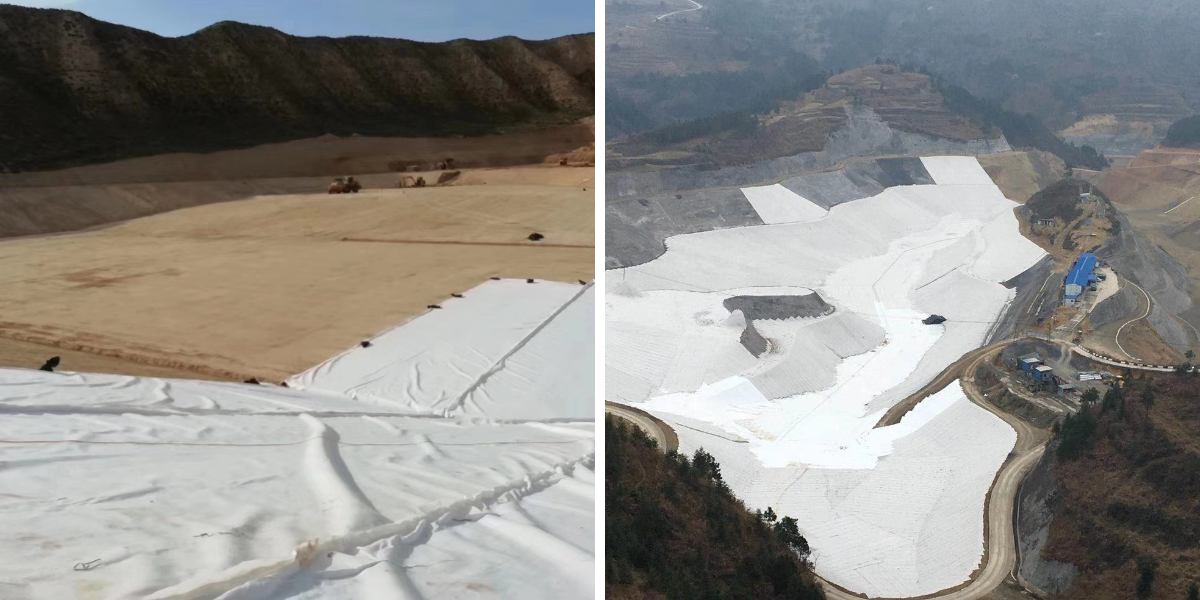
2. Water conservancy and waterway engineering: In dam construction, as an anti filter layer, it is laid between the dam body and the foundation to prevent the fill soil of the dam body from being carried away by seepage; During river regulation, it is used for riverbank protection, which can not only prevent drainage and erosion, but also protect the soil on the riverbank; In port engineering, it can be used as a reinforcement material for the yard foundation to enhance the stability of the foundation.
3. Environmental Protection and Ecological Engineering: In landfills, it is used for filtering between the anti-seepage layer and the drainage layer to prevent soil and groundwater pollution caused by leachate; In ecological restoration projects, laying on the surface of slopes, combined with vegetation planting, can not only solidify soil and prevent loss, but also provide a stable environment for plant growth; In sewage treatment engineering, it is used as a filtering material to separate solid impurities from sewage.
4. Mining and Energy Engineering: In the construction of mine tailings dams, it is used for dam reinforcement and drainage to reduce the risk of dam failure; When laying oil and gas pipelines, wrap them around the pipeline to reduce soil corrosion and compression, and protect pipeline safety.
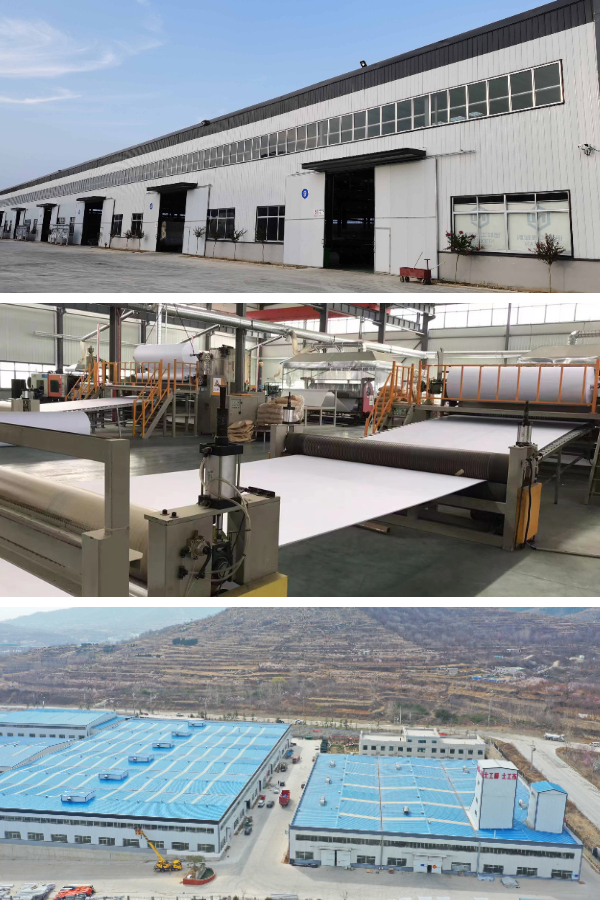
Geosynthetic Textile, with its unique material properties and multifunctional advantages, has completely changed the construction logic of traditional engineering. It replaces the limitations of traditional materials such as sand, gravel, and linen with the technological properties of polymer materials, and performs excellently in enhancing engineering stability, improving construction efficiency, and reducing overall costs. From urban roads to water conservancy dams, from environmental protection projects to mining engineering, its wide range of application scenarios confirms the engineering wisdom of "using softness to overcome hardness" - through the scientific design of materials, it achieves efficient regulation of the natural environment and long-term guarantee of engineering safety. As the "invisible guardian" of modern engineering construction, it not only promotes the progress of engineering technology, but also plays an irreplaceable role in ecological protection and sustainable development.