Geotextile Bag
1.Efficient Construction & Cost Savings:Direct pumping of mortar/concrete eliminates formwork, improving efficiency by 3-5x.Deployable in challenging terrains (underwater, steep slopes, etc.).
2.High Erosion Resistance:Woven geotextile with tensile strength ≥50 kN/m, withstands water flow ≥3 m/s.
3.Permeability & Soil Retention:Effective drainage (AOS ≤0.1mm) while preventing filler loss.
4.Durability:UV-resistant, chemical-tolerant (pH 2-12), service life >30 years.
Product Introduction:
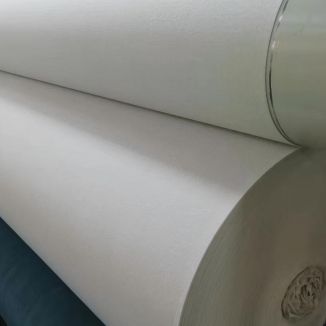
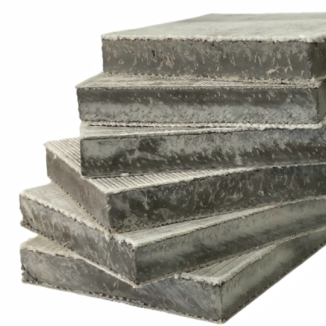
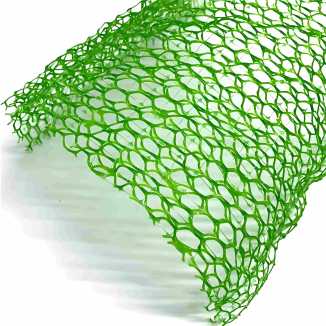
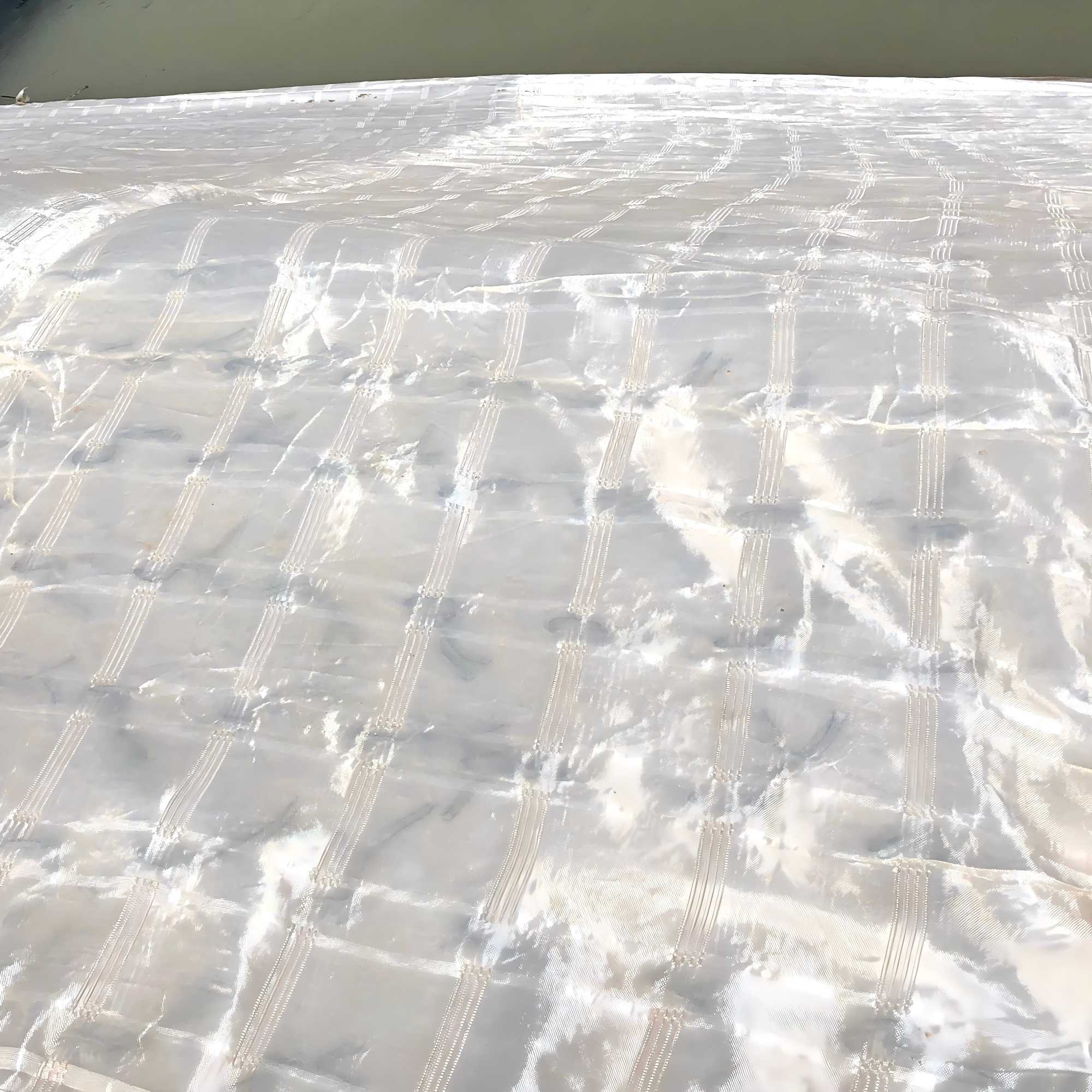
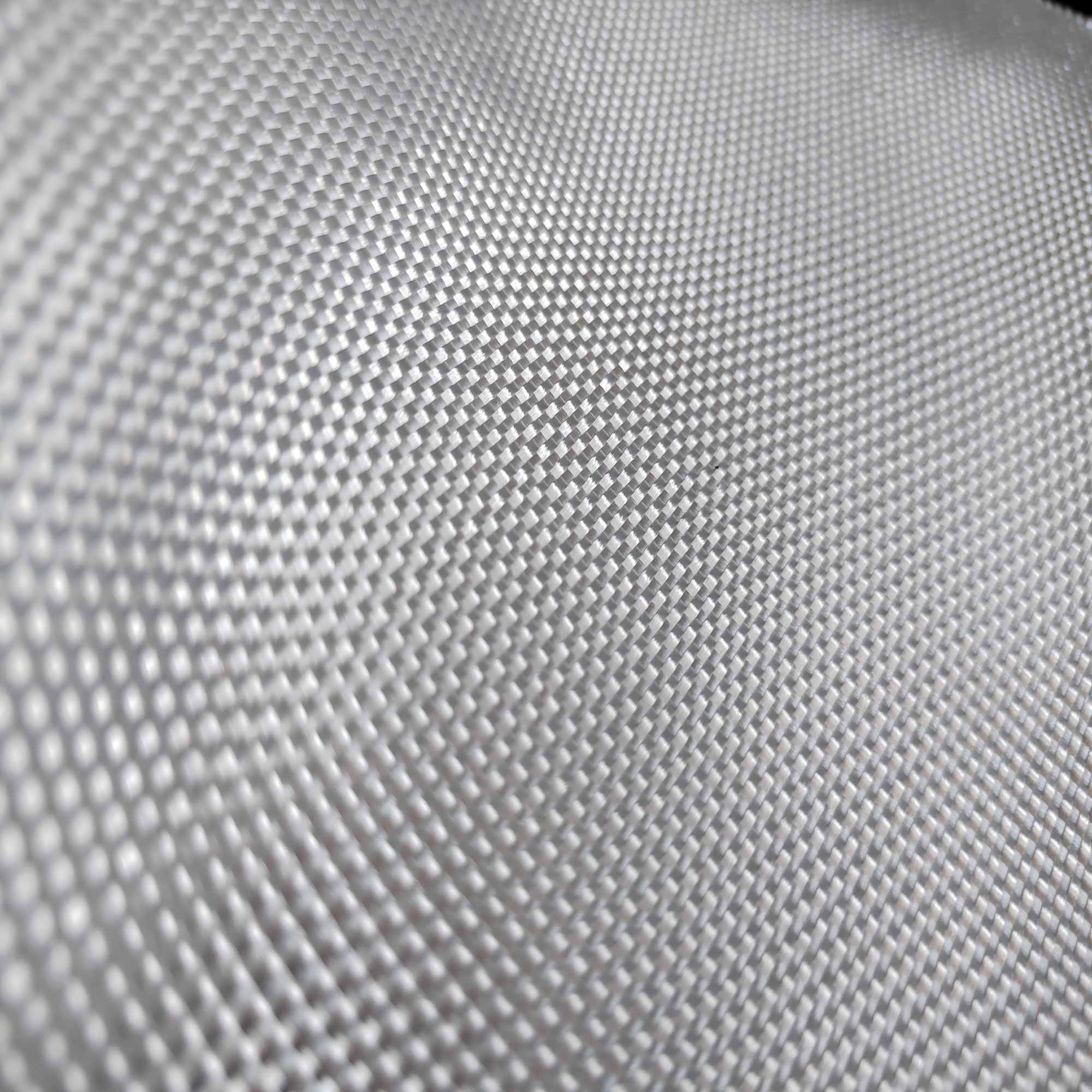
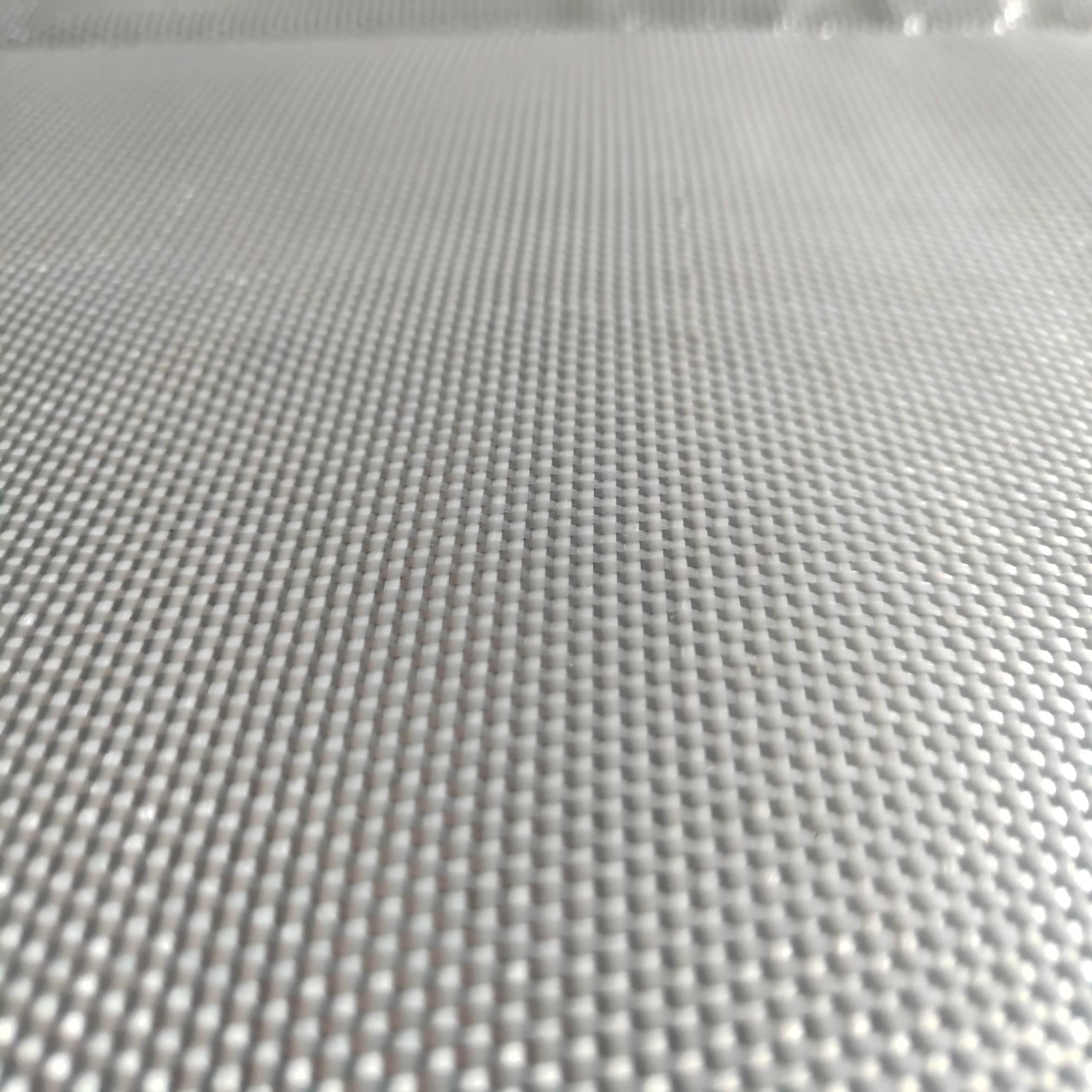
Geotextile Bag are double-layered bag-like materials made of high-strength, corrosion-resistant synthetic fiber geotextiles, specifically designed for slope protection, river management, and water conservancy projects. During construction, empty bags are first laid and fixed onto the slope according to design requirements. Then, concrete or mortar is filled into the bags using a specialized pump, causing them to expand evenly and adhere tightly to the slope, forming a rigid protective layer of uniform thickness and high integrity. It requires no on-site formwork and can be constructed directly on slopes, underwater, or in humid environments. It effectively resists water erosion, prevents slope collapse and soil loss, and features fast construction speed, strong adaptability, good durability, and excellent seepage and crack resistance. It is widely used in riverbank protection, reservoir slope protection, seawall reinforcement, and ditch lining projects.
Product Parameters:
| project | metric | |||||||||||||
| Nominal strength/(kN/m) | ||||||||||||||
| 35 | 50 | 65 | 80 | 100 | 120 | 140 | 160 | 180 | 200 | 250 | ||||
| 1 Tensile strength per (kN/m) ≥ | 35 | 50 | 65 | 80 | 100 | 120 | 140 | 160 | 180 | 200 | 250 | |||
| 2. Weft tensile strength / (kN/m) ≥ | After tensile strength is multiplied by 0.7 | |||||||||||||
| 3 | Maximum elongation at maximum load/% | warp direction ≤ | 35 | |||||||||||
| broadwise ≤ | 30 | |||||||||||||
| 4 | Top penetration force /kN is greater than or equal to | 2 | 4 | 6 | 8 | 10.5 | 13 | 15.5 | 18 | 20.5 | 23 | 28 | ||
| 5 | Equivalent aperture O90 (O95)/mm | 0.05~0.50 | ||||||||||||
| 6 | Vertical permeability coefficient/(cm/s) | K× (10⁵~102) where: K=1.0~9.9 | ||||||||||||
| 7 | Width deviation rate /% ≥ | -1 | ||||||||||||
| 8 | Tear strength in both directions /kN ≥ | 0.4 | 0.7 | 1 | 1.2 | 1.4 | 1.6 | 1.8 | 1.9 | 2.1 | 2.3 | 2.7 | ||
| 9 | Unit area mass deviation rate /% ≥ | -5 | ||||||||||||
| 10 | Length and width deviation rate/% | ±2 | ||||||||||||
| 11 | Joint/seam strength a/(kN/m) ≥ | Nominal strength x 0.5 | ||||||||||||
| 12 | Anti-acid and alkali properties (strong retention of warp and weft Rate) a /% ≥ | Polypropylene: 90; other fibers: 80 | ||||||||||||
| 13 | Ultraviolet resistance (Xenon arc lamp method) b | The strength retention rate in both directions is /%≥ | 90 | |||||||||||
| 14 | Ultraviolet resistance (fluorescencePhotometric ultraviolet lamp method) | The strength retention rate in both directions is /%≥ | 90 | |||||||||||
Product Applications:
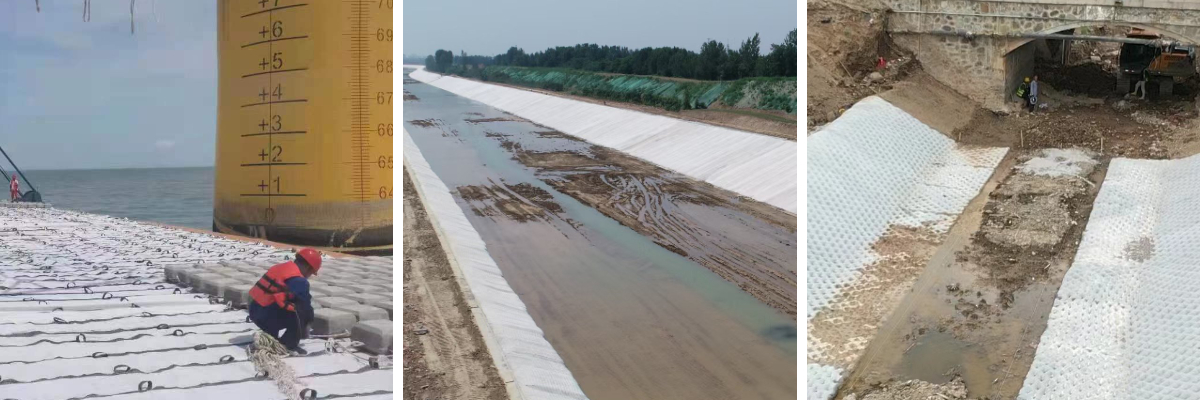
1. River and Lake Slope Protection: Primarily used for slope protection in various rivers, lakes, and reservoirs. Its core function is to resist continuous erosion by river and lake water, effectively preventing slope collapse and erosion. It can directly replace traditional masonry and cast-in-place concrete slope protection methods, offering convenient construction and stable protection effects. It can adapt to slopes of varying gradients, balancing protective performance with construction efficiency.
2. Seawall and Riverbank Protection: Widely used in the protection of river and sea dikes, focusing on the water-facing side of the dike. It effectively resists the impact of wind and waves and water erosion, providing overall protection and reinforcement of the dike slope. This reduces damage and seepage caused by long-term erosion from water flow and waves, lowering the risk of dike collapse and ensuring dike safety.
3. Reservoir Engineering: Applied to upstream and downstream slope protection, bank restoration, and dam toe scour protection of reservoir dams. It prevents water erosion of dam slopes, avoiding erosion damage and landslides, and also restores the banks, reducing the impact of bank collapses on reservoir operation. Simultaneously, it protects the dam toe from water erosion, ensuring the overall safe and stable operation of the reservoir.
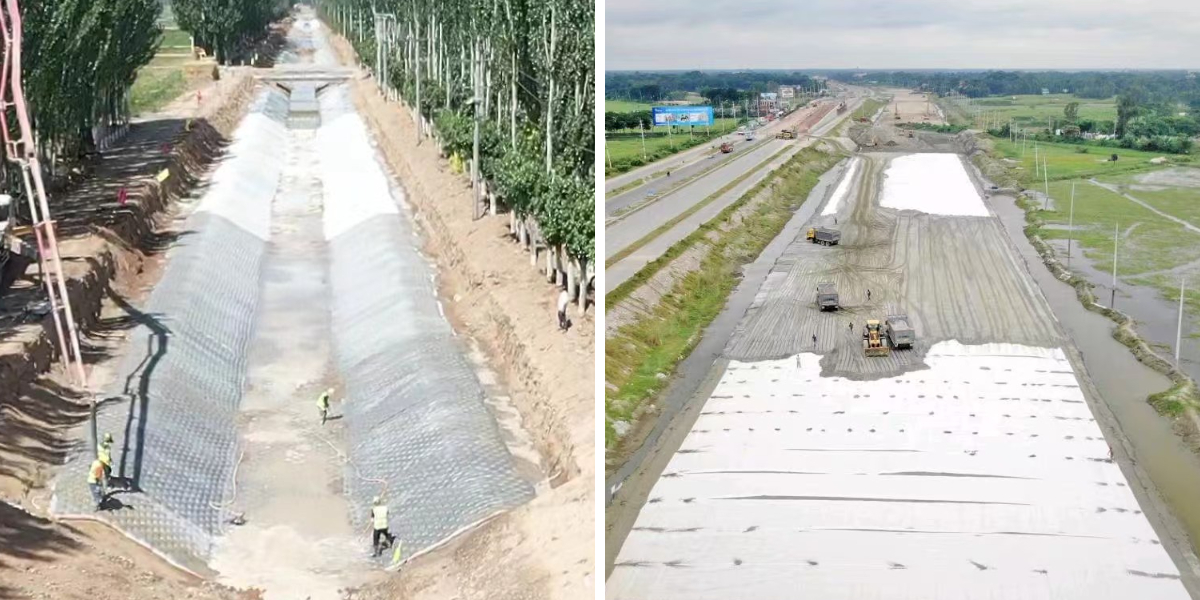
4. Canal Lining and Seepage Prevention: Used for lining the slopes and bottoms of various irrigation and water diversion channels. It effectively prevents water leakage, reducing water waste and ensuring irrigation and water diversion efficiency. Furthermore, it resists water erosion of the canal slopes and bottom, preventing channel damage, and accommodates slight foundation deformation, reducing lining cracking caused by foundation settlement.
5. Cofferdams and Diversion Projects: As temporary water-retaining facilities, they can be used for the construction of temporary cofferdams and diversion dikes, as well as for damming and interception operations. They offer the advantage of direct underwater construction, eliminating the need for complex cofferdam drainage procedures. After material injection, they can quickly form a solid structure, effectively blocking water flow and creating a dry and safe working environment for river and water conservancy facility construction, thus accelerating construction progress.
6. Soft Soil Foundation Protection: Primarily used for the protection of the foundation of river gates, around bridge piers, and stilling basins. For these areas susceptible to localized erosion, they effectively prevent water flow from eroding the foundation, avoiding tilting and damage to gate foundations and bridge piers due to foundation erosion. They also protect the bottom of stilling basins from erosion damage, ensuring the stable operation of related water conservancy facilities.
7. Ecological Water Conservancy Restoration: Applicable to the protection of ecological slopes, artificial water systems, and landscape rivers. While providing erosion and collapse prevention, it can also be adapted to ecological greening slope protection needs, without damaging the surrounding ecological environment. It balances protective performance with ecological landscape effects, contributing to the construction of ecological water conservancy projects.
8. Pumping Station and Sluice Gate Support: Used for erosion protection of the inlet and outlet channels of pumping stations, the upstream and downstream slopes of sluice gates, and revetments. It resists the impact force generated by water flow during pumping station operation and sluice gate opening and closing, preventing water flow from eroding and damaging the inlet and outlet channels and the slopes and revetments around the sluice gates, ensuring the normal operation of pumping stations and sluice gates, and extending the service life of the facilities.
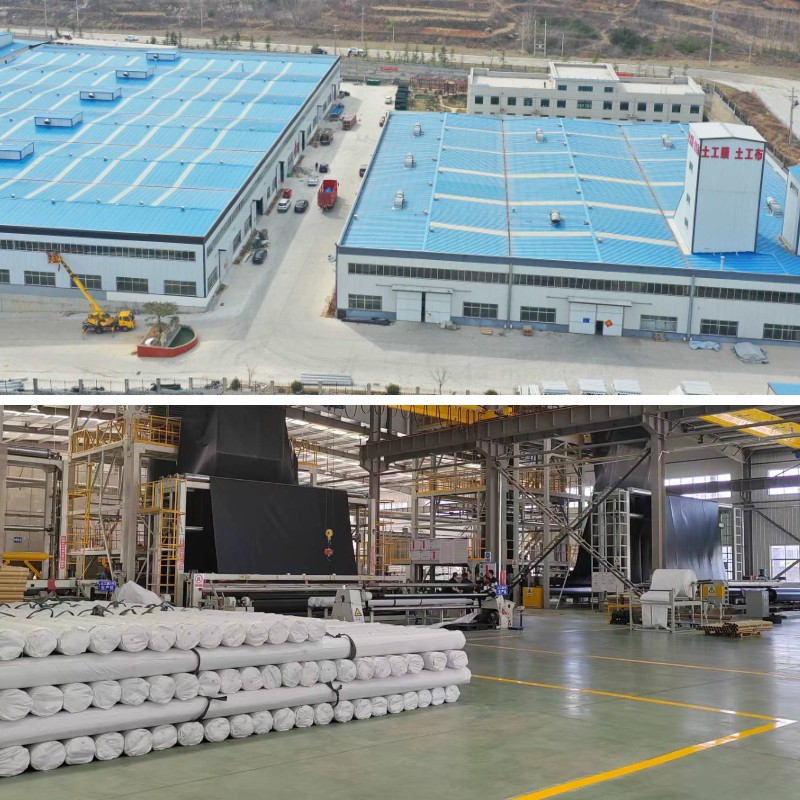
In summary, geomembrane bags are widely used in many core aspects of water conservancy projects, covering a wide range of scenarios such as slope protection, embankment reinforcement, seepage prevention lining, temporary water retention, foundation protection, and ecological restoration. With advantages such as convenient construction, stable protection, and strong adaptability, they effectively solve common problems in water conservancy projects such as water erosion, leakage, and foundation scouring, providing strong protection for the safe and stable operation of various water conservancy facilities. They are an indispensable and important protective material in water conservancy project construction.