Welding Best Practices for HDPE Geomembrane Field Construction
1. Introduction: Why Proper Welding Matters for HDPE Geomembrane Construction
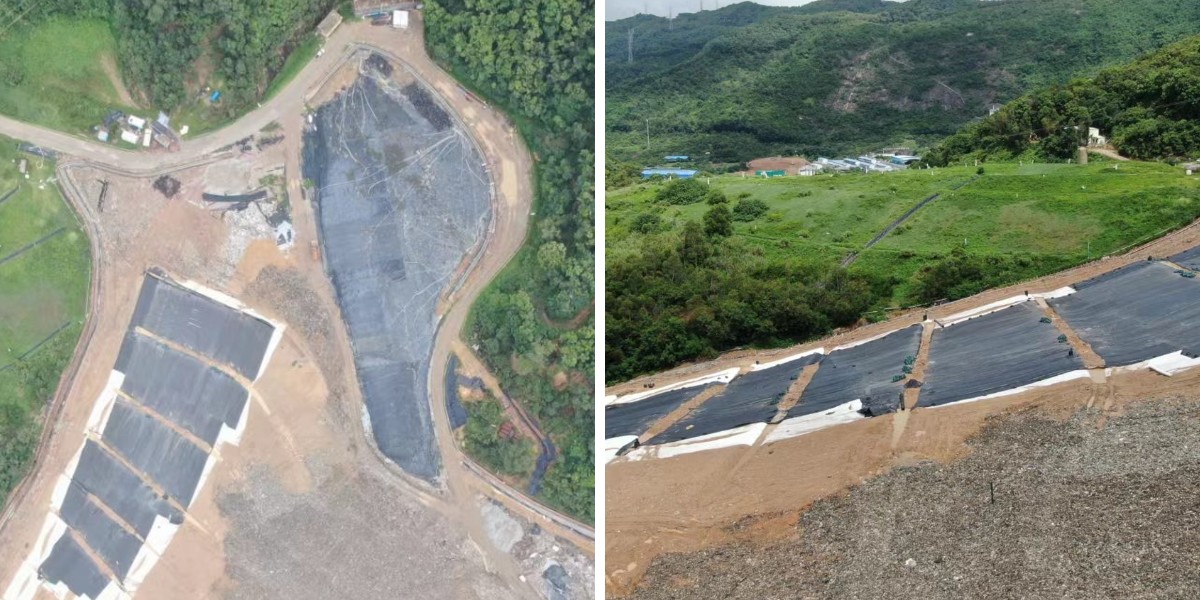
High-quality welding is the core of durable and leak-proof HDPE Geomembrane field construction. As a key anti-seepage material, HDPE Geomembrane is widely used in landfills, water conservancy projects, mining containment, and environmental protection facilities. The service life and anti-seepage performance of HDPE Liner completely depend on the integrity of field welding seams, making standardized welding practices indispensable for every project.
A poorly welded Geomembrane Liner will cause hidden leakage risks, material aging acceleration, and overall project failure. Adopting scientific and standardized welding best practices can maximize the structural stability of HDPE Geomembrane, ensure seamless fusion between sheets, and maintain the long-term anti-seepage effect of HDPE Liner in complex field environments.
2. Pre-Welding Preparation Best Practices for HDPE Geomembrane
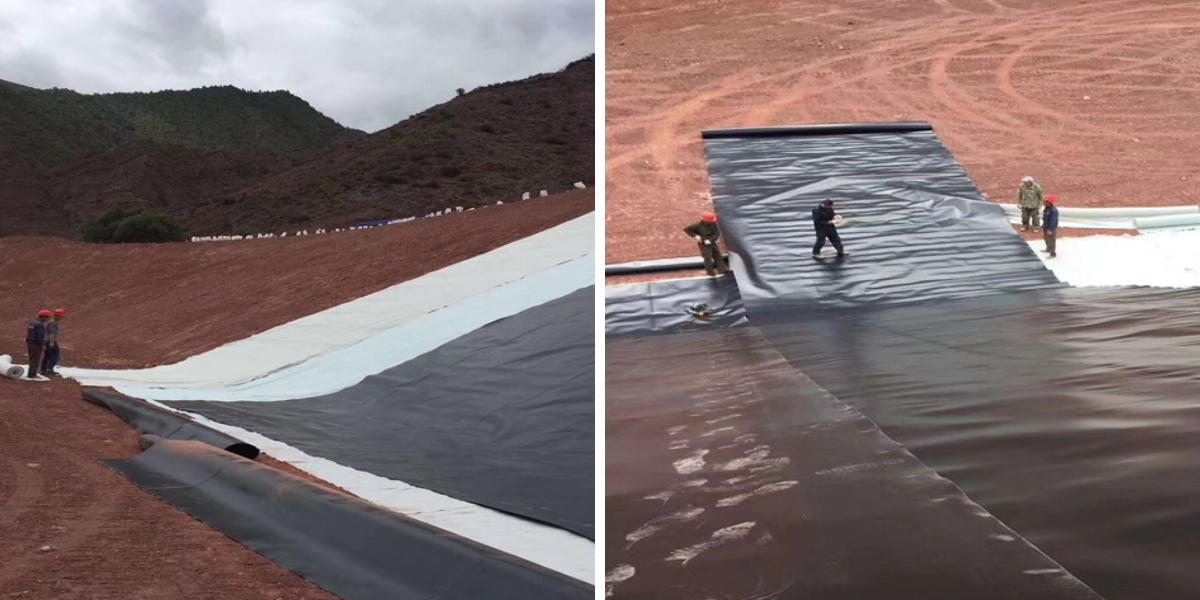
Complete pre-welding preparation lays a solid foundation for high-quality Geomembrane Liner welding, eliminating most common welding defects in advance. Every detail in this stage directly affects the fusion effect of HDPE Geomembrane sheets and the sealing performance of HDPE Liner systems.
2.1 Site and Surface Cleaning
Before welding HDPE Geomembrane, thoroughly clean the overlapping areas of all sheets. Remove dust, debris, oil stains, moisture, and sharp particles on the surface to ensure a dry, smooth, and clean welding base. Contaminants on the surface will hinder molecular fusion of HDPE materials, leading to weak seams and peeling of the Geomembrane Liner. Keep the entire construction area flat and tidy to avoid external interference during HDPE Liner welding operations.
2.2 Material Inspection and Layout Check
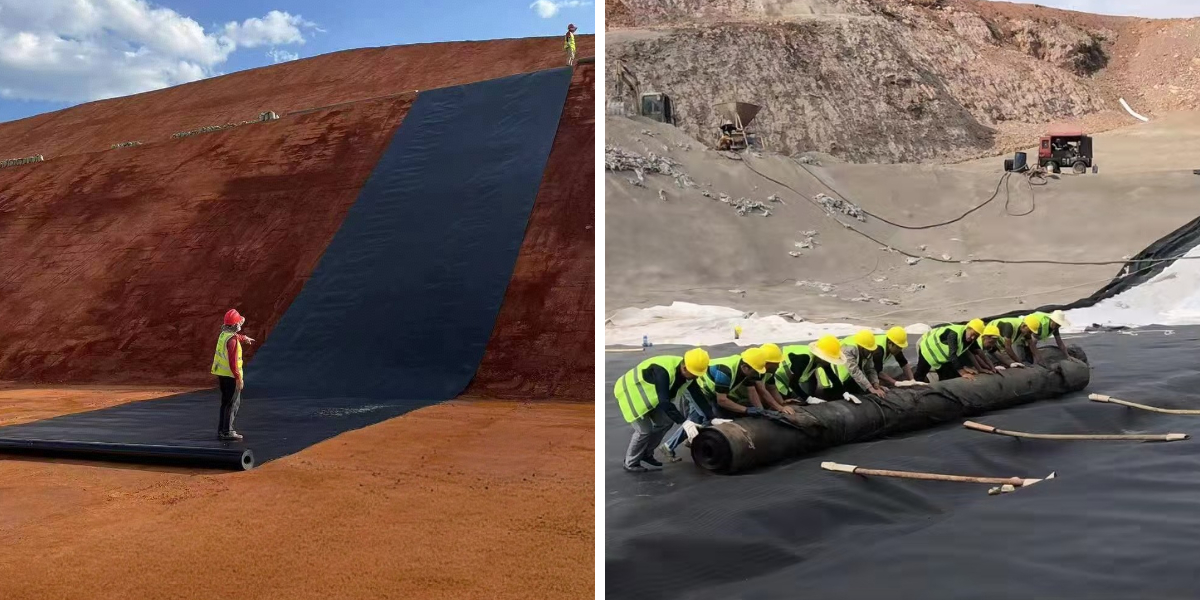
Inspect all HDPE Geomembrane sheets before field construction to exclude damaged, deformed, or unqualified materials. Check the overlapping width of adjacent HDPE Geomembrane sheets to ensure consistent and standard lap spacing for uniform welding. Reasonably adjust the layout of Geomembrane Liner sheets to reduce excessive seams and avoid cross-welding dead angles, optimizing the overall welding structure of the HDPE Liner system.
2.3 Equipment and Environment Confirmation
Debug professional welding equipment including hot wedge welders and extrusion welders to ensure stable operation and accurate parameter control. Adapt equipment settings according to the thickness and material characteristics of on-site HDPE Geomembrane. Meanwhile, monitor field environmental conditions; avoid construction in extreme weather that affects welding quality, to guarantee stable fusion quality for every seam of the Geomembrane Liner.
3. Core Field Welding Techniques for HDPE Geomembrane
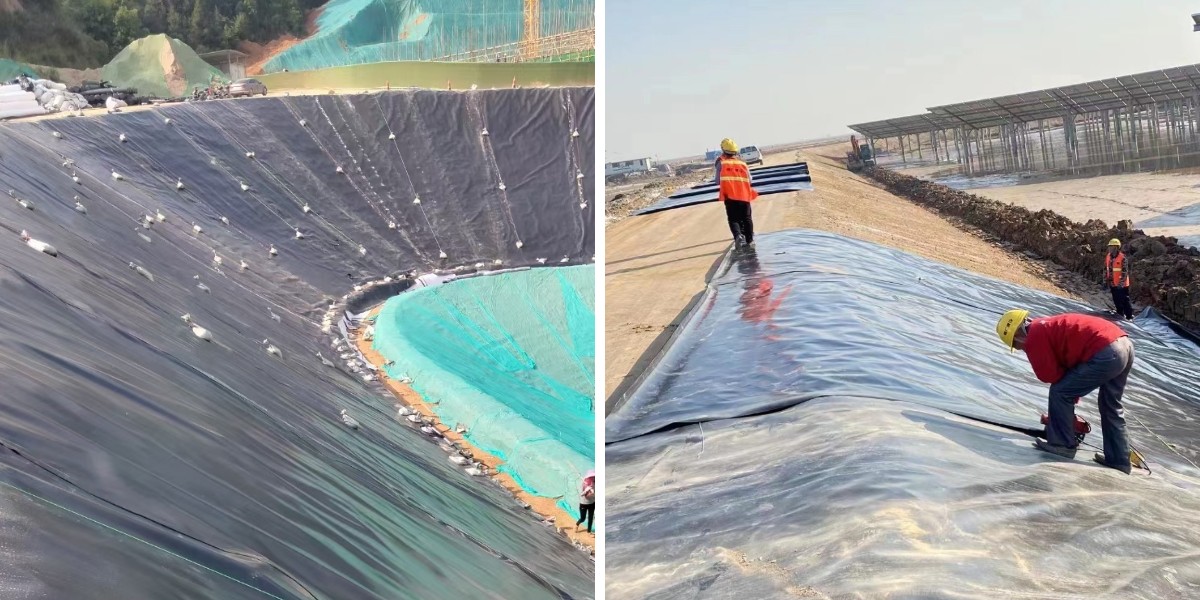
Standardized field welding techniques are the key to achieving high-strength, leak-free HDPE Geomembrane seams. Two mainstream welding methods are widely applied in HDPE Liner construction, with standardized operation processes to ensure the structural tightness of Geomembrane Liner systems.
3.1 Hot Wedge Welding for Long Straight Seams
Hot wedge welding is the primary process for long straight seams of large-area HDPE Geomembrane. This method heats the overlapping edges of two HDPE Geomembrane sheets to a molten state through a high-temperature wedge, then applies uniform pressure to complete integral fusion. It features high efficiency and stable seam quality, suitable for main seam construction of HDPE Liner in large-scale projects.
During operation, keep consistent welding speed and stable temperature output to avoid overheating burning the HDPE Geomembrane surface or insufficient heating causing weak fusion. Ensure the double-track welding seam is uniform and full, with no gaps or virtual welding, so that the Geomembrane Liner can maintain excellent tensile and anti-seepage performance in long-term service.
3.2 Extrusion Welding for Local and Complex Seams
Extrusion welding is applicable for local splicing, corner connections, and repair welding of irregular seams of HDPE Geomembrane. This technique melts HDPE welding strips and extrudes the molten material onto the seam gap of HDPE Liner, filling and bonding the gaps tightly. It is the most reliable supplementary welding process for complex parts that hot wedge welding cannot cover.
Control the extrusion volume and moving speed evenly during construction to ensure the welding strip is fully fused with the base HDPE Geomembrane material. A smooth and compact welding layer can effectively eliminate tiny leakage gaps of the Geomembrane Liner and improve the overall sealing integrity of the HDPE Liner structure.
4. Key Parameter Control for Stable HDPE Geomembrane Welding Quality
Reasonable parameter control is the core of standardized HDPE Geomembrane welding. Unreasonable temperature, speed and pressure will directly lead to welding defects and reduce the service performance of HDPE Liner. Strict parameter matching ensures reliable fusion quality of each Geomembrane Liner seam.
Welding temperature must match the thickness and material characteristics of on-site HDPE Geomembrane. Excessively high temperature will damage the material structure of HDPE Geomembrane, causing aging and brittle cracking; low temperature will result in incomplete molecular fusion and easy seam peeling. Welding speed needs to coordinate with temperature to ensure the heating time of HDPE Liner sheets is sufficient and uniform.
Maintain stable and uniform welding pressure to make the molten HDPE Geomembrane sheets fit closely without material thinning or deformation. Scientific parameter matching can effectively avoid common problems such as virtual welding, missing welding, seam cracking and bubble generation, ensuring the long-term stable anti-seepage performance of the Geomembrane Liner system.
5. Post-Welding Inspection and Maintenance Best Practices
Complete post-welding inspection and maintenance is the final guarantee for qualified HDPE Geomembrane welding construction. Effective detection can eliminate hidden dangers of unqualified seams and ensure the overall construction quality of HDPE Liner projects.
5.1 Non-Destructive Seam Testing
Conduct professional non-destructive testing on all welding seams of HDPE Geomembrane. Air pressure testing is used for double-track hot wedge seams to check the tightness of the welding cavity, while spark testing is applied to detect invisible pinholes and tiny cracks on Geomembrane Liner seams. Comprehensive testing ensures no leakage defects exist in all welding parts of HDPE Liner.
5.2 Timely Repair of Defective Seams
For unqualified seams detected during inspection, adopt targeted repair welding measures in a timely manner. Trim defective parts of HDPE Geomembrane and use extrusion welding for secondary reinforcement to ensure the repaired position has the same strength and tightness as the standard seam. Avoid leaving unprocessed defective seams to affect the overall anti-seepage effect of the Geomembrane Liner system.
5.3 Post-Construction Protection
After completing HDPE Geomembrane welding and inspection, strengthen on-site protection to prevent mechanical collision, sharp object scratching and artificial damage to the welded HDPE Liner seams. Avoid construction operations that may squeeze or impact the Geomembrane Liner before the welding seams are completely stabilized, protecting the welding quality of the entire project.
6. Conclusion
Standardized welding best practices run through the whole process of HDPE Geomembrane field construction, from pre-welding preparation, on-site welding operation to post-welding detection and protection. Strict implementation of professional welding processes can effectively improve the seam strength and anti-seepage stability of HDPE Liner, avoid common construction defects, and extend the service life of Geomembrane Liner.
For all environmental anti-seepage projects, adhering to scientific HDPE Geomembrane welding standards is the key to ensuring project quality, reducing later maintenance costs, and realizing long-term and stable operation of HDPE Liner anti-seepage systems.