Low-Temperature Construction Technology and Performance Optimization of HDPE Geocell for Cold-Climate Engineering
1. Introduction: Why Geocell Installation Needs Specialized Cold Climate Guidelines
Cold regions with frequent freeze-thaw cycles pose unique challenges for geosynthetic reinforcement and slope stabilization projects. Repeated freezing, thawing, frost heave and seasonal temperature fluctuations can weaken conventional ground reinforcement systems, leading to foundation displacement, surface cracking and slope instability. As a high-performance cellular confinement solution,hdpe geocell is widely adopted for road reinforcement, slope protection and erosion control in northern cold zones. Reliablegeocell structures effectively resist ground deformation caused by freeze-thaw fatigue, while high-quality geocell material maintains stable mechanical performance under extreme low-temperature environments. This article summarizes professional construction guidelines for freeze-thaw climate conditions, helping engineering teams maximize the service stability of HDPE geocell projects in cold regions.
2. Freeze-Thaw Damage Mechanisms for Geocell Reinforcement Projects
Seasonal freeze-thaw alternation changes the physical state of soil foundations significantly. Soil moisture freezes and expands in low temperatures, generating frost heave force that squeezes and uplifts surface reinforcement layers. When temperatures rise, thawing soil loses compactness and bearing capacity, causing foundation settlement and structural looseness. Ordinary reinforcement materials often suffer fatigue damage after repeated cycles of extrusion and settlement.
Professional hdpe geocell systems relieve these risks through flexible cellular confinement. The structural toughness of geocell adapts to minor ground displacement without structural failure, while premium geocell material resists low-temperature brittleness and environmental aging that commonly affect traditional reinforcement products in cold climates.
3. Material Selection Standards for Cold-Resistant Geocell Projects
3.1 Low-Temperature Resistance of HDPE Geocell
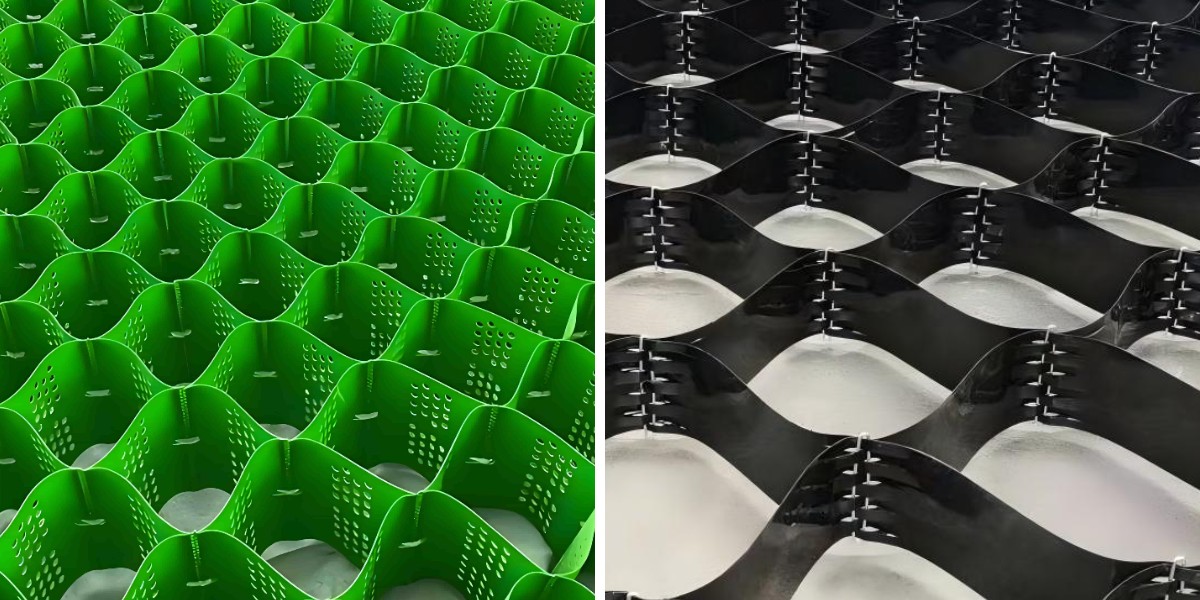
In cold freeze-thaw regions, material low-temperature toughness determines the long-term project quality. hdpe geocell features excellent cold resistance and structural flexibility, avoiding brittle cracking under sustained low-temperature conditions. Its unique cellular structure maintains stable tension and shear resistance even during repeated frost heave and thaw settlement processes.
Construction teams must select specially formulated geocell products for cold zone projects instead of standard materials. Qualified geocell material for freeze-thaw areas contains enhanced anti-aging and cold-resistant additives, ensuring structural integrity throughout long-term winter freezing and summer thawing cycles.
3.2 Anti-Aging and Environmental Adaptability
Cold climate regions feature strong ultraviolet radiation in snow-reflective environments and drastic temperature differences between day and night. These conditions accelerate material aging and surface fatigue. Premium hdpe geocell undergoes specialized surface treatment to resist UV degradation and temperature stress. The stable grid structure of geocell prevents thermal expansion and contraction damage, while durable geocell material avoids premature hardening, fading and structural loosening in harsh alpine environments.
4. Foundation Preparation Construction Notes in Freeze-Thaw Areas
Foundation treatment is the prerequisite for stable hdpe geocell installation in cold regions. Before deployment, construction crews must clean and level the working base thoroughly, removing frozen soil blocks, sharp stones and loose thawed sediment. Residual frozen soil may cause uneven foundation bearing capacity and local grid deformation after thawing.
The flat and compacted base ensures full tension and flat unfolding of each geocell module, eliminating hidden gaps that may expand during frost heave. Reasonable foundation drainage design is also essential, as accumulated water inside the foundation will aggravate freeze-thaw damage and affect the long-term stability of geocell material confinement systems.
5. Standard Deployment and Unfolding Specifications
5.1 Geocell Unfolding and Fixing Requirements
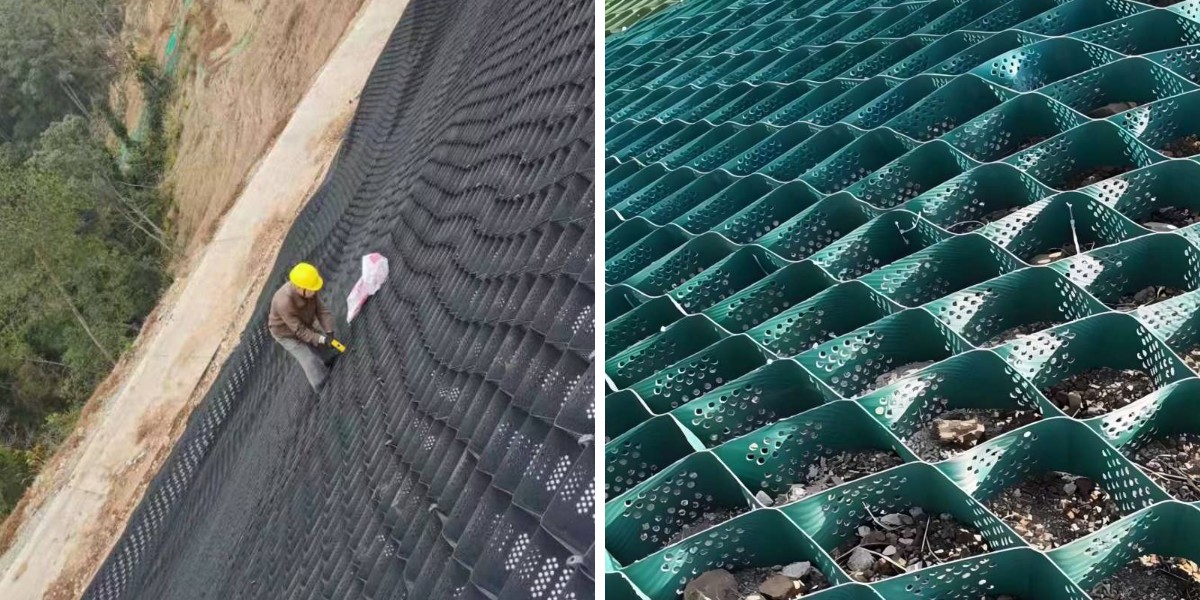
During low-temperature construction periods, hdpe geocell should be unfolded slowly and evenly to avoid violent stretching caused by material low-temperature rigidity. Each cellular unit needs full expansion and regular shaping to ensure uniform grid spacing and consistent tension. Firm fixation measures must be adopted to prevent sliding and displacement before filling.
All anchoring points must be reinforced strictly according to cold climate standards. Stable fixation guarantees the overall coordination of the geocell mat system when the foundation undergoes frost heave and thaw settlement. Standardized unfolding effectively protects the structural performance ofgeocell material and avoids local stress concentration and grid fracture.
5.2 Splicing and Connection Treatment
Module connection quality directly affects the overall freeze-thaw resistance of the reinforcement layer. All joints ofhdpe geocell need tight and firm connection to prevent cracking and separation under repeated ground deformation. Overlapping and splicing positions should avoid concentrated stress areas on slopes and roadbeds.
Scientific joint treatment ensures the entire geocell layer forms an integrated stress-bearing system. Reliable connection technology prevents structural failure caused by freeze-thaw fatigue and maximizes the low-temperature durability of geocell material.
6. Filling and Compaction Construction Guidelines
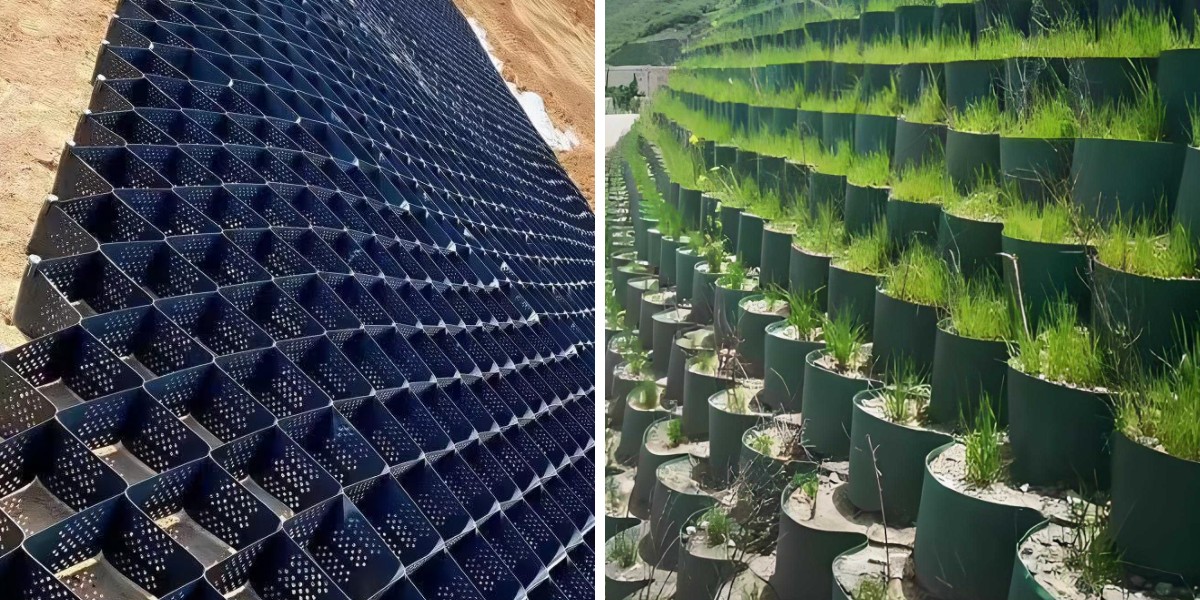
Filling construction for hdpe geocell in freeze-thaw areas must follow layered and graded principles. Clean, well-graded filler materials help reduce internal water content and minimize frost heave probability. Avoid filling with overly moist soil that may freeze and expand inside cell grids.
Layered compaction ensures each cell unit obtains uniform compactness, improving the overall rigidity and anti-deformation ability of the geocell reinforcement layer. Effective compaction reduces foundation water accumulation and weakens freeze-thaw damage, fully exerting the high-strength confinement performance ofgeocell material in cold climate projects.
7. Seasonal Construction & Post-Construction Protection Tips
Avoid constructing hdpe geocell during extreme low-temperature periods and severe snow weather. Reasonable construction window selection prevents low-temperature embrittlement damage during material unfolding and installation. For projects finished before winter arrival, complete surface protection and drainage optimization to prevent snow water infiltration and repeated freezing inside the reinforcement layer.
Post-construction inspection should focus on grid tension, anchoring firmness and surface flatness of the entire geocell system. Timely maintenance of minor defects can effectively avoid structural amplification damage in freeze-thaw cycles and maintain the long-term working performance of geocell material.
8. Conclusion
Freeze-thaw climate areas impose strict requirements on material performance and construction technology for ground reinforcement projects. High-quality hdpe geocell provides reliable low-temperature resistance, flexible deformation adaptability and stable cellular confinement effects for cold-region engineering. Standardized foundation treatment, unfolding, splicing and filling processes ensure the geocell system resists repeated frost heave and thaw settlement damage. With scientific construction management and professional material selection, premium geocell material can maintain long-term structural stability, becoming the ideal reinforcement solution for roads, slopes and hydraulic projects in cold freeze-thaw regions.