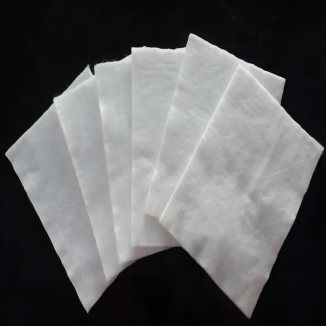
The Role of Geo Fabric in Drainage, Filtration, Isolation and Reinforcement
Introduction
Geo fabric stands as one of the most practical geosynthetic materials for modern construction, landscape development and environmental infrastructure. Engineered from durable synthetic fibers, it combines four core capabilities: drainage, filtration, isolation and reinforcement. Geotextile drainage handles excess underground water to relieve hydrostatic pressure, while geotextile filter cloth blocks fine-particle soil loss during water flow. Many project owners and landscapers refer to reliable geotextile fabric Bunnings-standard options for residential and commercial site works, balancing practical performance and easy-access sourcing. Understanding how these four functions work together helps designers and contractors choose proper geo fabric for road works, retaining walls, drainage trenches and slope stabilization.
Core Definition of Geo Fabric and Its Common Product Versions
Geo fabric is a permeable synthetic textile produced through woven or non-woven manufacturing techniques, specially designed to interact with soil, rock and underground water within earth-related projects. Different manufacturing processes create products with different performance focuses to match real-world site conditions.
Geotextile drainage products mostly adopt non-woven fiber structures. The interlocked fiber gaps create internal flow paths for water movement, making these materials ideal for subsurface water collection and diversion. Geotextile filter cloth is optimized for particle retention, allowing water to pass freely while holding back fine soil particles to avoid system clogging. For local landscape and small-scale civil jobs, geotextile fabric Bunnings-compliant supplies offer standardized specifications suitable for driveways, garden drainage and small retaining wall builds.
Not all geo fabric variants fit every project. Woven types feature higher tensile strength for reinforcement and isolation tasks, while non-woven variants perform better for geotextile drainage and geotextile filter cloth duties. Selecting geotextile fabric Bunnings-level quality does not mean one-size-fits-all solutions; project conditions still guide the final material pick.
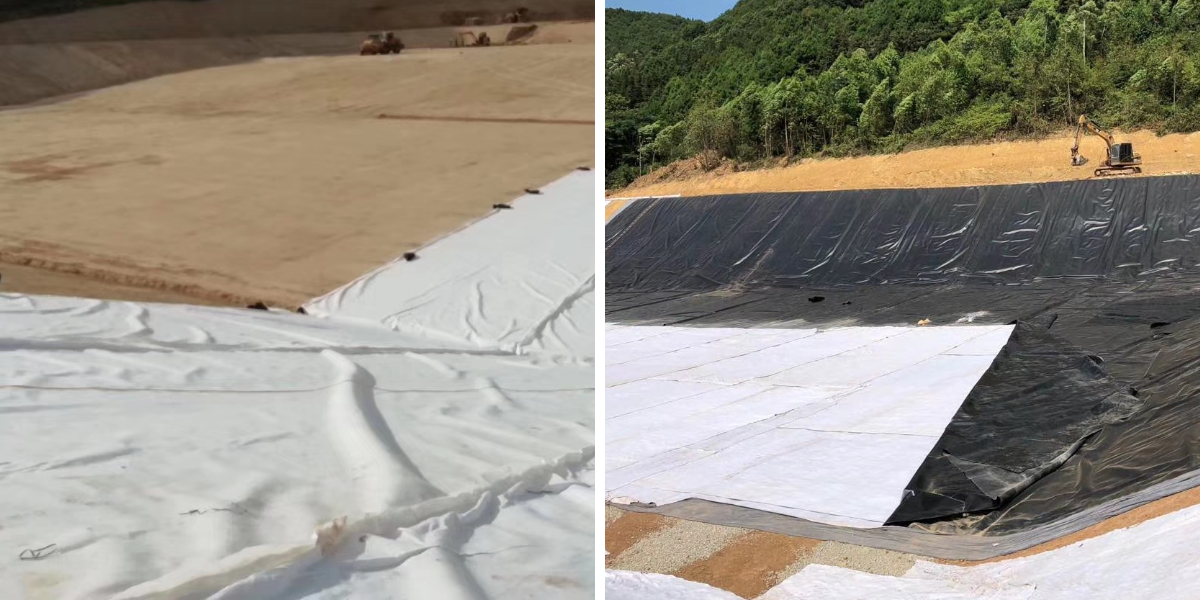
Geotextile Drainage: Remove Excess Water and Reduce Structural Risks
Effective water management largely decides the long-term stability of earth-based structures, and geotextile drainage serves this key purpose. Instead of merely letting water flow vertically through the fabric, geotextile drainage guides water along its planar structure towards designated discharge points, lowering accumulated pore-water pressure inside soil masses.
In retaining wall backfill zones, road subgrade sections and french drain systems, geotextile drainage collects infiltrated rainwater and underground seepage. Without proper geotextile drainage, trapped water softens surrounding soil, triggers uneven shifting and brings hidden damage to the whole structure. Geotextile filter cloth often works alongside geotextile drainage in these systems, stopping surrounding soil particles from washing into drainage channels and blocking water flow paths. Even for home-scale landscape builds, geotextile fabric Bunnings-grade drainage fabric can prevent waterlogging in garden beds and paved areas.
Proper installation matters for geotextile drainage performance. The fabric should stay intact without sharp-object damage before backfilling. When paired with gravel drainage layers, geotextile filter cloth avoids soil-gravel mixing, and geotextile fabric Bunnings standard material can meet the requirements of most non-industrial drainage applications.
Geotextile Filter Cloth: Balance Water Permeability and Soil Particle Retention
Filtration is a distinguishing feature of geo fabric, and geotextile filter cloth realizes this critical balance: water passes through freely while fine soil particles stay on the soil-side of the textile. This mechanism prevents soil erosion and keeps adjacent drainage components from becoming blocked over long-term operation.
In trench drainage, dam foundation zones and landfill leachate collection units, geotextile filter cloth acts as a stable separating barrier between native soil and coarse aggregate layers. If geotextile filter cloth is absent, fine soil will gradually wash away with flowing water, causing hollow cavities inside soil layers and weakening overall structural safety. Geotextile drainage cooperates with geotextile filter cloth: the filter controls particle migration, and the drainage function moves filtered water away from vulnerable zones. Home and landscape builders frequently select geotextile fabric Bunnings qualified geotextile filter cloth for patios, garden drainage trenches and small scale erosion control works.
It is important to match geotextile filter cloth pore characteristics to local soil conditions. Improper specification may cause fabric clogging or excessive particle loss. For many general purpose scenarios, geotextile fabric Bunnings range products provide well balanced filter performance for non-specialized projects.
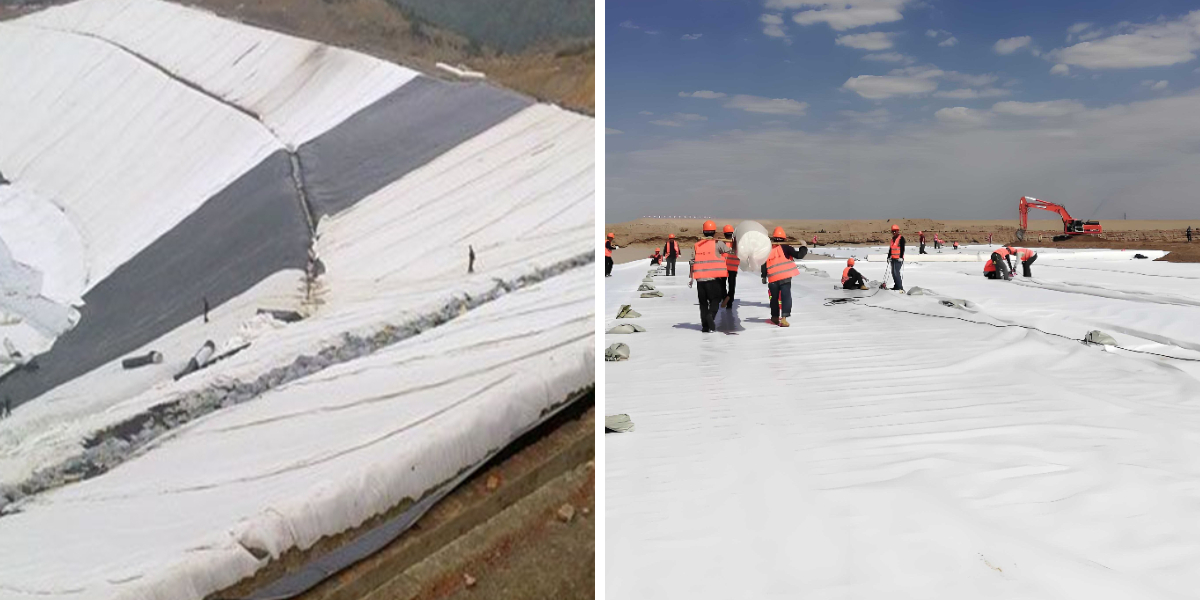
Isolation Function: Prevent Intermixing of Different Soil and Aggregate Layers
Isolation (separation) keeps dissimilar construction materials from blending together. When geo fabric is placed between two different material layers, it maintains independent properties for each layer, preserving the original design performance of subgrade, backfill and base structures.
In road construction, geo fabric sits between soft natural subsoil and upper gravel base layers. Without this isolation layer, soft soil would squeeze into gravel gaps, and gravel would sink down into soft soil, resulting in reduced bearing capacity and uneven settlement. Geotextile filter cloth can deliver isolation effects meanwhile fulfilling filtration demands. Geotextile drainage carries away water trapped at layer interfaces to stop water-induced softening. For residential driveway and backyard projects, geotextile fabric Bunnings specification geo fabric provides reliable isolation between topsoil, gravel and pavement bases.
Isolation performance depends on fabric integrity during laying. Tears or gaps will break the isolating effect. When contractors use geotextile filter cloth for isolation tasks, they also gain auxiliary geotextile drainage capacity, and geotextile fabric Bunnings standard fabric covers most conventional isolation oriented landscape and light traffic projects.
Reinforcement: Improve Soil Stability and Load Bearing Capacity
Natural soil usually has poor tensile resistance, and geo fabric brings extra tensile strength to reinforce soil masses. The reinforcement function disperses external loads across wider areas, reduces uneven deformation and improves stability for soft-ground sections, embankments and steep slopes.
Woven geo fabric is widely preferred for reinforcement focused assignments. When embedded inside soil, the fabric shares tensile stress that soil itself cannot bear. In this working mode, geotextile filter cloth can still deliver filtration support, and geotextile drainage removes pore water which would otherwise weaken soil strength. For landscape retaining walls and light load embankment builds, geotextile fabric Bunnings level woven geo fabric offers workable reinforcement capacity for non-heavy-duty sites.
Reinforcement does not operate independently. It works together with isolation, geotextile drainage and geotextile filter cloth. Reinforcement improves soil mechanical performance; isolation keeps layer materials unmixed; geotextile filter cloth stops particle loss; geotextile drainage removes hazardous excess water. Geotextile fabric Bunnings grade products suit small to medium reinforcement required projects, while heavy duty infrastructure needs higher strength custom specified geo fabric.
Practical Guidance for Geo Fabric Selection and Deployment
Project planners should evaluate site conditions before picking geo fabric variants. For landscape drainage and filter focused jobs, prioritize non-woven geotextile drainage and geotextile filter cloth. For road subgrade and embankment reinforcement isolation applications, woven geo fabric with higher tensile performance is more suitable. Home users and small scale contractors often turn to geotextile fabric Bunnings series products for garden, driveway and backyard drainage isolation reinforcement combined tasks.
On site installation quality directly influences final outcomes. Avoid sharp stones and construction debris piercing the fabric surface. Overlapping seams should follow standard practice to maintain continuity of geotextile drainage, geotextile filter cloth, isolation and reinforcement effects. Even high quality geotextile fabric Bunnings compliant material will underperform if installation standards are ignored.
Conclusion
Geo fabric brings four irreplaceable engineering values: drainage, filtration, isolation and reinforcement. Geotextile drainage solves underground water accumulation problems and relieves harmful hydrostatic pressure. Geotextile filter cloth achieves effective water passing and soil retention to prevent erosion and clogging. The isolation function keeps different material layers from mixing, maintaining structural layer integrity. Reinforcement boosts soil tensile performance and stabilizes soft ground structures. Geotextile fabric Bunnings standard products supply accessible options for landscape, residential and light civil projects.
When designers and contractors combine these four functions reasonably and follow standardized installation rules, geo fabric extends project service life and lowers long term maintenance risks for infrastructure and landscape constructions.