Important Site Preparation Tips Before Laying HDPE Geomembrane
Introduction: Why Site Preparation Defines HDPE Geomembrane Performance
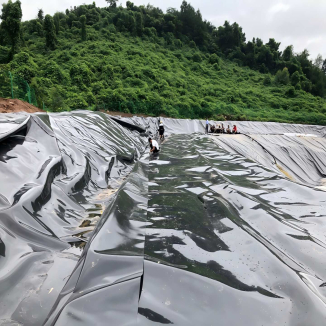
A flawless installation of HDPE Geomembrane starts with professional and meticulous site preparation, which is the most fundamental step to guarantee the long-term sealing, anti-seepage and structural stability of geosynthetic lining projects. Many premature failures of HDPE Liner systems, including membrane rupture, leakage, uneven settlement and weld cracking, stem from substandard ground treatment rather than product quality issues. As a high-performance anti-seepage material, Geomembrane Liner relies entirely on a stable, clean and flat base surface to exert its superior waterproof and anti-corrosion properties. Whether for landfill lining, reservoir anti-seepage, pond lining or industrial sewage treatment projects, standardized pre-installation site preparation maximizes the service life of HDPE Geomembrane, reduces post-construction maintenance risks, and ensures the HDPE Liner system operates stably in complex outdoor and underground environments.
1. Thorough Site Inspection and Pre-Project Planning
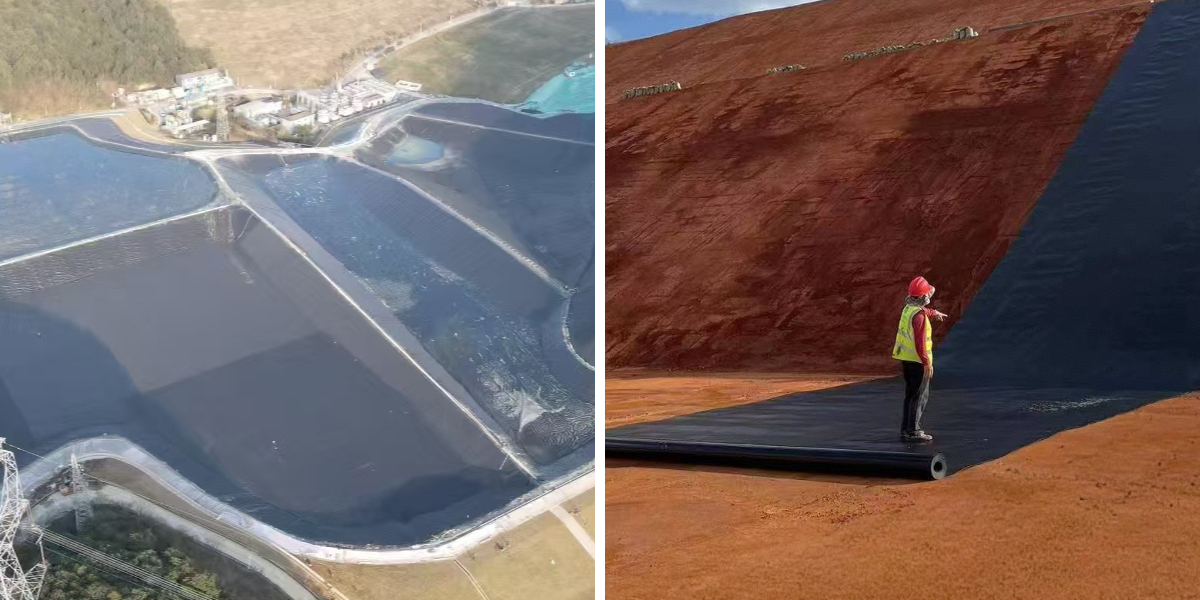
Before handling any HDPE Geomembrane installation work, comprehensive site inspection and detailed construction planning are essential prerequisites to avoid hidden engineering hazards. This step focuses on evaluating the overall terrain, soil condition, environmental factors and project design requirements to formulate targeted preparation schemes for Geomembrane Liner deployment. Construction teams need to check the flatness, compactness and structural stability of the foundation, and eliminate potential threats that may damage theHDPE Liner in subsequent construction and long-term operation.
During the inspection process, workers should confirm the overall elevation and slope of the construction area to ensure it matches the design standard for HDPE Geomembrane laying. It is also necessary to assess on-site drainage conditions to prevent rainwater accumulation and foundation softening before and during construction. Reasonable construction zoning and process scheduling for Geomembrane Liner installation can effectively avoid cross-operation interference, ensure orderly progress of site preparation, and lay a solid foundation for seamless and efficient laying of HDPE Liner.
2. Complete Surface Cleaning and Sharp Object Removal
Surface cleaning is the core basic step of site preparation for HDPE Geomembrane installation, directly determining the surface integrity and anti-seepage performance of the finished liner system. The base surface for placing Geomembrane Liner must be completely clean and free of all hazardous impurities that may pierce or scratch the membrane material. Workers need to thoroughly clear the construction area of gravel, sharp stones, tree roots, construction waste, hard debris and other irregular protrusions that may damage the HDPE Liner.
Unlike ordinary building materials, HDPE Geomembrane is a flexible polymer membrane material, which is extremely vulnerable to local piercing damage from tiny sharp objects on the foundation. Even small hard particles may cause hidden cracks and leakage points on theGeomembrane Liner under long-term ground pressure and environmental erosion. After preliminary cleaning, the construction team needs to conduct a secondary detailed inspection of the entire base surface to ensure a smooth and clean laying environment for the HDPE Liner, eliminating all potential damage risks.
3. Professional Foundation Leveling and Terrain Trimming
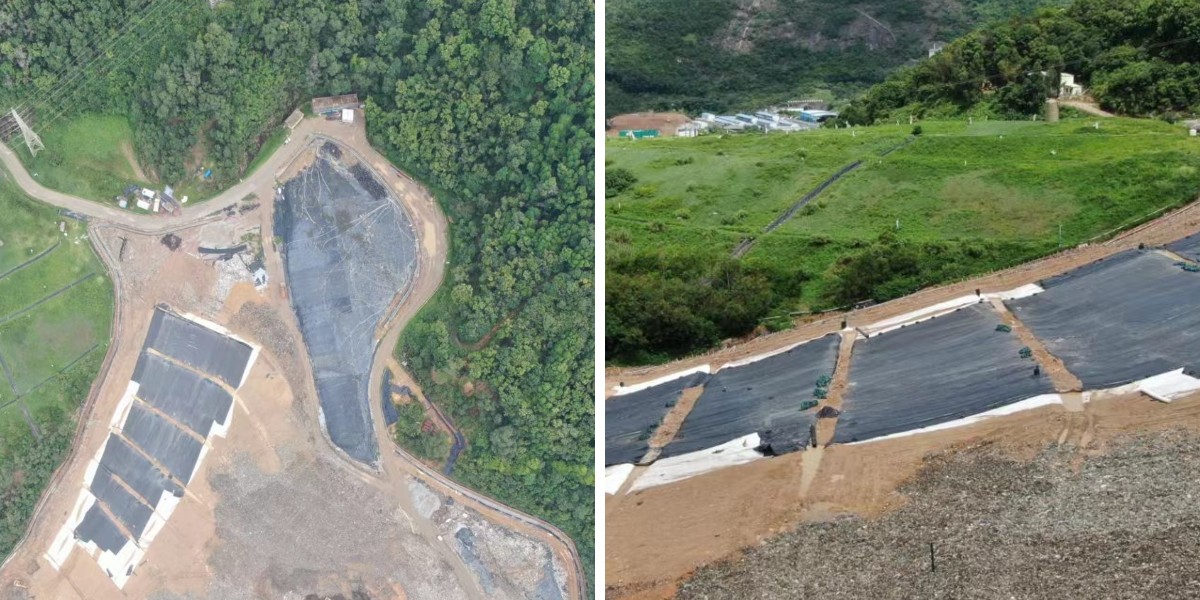
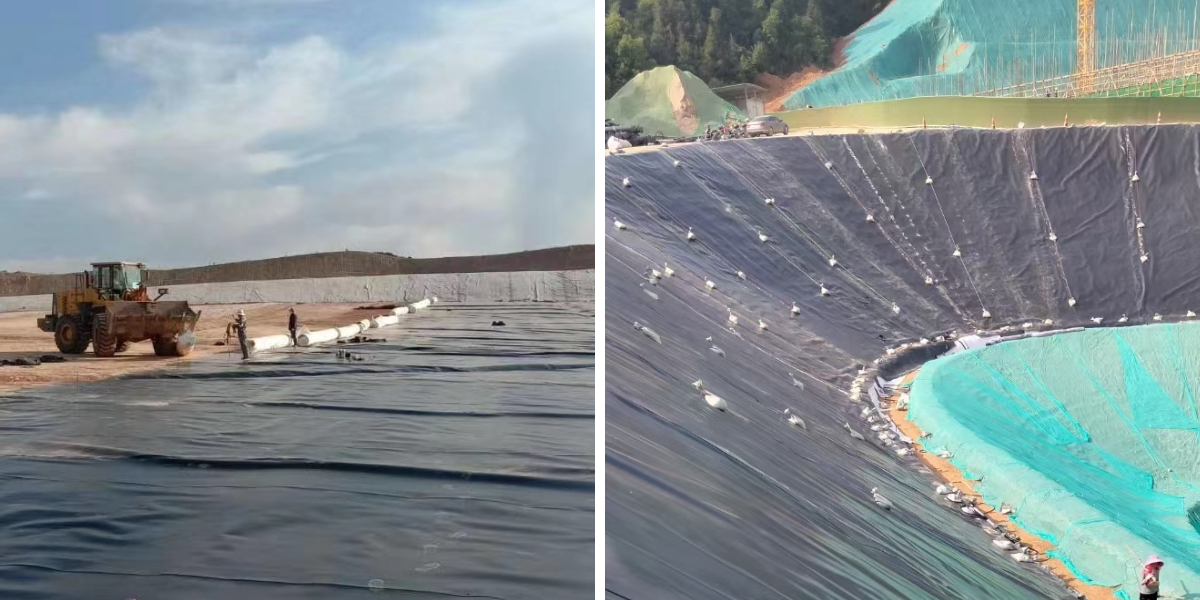
Qualified foundation flatness is a key guarantee for the tight laying and stable operation of HDPE Geomembrane. Uneven foundation surfaces, excessive bumps or depressions will lead to uneven stress on the Geomembrane Liner, causing local tension, wrinkling or even rupture in the long term. Therefore, targeted terrain leveling and fine trimming must be carried out before installing the HDPE Liner.
The foundation surface for HDPE Geomembrane laying should be trimmed to form a continuous and smooth overall structure, without obvious protrusions, pits and irregular terrains. All local depressions need to be filled with fine soil or fine sand and compacted evenly, while excessive raised parts should be polished and leveled. Reasonable slope trimming should be completed according to project design requirements to ensure smooth on-site drainage. A flat and regular foundation terrain enables the Geomembrane Liner to fit closely with the base, avoiding hollowing and deformation, and maintaining the overall structural stability of the HDPE Liner system.
4. Foundation Compaction and Structural Stability Treatment
Loose and unstable foundation soil is one of the main causes of HDPE Geomembrane failure. Uncompacted soil is prone to settlement and deformation after construction, which will drive the Geomembrane Liner to produce irregular stretching and cracking, destroying the overall anti-seepage structure. Thus, standardized foundation compaction treatment is indispensable before laying HDPE Liner.
The entire laying area of HDPE Geomembrane needs unified mechanical compaction to ensure uniform foundation density and stable bearing capacity. Special attention should be paid to edge areas, slope junctions and corner positions, which are prone to insufficient compaction. These key parts need manual auxiliary compaction to eliminate loose soil layers. Stable and compact foundation structure can effectively avoid later settlement deformation, ensure the long-term flat and tight state of the Geomembrane Liner, and fully protect the anti-seepage performance of the HDPE Liner in all working environments.
5. Reasonable Moisture Regulation and Drainage Optimization
Foundation moisture status greatly affects the installation quality and service life of HDPE Geomembrane. Excessively wet soil will lead to foundation softening and muddy surface, making it impossible to lay the Geomembrane Liner flat and firm, while overly dry soil may cause soil layer cracking and loose structure. Scientific moisture regulation is required to create a suitable laying environment for HDPE Liner.
Before construction, check the foundation soil moisture uniformly, and adjust appropriately according to the actual on-site situation. For over-wet foundations, natural air drying or auxiliary dewatering measures can be adopted to reduce surface moisture; for dry and cracked foundations, appropriate uniform watering can be used to optimize soil compactness. Meanwhile, optimize the on-site temporary drainage system to avoid rainwater and groundwater accumulation soaking the foundation. Good moisture and drainage conditions ensure that the foundation remains stable during the whole construction period, providing reliable support for the accurate laying and long-term operation of HDPE Geomembrane and protecting the integrity of the Geomembrane Liner system.
6. Auxiliary Cushion Layer Laying (Necessary Scenarios)
For projects with complex foundation conditions such as rocky surfaces and coarse-grained soil layers, laying a professional cushion layer is a key supplementary preparation measure to protect HDPE Geomembrane. The cushion layer can buffer the friction and impact between the foundation and the membrane body, effectively preventing the HDPE Liner from being scratched and pierced by rough foundation structures.
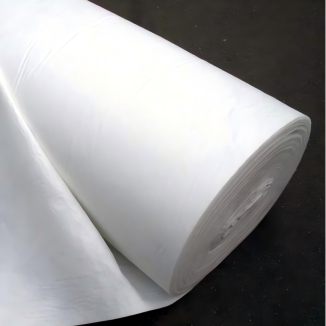
The common cushion layer material is high-quality non-woven geotextile, which features soft texture, uniform structure and good protection performance. After laying the cushion layer flat and fixed, it forms a smooth transition layer between the rough foundation and the Geomembrane Liner. This auxiliary preparation process greatly enhances the anti-damage ability of theHDPE Geomembrane, avoids local damage caused by foundation roughness, and further improves the overall durability and anti-seepage reliability of the HDPE Liner system in harsh foundation environments.
Conclusion
In all HDPE Geomembrane anti-seepage projects, rigorous site preparation is the cornerstone of high-quality installation and long-term stable operation of the entire lining system. Every link including site inspection, surface cleaning, terrain leveling, foundation compaction, moisture regulation and auxiliary protection construction directly affects the service effect of HDPE Liner. Standardized pre-construction preparation can effectively eliminate potential engineering hazards, avoid premature damage and leakage of Geomembrane Liner, maximize the material performance of HDPE Geomembrane, and create lasting, stable and cost-effective anti-seepage solutions for various civil and environmental protection projects.