Avoiding Construction Mistakes to Optimize Geotextile Engineering Performance
Introduction: Why Proper Installation Matters for Woven Polypropylene Geotextile
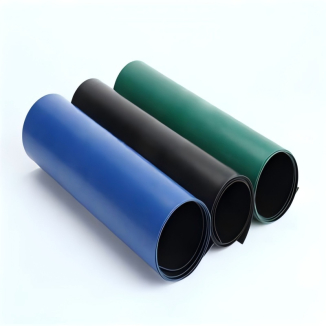
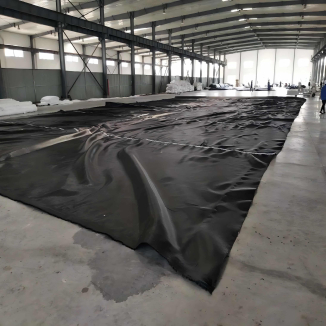
Woven polypropylene geotextile is a foundational geosynthetic material widely used in civil construction, slope protection, drainage engineering, and land reclamation projects. As a high-tensile industrial fabric, Polypropylene Woven Geotextile delivers reliable filtration, separation, reinforcement, and erosion resistance for diverse infrastructure projects. Many project owners and construction teams overlook installation details, resulting in reduced material performance, shortened service life, and even project rework. Erosion Control Woven Geotextile relies entirely on standardized installation to exert its anti-scouring and soil stabilization effects, while improper operation can completely negate the inherent advantages of PP Woven Geotextile. Mastering common installation errors and avoidance methods is essential to maximize the engineering value of all woven polypropylene geotextile products.
Mistake 1: Improper Substrate Preparation Before Laying Geotextile
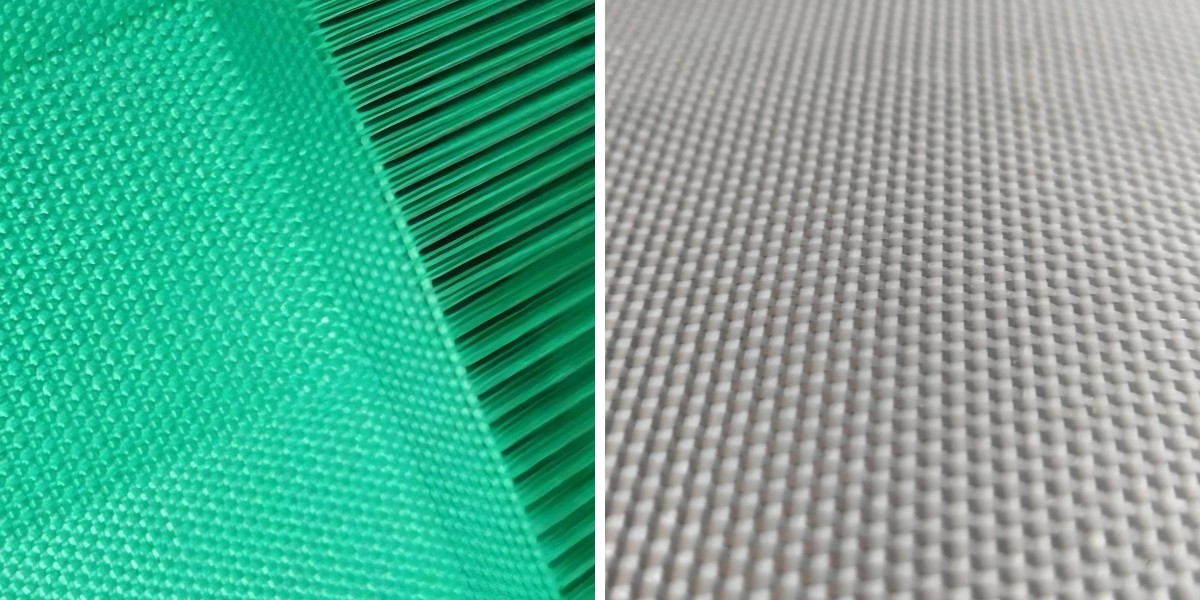
Inadequate base surface treatment is one of the most prevalent installation errors for Polypropylene Woven Geotextile. Many construction teams directly place the fabric on uneven, loose, or impurity-rich substrates to save time, which severely undermines the structural stability of the entire system. PP Woven Geotextile requires a flat, compacted, and smooth base surface to maintain uniform stress distribution. Unremoved sharp stones, tree roots, and hard debris can pierce the fabric structure, causing hidden damage that weakens the material’s tensile and anti-erosion performance.
For projects adopting Erosion Control Woven Geotextile, unleveled substrate surfaces will lead to uneven fabric tension and local sagging. These irregular areas easily accumulate rainwater and sediment, forming concentrated water flow channels that accelerate surface soil erosion. To avoid this mistake, construction teams must fully clean and level the base layer, remove all sharp impurities, and compact loose soil before deploying any woven polypropylene geotextile. A qualified substrate ensures the full contact and stable stress bearing of Polypropylene Woven Geotextile, laying a solid foundation for subsequent engineering effects.
Mistake 2: Incorrect Overlapping and Splicing Methods
Unstandardized overlapping and splicing is a key factor leading to functional failure of PP Woven Geotextile. Many workers adopt random overlapping widths or casual stitching methods, ignoring the overall integrity requirements of the geotextile layer. Polypropylene Woven Geotextile forms a continuous protective and filtering system only through scientific overlapping treatment. Insufficient overlapping width will cause seam separation under water flow scouring and soil pressure, resulting in soil leakage, layer dislocation, and structural gaps.
For Erosion Control Woven Geotextile used in slope and riverbank protection, incorrect splicing directly breaks the overall anti-erosion structure. Discontinuous fabric layers cannot effectively lock fine soil particles and resist runoff impact, greatly reducing the project’s erosion control capacity. In addition, disordered overlapping directions and loose stitching will cause local tension concentration, leading to fabric tearing under long-term load. The correct approach is to implement unified overlapping standards according to project scenarios, ensure tight fitting of all joints, and fix splicing positions firmly to maintain the overall integrity of woven polypropylene geotextile.
Mistake 3: Excessive or Insufficient Fabric Tension During Installation
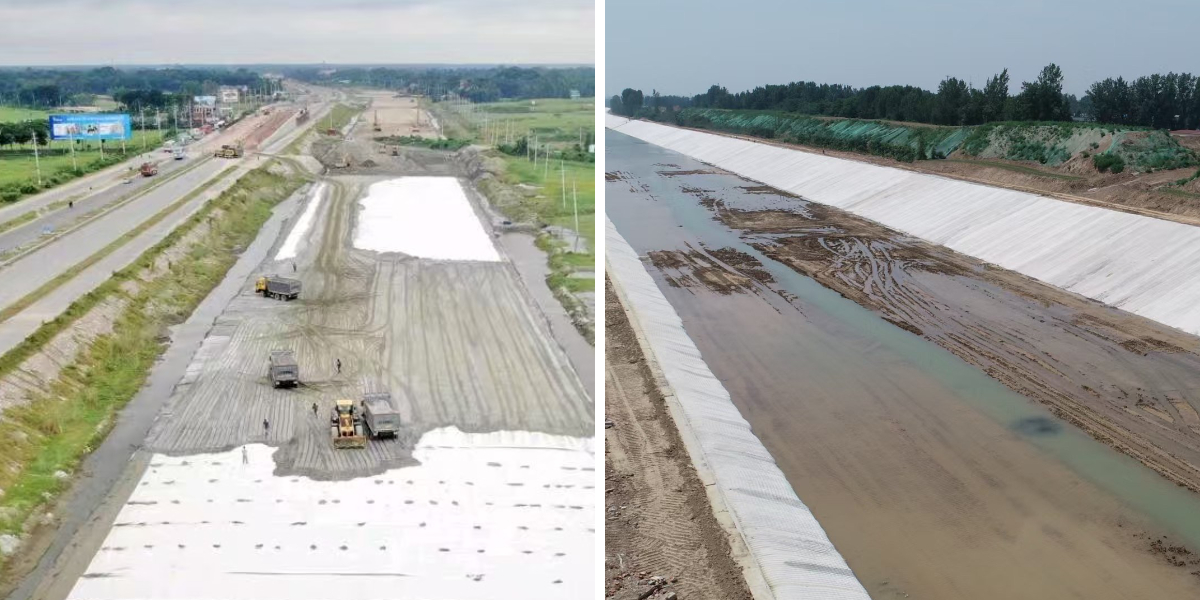
Unreasonable tension control is easily overlooked during the deployment of PP Woven Geotextile. Excessively tight stretching will cause the fabric to bear excessive pre-stress, making Polypropylene Woven Geotextile prone to brittle fracture under subsequent temperature changes and soil settlement. Over-tensioned geotextile also loses its flexible buffering performance, failing to adapt to slight terrain deformation and foundation displacement.
Conversely, insufficient tension leads to loose laying of Erosion Control Woven Geotextile, forming folds and bulges on the fabric surface. These folded areas will gather sediment and water flow, resulting in local overload and uneven stress. In slope protection scenarios, loose woven polypropylene geotextile cannot fit the slope surface closely, reducing the friction and anti-slip effect, and eventually causing overall layer sliding. Standard installation requires moderate tension to keep the fabric flat and taut without excessive stretching, balancing flexibility and stability of PP Woven Geotextile.
Mistake 4: Ignoring On-Site Protection After Geotextile Placement
Many construction teams regard the completion of laying as the end of geotextile construction, ignoring the necessary on-site protection for Polypropylene Woven Geotextile. Exposing PP Woven Geotextile to long-term direct sunlight without covering is a typical construction mistake. Although the material has certain anti-aging properties, prolonged ultraviolet radiation will accelerate fiber aging, embrittlement, and strength attenuation, seriously shortening the service life.
For Erosion Control Woven Geotextile deployed in open-air slope projects, unprotected fabric is also vulnerable to damage from construction machinery rolling, artificial trampling, and extreme weather. Random stacking of construction materials on woven polypropylene geotextile will cause local compression and structural damage, destroying the original uniform pore structure and tensile performance. After installation, timely covering with soil, gravel or vegetation substrate is required to isolate ultraviolet radiation and external mechanical damage, maintaining the stable performance of Polypropylene Woven Geotextile for a long time.
Mistake 5: Mismatched Application Scenarios and Product Selection
Improper product selection is a fundamental error that affects the final effect of PP Woven Geotextile installation. Different specifications of woven polypropylene geotextile correspond to different engineering scenarios, and blind selection will lead to unqualified project performance. Low-strength Polypropylene Woven Geotextile cannot bear the load of high-pressure hydraulic engineering and steep slope protection, resulting in structural failure in the later stage.
In erosion prevention projects, ordinary geotextile products cannot replace professional Erosion Control Woven Geotextile with enhanced anti-scouring and anti-tearing performance. Mismatched materials will fail to meet the filtration and anti-erosion requirements, causing repeated construction and increased project costs. Before installation, construction personnel must select targeted specifications of woven polypropylene geotextile according to project terrain, water flow conditions, and functional requirements, to ensure PP Woven Geotextile matches the actual engineering demands.
Conclusion
The excellent performance of Woven Polypropylene Geotextile depends entirely on standardized and scientific installation operations. Common errors including poor substrate treatment, irregular splicing, unreasonable tension control, inadequate post-installation protection, and mismatched product selection will severely weaken the reinforcement, filtration and anti-erosion capacity of Polypropylene Woven Geotextile. Professional Erosion Control Woven Geotextile can only exert maximum engineering value by avoiding the above mistakes and implementing standardized construction. Strictly controlling every installation detail is the key to giving full play to the advantages of PP Woven Geotextile, ensuring long-term stability and durability of geotechnical engineering projects.