The Usage of Cement Blanket in Ditch and Canal Lining Projects
Introduction
Unstable channel surfaces and persistent water induced damage bring great troubles to water conservancy and land management teams. Plenty of traditional construction materials cannot provide stable performance for ditch and canal lining, especially in remote or hard to reach construction sites. As an effective alternative, cement blanket has gained widespread popularity in practical engineering projects. This article discusses the practical application of cement blanket, along with related products like concrete cloth. It illustrates why this Ditch Lining Material stands out in canal reconstruction and new channel construction, and how it achieves long term project objectives of Erosion Control Concrete Canvas for water conveyance systems.
The Importance of Ditch and Canal Lining for Infrastructure
Hidden Risks of Unlined Ditches and Canals
Ditches and canals undertake the transportation of rainwater, irrigation water and surface runoff for farmland, industrial parks and public land. Without effective lining protection, running water will continuously scour the inner wall of channels. Soil is washed away, channel banks collapse, and the water channel loses its original design form. Severe water leakage also occurs, wasting water resources and damaging the stability of surrounding soil foundation.
Traditional lining solutions mostly adopt cast in place concrete or precast concrete slabs. Such construction methods require heavy duty machinery, on site concrete mixing and long construction cycles. For narrow ditches or sites inaccessible to large vehicles, traditional schemes become inefficient and difficult to implement. Under such circumstances, flexible materials including concrete cloth come into play. A qualified Ditch Lining Material needs to balance simple installation, anti-leakage property and erosion resistance, and fit complex terrain features of different channels. All lining projects should take Erosion Control Concrete Canvas requirements into consideration to resist longterm abrasion caused by running water.
Core Advantages of Cement Blanket as Ditch Lining Material
Flexible Layout Adaptable to Complex Terrain
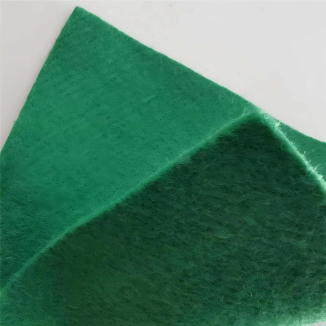
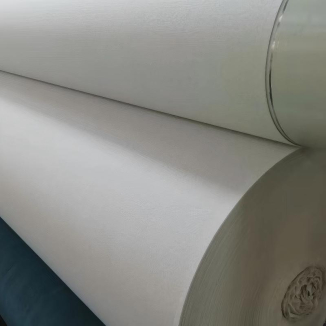
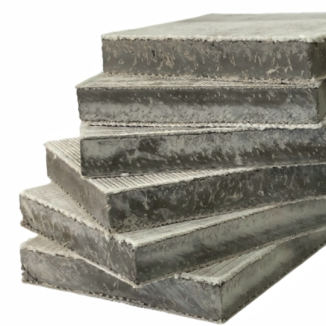
Cement blanket is a fabricbased composite material that hardens after water hydration. It is transported to construction sites in roll form, different from onsite pouring concrete. Construction workers can directly unroll it on the treated channel base.
When laying along ditches and canals, cement blanket will not produce large-scale damage to original channel landform. It fits curved corners, different gradient slopes and irregular ditch contours naturally. Rigid precast concrete slabs are hard to fit uneven ground, while cement blanket keeps flexible before curing. Concrete cloth possesses the same advantage, realizing full coverage of special shaped channels. As a reliable Ditch Lining Material, it greatly lowers the difficulty of renovation for old canals.
Excellent Anti-seepage and Anti-erosion Performance
After full curing, cement blanket forms an integrated continuous waterproof protective layer. It effectively reduces water seepage at canal bottoms and side slopes. Compared with spliced precast blocks, the seamless surface avoids gaps where water penetrates underneath to trigger hidden erosion risks.
It also satisfies the demand of Erosion Control Concrete Canvas. The hardened surface can resist scouring from irrigation water, seasonal flood and sediment laden runoff, protecting channel structure from long term water flow damage.
Simplified On site Construction Process
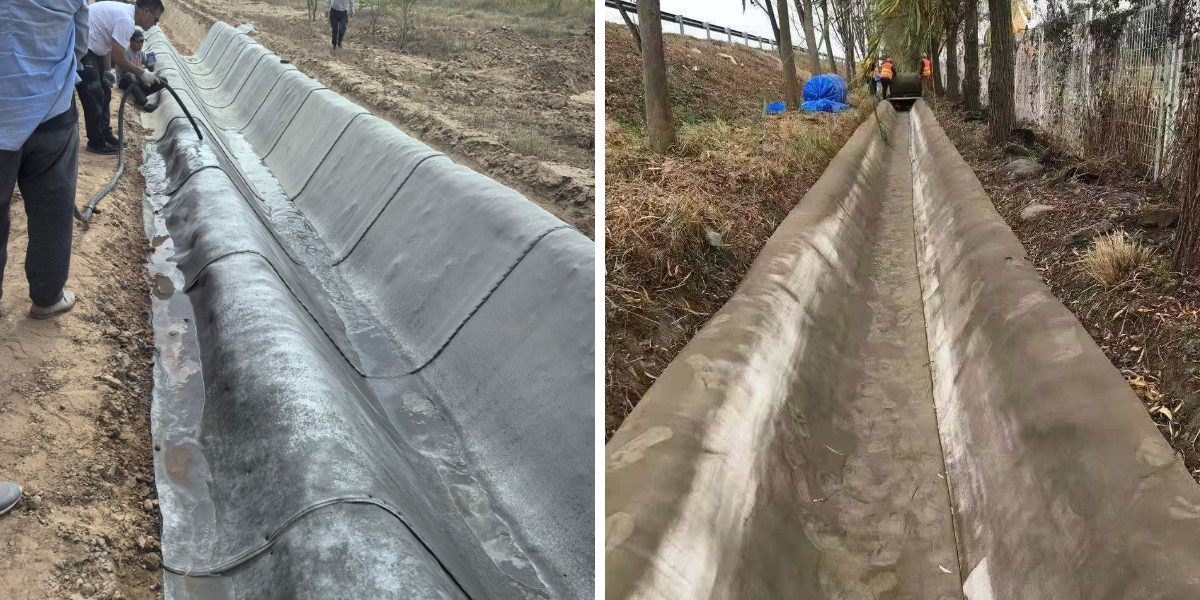
Cement blanket cuts down the dependence on heavy mixing equipment. The main construction steps include base cleaning, material unrolling, edge fixing and water spraying. This brings great convenience for scattered rural ditches and small size canal projects. Concrete cloth shares this construction merit, shortening the whole project cycle.
Standard Construction Workflow of Cement Blanket for Ditch and Canal Lining
Base Surface Pre-treatment
Good foundation processing is the premise of stable service for cement blanket, concrete cloth and other Ditch Lining Material. Workers need to clear sharp stones, plant roots and protruding sundries on ditch bottoms and side slopes. Bumps shall be smoothed. Sharp sundries may pierce the fabric, which will destroy the follow up Erosion Control Concrete Canvas protective effect. The substrate should be compacted to make the material closely fit the ground.
Laying, Overlapping and Fixing
Unroll cement blanket to cover ditch bottom and two side slopes. Keep proper overlapping width between adjacent rolls to prevent water leakage from seams. Use special fasteners to fix material edges and overlapping positions, preventing slippage before hydration. Extra attention should be paid to channel bends where stress concentrates.
Hydration, Curing and Edge Sealing
Spray water evenly on the laid cement blanket. Sufficient and uniform wetting guarantees complete hardening. Insufficient water leads to incomplete curing, while excessive water will wash away internal cement components. Do not put the canal into water delivery use before full curing.
Dig small anchor trenches at the top of ditch banks, embed and fix the outer edges of cement blanket. This sealing measure stops surface water from flowing under the lining layer, which is a frequent failure point for Ditch Lining Material installation. Proper operations enable concrete cloth and cement blanket to maintain stable Erosion Control Concrete Canvas protection in rainy seasons.
Typical Application Scenarios for Cement Blanket Lining
Agricultural Irrigation Canals
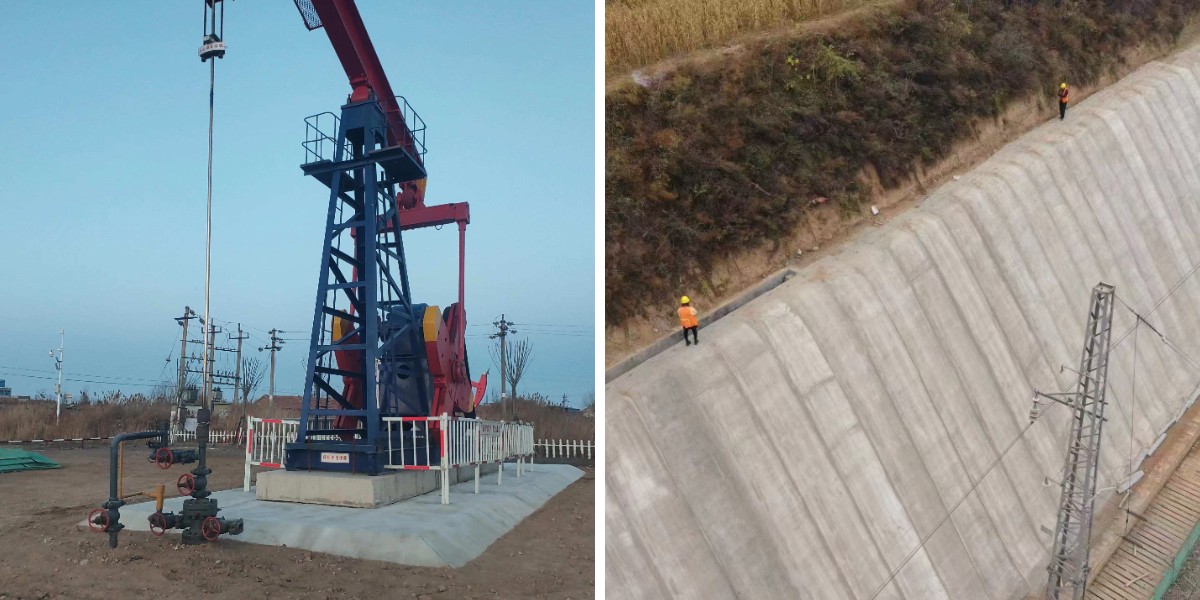
Agricultural irrigation canals circulate irrigation water all year round and bear impact from seasonal rainstorm runoff. Cement blanket lining reduces water seepage loss and protects channel banks from water erosion. It applies to both newly built small irrigation ditches and reconstruction of aged leaking canal networks.
Municipal Roadside Drainage Ditches
Roadside ditches are responsible for discharging urban stormwater. Unlined trenches are easy to collapse under heavy rainfall. Cement blanket supports fast construction for drainage transformation. For segmented short drainage ditches, concrete cloth avoids complicated procedures of traditional concrete construction.
Temporary Diversion Channels for Construction Sites
Construction sites need temporary water conducting ditches in many cases. As an efficient Ditch Lining Material, cement blanket can withstand short term heavy water flow and realize Erosion Control Concrete Canvas goals, without building permanent heavy concrete structures.
It should be noted that cement blanket is not fit for all conditions. Large scale main canals with extremely high speed continuous water flow still need heavy concrete solutions. Engineers should select materials according to actual hydraulic conditions.
Common Construction Mistakes to Avoid
Inadequate Substrate Treatment
Retaining sharp rubble and loose soft soil under cement blanket, concrete cloth or any Ditch Lining Material will produce hidden weak points. Under water pressure, delamination and holes may appear, destroying the integrity of Erosion Control Concrete Canvas.
Improper Splicing, Fixing and Curing
Insufficient overlapping range and loose fixing will cause sheet displacement. Once water flows under the material, hydraulic pressure will bulge and peel off the lining layer. Uneven watering results in partial incomplete curing, and these soft areas will wear rapidly after water flow passes through ditches. Operators must follow official product requirements for water dosage and curing cycle.
Premature Put into use
Before complete curing, high speed water carrying sediment will scratch unfinished surfaces. Project managers need to arrange reasonable schedules to protect newly completed lining works.
Conclusion
Ditch and canal lining is critical for water resource management and site erosion prevention. Cement blanket delivers a flexible and practical solution for numerous channel projects. Together with concrete cloth, this mature Ditch Lining Material simplifies field construction and achieves reliable Erosion Control Concrete Canvas performance. With proper ground preparation, standardized laying and curing operations, cement blanket provides durable antiseepage and anti-scour protection for irrigation ditches, drainage trenches and small scale canals. Engineering practitioners can assess local terrain, water flow features and site accessibility, to judge whether cement blanket suits their upcoming lining projects.