Low Maintenance Features of Professional Geotextile Tube Barriers
Introduction
Coastal erosion control, sediment treatment, shoreline restoration and flood defence projects require barrier systems that perform reliably with minimal ongoing work. Many traditional barrier solutions demand frequent inspection, repeated repair and high long‑term operating costs. As a practical geosynthetic alternative, the geotextile tube delivers stable structural performance for marine and shore‑based works. Project owners favor geotube solutions because they cut down post‑construction workload. Geotextile dewatering tubes handle sludge filling, water release and barrier formation in one integrated unit. This article explores the low‑maintenance characteristics of professional geotextile tube barriers, explains why geotube reduces routine site work, and shares key points to maximize long‑term service performance.
1. Robust Material Construction Reduces Regular Repair Needs for Geotextile Tube
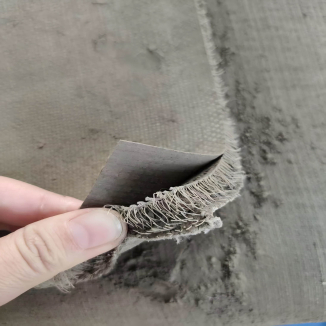
The foundation of low‑maintenance performance lies in the high‑strength fabric used for every geotextile tube. Manufactured from heavy‑duty woven geosynthetic fabric, geotube resists physical tearing, abrasion from wave impact and floating debris contact. This durable fabric structure helps the geotextile tube keep its shape without frequent patch‑ups after installation.
Geotextile dewatering tubes are engineered to withstand harsh outdoor exposure. Quality geotube material provides good resistance against ultraviolet radiation, chemical corrosion from saltwater and soil contaminants. When deployed in coastal zones or sludge disposal sites, geotextile tube does not degrade rapidly under continuous environmental attack.
Unlike temporary soft barriers that suffer quick material aging, properly selected geotextile dewatering tubes maintain structural integrity over long service cycles. Contractors avoid repeated site visits for fabric replacement. Choosing well‑constructed geotube eliminates most common damage sources that create heavy maintenance burdens for shore‑protection facilities.
2. Self‑Dewatering Mechanism Cuts Manual Operation for Geotextile Tube Barriers
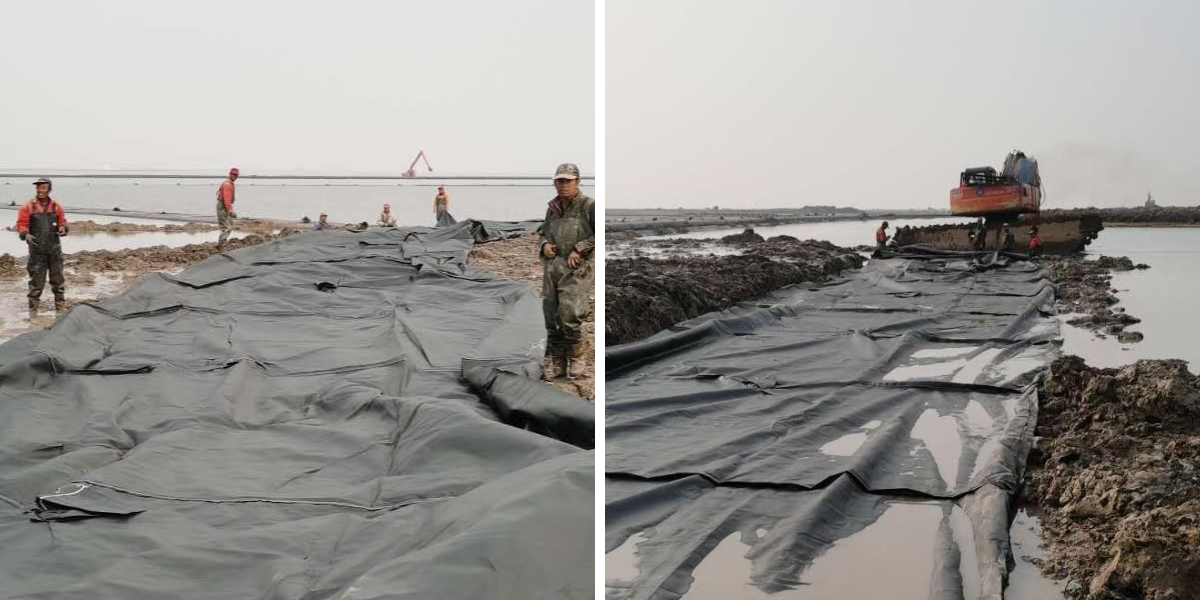
A standout low‑maintenance advantage comes from the native filtration function built inside each geotextile tube. During filling operations, geotube retains solid sediment inside its shell while allowing free water to flow outward through fabric pores. Geotextile dewatering tubes complete solid‑liquid separation passively without extra power‑driven dewatering equipment.
Once filling finishes, the geotextile tube continues natural consolidation over time. Internal sediment compacts gradually as excess water drains out. This self‑acting process removes the need for constant manual pumping or repeated sludge handling work. Field crews do not need to stay on site for continuous fluid‑processing tasks after geotube placement.
Geotextile dewatering tubes form stable stacked barrier units after full consolidation. The finished geotextile tube barrier holds its profile without manual compaction work. This passive working mode greatly lowers labor input for sediment‑treatment and shore‑barrier projects, and represents one core reason geotube gains popularity among asset owners seeking low‑upkeep infrastructure.
3. Stable Structural Performance Minimizes Post‑Installation Adjustment
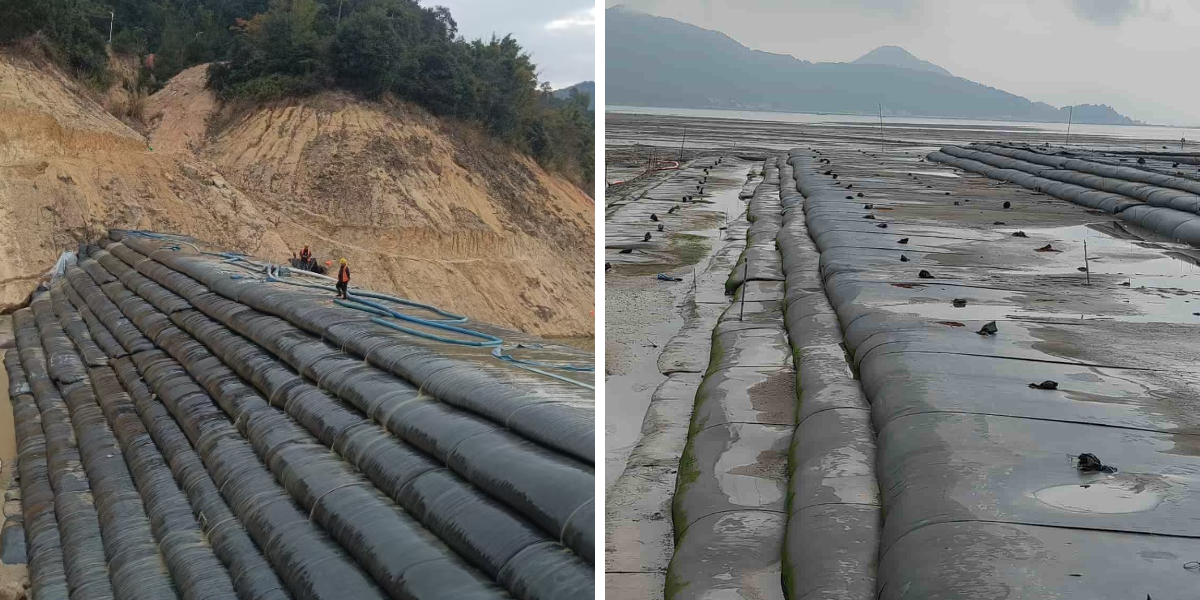
Well‑installed geotextile tube barriers hold stable geometry under wave loading, tidal fluctuation and earth pressure. After sediment inside consolidates, each geotube forms a heavy, self‑supporting unit. Properly arranged geotextile tube stacks resist displacement caused by tides and storm surges, reducing demands for frequent realignment or reinforcement.
Geotextile dewatering tubes fit naturally along irregular shore contours. When stacked in multi‑layer configurations, geotube units interlock with adjacent tubes. This interlocking behaviour limits shifting and sliding, so project teams face far fewer emergency repair tasks after extreme weather events.
Many conventional coastal barriers suffer partial collapse or dislocation during storm seasons and need urgent corrective work. A correctly specified geotextile tube barrier avoids such frequent troubles. While periodic visual check remains necessary, geotube systems rarely require heavy‑duty rework that consumes large budgets and manpower.
4. Resilience Against Site Hazards Reduces Geotube Repair Frequency
Field hazards including floating debris, salt‑water erosion and biological growth bring risks to shore‑side infrastructure. A qualified geotextile tube can tolerate these common site threats without rapid functional failure. The tough outer fabric of geotube stands against scraping impacts from driftwood and floating waste.
Geotextile dewatering tubes show good tolerance for marine biological activity. Surface bio‑growth will not easily break down the geotextile tube fabric. Biofilm even can form an extra protective layer in some cases, without destroying the core barrier function of geotube.
It should be noted that resilience does not mean zero inspection. Operators still need simple visual observation. Compared with other soft‑structure alternatives, geotextile dewatering tubes greatly lower the frequency of component replacement. When you prioritize low‑maintenance design for shore‑defence or sludge‑treatment works, geotube offers obvious practical advantages.
5. Practical Tips to Preserve Low‑Maintenance Benefits of Geotextile Tube Barriers
Low‑maintenance performance of geotextile tube originates not only from material quality, but also from correct specification and installation. Select appropriate fabric strength for your local wave and tidal conditions. Mismatched material grade will cause unexpected geotube damage and raise later maintenance workload.
During filling work for geotextile dewatering tubes, follow recommended filling procedures. Avoid over‑inflation that over‑stretches the geotextile tube fabric. Proper filling keeps geotube within designed stress ranges and prevents premature fabric rupture.
Arrange basic periodic visual surveys for geotube barriers. Focus on joint areas and exposed surfaces. Early discovery of minor issues prevents small defects from developing into large‑scale failures. Keep in mind that proper initial construction is the most effective way to retain the low‑maintenance value of geotextile tube barriers.
Conclusion
Professional geotextile tube barriers deliver outstanding low‑maintenance value through durable fabric construction, passive self‑dewatering function and stable consolidated structure. Geotextile dewatering tubes complete sediment containment and water separation with limited manual intervention. The robust geotube system resists marine‑site hazards and cuts down repair frequency for shore‑protection and sediment‑treatment projects. Reasonable material selection and standardized installation will help project owners make full use of these low‑maintenance features, reducing long‑term operational costs while securing reliable barrier performance.