Hydratable Cement Blanket: Working Principle, Hardening Process & Engineering Superiorities
Modern civil engineering and outdoor protection projects constantly pursue efficient, low-labor, and high-durability construction materials, and hydratable cement blanket has emerged as a revolutionary solution that redefines traditional concrete construction methods. Also widely known as concrete impregnated fabric and professional cement curing blankets, this innovative material combines flexible textile characteristics and rigid concrete performance, delivering unique advantages in slope protection, ditch lining, foundation protection, and temporary engineering reinforcement. Unlike conventional concrete that requires complex mixing, pouring, and long curing cycles, cement blanket stays soft and foldable during handling and only needs simple water spraying to complete gradual hardening and form a solid protective layer. This article unveils the core scientific principles behind this water-activated hardening process, explaining the structural design, chemical mechanism, and performance advantages of concrete impregnated fabric and standard cement curing blankets.
1. Basic Structure and Material Composition of Cement Blanket
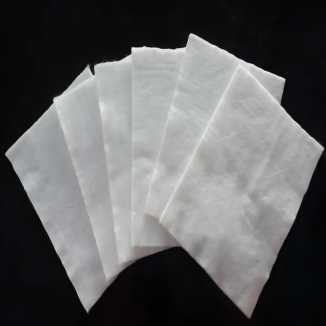
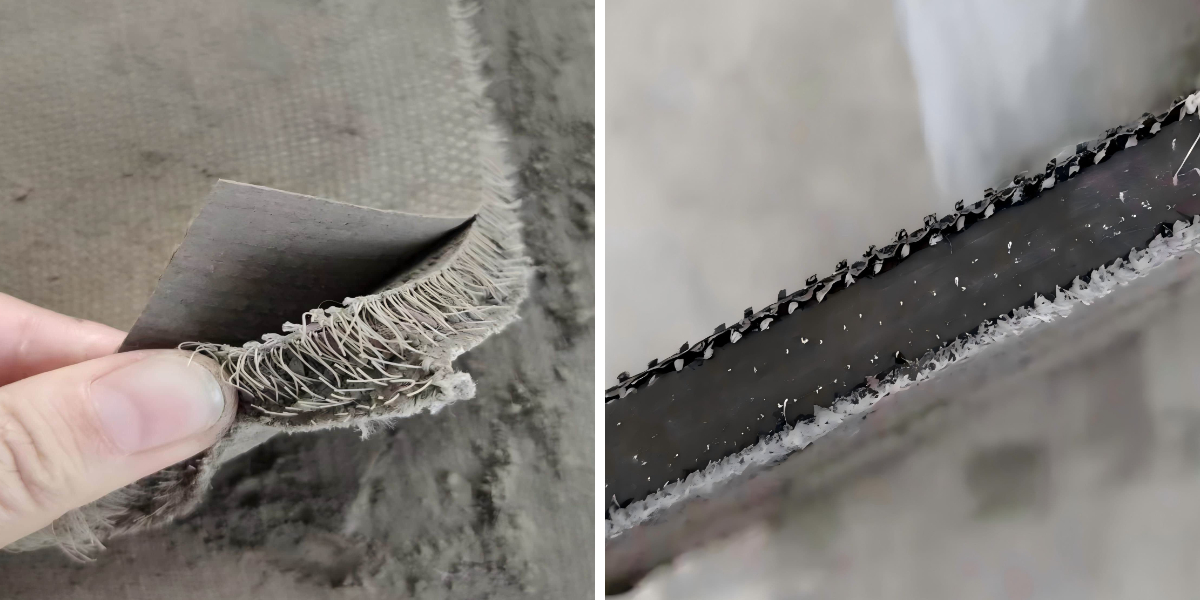
To understand why cement blanket hardens after water spraying, it is essential to first explore its unique composite structure that distinguishes it from ordinary textile materials and traditional concrete. As a functional concrete impregnated fabric, the material is constructed with a multi-layer fiber textile matrix filled with uniformly distributed dry cement-based mixtures, forming an integrated flexible composite structure before activation.
The outer textile layers of cement curing blankets adopt high-toughness permeable fabric materials, which maintain excellent flexibility and ductility in the dry state. This structural design allows the cement blanket to be rolled, folded, and adapted to various irregular terrain surfaces during deployment, completely avoiding the rigid limitations of precast concrete components. Inside the fiber grid, finely proportioned dry cement compounds and functional auxiliary fillers are stably locked by the textile framework, ensuring even material distribution without leakage or segregation during transportation and installation.
The ingenious combination of fiber fabric and dry cement powder enables concrete impregnated fabric to retain the flexibility of textile materials in the dry state while reserving complete hydration reaction conditions. The porous fiber structure of cement curing blankets provides uniform water permeability channels, laying a structural foundation for consistent hydration and overall hardening after water spraying.
2. Core Chemical Mechanism: Cement Hydration Reaction
The fundamental reason why cement blanket achieves rigid hardening after water spraying lies in the complete cement hydration chemical reaction, which is the same essential principle that strengthens traditional concrete, optimized and encapsulated in the portable concrete impregnated fabric system. In the dry storage state, all cement components inside cement curing blankets remain chemically stable and inactive, ensuring long-term shelf life without performance attenuation.
Once water is evenly sprayed on the surface of cement blanket, water molecules rapidly penetrate the permeable fabric layers and fully contact the internal dry cement particles. This contact immediately initiates the hydration reaction, triggering a series of continuous chemical changes within the concrete impregnated fabric. The cement minerals react with water to produce stable hydrated crystal compounds, which gradually fill the gaps between cement particles and fiber grids.
As the hydration reaction proceeds continuously insidecement curing blankets, massive needle-like and network-shaped hydration crystals form and interlock with each other. These growing crystal structures connect discrete cement particles and flexible fiber frameworks into a unified dense whole, gradually transforming the originally soft cement blanket from a flexible textile state to a rigid, high-strength solid layer. This irreversible chemical crystallization process is the core source of the material’s hardening and long-term structural stability.
3. Physical Solidification Process From Flexible Fabric to Rigid Concrete
The hardening of water-sprayed cement blanket includes both chemical hydration reaction and physical structural solidification, working together to reshape the overall performance of concrete impregnated fabric. Before water activation, the fiber framework of cement curing blankets only plays a fixed and protective role for dry fillers, with no rigid connection between internal particles.
In the early stage of water spraying, the permeable fabric of cement blanket quickly absorbs and diffuses water, eliminating dry areas and ensuring every part of the concrete impregnated fabric obtains sufficient water for hydration. At this stage, the material still maintains certain flexibility, allowing minor shape adjustment and surface leveling to adapt to on-site terrain requirements.
With the continuous progress of hydration crystallization inside cement curing blankets, the interlocking crystal network gradually strengthens the internal bonding force. The loose internal structure of cement blanket becomes compact and integrated, and the overall rigidity, hardness, and compression resistance rise steadily. Finally, the material completely loses flexibility and forms a seamless, monolithic concrete protective layer with excellent integrity and deformation resistance.
4. Unique Advantages of Water-Activated Hardening for Engineering Applications
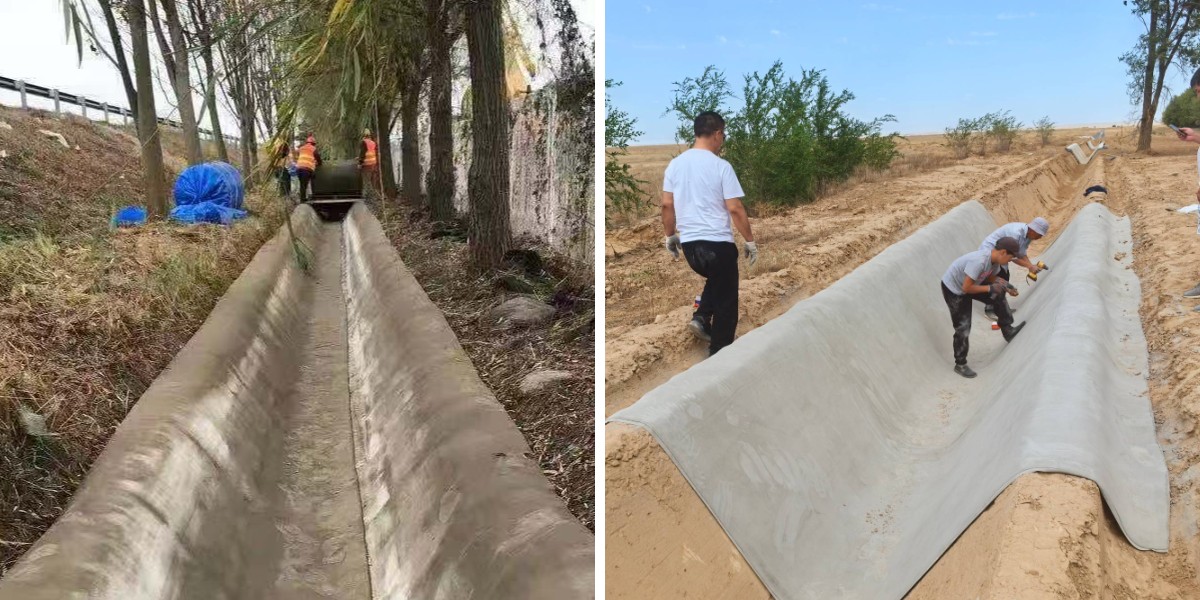
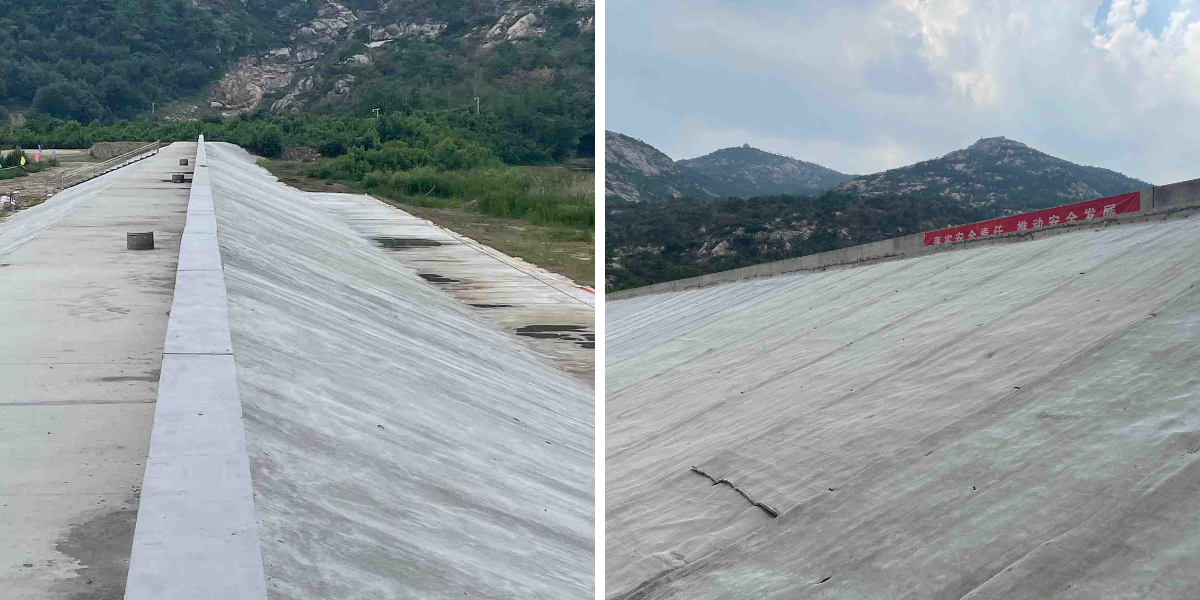
The water-triggered hardening mechanism of cement blanket endows concrete impregnated fabric with unparalleled application advantages compared with traditional concrete materials, making cement curing blankets widely favored in rapid construction and outdoor protection projects. The entire activation process relies entirely on natural hydration, without complex equipment or on-site material mixing.
First, the hardening process of cement blanket is stable and uniform. The pre-mixed dry formula and porous fabric structure ensure synchronous hydration and solidification of the entire material, avoiding uneven strength and local hollowing common in traditional concrete pouring. The fiber reinforcement inside concrete impregnated fabric effectively inhibits crack generation during hydration and curing, improving the overall anti-cracking performance of the hardened layer.
Second, water-activated hardening greatly simplifies construction procedures for cement curing blankets. The flexible roll design of cement blanket enables fast laying in complex terrains, and water spraying activation takes effect rapidly, shortening the overall construction cycle significantly. After hardening, the material forms a dense impermeable layer with strong erosion resistance, weather resistance, and structural stability, meeting long-term outdoor engineering protection standards.
5. Key Factors Affecting the Hardening Effect of Cement Blanket
Although the water-activated hardening principle of cement blanket is fixed, the final forming strength and service performance of concrete impregnated fabric are affected by on-site construction and environmental conditions, which also determine the actual protection effect of cement curing blankets in engineering projects.
Uniform water spraying is the basic guarantee for full hardening of cement blanket. Even water distribution ensures complete hydration of internal cement components of concrete impregnated fabric, preventing incomplete reaction caused by local water shortage that leads to insufficient strength. Reasonable water penetration enables every layer of cement curing blankets to complete synchronous crystallization and solidification.
Suitable ambient temperature and ventilation conditions also optimize the hardening quality of cement blanket. Stable environmental conditions promote orderly hydration reaction of internal materials of concrete impregnated fabric, helping form a denser crystal network structure. Proper post-activation maintenance further stabilizes the hardening effect of cement curing blankets, maximizing the final structural strength and durability of the material.
6. Conclusion
The water-activated hardening of cement blanket is a perfect combination of material structural design and cement hydration chemistry. As a high-performance concrete impregnated fabric, it integrates flexible textile laying and rigid concrete hardening, realizing rapid, convenient, and high-quality concrete forming through simple water spraying. The scientific hydration crystallization mechanism enables cement curing blankets to transform from soft roll materials into solid, crack-resistant, and weather-resistant protective layers. With unique construction convenience and stable hardening performance, cement blanket continues to optimize modern engineering construction modes, providing efficient and durable solutions for various outdoor reinforcement, anti-erosion, and protection projects.