Geotextile in Drainage Systems: Filtering and Protecting French Drains and Pipework
Introduction: The Unsung Hero of Effective Drainage
A well-designed drainage device is a surprise of silent efficiency, channeling water away from foundations, landscapes, and infrastructure to stop damage. Yet, the most cautiously laid pipe or gravel-filled trench is prone to a silent enemy: soil migration and clogging. This is the place geotextile cloth steps in as the critical, frequently unseen, element for long-term performance. Acting as a state-of-the-art filter and a long lasting protecting shield, the use of geotextile in structures like French drains is non-negotiable for performance and longevity. This article delves into how drain filter fabric, particularly engineered for subsurface applications, ensures that drainage structures work as meant for decades, defending your funding and property.
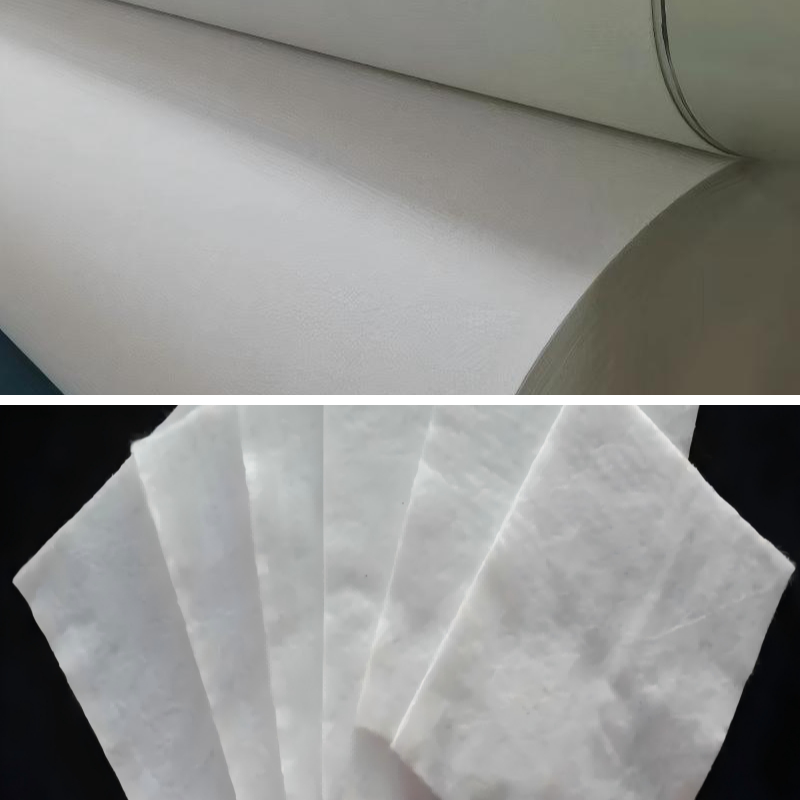
The Problem: Why Drainage Systems Fail Without Protection
A drainage system’s foremost hazard is not a lack of water, however the very soil it’s intended to drain. Without a barrier, two integral disasters occur:
Clogging (The Filter Failure): Fine soil particles wash into the gravel mattress or pipe perforations with flowing water. Over time, these particles accumulate, decreasing the system's void area and hydraulic conductivity. The gravel turns into compacted soil, and the pipe perforations seal shut. The end result is a once-effective French drain that now holds water rather of releasing it.
Structural Compromise (The Separation Failure): The mechanical motion of water go with the flow and gravity reasons the native soil to combine with the easy drain gravel. This compromises the structural integrity of the gravel layer, which is designed to be a high-void area for water storage and flow. The gadget sinks, will become much less permeable, and loses its designed capacity.
A suitable chosen and set up subsurface drainage geotextile immediately prevents each these failure modes, appearing as a long-term stabilizing filter.
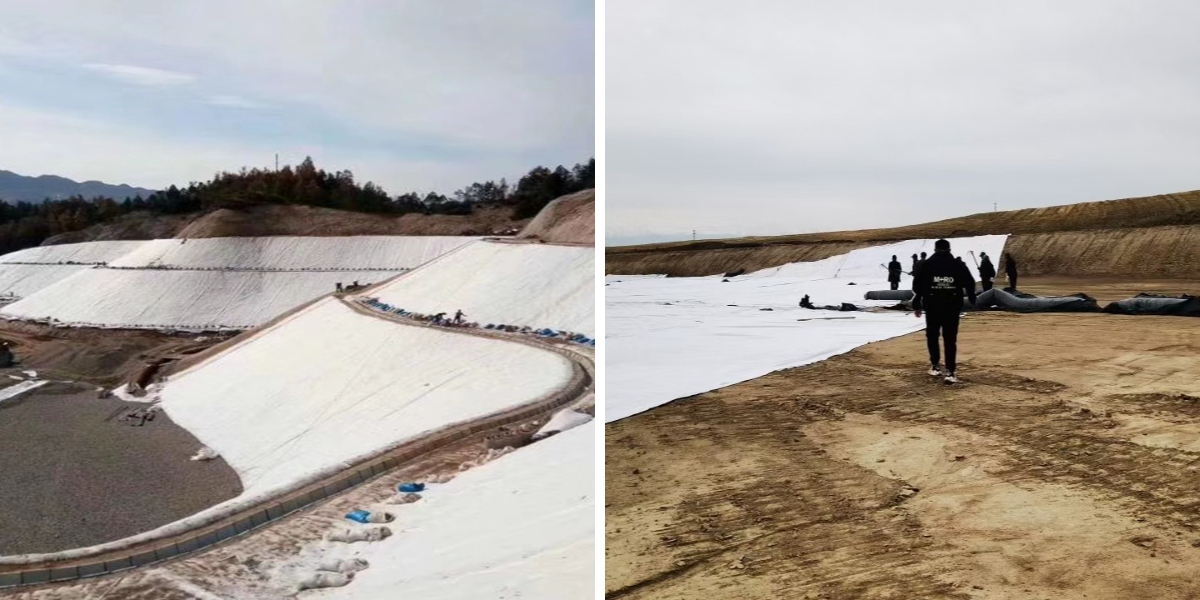
The Geotextile Solution: Dual-Function Fabric for Drainage
Geotextiles are permeable artificial fabric engineered for civil and environmental applications. In drainage, they operate two simultaneous and quintessential functions:
1. Filtration: This is the core use of geotextile as a drain filter fabric. It approves water to skip freely from the surrounding soil into the drainage combination whilst preserving the satisfactory soil particles. The fabric's cautiously calibrated pore measurement (Apparent Opening Size or AOS) is designed to create a "filter cake" of barely large particles at the soil-fabric interface. This herbal layer then acts as an stronger filter, similarly stabilizing the soil whilst keeping water flow. This process, recognized as "bridging," is key to stopping long-term clogging.
2. Separation: The geotextile bodily separates two multiple materials—the native soil subgrade and the smooth drainage gravel. This prevents them from intermixing, keeping the drainage capability and structural thickness of the gravel layer. It additionally gives reinforcement, distributing hundreds and lowering rutting or deformation in the drainage trench.
For a subsurface drainage geotextile, these features need to continue to be nice below regular hydraulic stress and long-term soil contact, requiring precise fabric properties.
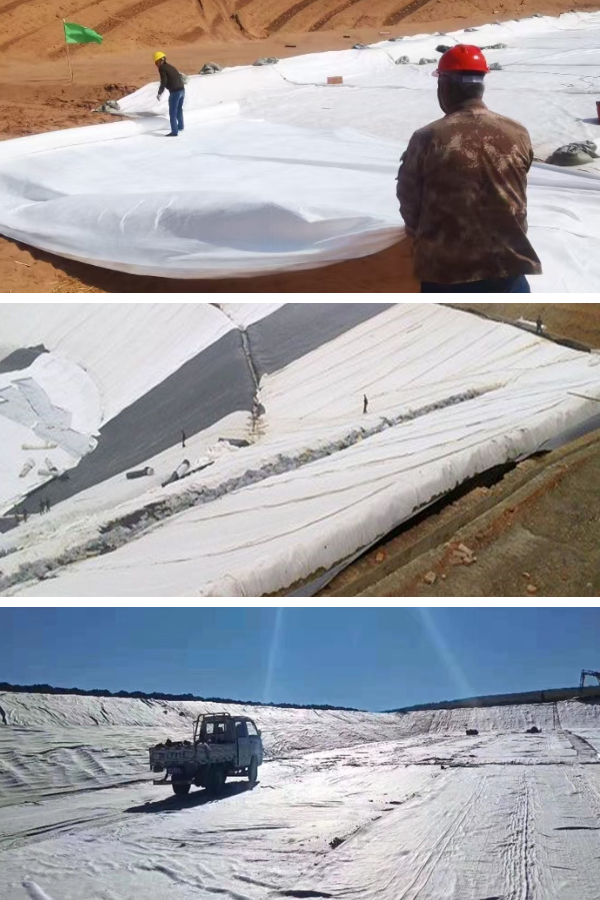
Material Science: Choosing the Right Drain Filter Fabric
Not all geotextiles are created equal. The right use of geotextile in drainage needs grasp the two principal types:
Non-Woven Geotextiles: These are the most frequent desire for French drains and subsurface filter applications. They are manufactured by using bonding artificial fibers (typically polypropylene or polyester) via mechanical, thermal, or chemical methods. They resemble felt and are extraordinary for:
Filtration: Their tortuous pore shape is best for filtering first-rate particles and stopping soil wash-out.
Separation: They grant extremely good cushioning and separation between soil and aggregate.
Conformability: They drape effortlessly over trench surfaces and round pipes, making sure desirable contact with the soil.
Woven Geotextiles: These are made via weaving monofilament or multifilament yarns together, growing a greater fabric-like appearance. They are usually improved however have extraordinary filtration characteristics:
Stability & Strength: Excellent for high-load separation and stabilization applications, like below roadways or parking lots.
Filtration: Monofilament wovens can be true filters, however slit-film wovens (made from flat tapes) may additionally have much less most useful filtration residences and are now not normally encouraged as a main drain filter cloth for widespread French drains until unique electricity necessities exist.
For traditional residential and industrial subsurface drainage geotextile applications, a strong non-woven material is most regularly precise due to its optimum filtration and defensive qualities.
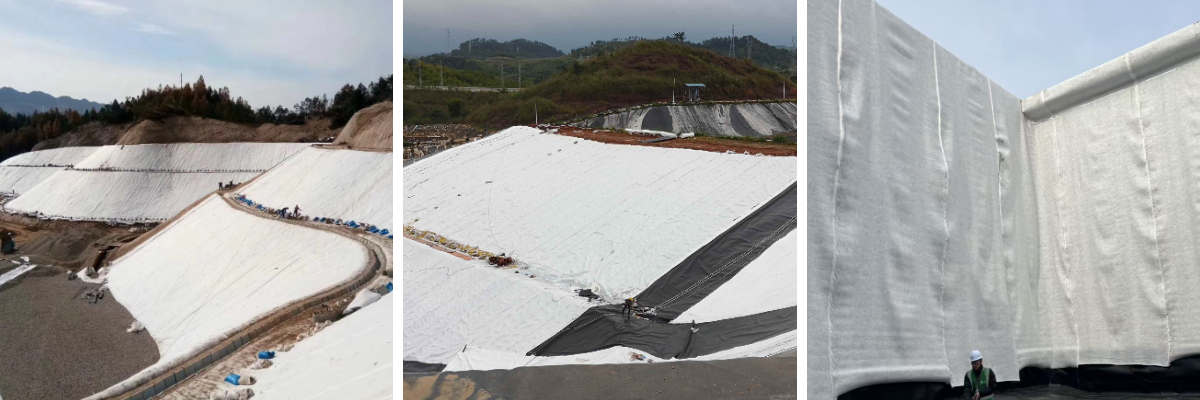
Application in Action: Geotextiles Protecting Key Systems
French Drains and Subsurface Drainage: The traditional use of geotextile is in wrapping a French drain assembly. The material is laid in the trench, protecting the backside and sides. Clean gravel is placed, the perforated pipe is laid, and greater gravel is added. The geotextile is then folded over the pinnacle to absolutely encapsulate the gravel and pipe, developing a covered "burrito." This prevents soil from above and the facets from infiltrating the drain rock. A subsurface drainage geotextile used in this manner is the defining function of a modern, long-lasting French drain.
Pipe Wrap and Protection: Perforated drainage pipes are mainly susceptible to soil intrusion thru their holes. Wrapping the pipe without delay with a sleeve of non-woven drain filter cloth earlier than setting it in the gravel provides an integral layer of defense. This double-protection method—fabric-wrapped pipe inside a fabric-wrapped gravel envelope—is regarded quality exercise for necessary applications.
Foundation Drains and Landscaping: Around constructing foundations, the use of geotextile is essential to guard footing drains from clogging with backfill material. In landscaping, it is used at the back of protecting wall drains (weep holes) and in planter mattress drainage layers to forestall soil from washing out whilst permitting water to escape.
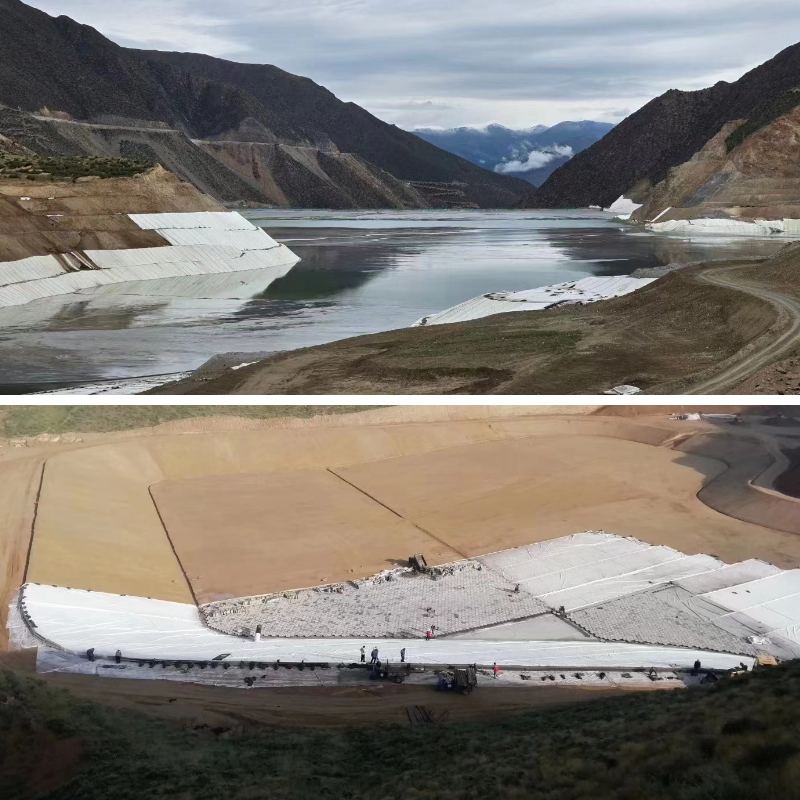
Installation Best Practices: Maximizing Geotextile Performance
Even the great material can fail if set up incorrectly. Key hints for the superb use of geotextile include:
Proper Trench Preparation: Remove sharp rocks, roots, and debris from the trench backside and partitions to stop punctures throughout set up and backfilling.
Adequate Overlap: When becoming a member of cloth sheets, make certain a minimal overlap (typically 12-18 inches) to forestall soil from migrating via the seam.
Full Encapsulation: For French drains, the cloth ought to totally envelop the gravel bed. The overlap at the pinnacle ought to be adequate and need to be included with a layer of easy soil or sand earlier than closing backfilling with native soil.
Avoid Stretching and Damage: Lay the material loosely with some slack to enable for settlement. Avoid dragging it over tough surfaces. During backfill, cautiously region preliminary layers of stone or soil by using hand to keep away from displacing or tearing the cloth with heavy machinery.
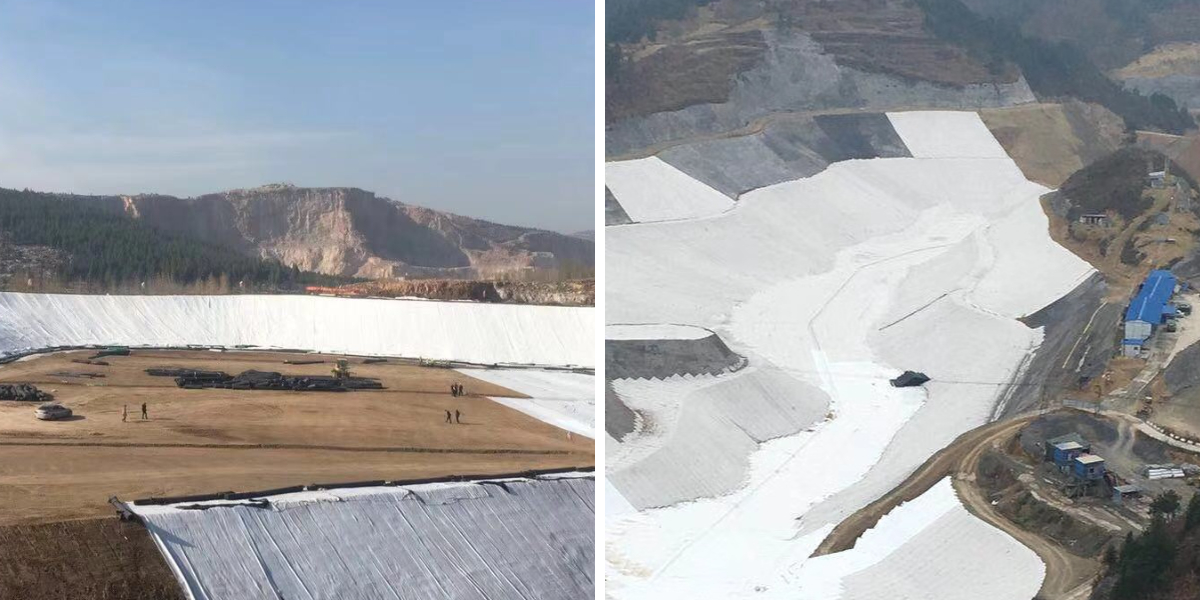
Selecting the Right Geotextile for Your Drainage Project
Choosing the right drain filter cloth entails matching material houses to the site's soil prerequisites and structural demands. Key specs to think about include:
Apparent Opening Size (AOS): Must be small adequate to hold the surrounding soil particles however giant sufficient to allow water flow. This is chosen based totally on the soil's grain measurement distribution.
Grab Tensile Strength: Indicates the fabric's sturdiness and capacity to stand up to set up stresses.
Flow Rate (Permittivity): Measures the fabric's capability to permit water to drift via it underneath pressure. A greater price is normally higher for drainage applications.
UV Resistance: If the cloth will be uncovered to daylight for extra than a brief length (typically 14-30 days), it have to include UV stabilizers.
For most residential French drains in frequent soils, a medium-weight non-woven geotextile is a widespread and dependable choice. Consulting with an engineer or professional dealer is suggested for business tasks or websites with not easy soils (e.g., nice silts or clays).
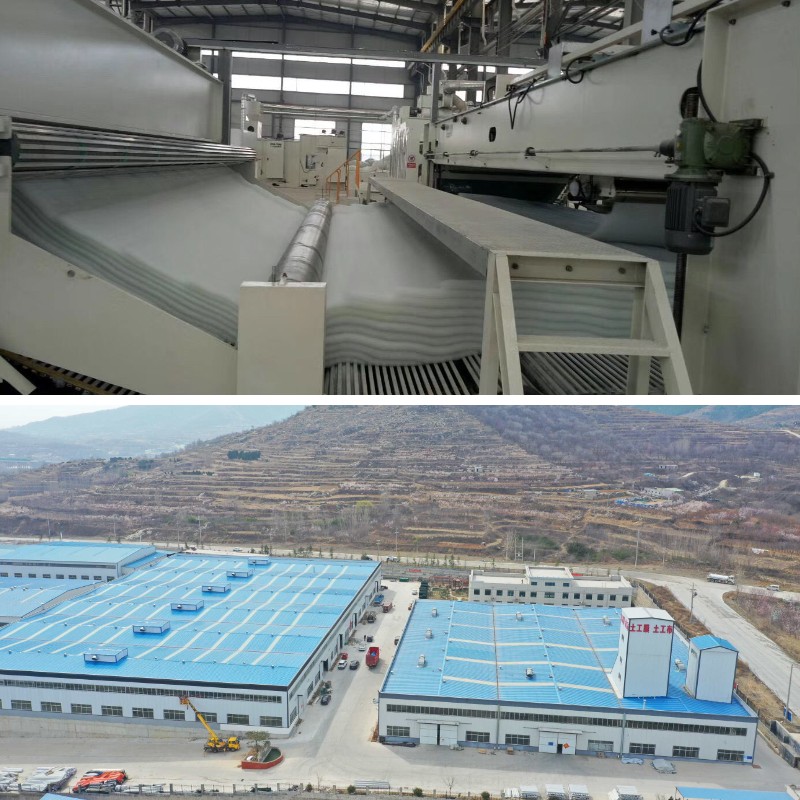
Conclusion: An Essential Investment in System Longevity
The use of geotextile in drainage is a high instance of a small, shrewd funding stopping predominant future rate and failure. By functioning as each a state-of-the-art filter and a strong separator, drain filter material is the guardian of hydraulic performance. It ensures that French drains, basis drains, and different subsurface drainage geotextile purposes proceed to go water correctly for years, defending structural foundations, retaining landscapes, and managing stormwater as designed. When planning any drainage project, specifying and efficaciously putting in the excellent geotextile is no longer an non-obligatory add-on—it is the critical exercise that defines a professional, everlasting solution.
Contact Us
Company Name: Shandong Chuangwei New Materials Co., LTD
Contact Person :Jaden Sylvan
Contact Number :+86 19305485668
WhatsApp:+86 19305485668
Enterprise Email: cggeosynthetics@gmail.com
Enterprise Address: Entrepreneurship Park, Dayue District, Tai 'an City,
Shandong Province