Concrete on a Roll: How Cement Blanket Transforms Traditional Construction
Introduction: Rethink Construction With Cement Blanket Technology
Traditional concrete construction relies on on‑site mixing, heavy machinery, formwork setup and multi‑step curing workflows. These established workflows bring many practical constraints for field projects, especially for remote sites, curved surfaces and quick‑repair assignments. Today, cement blanket redefines concrete work as “concrete on a roll”, delivering flexible deployment without complex batching operations. As more project managers search for reliable cement blankets for sale, the practical value of concrete cloth building solutions gains wider recognition across civil, landscaping and emergency‑response sectors. This article explores how this innovative material changes conventional building practices and unlocks new possibilities for modern‑day site works.
Pain Points of Conventional Concrete Construction
Standard poured concrete construction involves long preparation cycles. Crews must transport raw materials, operate mixing equipment, build supporting formwork and wait for gradual curing. Complex or uneven ground further raises labor demands and site waste. Even with careful execution, rigid poured concrete often struggles to follow curved or undulating terrain, creating gaps and weak points along slopes and channel surfaces. Many teams turn to cement blanket to bypass these bottlenecks. When sourcing cement blankets for sale, buyers look for ways to cut heavy‑equipment dependency and shorten overall project timelines. These real‑world frustrations make concrete cloth building an attractive alternative for many mid‑scale and field‑based assignments.
What Is Cement Blanket: The Core of Concrete‑on‑a‑Roll Technology
1. Cement Blanket: Flexible Roll‑Form Concrete Composite
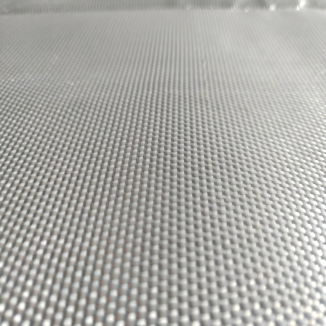
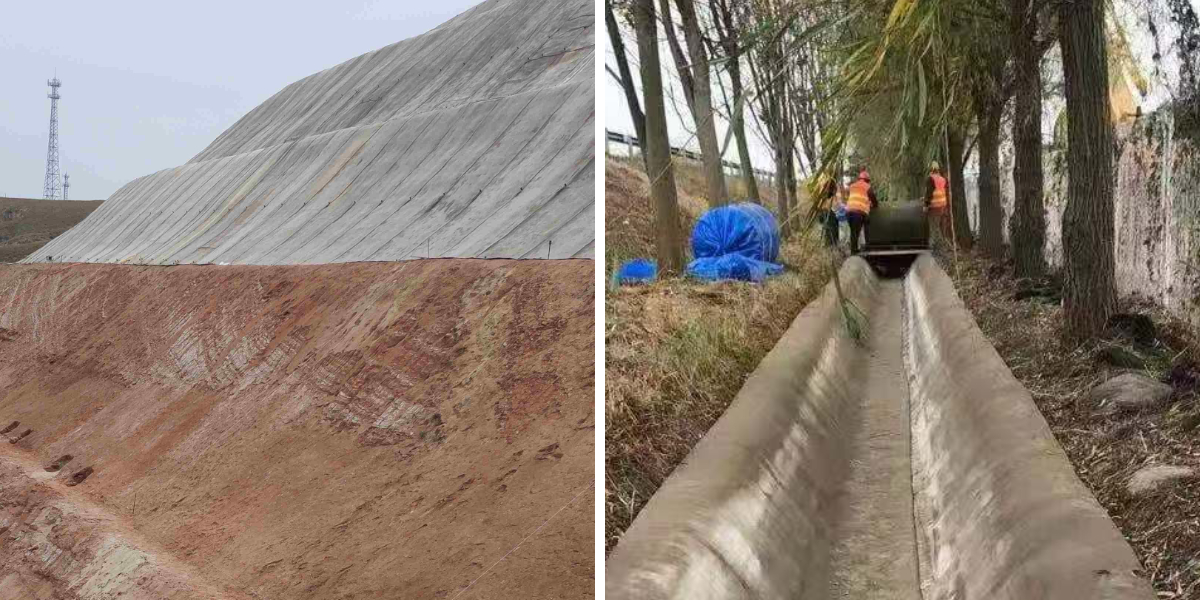
cement blanket is a water‑activated cement‑infused fabric composite, shipped in large roll form. In its dry state, it remains soft and pliable, allowing cutting, shaping and fitting over irregular ground shapes. Once water contacts the material, internal cement components trigger a curing reaction, turning the flexible fabric into a solid concrete‑like protective layer. No on‑site concrete mixing is required, which greatly simplifies site logistics for field teams.
2. Cement blankets for sale: Key Buying Considerations for Builders
When searching for cement blankets for sale, construction professionals focus on material flexibility, long‑term weather resistance and suitability for target working conditions. Different product variants serve landscaping, hydraulic lining, slope stabilization and temporary hardening tasks. Buyers prioritize consistent factory pre‑blending, durable fiber reinforcement and reliable performance under outdoor exposure. Choosing suitable rolls directly determines the final outcome for anyconcrete cloth building project that uses cement blanket.
3. Concrete cloth building: Working Principle Behind the Innovation
concrete cloth building uses fabric‑encapsulated cement systems to replace portions of cast‑in‑place concrete work. Instead of pouring liquid concrete into frames, workers unroll the material, secure it in place and add water to trigger hardening. The embedded fiber matrix holds cement components intact before activation and delivers enhanced toughness after curing. This principle makes cement blanket well‑suited for non‑heavy‑load protective structures, while listings forcement blankets for sale continue expanding to cover more engineering scenarios.
Major Advantages: Cement Blanket Against Traditional Concrete Work
1. Simplified Site Work and Reduced Reliance on Heavy Machinery
Traditional concrete projects depend heavily on mixers, delivery trucks and formwork frames. cement blanket removes most of those requirements. Crews only need basic hand tools to cut and fix the rolled material before hydration. For teams sourcing cement blankets for sale, transportation also becomes far easier, as roll‑form products take less space compared with loose concrete raw materials. This operational simplicity sits at the heart of modern concrete cloth building workflows, especially in locations with limited vehicle access.
2. Superior Terrain Conformability
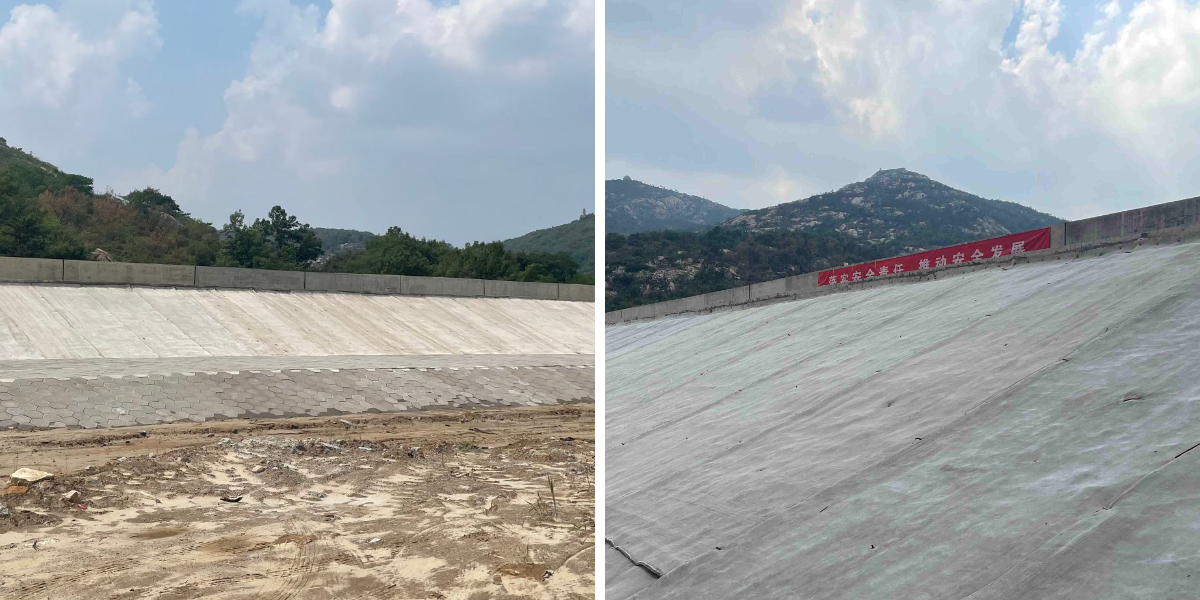
Poured concrete tends to crack when substrates shift or surfaces curve sharply. Before curing, cement blanket bends freely to follow slopes, ditches and uneven ground contours, forming a continuous protective shell after hardening. Many buyers browsing cement blankets for sale select this material specifically for curved‑surface lining work. Such terrain‑adaptive performance is one major reason concrete cloth building gains popularity for channel lining and slope‑protection assignments.
3. Accelerated Project Timelines and Lower Site Waste
Conventional concrete construction generates notable waste from leftover batches and discarded formwork. cement blanket can be cut precisely to match project dimensions, minimizing leftover materials. After hydration, it reaches usable strength within a short period, speeding up overall progress. Teams sourcing cement blankets for sale often aim to compress construction schedules. This speed‑oriented feature makes concrete cloth building ideal for urgent repairs and seasonal‑sensitive site tasks.
4. Good Weather Durability for Outdoor Exposure
Fully cured cement blanket forms a compact tough layer that resists rain wash, temperature fluctuation and ultraviolet exposure. It maintains structural integrity for long‑term outdoor deployment. Customers shopping cement blankets for sale frequently verify anti‑aging performance for open‑air applications. Robust weather resistance expands the usable scope ofconcrete cloth building across landscaping, hydraulic and infrastructure‑repair projects.
Typical Real‑World Applications of Cement Blanket
1. Ditch, Channel and Waterway Lining
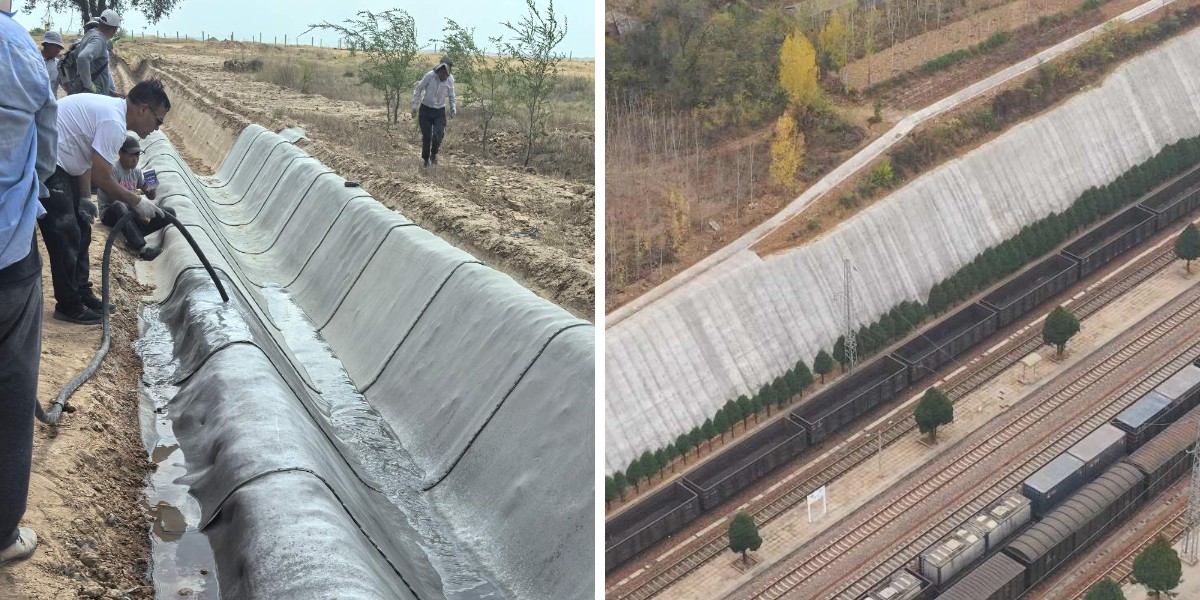
For irrigation ditches and drainage channels, cement blanket creates seamless anti‑erosion lining without complex pouring. It fits curved channel walls perfectly and stops soil loss under water flow scouring. Many engineering teams look for cement blankets for sale when upgrading small‑scale water conveyance structures. This represents one of the most mature use‑cases within concrete cloth building practice.
2. Slope Protection and Embankment Stabilization
Unstable slopes suffer from rain‑driven erosion and surface slippage. Unrolling cement blanket over slope surfaces delivers a continuous hard protective shell after hydration. It stabilizes surface soil and lowers collapse risks. Contractors search cement blankets for sale for roadside embankments and landscape‑slope renovation. Such slope‑fixing work occupies a large share of practical concrete cloth building assignments.
3. Landscaping Hardscaping and Quick Repair Works
Garden paths, landscape edging and minor retaining structures can be built efficiently with cement blanket. DIY‑friendly handling supports both professional crews and home‑renovation users. People looking forcement blankets for sale include landscaping firms and property maintenance teams. Fast‑repair scenarios further highlight the convenience of concrete cloth building when traditional concrete would consume excessive time.
Practical Installation Guidance for Cement Blanket Projects
To maximize performance of cement blanket, proper site preparation remains essential. Clear away sharp debris and loose topsoil to provide a stable base. Unroll and cut material according to project layout, secure edges and overlapping sections firmly. When you source cement blankets for sale, always follow supplier guidance for water application. Complete and even hydration guarantees full curing for any concrete cloth building project. Avoid heavy loading before full hardening to preserve structural quality of the finished cement blanket layer.
Conclusion: Cement Blanket Opens New Doors for Modern Construction
Traditional poured concrete still holds irreplaceable value for heavy‑load structural elements. Even so, cement blanket brings revolutionary improvements for protective, lining and light‑hardening tasks. Easy transport, flexible shaping, fast curing and reduced site‑equipment demand explain why more professionals search for cement blankets for sale. As a practical alternative building technique,concrete cloth building expands construction boundaries for remote sites, curved surfaces and time‑critical jobs. When properly specified and installed, cement blanket delivers durable, cost‑conscious outcomes for landscaping, hydraulic and civil‑repair projects worldwide.